 Korean
  English
  German
  Russian
  Japanese
  Spanish
  French
  Italian
  Portuguese
 간단한 답변:
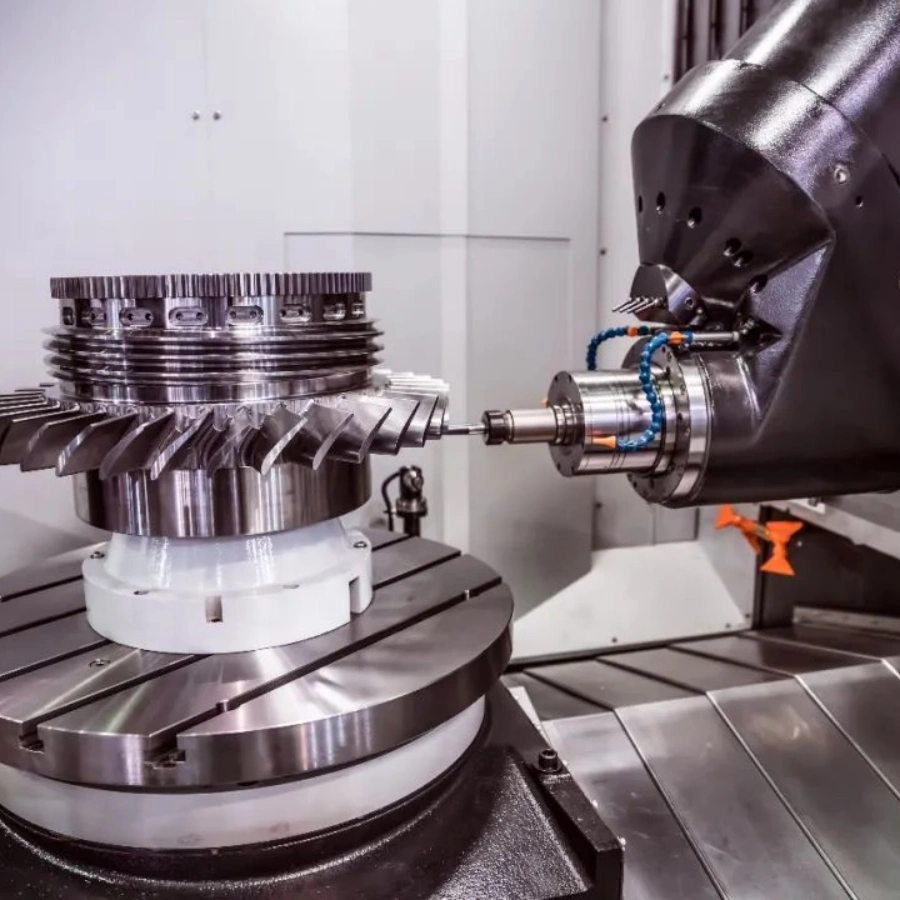
Turning and milling compound machining combines lathe and milling operations on one machine tool. The workpiece rotates in a chuck while a milling head or live tool cuts features in both radial and axial directions. This single-setup process eliminates re-fixturing, which drives most of the cycle-time savings and tighter geometric tolerances compared to running separate machines. It suits parts with mixed cylindrical and prismatic geometry, such as precision turbine blades or hydraulic valve bodies. The main trade-off is higher capital cost and the need for multi-axis CAM programming.
If you are evaluating whether to add compound operations to your CNC workflow, the decision usually comes down to three factors: part complexity, annual volume, and tolerance stack-up. YPMFG works with manufacturing teams that are moving from separate CNC 선반 그리고 CNC 밀링 머신 cells toward integrated turn-mill setups to cut handling time and improve first-pass yield. This article breaks down how the process works, when it makes sense, and what to check before you commit.
What Is Turning-Milling Compound Machining?
At its core, compound machining means performing turning (rotational cutting) and milling (linear or rotary cutting) without removing the part from the machine. The workpiece is held in a 3-jaw or hydraulic chuck on the C-axis. A separate milling B-axis or live tool holder then positions the cutter for radial, axial, or angled features.
The term “compound” refers to the simultaneous engagement of two cutting strategies within one NC block. It is not simply running a lathe sequence followed by a mill sequence on the same table. The controller coordinates rotational and linear feeds together, which is what locks the tolerance stack. This is the key distinction from a gantry router or a basic lathe with a turret.
For a part with three or more feature families, the 5-axis CAM programming that feeds the controller becomes the real technical challenge.

How the Combined Cutting Process Works
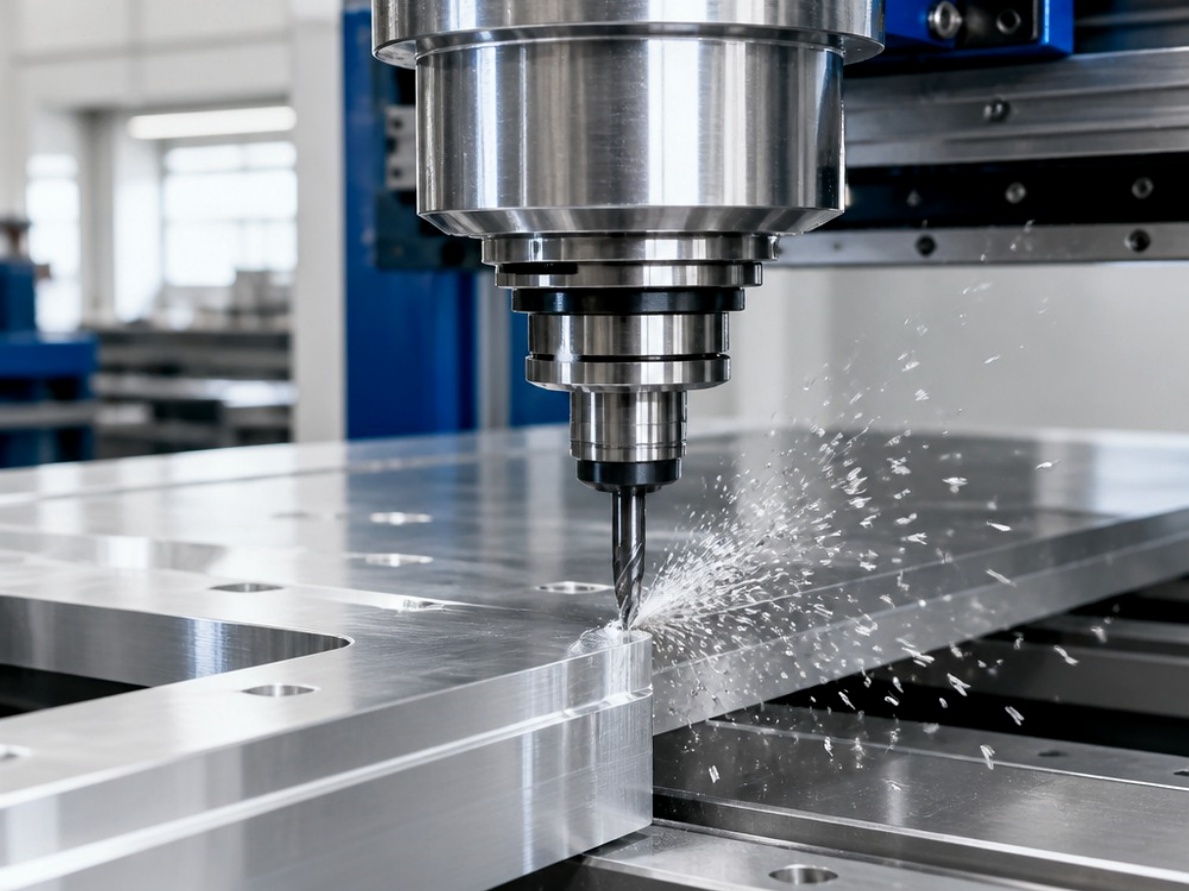
The process starts with the workpiece clamped in a hydraulic chuck or center-driven spindle. The controller then executes turning passes—OD, ID, grooving, threading—while the part rotates. Between or during those passes, the milling axis or live tool engages for drilling, tapping, face-milling, and contouring.
Each operation references the same work coordinate system (WCS), so positional error between features is minimized. A typical hydraulic manifold might need six turned ports, two milled flat faces, and a threaded boss. Running that on two machines introduces two fixturing errors and one handling step. Compound machining collapses all of that into one clamping event.
The result is fewer secondary operations and a shorter path from raw bar stock to finished part.
Key Advantages Over Separate Machines
The benefits are most measurable in cycle time and tolerance control. The table below summarizes the practical differences a buyer should weigh.
The single most cited benefit in production audits is the reduction of secondary handling. Fewer touch points mean fewer opportunities for workpiece damage, misalignment, and scrap. In high-mix, low-volume work, the setup time savings alone often justify the machine upgrade.
When to Choose Compound vs. Separate Operations
Compound machining earns its cost when a part has at least three different feature families in one setup: cylindrical, prismatic, and angled. If your parts are simple turned shafts or basic milled plates, separate machines remain more economical. The decision should be driven by your part mix, not by machine availability.
A practical rule: if more than 40% of your CNC parts require both OD turning and milled features within ±0.05 mm, compound operations typically reduce total manufacturing cost per part by 15–30%. Below that threshold, machine idle time and CAM complexity may offset the savings. YPMFG can run a quick engineering evaluation on your part drawings to confirm whether a compound setup is the right call for your workload.
Common Questions About Turning-Milling Compound Machining
Can any part be machined on a compound center?
No. Parts requiring large diameters, very long overhangs, or simultaneous grinding and turning are better suited to dedicated machines. The machine envelope and chuck capacity set hard limits. Verify your part dimensions against the spec sheet before committing.
What tolerance can compound machining hold?
Typical achievable tolerances are ±0.01–0.02 mm for turning features and ±0.01 mm for milled faces, depending on spindle runout and thermal stability. Parts requiring ±0.005 mm or tighter should be verified with the builder’s thermal compensation data first.
Do I need a full 5-axis controller for basic compound work?
For simple turn-then-mill sequences, a 3+2-axis controller is sufficient. Simultaneous 5-axis moves are needed only for intersecting angled features like impeller blades or aircraft structural fittings. Match the controller axis count to your actual part mix.
How does compound machining affect total cost of ownership?
Initial capital is higher, but operating cost per part usually drops because of fewer setups, less handling, and reduced scrap. The break-even point depends on volume. Under 200 parts per year, separate machines may still be more cost-effective.
Choosing the Right Setup for Your Application
The right machine depends on your part geometry, annual volume, and tolerance requirements—not on the most expensive option in the catalog. Start by mapping every feature on your part to a cutting strategy. Then check which features can share a single clamping datum. If more than half can, compound operations will save meaningful handling time and secondary setup cost.
If your drawings include mixed turning and milling features on a single part and you want to validate the approach before purchasing, YPMFG can review your CAD models,suggest a 단일 설정 전략, and provide a detailed quote with expected cycle times. Send your specifications for an engineering assessment and get a practical read on whether a compound setup fits your current and next-year part mix.