 Portuguese
  English
  German
  Russian
  Japanese
  Korean
  Spanish
  French
  Italian
 Resposta rápida:
A CNC turning machine is a computer-controlled lathe that rotates a workpiece against a cutting tool to produce cylindrical, symmetrical parts. Unlike manual lathes, it runs G-code programs that govern tool paths, spindle speed, and feed rate with high repeatability. This makes it the standard process for manufacturing shafts, bushings, flanges, and fasteners in Usinagem CNC production. Typical tolerances reach a few microns, depending on machine rigidity, tooling, and material.
Buyers stepping into Torneamento CNC often need to confirm whether their part geometry fits the process,which specs to request from a supplier, and how output compares to Fresagem CNC. YPMFG supports buyers who want a clear process assessment and cost picture before sending drawings for a formal quote.
How a CNC Turning Machine Works
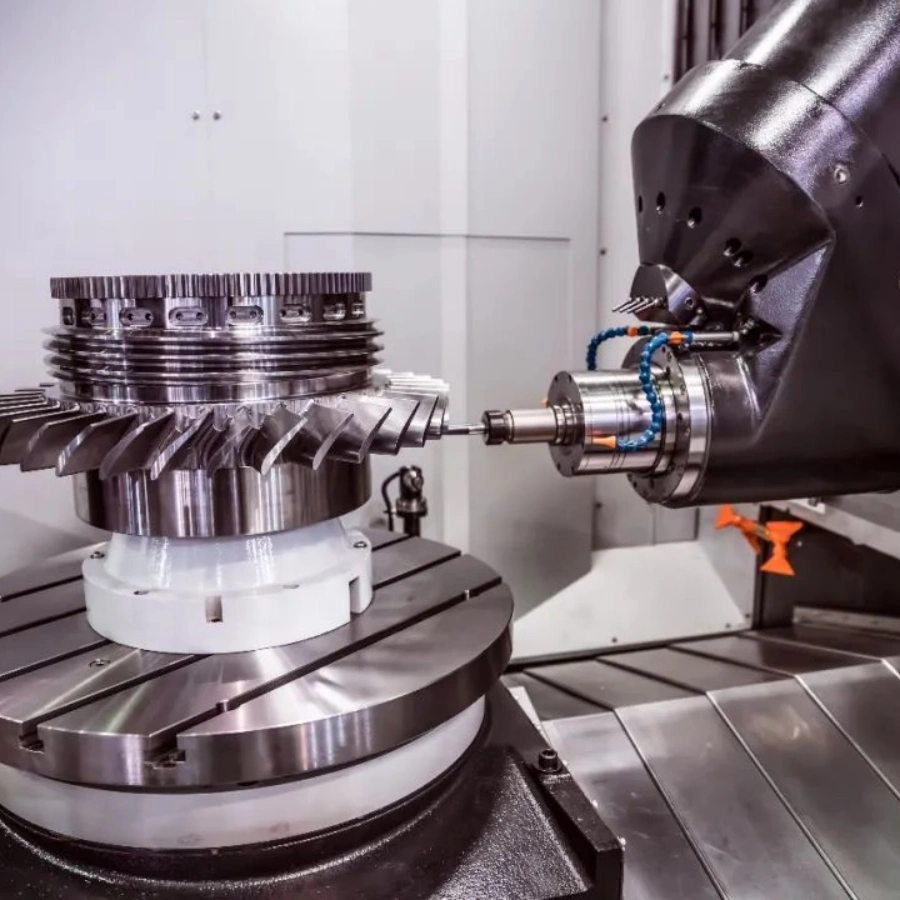
The operating principle is straightforward: the workpiece spins on the spindle while one or more cutting tools remove material in a controlled path. The CNC controller translates your part program into precise servo movements for the turret, cross-slide, and spindle.
Most modern lathes now combine turning with a milling head, creating a “mill-turn” configuration. This lets the operator drill, face, and profile off-axis features in a single clamping setup. Fewer setups mean less fixture time and tighter dimensional consistency across each batch.
Key Components and What They Control
A typical CNC turning machine has several elements that define its capability and the part sizes it can handle:
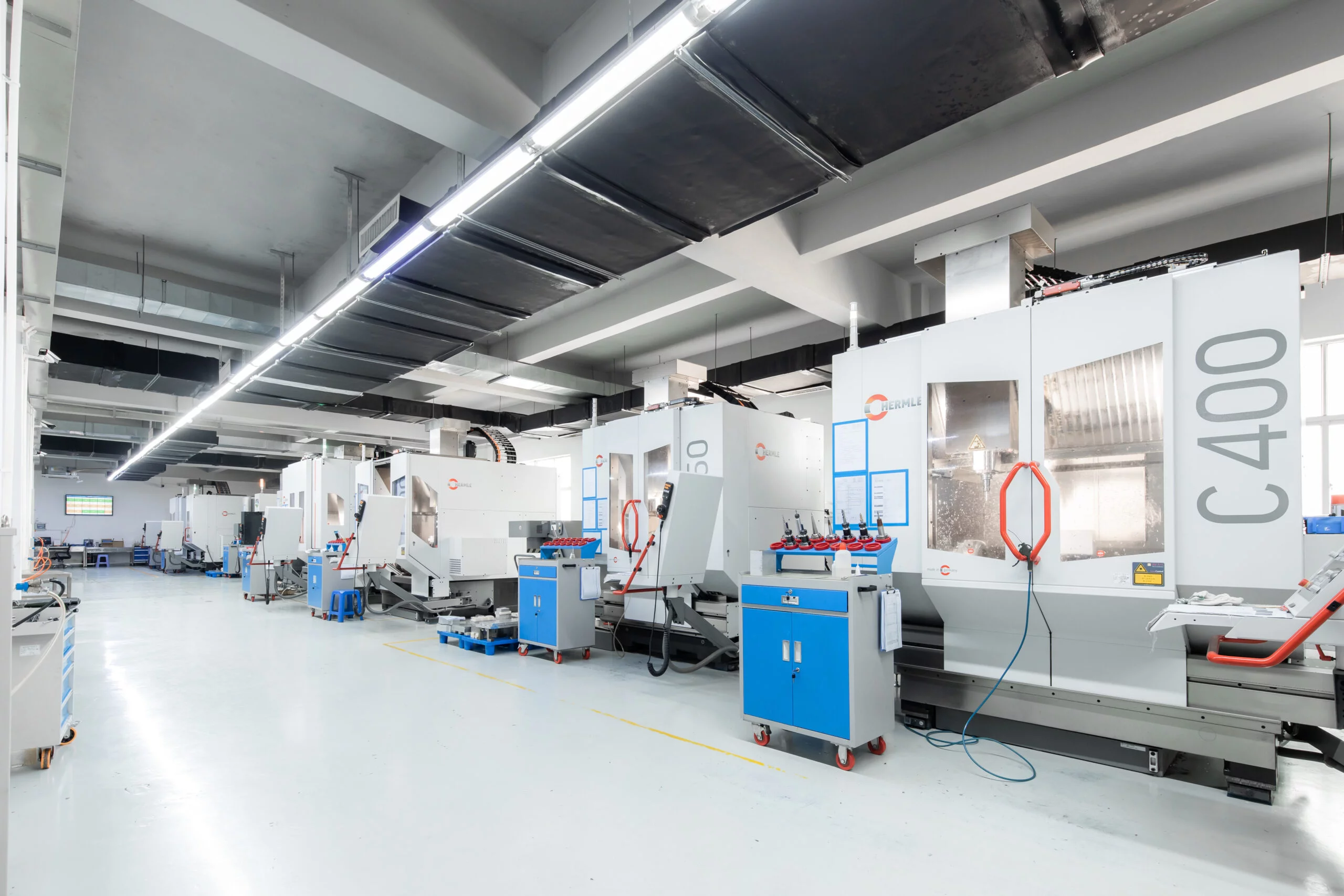
When you are comparing machines for a production run, spindle nose diameter and maximum workpiece length carry the most weight. YPMFG can check whether your part geometry fits inside a machine envelope before you commit to a tooling layout.
CNC Turning vs. CNC Milling
The dividing line is part geometry. Torneamento CNC handles features that are symmetric around one axis—shafts, pipes, couplings, and threaded rods. Fresagem CNC handles prismatic or complex three-dimensional shapes like brackets, housings, and fixtures.
In practice, many parts use both. A typical flow turns the outer diameter and faces first, then mills cross-holes, pockets, or angular features. If your component is fully rotationally symmetric, turning alone is faster and usually less expensive per unit. Off-axis details push the job toward a mill-turn machine or a separate Fresagem CNC operation.
When to Specify CNC Turning
Turning is the natural first choice when:
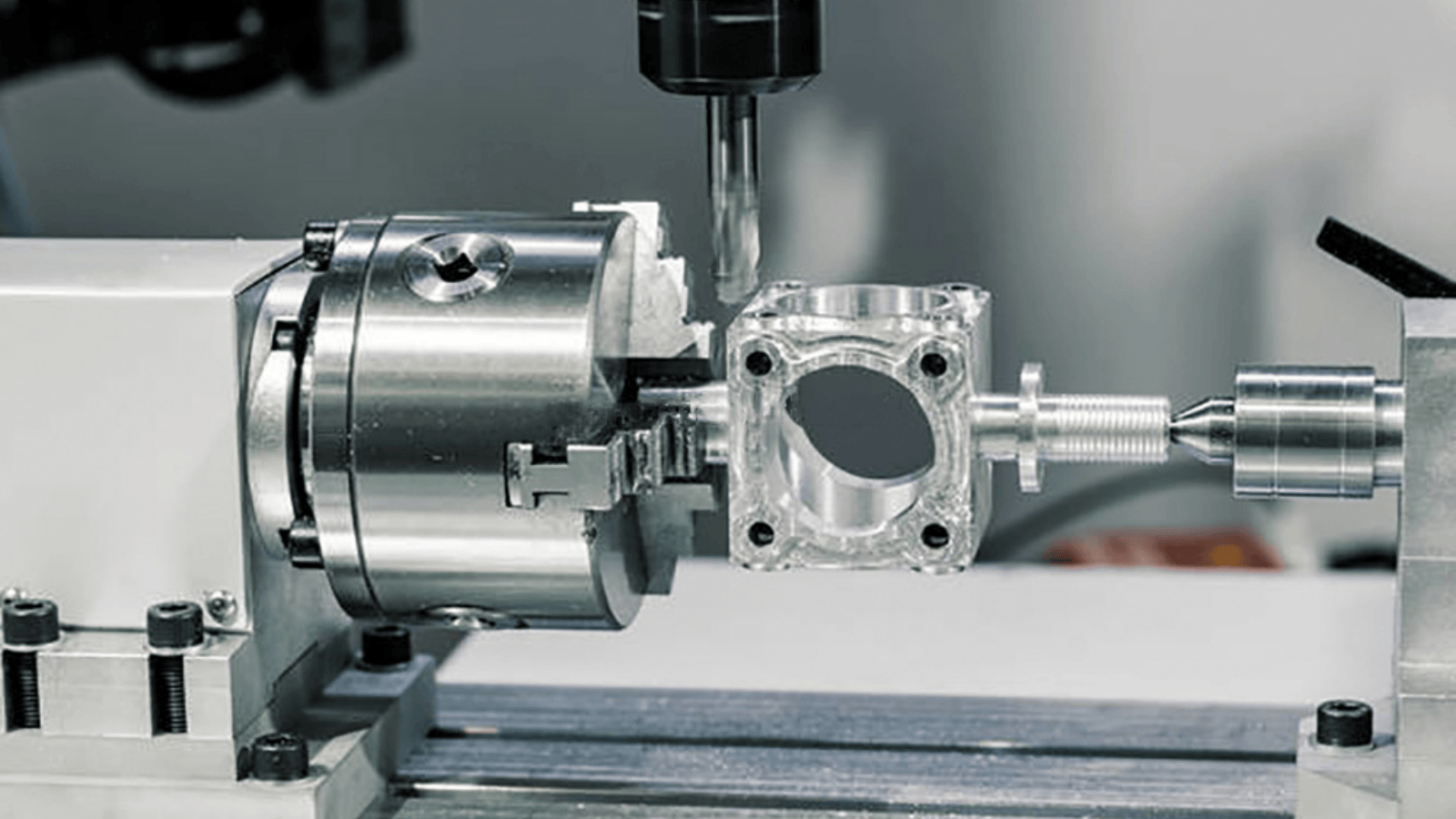
The part is cylindrical, conical, or otherwise axisymmetric
Volume ranges from prototype to mid-volume production
Tight diametral tolerances (often ±0.01 mm or better) are required
A single-setup process keeps lead time short
For very low-volume prototyping, setup and tooling costs can raise the per-part price. If your quantity is under twenty pieces, confirm with your supplier how setup fees are structured before locking in a design.
Common Questions About CNC Turning Machines
What tolerances can a CNC lathe hold?
In many cases, a well-maintained CNC lathe holds diametral tolerance within ±0.005 mm. The achievable limit depends on machine rigidity, tool wear, and the specific material being cut. Always confirm which tolerances are standard and which require dedicated tooling.
Can it produce internal bores and threads?
Yes. Boring bars and internal thread-cutting tools mount on standard turrets. For deep or long internal geometries, a milling head on a mill-turn setup gives more flexibility and a faster cycle.
Which materials work well on a turning machine?
Common options include Usinagem CNC of carbon steels, stainless alloys, aluminum, and copper. Hardened steels and some superalloys require carbide or CBN inserts. Material choice drives tool wear rate and cycle time, so confirm material specs before pricing.
How does batch size change the per-unit cost?
Setup and tooling costs are spread across the batch. Smaller runs carry higher per-part overhead. YPMFG can outline the cost breakdown for your quantity range so you can compare options before placing an order.
Choosing the Right CNC Turning Partner
Machine capability is only one factor. The supplier’s ability to read your drawing, flag process risks, and confirm especificações técnicas before production matters as much as the hardware itself.
Send your part drawings and material requirements to YPMFG. You will receive an engineering review covering process suitability, tolerance feasibility, and a cost estimate—no commitment required.