 Portuguese
  English
  German
  Russian
  Japanese
  Korean
  Spanish
  French
  Italian
 Resposta rápida:
A CNC marketplace is a digital platform that connects buyers needing precision-machined components with a network of manufacturing partners. You upload your drawings or specifications, then receive competing quotes from multiple shops within hours. The model suits prototype runs, low-to-mid volume production, and projects requiring avaliação de engenharia before you commit to a single supplier. Quality control, material traceability, and solução personalizada depth vary across platforms, so verify capabilities before placing an order.
In this guide you will find:
What a CNC marketplace actually is and how it differs from direct sourcing
The four-stage workflow from file upload to delivery
A checklist of factors to evaluate before choosing a platform
The two most common risks and how to reduce them
Practical answers to questions buyers ask before ordering
Sourcing machined parts used to mean calling one factory, waiting days for a quote, and hoping the sample arrived on schedule. Marketplaces changed that workflow in a single year. Yet not every platform offers the same level of garantia de qualidade, material documentation, or engineering support. What follows is a practical evaluation framework so you can judge a platform before your first order leaves the quote stage.
What Is a CNC Marketplace?
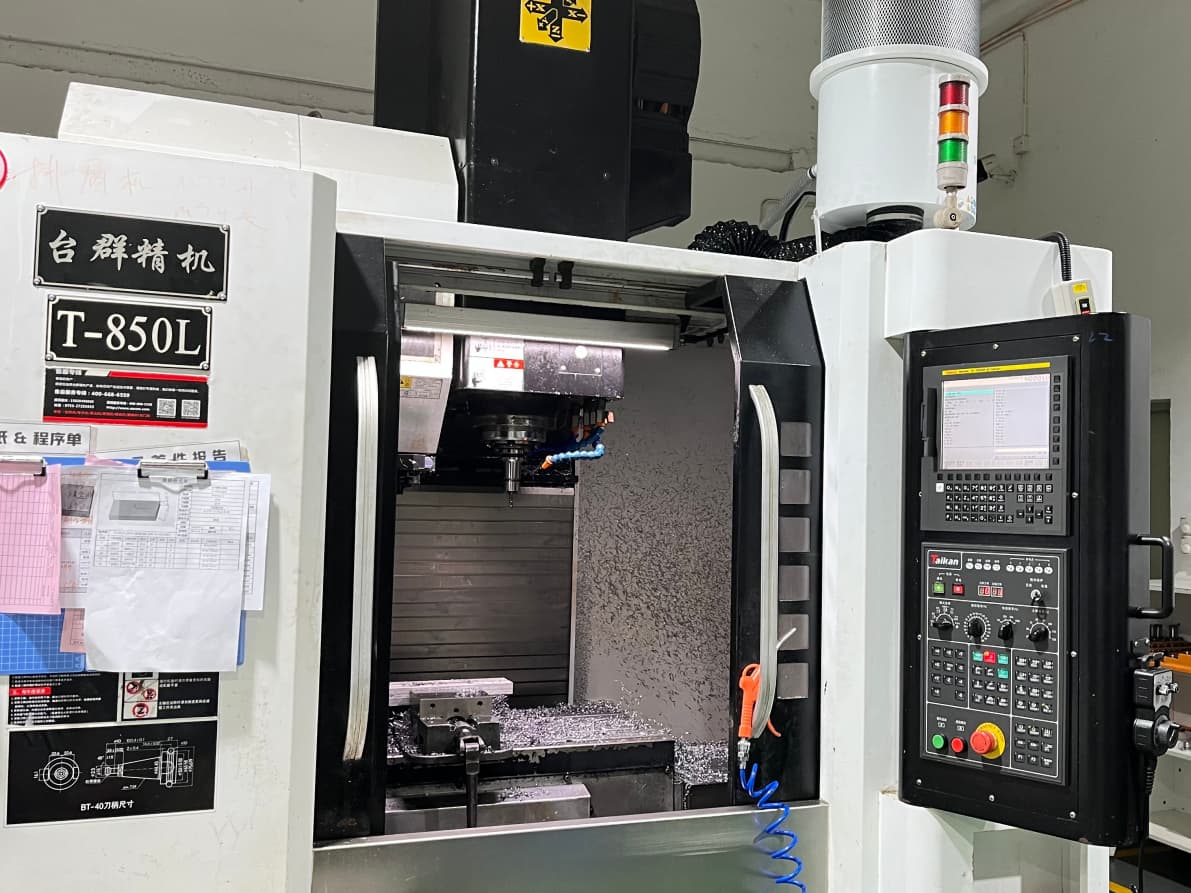
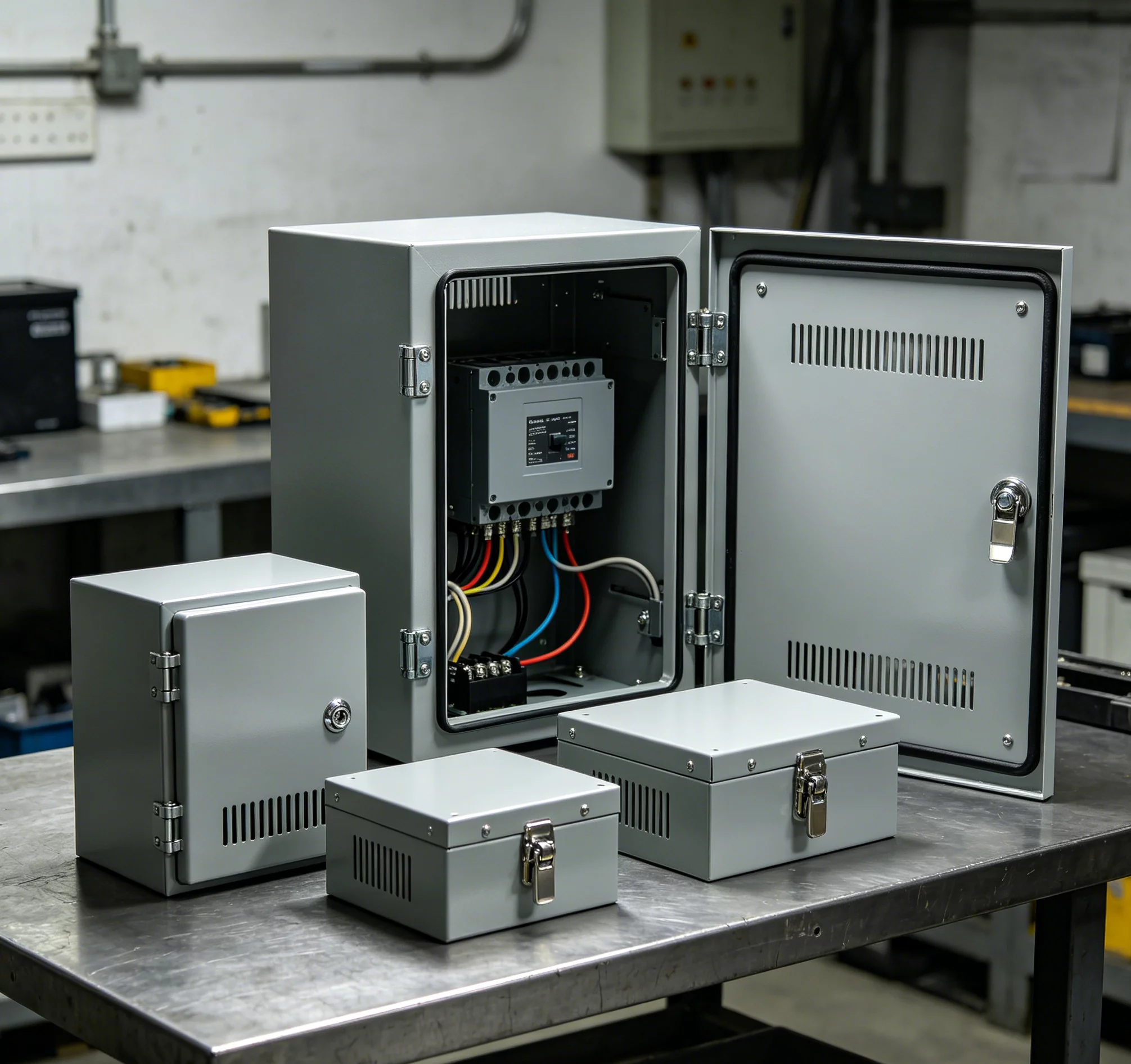
A CNC marketplace aggregates multiple Usinagem CNC shops under one platform. You upload 2D or 3D files, select material grade and tolerance class, and receive quotes that are directly comparable. The platform handles quote sorting, order tracking, and in many cases logistics coordination. Unlike a single-source contract, you retain the flexibility to split volume across partners. YPMFG operates within this ecosystem, offering peças usinadas production alongside engineering review and solução personalizada development for buyers who need more than catalog-standard output.
How CNC Marketplaces Work
The typical workflow follows four stages:
1. Upload and configure – submit CAD files, pick material, set tolerances
2. Receive quotes – multiple shops respond within 1 to 48 hours
3. Review and select – compare pricing, lead times, and certification data
4. Production and delivery – the platform tracks machining and shipping
Reading the table carefully matters. A quote that looks cheapest may exclude acabamento de superfície, post-processing, or dimensional inspection. Ask whether the listed price covers every line item in your specification before you accept.
Key Factors Before Choosing a CNC Marketplace
Not all platforms apply the same screening to their manufacturing partners. Before you commit, run through this checklist:
Rastreabilidade de materiais – Can the shop provide mill certificates or batch tracking for each lot?

Tolerance capability – Does the platform list the tightest achievable tolerance per process, such as turning, milling, or 5-axis?
Certification and compliance – Are ISO 9001, AS9100, or IATF 16949 independently verified, or self-reported?
Suporte de engenharia – Can you get a solução personalizada review before production, or only post-production fixes?
Inspection standards – What does “QA passed” actually mean? A full CMM report or a visual check?
YPMFG helps buyers who need a second set of eyes on these criteria. You can send your specifications for an engineering review before deciding whether the marketplace route or a direct contract fits your project.
Common Risks and How to Mitigate Them
Two risks appear most often in marketplace sourcing.
Inconsistent quality across shops. A prototype from Shop A may not match a production run from Shop B. Mitigate this by requesting a first-article inspection report and defining acceptance limits on your drawing before you upload.
Hidden lead-time shifts. A “five-day” quote can stretch when material allocation or shop capacity changes. Confirm whether the quoted lead time includes material procurement and acabamento de superfície, not just machining time.
In many cases, splitting a large order across two verified partners reduces single-point-of-failure risk. Just make sure both shops follow the same dimensional and material specification.
Perguntas que os compradores costumam fazer
Do I still need a tooling or jig quote for standard CNC parts?
Para a maioria dos padrões Peças usinadas por CNC, no dedicated tooling is required. Complex geometries or high-volume runs may need custom fixtures. Ask the shop whether the quoted price already includes fixture amortization.
Can a marketplace handle tight-tolerance aerospace or medical components?
Many platforms list shops capable of ±0.01 mm or better. Verify that the specific shop holds the relevant certification and that inspection reports ship with every lot. An avaliação de engenharia before ordering is strongly recommended.
What happens if the first sample fails inspection?
Reputable platforms include a rework or replacement clause. Confirm the terms in writing before the order. If the defect is material-related, the shop should supply a replacement with a new material certificate.
Is shipping included in the marketplace quote?
It varies by platform. Some quotes are DDP, others are FOB. Check the incoterm and packaging specification before accepting a price.
Finding the Right Fit for Your Project
A marketplace works well when you need speed, competitive pricing, and flexibility across a few different part families. It falls short when your project demands a single dedicated partner with long-term controle de qualidade commitments. YPMFG can help you compare both routes side by side. Send your drawings, material requirements, and target volume for a free engineering assessment. You will receive a feasibility note, recommended tolerances, and a transparent quote—no obligation attached.