Portuguese
 English
 German
 Russian
 Japanese
 Korean
 Spanish
 French
 Italian

Internal keyway broaching cuts a splined or rectangular channel in a single pass using a profiled pull tool. Straight broaches handle keyways up to roughly 50 mm in 304 ou 6061 stock, and the full cut completes in under 60 seconds on a standard hydraulic press.
Most CNC shops mill external keyways without trouble, but internal keyways stall projects. The bore is already constrained, so you cannot reach it with a standard end mill without undercuts or multi-setup work. Broaching removes that constraint, but only when material, depth-to-diameter ratio, and tolerance stack-up all check out before the tool is ordered.
YPMFG reviews keyway drawings against broach feasibility limits before quoting, so buyers avoid paying for a tool that cannot reach full depth.
Principais conclusões
- Depth-to-diameter ratio: Keep it under 5:1 for straight broaches; beyond that, pull force exceeds typical 10-ton press capacity.
- Material hardness ceiling: Standard HSS broaches cut steels up to about 45 HRC; above that, carbide-tipped tools or a different process is required.
- Faixa de tolerância: A clean broached keyway lands in the ISO 286 IT7 to IT8 range without secondary finishing.
- Ferramentas economics: A custom broach for a 12 mm keyway costs several times a matching carbide end mill, so break-even lands around 300 to 500 parts.
Broaching vs. Fresagem: Which Fits Your Keyway Spec?
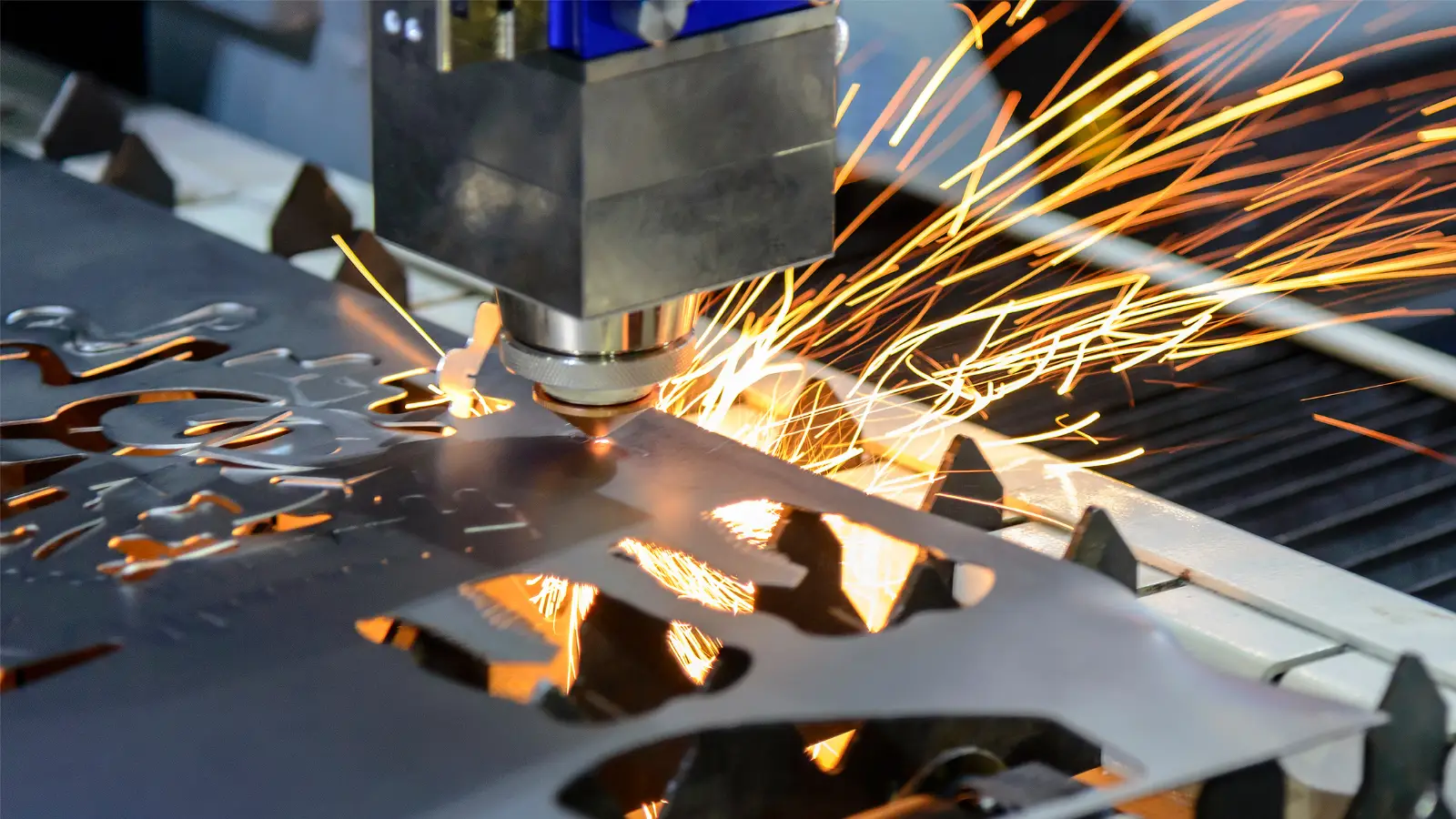
Broaching wins on cycle time and lot-to-lot consistency at volume. Milling wins on flexibility for one-offs and sub-Ra 1.6 specs.
What Determines Whether a Keyway Can Be Broached?
Three physical limits govern feasibility: depth-to-diameter ratio, material hardness, and entry-exit clearance. If any one fails, the job moves to milling or a hybrid route.
Straight broaches pull axially, so the tool needs a clean entry ramp and a through-hole or undercut at the exit. Helical broaches rotate while pulling, allowing a shorter entry chamfer but adding a rotation mechanism inside the tool. Shell broaches split into two to four segments and handle deep, narrow keyways where a single rigid body would buckle.
Material Hardness Limits
Standard HSS broaches cut 6061, 5052, and steels up to roughly 45 HRC. Above that hardness, carbide-tipped broaches become necessary, and per-part tooling cost climbs. Cast irons introduce abrasive wear that shortens broach life, so economics shift toward milling.
The hard ceiling: a broach cannot hold geometry in material harder than its own teeth. If the spec calls for 52 HRC hardened steel, tolerância de usinagem CNC control on a milled keyway is the realistic path.
Which Broach Style Matches Your Geometry?
Geometry drives broach selection more than material. A rectangular keyway in a through-hole is a textbook straight-broach job. A spline with 8 or 10 teeth needs a profiled or shell broach. A keyway with a curved root or asymmetric profile may fall outside broach capability entirely.
- Straight pull broach: rectangular or simple spline keyways, depth to 50 mm, through-hole preferred.
- Helical broach: shorter entry chamfer, works in blind holes, slower cycle due to rotation.
- Shell broach: splits into segments, handles deep narrow keyways, most complex tooling.
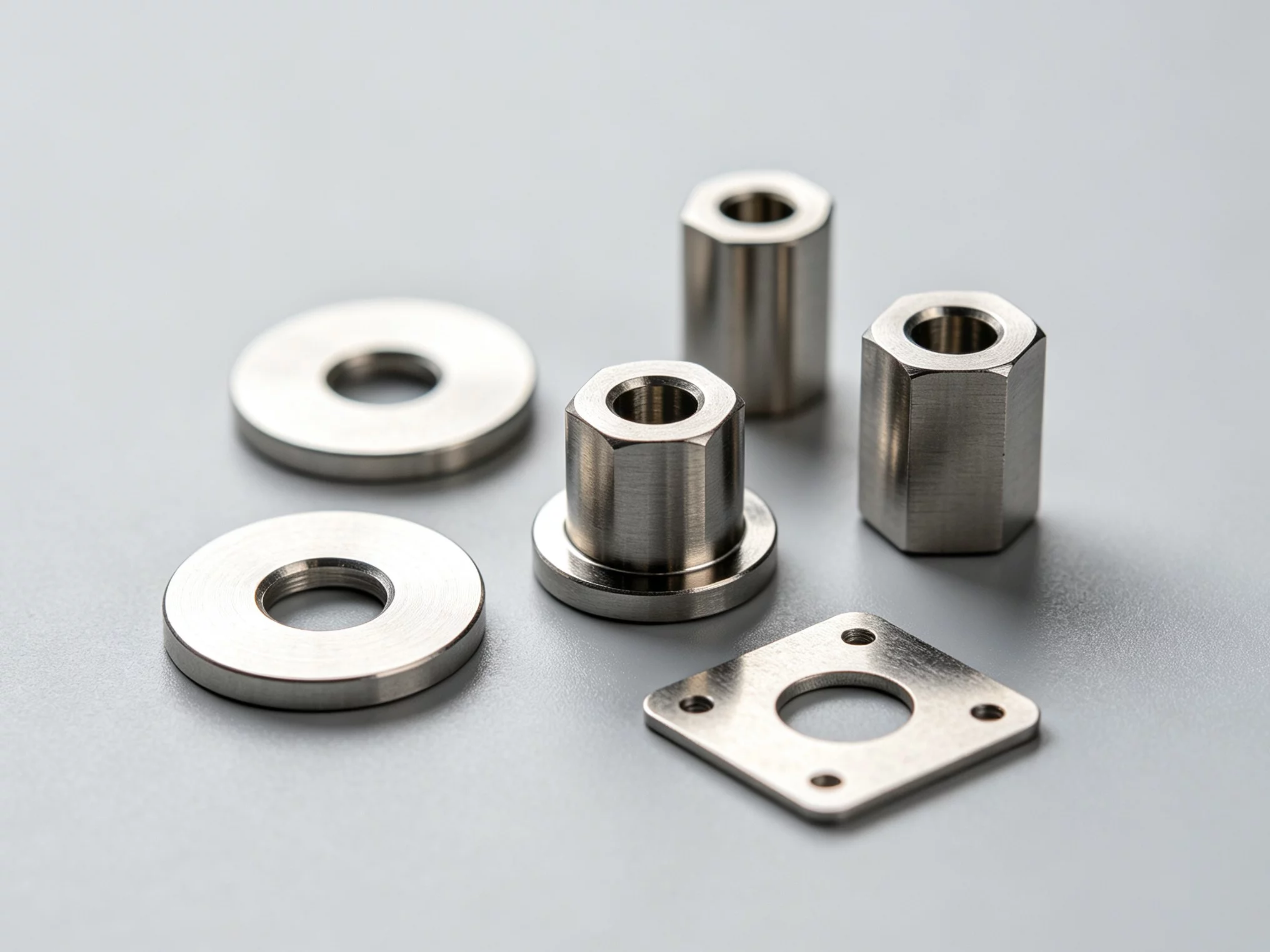
YPMFG can review your drawing against these categories and flag geometry conflicts before you commit to a tool order.
O que Tolerâncias Can a Broached Keyway Hold?
A broached keyway typically lands in the IT7 to IT8 band per ISO 286 without any secondary operation. That covers standard power-transmission shafts. If the spec demands IT6 or tighter, broaching alone will not get there, and a lapping or grinding follow-up is needed.
Surface finish follows tooth geometry. A straight broach with 0.5 mm tooth spacing gives Ra 1.6 to 3.2. Helical broaches produce a slightly finer finish because the cutting path is a helix. Finish degrades as broach wear accumulates,so tool-life tracking matters on long runs. The physical limit: you cannot broach below the geometric floor set by tooth spacing and rake angle. Anything finer requires a separate finishing operation.
Where Do Most Internal Keyway Jobs Fail?
The most common failure is ordering the broach before verifying the pre-machined bore. If the bore is off-center by more than 0.1 mm, the broach binds, chips a tooth, and the tool is scrap. A second frequent issue is skipping the exit undercut: without a relief counterbore, the last few teeth rub instead of cut, burning the surface finish.
Third, material mix-ups. A batch of 316L stock mislabeled as 304 changes chip behavior. The 316L work-hardens faster, heat builds differently, and finish drifts out of spec by the 200th part. Always confirm material certificates before loading the press. The limit here is straightforward: no broach design compensates for a wrong material call, and rework after a bad batch means scrapping the lot.
How YPMFG Validates a Keyway Broaching Job Before It Ships
Every internal keyway part goes through a first-article inspection against the drawing before the production run starts. The FAI checks keyway width, depth, position relative to bore centerline, and surface finish with a profilometer.
During the run, in-process sampling pulls every 25th part for width and depth checks on a CMM. Finished parts are batch-retained for 30 days. The inspection report travels with the shipment, and raw material certificates are included when the order specifies traceability.
Quality System Reference: ISO 9001:2015. Tooling data cross-checked against published HSS and carbide broach manufacturer handbooks.
Common Questions Before Choosing a Keyway Process
Can a broach make a keyway in a blind hole? No. Straight broaches require a through-hole or an exit undercut. Helical broaches can work in blind holes but need a longer cycle. If your hole is blind and deep, milling is usually the safer route.
What is the minimum bore diameter for broaching? It cannot go below roughly 8 mm for a practical straight broach. Below that, the tool-to-bore ratio becomes too tight and chip evacuation fails. For bores under 8 mm, a micro-broach or milling is the realistic option.
How does material choice affect broach life? Stainless grades like 316L work-harden and increase tooth wear. Aluminum like 6061 cuts cleanly and extends tool life. Cast iron is the harshest. Depending on application, tool life can vary by several hundred parts between these materials.
Is broaching worth it for 50 parts? Typically no. The custom tooling cost amortizes around 300 to 500 parts. For 50 parts, a multi-setup milling operation on a CNC de 5 eixos machine is usually cheaper overall.
Need Help Selecting the Right Process for Your Keyway?
The core value of broaching is speed and lot-to-lot consistency: one pass, no re-fixturing, a stable IT7 to IT8 finish at volume. But it has hard limits in depth, hardness, and geometry that a drawing review should catch before tooling is ordered.
Send your keyway drawing and material specification to YPMFG for an engineering review. The team confirms broach feasibility, flags undercut or tolerance conflicts, and recommends whether broaching, milling, or a hybrid route fits your quantity and spec. You receive a written assessment with tooling lead time and a per-part cost band before committing.
No minimum project size for the review. If the geometry falls outside broach range, you will know in one cycle rather than after a custom tool is machined and sitting unused.