Portuguese
 English
 German
 Russian
 Japanese
 Korean
 Spanish
 French
 Italian

Unrelieved residual stress in cast or forged aluminum causes measurable dimensional shift after machining. One controlled stress-relief cycle at the alloy-specific temperature removes most stored energy before your CNC machining aluminum tolerances are cut. Without that step, the part will move in storage or under load.
Buyers ordering alumínio 6061 brackets, housings, and fixtures keep hitting the same wall: the part reads to spec at final inspection, then shifts over the following weeks. The root cause is residual stress trapped during casting, extrusion, or forming. YPMFG flags this during the DFM review so the heat-treatment step is sequenced before final machining. That one change protects your tolerância de usinagem and cuts scrap.
Principais conclusões
- Sequencing: Run stress relief after rough milling and before finish passes. Cutting into stressed material locks the distortion in.
- Alloy-dependent cycle: Temperature and hold time differ between 6061, 7075, and cast A356. Check the supplier’s published data sheet.
- Verification: A FAI after the relief cycle confirms the part has stabilized before you commit to the final cut.
Should You Stress Relieve Every Aluminum Part?
Not every part needs it. A small 6061-T6 fastener with thick walls will not shift meaningfully. A thin-walled 7075 fixture or a large cast housing will. The decision comes down to wall thickness, prior forming step, and your required tolerance class.
Parts machined from cast or forged stock carry the highest residual stress. Extruded bar is lower risk but still benefits from a short relief cycle if your drawing calls tighter than ISO 2768-mK. YPMFG engineers map the stress profile in the DFM review and flag which operations need a thermal break.
If your part sits in a warehouse for weeks before assembly, or carries a dynamic load in service, the relief cycle is not optional. It is the cheapest insurance you will buy for that order.
What Temperature and Hold Time Actually Matter?
Reading the Alloy Data Sheet
The cycle is not one-size-fits-all across alloys. 6061, 7075, and cast A356 each have different precipitation kinetics. Run the temperature too high and you age the alloy prematurely, losing yield strength. Run the hold too short and the stress stays locked in the lattice.
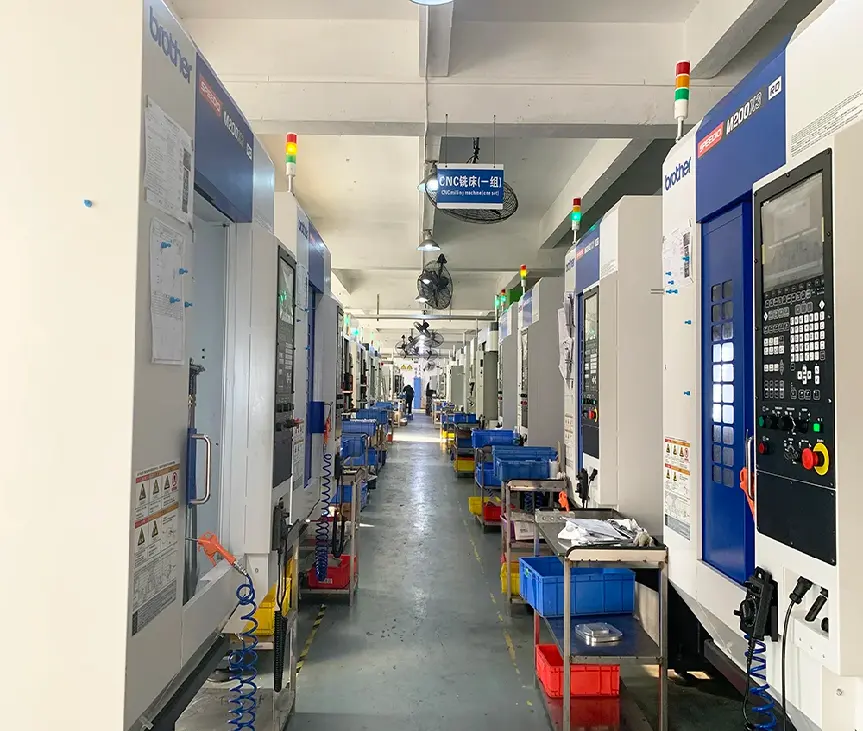
For wrought aluminum bar, a typical low-temperature stress-relief hold lands between 150 and 175 °C, depending on alloy and starting temper. Cast aluminum often needs a longer window. The safe move is to pull the cycle from the material supplier’s published data sheet for your exact stock, not from a generic textbook.
Sequencing the Thermal Break
Place the cycle after your roughing pass removes the bulk of stock, and before the finish pass that establishes your final dimensions. YPMFG can walk you through the right sequence for your alloy and temper. Send your material cert and drawing, and our engineers will confirm the cycle before the first chip is cut.
Referência da rota do processo: biblioteca de processos YPMFG, revisada com base nos dados publicados sobre ferramentas. Dados específicos do cliente não divulgados, em conformidade com o acordo de confidencialidade (NDA).
How Stress Relief Changes Your Final Tolerances
A part that is stress-relieved before finish machining holds its dimensions. The lattice is already relaxed, so the cutting forces in your final pass do not add new distortion. In practice, this means the dimensional stability you measure at inspection is the same value the part will show six months later in the customer’s warehouse.
Skip the relief and you are machining into a spring that wants to snap back. Thin walls warp. Bores go out of round. Flatness on a large plate shifts. The tolerance you programmed into the CNC path was correct, but the material fought it. Your scrap rate climbs because the part passed roughing but failed final.
The physical limit here is that no thermal cycle removes 100 percent of residual stress. You reduce it to a level below your tolerance band. If your drawing calls for a class tighter than the alloy can hold after relief, you need a different material or a design revision, not a longer bake.
Quality System Reference: ISO 9001:2015 / IATF 16949 / ISO 13485.
Common Questions About Aluminum Stress Relief
Q: Does the cycle change the mechanical properties of 6061? A high-temperature pass that crosses into the aging range will reduce yield strength toward the O-temper value. A low-temperature relief under 175 °C keeps properties essentially unchanged. Confirm the cycle against your alloy’s published data sheet before you schedule the run.
Q: Can I skip stress relief on a small part? No. Size does not eliminate the risk. A thin 7075 plate carries enough stored forming energy to shift your tightest tolerance, even at a modest part size. Stress scales with the energy input during extrusion or casting, not with final geometry.
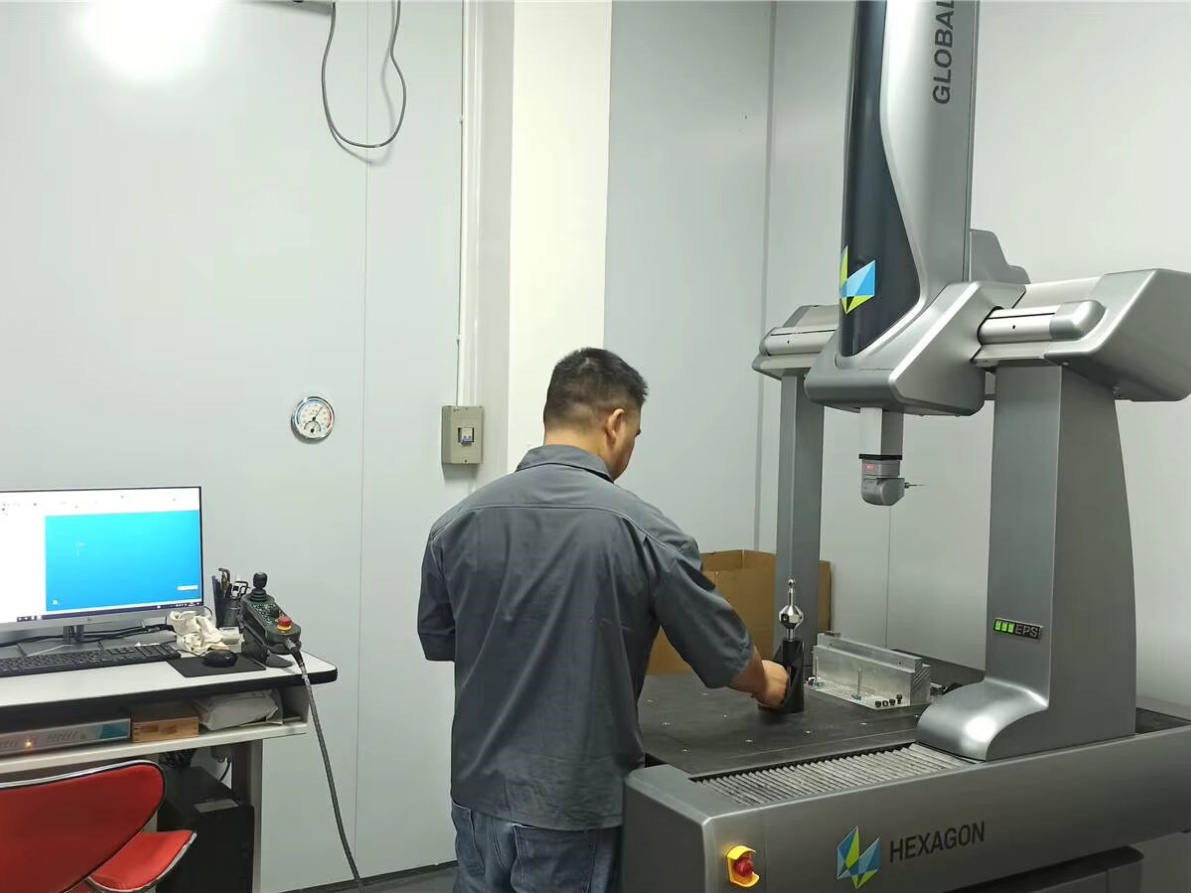
Q: How do I verify the relief actually worked? Measure the critical dimensions, wait 72 hours, measure again. If the delta sits inside your tolerance band, the cycle was adequate. YPMFG includes this stabilization check in the FAI report when the buyer requests it on the PO.
Choosing the Right Heat Treatment Route
The core value is straightforward: one thermal cycle between roughing and finish machining saves you from a batch of parts that drift out of spec on the customer’s bench. It is cheaper to run the furnace once than to re-machine thirty parts that warped in storage.
If you are not sure whether your alloy, temper, and geometry call for a stress-relief step, send your drawings and material certs to YPMFG for an engineering review. Our team will confirm the sequence, flag the risk windows, and document the cycle so your incoming QC has a clear reference. That is the fastest path to a part that stays where you put it.