 Portuguese
  English
  German
  Russian
  Japanese
  Korean
  Spanish
  French
  Italian
 Resposta rápida:
A máquina CNC works by converting digital design files into precise physical parts through automated cutting, drilling, or molding processes. The computer controls tool movement with extreme accuracy, following programmed instructions to remove material from a workpiece. This method delivers consistent results for both prototyping and mass production across industries like aerospace, automotive,and medical devices.
When engineers first encounter CNC technology, they often need clarity on how digital designs translate into finished parts. Understanding the working principle helps buyers evaluate machine capabilities, estimate costs, and select the right manufacturing partner for their specific application requirements.
What Is CNC Machining?
CNC stands for Computer Numerical Control. It refers to automated machining processes where pre-programmed software dictates the movement of tools and machinery. Unlike manual machining that relies on operator skill, CNC systems execute tasks with repeatability that human hands cannot consistently match.
The foundation of CNC machining begins with a CAD file. Engineers design parts in three-dimensional modeling software before transferring those designs to CAM programs. These programs generate toolpaths that the machine reads and follows during production.
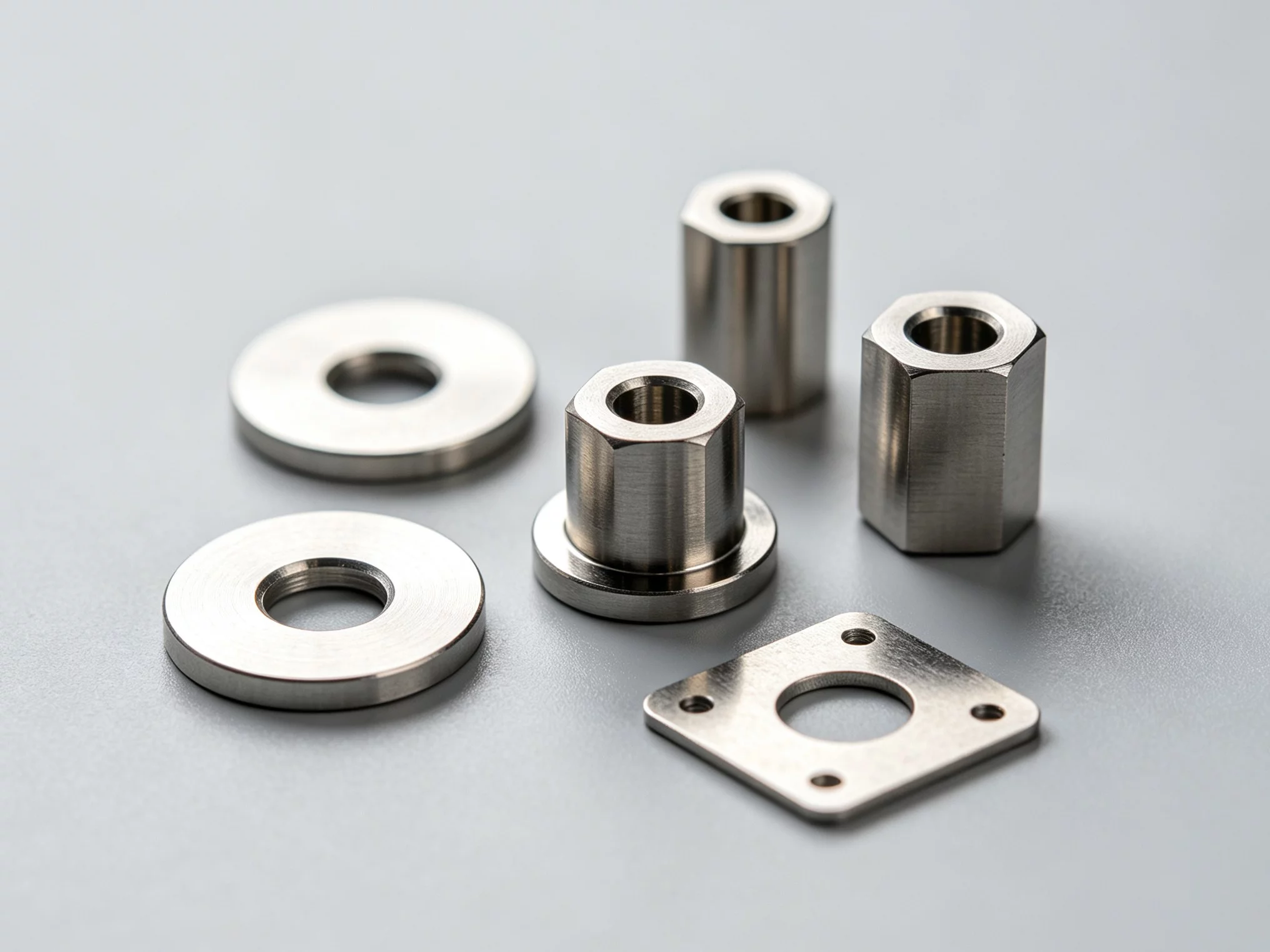
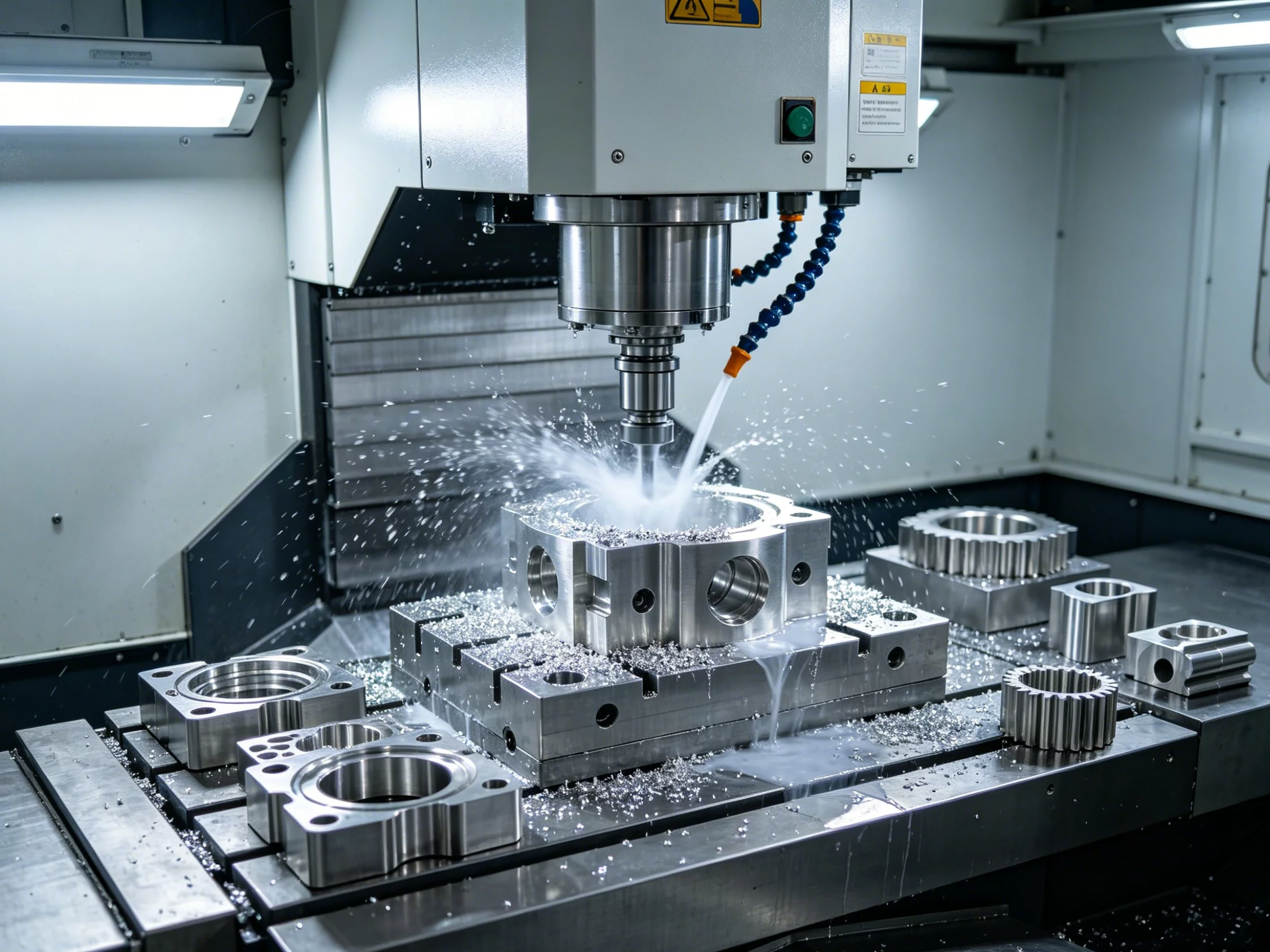
Usinagem CNC encompasses several processes including milling, turning, drilling, and grinding. Each process removes material using rotating cutting tools or specialized equipment. Modern systems combine multiple operations in single setups, reducing handling time and improving dimensional accuracy.
Core Working Principle of CNC Machines
The working cycle follows a predictable sequence from design input to finished part. First, operators create or import a digital model into the machine controller. Second, the system calculates optimal toolpaths based on material type and desired tolerances. Third, the machine executes these paths while continuously monitoring position and speed.
Three fundamental components drive the entire process. The control system interprets code and sends commands. The machine structure provides rigid support during cutting operations. The spindle holds and rotates cutting tools at controlled speeds.
These elements work together through coordinated motion along three or more axes. Linear movements control X, Y, and Z directions. Rotary tables add A, B, or C axis capability for complex geometries. Operators select appropriate parameters for each operation based on material properties and surface finish requirements.
Main Types of CNC Machines
Different machine types serve distinct manufacturing needs. Understanding these variations helps buyers specify the correct equipment for their applications.
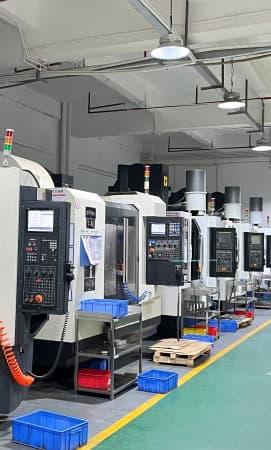
Each machine type requires different tooling configurations and setup procedures. Selection depends on part geometry, material hardness, surface quality targets, and production volume. Fresagem CNC serviços handle the broadest range of part shapes, while lathes specialize in rotational symmetry.
Factors That Influence CNC Machining Quality
Multiple variables determine final part quality beyond basic machine selection. Tool condition directly affects surface finish and dimensional stability. Dull cutting edges produce poor finishes and increase cutting forces unnecessarily.
Machine calibration establishes baseline accuracy. Thermal growth during extended runs shifts spindle position slightly. High-end facilities compensate through temperature control and periodic calibration schedules. Regular maintenance prevents cumulative errors from degrading performance over time.
Material selection impacts both machinability and final properties. Ligas de alumínio cut quickly but require sharp tools to avoid material buildup. Stainless steels generate heat during cutting and demand slower speeds with proper coolant delivery. Plastics conduct heat poorly, requiring different strategies than metals.
CNC tolerance specifications guide quality expectations. Standard milling achieves tolerances around ±0.005 inches. Tighter requirements up to ±0.001 inches demand specialized processes, better tooling, and controlled environments. Projects requiring extreme precision should verify capabilities before committing to production.
The Role of Programming in CNC Operations
G-code serves as the universal language between designers and machines. This programming format communicates exact positions, feed rates, spindle speeds, and tool changes. Modern CAM software automates most code generation, reducing manual programming errors significantly.
Program optimization affects cycle time and tool life. Efficient toolpaths minimize unnecessary movements and reduce air cutting. Proper entry and exit strategies prevent material defects at touch points. Seasoned programmers balance speed against surface quality requirements for each operation.
Verification through simulation prevents costly collisions before cutting begins. Software checks tool clearance, detects interference, and estimates cycle time. Physical test runs on scrap material catch issues that simulations might miss. Smart manufacturers use both approaches to validate programs before full production starts.
CNC vs Traditional Manual Machining
The comparison reveals clear advantages for production environments. Manual machining relies on operator technique for each cut. Consistency varies between operators and shifts. CNC systems execute identical programs repeatedly without fatigue or variation.
Setup time differs substantially between methods. Manual operations require skilled technicians to position stock and adjust controls manually. CNC machines use preset fixtures and automated tool changers. First-part verification determines program correctness before batch execution.
Cost structure changes with volume. Low quantities favor manual machining due to lower setup costs. High volumes benefit from CNC automation through reduced labor per part and faster cycle times. Hybrid approaches sometimes combine manual finishing with CNC roughing for optimal economics.
CNC manufacturing advantages become clearer when evaluating total project cost. Quality consistency reduces scrap and rework expenses. repeatability supports complex assemblies requiring matching components. Automated monitoring lowers direct labor requirements per unit produced.
Practical Considerations for CNC Part Design
Design choices directly affect manufacturability and cost. Sharp internal corners require end mill diameter size limits. No tool creates a perfect ninety-degree internal corner. Designers should specify fillets matching standard tool sizes whenever possible.
Deep cavities challenge tool accessibility. Long-reach cutters vibrate more than short tools. This vibration affects surface finish and dimensional accuracy. Deep hole drilling requires specialized tooling and slower feeds to prevent deflection and breakage.
Wall thickness influences coolant flow and chip evacuation. Thin walls vibrate during cutting and may require special fixturing. Heavy walls generate more heat and require adequate coolant delivery to tool tip. Material removal rates determine cycle time more than any other single factor.
Common Challenges in CNC Machining
Operators encounter predictable issues during production runs. Tool wear gradually changes dimensions until replacement becomes necessary. Automatic tool changers help maintain consistency by swapping worn inserts before quality drops below acceptable levels.
Chip management requires careful attention. Poor chip evacuation causes recutting, surface damage, and potential tool breakage. Flood coolant systems flush chips away from cutting zones. Air blast systems suit materials that dislike moisture contamination.
Thermal expansion affects precision work. Spindle heat grows during extended operation. Workpiece temperature changes alter dimensions measurably. Production runs exceeding four hours often require pause periods or continuous coolant monitoring to maintain accuracy within specification limits.
How YPMFG Supports Your CNC Projects
YPMFG provides comprehensive CNC machining services covering design review, material selection, and production execution. Their engineering team evaluates part drawings for manufacturability before quoting. This approach identifies potential issues early and suggests design improvements that reduce cost without sacrificing function.
Material expertise spans aluminum, stainless steel, titanium, brass, and engineering plastics. Each material requires specific tooling and parameter sets. Experienced operators select configurations that balance speed, finish quality, and tool life for each application.
Fabricação de componentes por CNC at YPMFG includes prototype runs and production batches. Quick turnaround supports urgent development timelines. Volume pricing structures accommodate ongoing supply needs. Technical documentation accompanies shipments for traceability and quality records.
Questions Buyers Often Ask About CNC Machines
What tolerances can CNC machines achieve?
Standard CNC milling reaches ±0.005 inches typically. Specialized equipment and processes achieve ±0.001 inches or tighter. Requirements above standard tolerance levels require explicit discussion during engineering review and may affect pricing significantly.
How long does a typical CNC project take?
Lead times vary by part complexity and quantity. Simple prototypes often ship within five business days. Complex multi-operation parts may require two to three weeks. Rush services exist for urgent needs but carry premium pricing adjustments.
What materials work best for CNC machining?
Aluminum 6061 and 7075 remain popular choices for general applications. Stainless steel 304 and 316 serve corrosion-resistant requirements. Titanium offers strength-to-weight advantages for aerospace uses. Plastics like Delrin and PEEK suit lightweight, low-friction applications.
How do I ensure quality from a CNC supplier?
Request documented quality procedures before ordering. In-process inspection reports provide visibility during production. Coordinate measurement results confirm critical dimensions meet specification. Clear communication about acceptable deviation ranges prevents misunderstanding about final part acceptance.
Tomando uma decisão melhor a longo prazo
Understanding cnc machine working principles empowers buyers to evaluate suppliers intelligently and specify realistic requirements. Quality CNC parts result from proper design, appropriate material selection, skilled programming, and experienced operation. Each element influences final outcomes measurably.
Manufacturers who grasp these fundamentals communicate more effectively with production teams. They ask better questions during RFQ processes and make informed decisions about supplier capabilities. This knowledge reduces procurement risk and supports successful project outcomes across diverse applications.
When ready to move forward, send your drawings and specifications to YPMFG for engineering evaluation and competitive quoting. Their team provides technical recommendations, material suggestions, and realistic timeline estimates tailored to your specific part requirements and production goals.