 Portuguese
  English
  German
  Russian
  Japanese
  Korean
  Spanish
  French
  Italian
 Resposta rápida:
Custom CNC brass parts are precision-machined components produced from free-cutting brass alloys such as C360, C377, or C385 using three- or five-axis CNC machines. Before placing an order, verify material grade, Tolerâncias na usinagem CNC, requisitos de acabamento superficial, and thread specifications. These four parameters determine whether the part seats correctly in your assembly, holds up under thermal or electrical load, and avoids costly rework. For prototyping and small-batch runs, confirm minimum order quantity and realistic lead time with your machining partner before committing.
Most buyers of custom CNC brass parts face the same issue: the spec sheet looks complete on paper, but the finished piece does not mate with the housing, the thread is slightly off, or the surface finish fails incoming inspection. The gap usually sits in how the specification was translated into actual machine parameters and fixturing.
What Makes Brass the Right CNC Material
Brass is preferred over aluminum or steel when a part needs electrical conductivity, corrosion resistance, and clean machinability in one material. The copper-zinc alloy family cuts with low tool wear, holds fine detail, and does not demand the high spindle speeds that hardened steel or titanium require.
In B2B applications, brass material grades show up in electrical connectors, valve bodies, sensor housings,and decorative hardware. C360 (free-cutting brass) is the most widely machined option because its lead content improves chip breakage and surface finish. C377 and C385 trade some machinability for higher tensile strength or a tighter alloy composition.
Key Specifications to Lock Down Before Ordering
A buyer who sends only a 2D drawing without defining critical tolerances, datum points, and material certification leaves the shop room to interpret. The result is a part that technically meets “standard” but fails in your assembly.
Check the following before submitting your drawing or CAD file:

Material grade and alloy certification (e.g., C36000 vs. C36001, with heat-number traceability)
Critical dimensions and tolerance class (IT6, IT7, or tighter where the function demands it)
Thread specification (UNF, UNC, metric M, thread depth, hand-tight or torque-fit)
Surface finish in micro-inch Ra value, plus any plating or passivation
Quantity and inspection report type (FAI, SPC, or in-process checks)
YPMFG can review your drawing package and flag missing critical tolerances or ambiguous features before machining begins. A quick revisão de engenharia at this stage saves days of rework later.
Tolerance, Finish, and Surface Treatment
Standard CNC brass machining typically holds ±0.01 mm on most linear features with a well-maintained machine and proper fixturing. Thread features and very small bores may push that to ±0.02 mm without dedicated gauging. If your application calls for tighter control, ask whether the shop uses CMM inspection or in-process SPC on the critical dimensions.
Surface finish on brass is often achieved through the machining operation itself. A Ra of 1.6–3.2 µm is achievable on flat faces without a secondary step. Smoother finishes (Ra 0.4–0.8 µm) usually require sandblasting, polishing, or nickel or zinc plating. Confirm whether that extra step adds to lead time and cost, and whether your corrosion or appearance requirements actually need it.

Cost Factors Worth Tracking
The unit price of a brass CNC part is only one line in the total cost of ownership. Several hidden drivers shift the total quickly:
YPMFG supports buyers who want to compare your current solution against a revised spec before committing to a full production run. Sending your part drawing or 3D model for a quote and feasibility check is the fastest way to lock in realistic pricing.
Common Questions About Custom Brass CNC Parts
Can brass CNC parts be plated for corrosion resistance?
Yes. Nickel, zinc, and chrome plating are common secondary treatments. Confirm the plating spec (thickness, adhesion test method) with your supplier, as it affects both cost and lead time.
What is the smallest feature size achievable in brass?
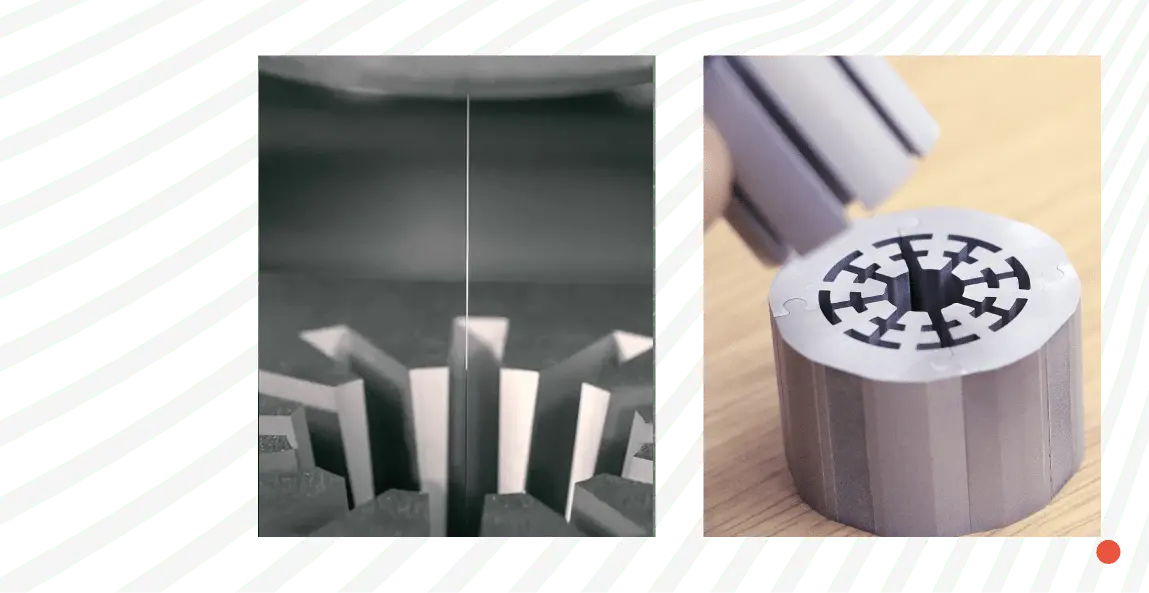
With standard 3-axis CNC, hole diameters down to about 0.5 mm and wall thicknesses around 0.3 mm are practical. Micro-CNC or wire EDM may be needed for finer features.
Do I need a material cert for every batch?
For most B2B and industrial applications, a mill cert or heat-number traceability document is standard. Ask whether your supplier includes it in the delivery package at no extra charge.
How does brass compare to aluminum for the same part geometry?
Brass is denser (about 8.5 g/cm³ vs. 2.7 g/cm³), so it is heavier. It also conducts electricity better and resists corrosion more strongly. The trade-off is material cost and part weight.
What lead time should I expect for a custom brass CNC order?
For a first article plus 50–500 units, two to four weeks is typical depending on part complexity and shop queue. Plating or coating can add another three to five days.
Finding the Right Fit for Your Project
The goal of sourcing custom CNC brass parts is not the lowest unit price; it is a part that passes incoming inspection on the first shipment, fits your assembly, and performs over its service life. That starts with a clean, fully defined spec and a machining partner who will push back on ambiguous features.
If you have a drawing, 3D model, or even a rough sketch, you can send it to YPMFG for a brass part selection review, tolerance feasibility check, and transparent quote. There is no minimum order threshold for the initial conversation.