 Russian
  English
  German
  Japanese
  Korean
  Spanish
  French
  Italian
  Portuguese
 Краткий ответ:
Hard turning replaces grinding for hardened steel parts when hardness reaches 45 to 65 HRC. The process uses CBN or ceramic cutting tools to machine already hardened material in a single setup. This approach reduces lead time and cost while maintaining tight tolerances within plus or minus 0.005 inches. The main limitation is that hard turning cannot produce the same отделка поверхности as grinding, and tool wear increases significantly at higher hardness levels. For most production runs above fifty parts, hard turning becomes the more economical choice.
When engineering a component from hardened steel, choosing between traditional grinding and modern hard turning directly impacts your project timeline and unit cost. Many procurement managers face the same dilemma: grinding delivers superior surface quality but requires additional setups and longer cycle times, while hard turning offers efficiency but may not meet every geometric requirement. Understanding when each process applies helps you make the right call for your specific part geometry, batch size, and performance criteria.
YPMFG supports engineers and buyers who need precision components from through-hardened or case-hardened steel. Whether you are working with AISI 4140, 4340,D2 tool steel, or bearing-grade materials like 52100, the decision to turn hardened steel depends on hardness level, part diameter, tolerance stack, and acceptable surface roughness. Below is a practical guide to help you evaluate whether hard turning after heat treatment fits your application.
What Is Hard Turning and How Does It Differ from Conventional Turning
Hard turning is a machining process that cuts steel after it has been heat treated to a high hardness state. Conventional turning works on annealed or normalized material typically below 30 HRC. Once steel exceeds 45 HRC, standard HSS or carbide inserts lose effectiveness and wear out rapidly. Hard turning uses specialized abrasive cutting tools capable of slicing through this hardened microstructure.
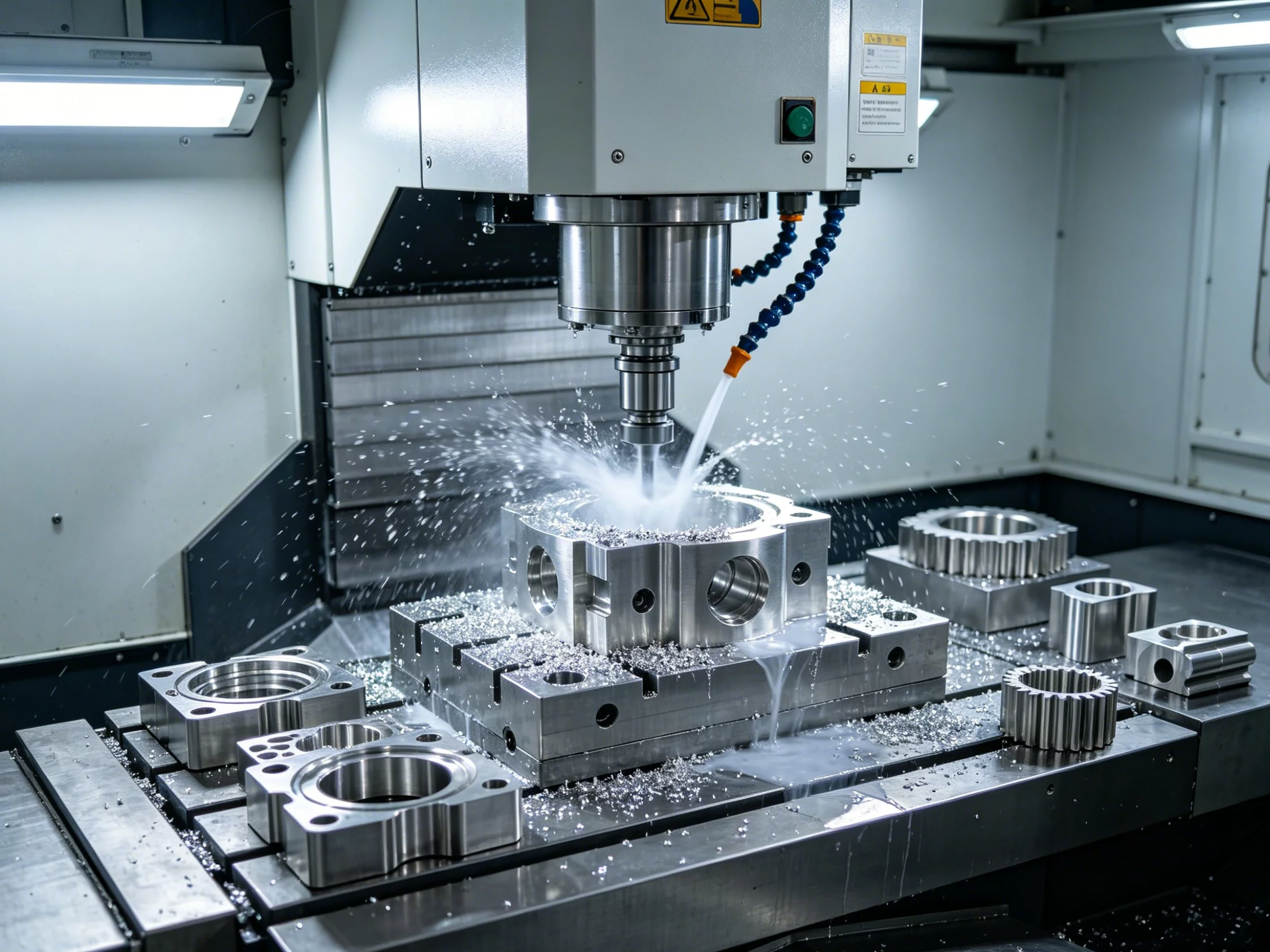
The process works on CNC lathes or multitasking centers equipped with rigid spindles and high horsepower drives. The machine removes material in small depths of cut, usually ranging from 0.005 to 0.020 inches per pass. Multiple passes build up to the final dimension while managing heat and tool life. Coolant delivery varies by material and insert type. Some operations use high-pressure flood coolant while others run dry or with minimal lubrication to avoid thermal shock on the CBN edge.
What makes hard turning valuable is its ability to replace secondary grinding operations. Instead of turning soft, heat treating, and then grinding to final dimension, a manufacturer can turn soft, harden, then hard turn in one continuous workflow. This consolidation reduces handling errors and shortens the overall production schedule. However, CBN tooling costs remain substantially higher than standard carbide inserts, which shifts the economics depending on batch volume and part complexity.
When to Choose Hard Turning Over Grinding
The decision between hard turning and grinding hinges on part geometry, tolerance requirements, and production volume. Grinding excels at producing cylindrical surfaces with exceptional roundness and surface finishes below ten microinch Ra. It is the preferred method for bearing seats, hydraulic rod ends, and precision shafts where surface integrity is critical. Hard turning cannot always match these finish levels without additional polishing or superfinishing.
Hard turning becomes the stronger option when you need combined features on a single setup. If a part requires external diameters, threads, grooves, tapers, and facing all on the outer profile, hard turning accomplishes this in one clamp. Grinding typically handles one surface at a time, meaning multiple fixturing operations add cost and accumulation of error. For parts with complex profiles beyond simple cylinders, hard turning reduces fixture count and improves consistency across the batch.
Production volume also plays a decisive role. For low-volume prototyping or short runs under twenty parts, grinding may be more cost-effective because tooling expense spreads across fewer units. For medium to high volumes above fifty to one hundred pieces, hard turning absorbs the initial tooling investment and delivers lower per-part cost over time. The breakeven point varies by material hardness, part size, and machine availability, so running a side-by-side cost model before committing is always wise.
Material Selection for Hard Turning Operations
Not all hardened steels machine equally well. Some alloys respond better to hard turning due to their chemical composition and resulting microstructure after heat treatment. Selection of the right material pairings with the right insert grade directly influences tool life, surface quality, and dimensional stability.
AISI 4140 and 4340 are among the most commonly hard-turned materials. These medium-carbon alloy steels respond well to quench and temper processes, achieving uniform hardness across the section. They typically harden to between 45 and 58 HRC after proper heat treatment, falling squarely in the sweet spot for hard turning. These grades are widely used in gears, spindles, axles, and high-strength shafts.
Tool steels like D2 and O1 present additional challenges. D2 is a high-carbon high-chromium air-hardening steel that can reach 58 to 62 HRC. Its carbide-forming elements create abrasive wear on cutting edges, reducing insert life significantly. O1 oil-hardens to slightly lower hardness but still requires careful parameter selection. Bearing steels such as 52100 harden to 60 to 65 HRC and are frequently hard-turned for precision ball and roller bearing races, though they demand premium CBN grades and conservative cutting conditions.
Нержавеющая стальs in the 400 series, including 410 and 420, can be hardened to 40 to 50 HRC and turned, but they tend to work-harden at the surface layer. This means the first few passes may see increased tool engagement forces before the material stabilizes. Choosing an insert with sufficient toughness prevents chipping under these conditions.
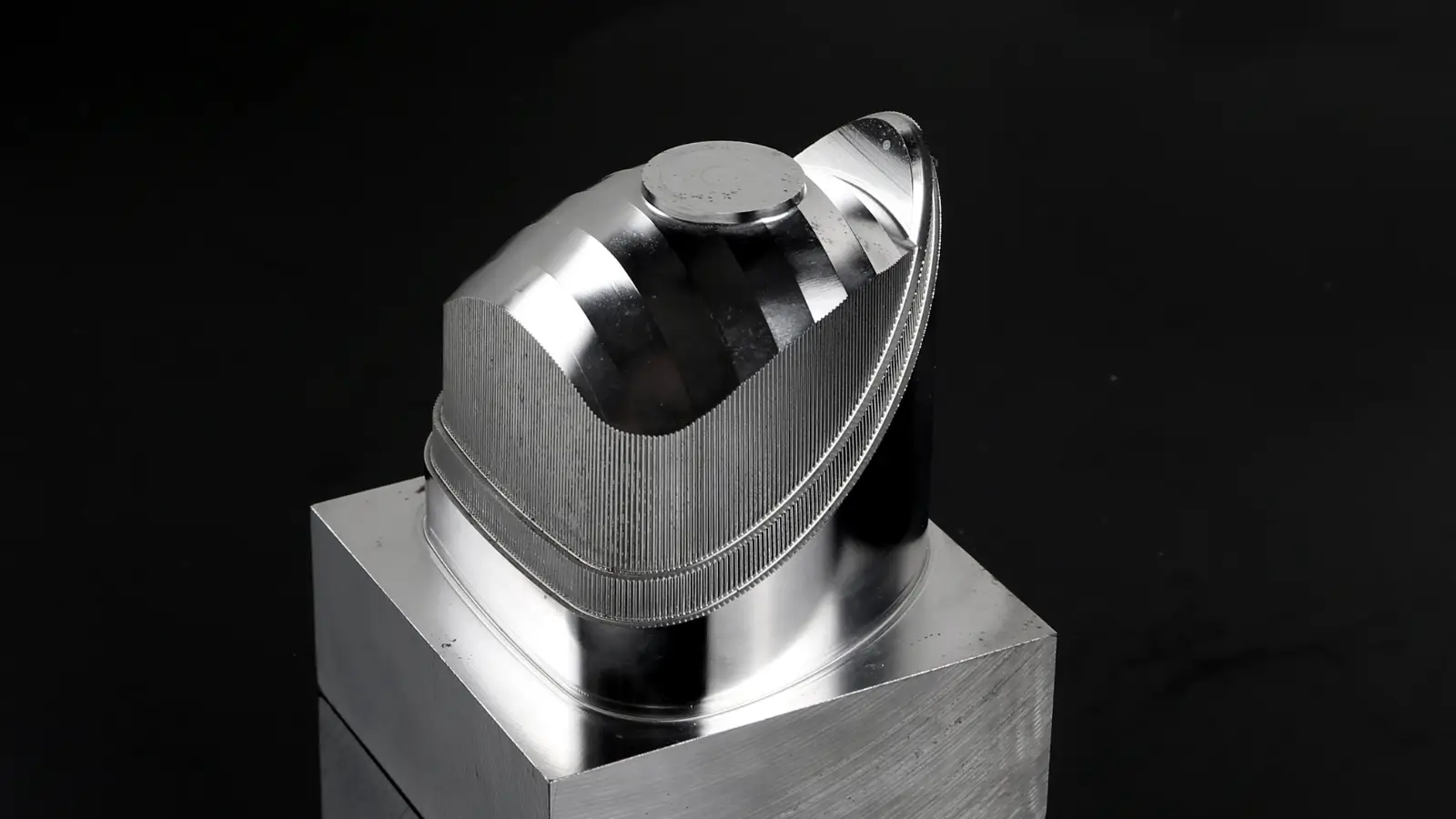
Each material demands parameter adjustments. Harder materials require slower cutting speeds and lighter feeds. A general rule is to reduce surface feet per minute by roughly one-third for every five-point increase in HRC above 50. Always verify recommended parameters with the insert manufacturer’s application guide before running first articles.
Tooling Options for Hard Turning
Tool selection is the single most influential factor in hard turning success. The two primary options are cubic boron nitride inserts and ceramic inserts, each with distinct advantages depending on material, hardness, and machine condition.
CBN inserts contain synthetic cubic boron nitride, the second hardest known material after diamond. CBN outperforms diamond on ferrous materials because diamond reacts chemically with iron at high cutting temperatures. CBN maintains chemical stability when machining steel, making it the default choice for most hard turning applications above 50 HRC. Modern CBN grades come in various particle sizes and binder systems. Fine-grain CBN delivers better surface finish while coarse-grain grades resist chipping on interrupted cuts or inconsistent stock allowance.
Ceramic inserts, particularly stabilized zirconia and silicon nitride formulations, offer an alternative for specific situations. Ceramics handle higher cutting temperatures and maintain edge integrity at elevated speeds. They excel when machining cast iron or certain hardened stainless grades where CBN may not provide optimal performance. However, ceramics are more brittle and less suitable for interrupted cuts common in turned parts with keyways or cross holes.
Both insert types come in various geometries and edge preparations. Positive rake angles reduce cutting forces and are preferred on rigid machine tool combinations. Negative rake inserts provide a stronger cutting edge for unstable setups or materials with hard scale layers. Edge honing or chip breaker geometry selection further refines the balance between surface finish and tool life.
When evaluating insert cost, look beyond unit price. Calculate cost per part by dividing insert price by the number of parts machined before replacement. A cheaper insert that lasts five hundred parts may cost more per component than a premium CBN insert lasting three thousand parts.
Surface Finish and Tolerance Capabilities
Understanding what hard turning can realistically achieve prevents disappointment during first article inspection. The process delivers acceptable functional surfaces for many industrial applications, but it does not replace grinding when mirror-like finishes or sub-micron tolerances are required.
Surface roughness from hard turning typically ranges from sixteen to sixty-four microinch Ra under normal conditions. Achieving values below sixteen Ra usually requires additional finishing steps such as superfinishing, burnishing, or light grinding passes. The surface finish depends on insert geometry, feed rate, cutting speed, machine condition, and workpiece rigidity. Lower feed rates improve finish but increase cycle time and thermal input into the cut.
Dimensional tolerance capability centers around plus or minus five thousandths of an inch for external diameters on production parts. Tighter tolerances down to plus or minus two thousandths are achievable on controlled runs with process monitoring and temperature-stable environments. Roundness and cylindricity generally hold within five to ten microinches of total indicator reading when the machine and workholding are in good condition.
Thermal growth remains a consideration during extended hard turning cycles. The cutting zone generates substantial heat, and even with coolant, the workpiece expands locally during machining. Allowing the part to cool to ambient temperature before final measurement prevents false readings that could lead to unnecessary rework or scrap decisions.
Cost Factors That Influence Hard Turning Economics
Several variables determine whether hard turning offers a genuine cost advantage over conventional post-hardening processes. Understanding these factors helps you build accurate quotes and compare alternative manufacturing routes confidently.
Tooling expense forms the largest upfront cost difference. CBN inserts typically range from twenty to eighty dollars per insert depending on grade and geometry. A single insert may machine anywhere from five hundred to three thousand parts before requiring rotation or replacement. Compare this against grinding wheel costs, which also vary widely but generally require more frequent dressing and replacement on high-volume production runs.
Machine time drives the second major cost component. Hard turning removes material slower than soft turning but faster than grinding for equivalent stock removal volumes on complex profiles. Cycle time savings become most visible when hard turning replaces multiple grinding setups. One hard turning operation can produce a finished shaft with diameters, tapers, and grooves that would otherwise require separate turning, grinding, and secondary operations.
Part complexity affects cost in non-linear ways. Simple cylindrical shapes favor hard turning because tool paths are straightforward and cycle times remain predictable. Parts with multiple diameters, threads, and form features also benefit because the CNC program handles all contours without re-fixturing. Extremely complex geometries with deep internal features may still require grinding access that turning cannot provide.

Volume scales the economics sharply. Fixed costs such as programming, setup, and first article inspection spread across more units as batch size increases. For batches below twenty pieces, the per-unit savings from hard turning often disappear. Above fifty pieces, the cost advantage grows progressively larger. Beyond two hundred pieces, hard turning frequently becomes the clearly dominant process from both time and cost perspectives.
Scrap and rework risk should factor into total cost calculations as well. Hard turning produces chips rather than the fine dust generated by grinding, making material removal visible and controllable. Defects from improper hard turning are easier to identify and correct on-machine compared to grinding defects that may require complete part rejection.
Common Challenges and How to Address Them
Hard turning introduces specific technical hurdles that separate successful programs from costly failures. Recognizing these challenges early allows you to plan mitigations before production begins.
Tool edge degradation occurs faster than in soft turning. CBN inserts dull through abrasive wear, thermal cracking, and occasional chipping. Monitoring insert condition through periodic surface inspection and dimensional checks prevents running worn tools to completion. Establishing a replacement threshold based on measured surface roughness or diameter drift keeps parts within spec and avoids unexpected scrap spikes.
Thermal distortion affects both the tool and the workpiece. Sustained cutting generates heat that travels into the insert substrate and the part itself. Inconsistent cooling patterns can cause the workpiece to grow or warp during machining, leading to out-of-tolerance dimensions after the part cools. Using consistent coolant application, allowing adequate cool-down time, and measuring parts at stable ambient temperature reduces thermal measurement errors.
Interrupted cuts create impact loading on the cutting edge. Features like keyways, cross holes, and uneven stock allowance cause the insert to engage and disengage repeatedly during each revolution. This condition favors tougher insert grades with reinforced edges over fine-grain formulations optimized for continuous cuts. Adjusting feed and speed downward during interrupted sections extends insert life noticeably.
Vibration and chatter become more pronounced at higher hardness levels. Hardened material dampens vibration differently than soft stock, and any looseness in the tool holder, workholding, or machine spindle amplifies surface defects. Ensuring maximum rigidity throughout the setup chain minimizes these issues. Short overhangs, heavy tool holders, and proper workpiece support all contribute to stable cutting conditions.
How to Select the Right Hard Turning Service Provider
Finding a supplier capable of delivering consistent hard-turned parts requires evaluating several capability areas beyond basic machine availability. Not every CNC shop can execute hard turning successfully, even if they own suitable equipment.
Machine capability forms the foundation. Verify that the provider operates CNC lathes with sufficient rigidity, horsepower, and turret capacity for hard turning. Machines rated for harder materials typically have heavier castings, more powerful spindles, and advanced control systems capable of maintaining consistent feed under varying cutting loads. Ask about the specific lathe models and whether they have dedicated hard turning programs or share machines with general production work.
Tooling expertise separates competent shops from leaders in this space. A capable provider maintains an inventory of CBN and ceramic inserts from multiple manufacturers, selects appropriate grades for different material-hardness combinations, and monitors insert performance across jobs. They should be able to discuss insert selection rationale and demonstrate how they optimize parameters for specific applications.
Quality documentation and process control matter significantly. Hard turning demands tight control over cutting parameters, coolant management, and measurement protocols. Ask whether the supplier uses statistical process control methods, tracks insert life data, and performs in-process verification. First article inspection reports should include dimensional data, surface finish measurements, and hardness verification alongside the drawing callouts.
Lead time and responsiveness reflect operational maturity. Hard turning involves longer setup and parameter optimization phases compared to standard turning. Providers experienced in this process estimate timelines realistically and communicate proactively when adjustments are needed. Unexpected delays often signal inexperience with hardened material machining rather than external scheduling problems.
YPMFG evaluates each hard turning project request against these same capability standards before committing to production. We assess material hardness, feature complexity, tolerance requirements, and volume expectations to recommend the most suitable process route, whether that is hard turning, grinding, or a combined approach.
Practical Questions Before Choosing Hard Turning for Your Project
Buyers frequently encounter the same decision points when evaluating whether hard turning fits their part requirements. Addressing these questions upfront prevents misalignment between expectation and actual capability.
Can hard turning meet my surface finish specification?
Hard turning typically produces finishes between sixteen and sixty-four microinch Ra. If your drawing calls for finish below sixteen Ra or requires specific surface lay patterns, you may need supplementary grinding or superfinishing after the hard turn operation. Confirm the exact finish requirement against the process capability before quoting.
What hardness range is suitable for hard turning?
The practical range extends from approximately 45 HRC up to 65 HRC. Below 45 HRC, conventional turning with carbide inserts is usually more economical. Above 65 HRC, tool wear accelerates dramatically and alternative processes may become necessary. Know your material hardness after heat treatment and share that value with your supplier.
How does hard turning compare to grinding on cost for my part?
Grinding tends to be more expensive on complex parts requiring multiple setups but can be competitive on simple cylindrical shapes at low volumes. Hard turning favors multi-feature parts and medium to high volumes. A direct cost comparison using your specific geometry and quantity reveals which process delivers better value for your situation.
What tolerance can I expect from hard turning?
Expect plus or minus five thousandths of an inch for standard production runs. Tighter tolerances require optimized setups, stable environmental conditions, and often in-process measurement verification. If your design specifies tighter than plus or minus three thousandths, discuss feasibility and potential need for secondary operations during the engineering review phase.
Which materials are most suitable for hard turning?
Medium-carbon alloy steels like 4140 and 4340 respond best due to their balanced hardness and machinability. Bearing steels such as 52100 are routinely hard-turned with appropriate CBN selection. High-alloy tool steels and hardened stainless require more conservative parameters but remain viable. Case-hardened parts present a unique challenge because the hard case layer interacts differently with the softer core during cutting.
How long does a CBN insert typically last?
Insert life varies widely depending on material, hardness, cutting parameters, and part geometry. A typical range spans from five hundred to three thousand parts per insert edge. Monitoring surface finish degradation and dimensional drift provides the most reliable replacement indicators rather than relying solely on part count.
Should I hard turn before or after heat treatment?
By definition, hard turning occurs after the steel has been heat treated to its final hardness. The alternative workflow involves turning the part in the soft annealed state, performing heat treatment, and then hard turning to final dimensions. This sequence is standard practice because machining before hardening would not achieve the final dimensional accuracy on hardened material.
Принятие более взвешенного долгосрочного решения
Choosing between hard turning and alternative post-hardening processes requires balancing technical capability against cost and schedule constraints. Hard turning delivers real value when parts fall within the 45 to 65 HRC range, require multiple external features, and run at volumes where tooling investment amortizes effectively. It does not replace grinding for applications demanding ultra-fine surface finish or sub-thousand tolerances on simple cylindrical geometries.
The most reliable path forward involves sharing your drawing, material specification, hardness requirement, tolerance callouts, and expected annual volume with an experienced provider. A thorough engineering review identifies which features are best served by hard turning, which may need supplementary finishing, and where process selection materially affects your delivered cost.
You can send your specifications to YPMFG for a detailed engineering assessment. We provide custom hard turning solutions tailored to your material, geometry, and quality requirements, along with competitive quotes and supporting documentation to help you evaluate the approach for your next project.