 Russian
  English
  German
  Japanese
  Korean
  Spanish
  French
  Italian
  Portuguese
 Краткий ответ:
A professional CNC workshop should have capable equipment, experienced technicians, and established quality systems to deliver precision parts reliably. When selecting a CNC machining service, buyers should evaluate the workshop’s machine capabilities, material expertise, quality control processes, and project management support before placing orders.
Choosing the right manufacturing partner matters more than many buyers initially realize. A poorly selected workshop can cause delays, quality issues, and hidden costs. This guide helps procurement teams and engineers understand what to evaluate when sourcing CNC component manufacturing services.
At YPMFG, we work with buyers across industrial sectors who need consistent precision and clear communication throughout production. Understanding what separates a capable workshop from an unreliable one can save significant time and cost on every project.
What Defines a Professional CNC Workshop
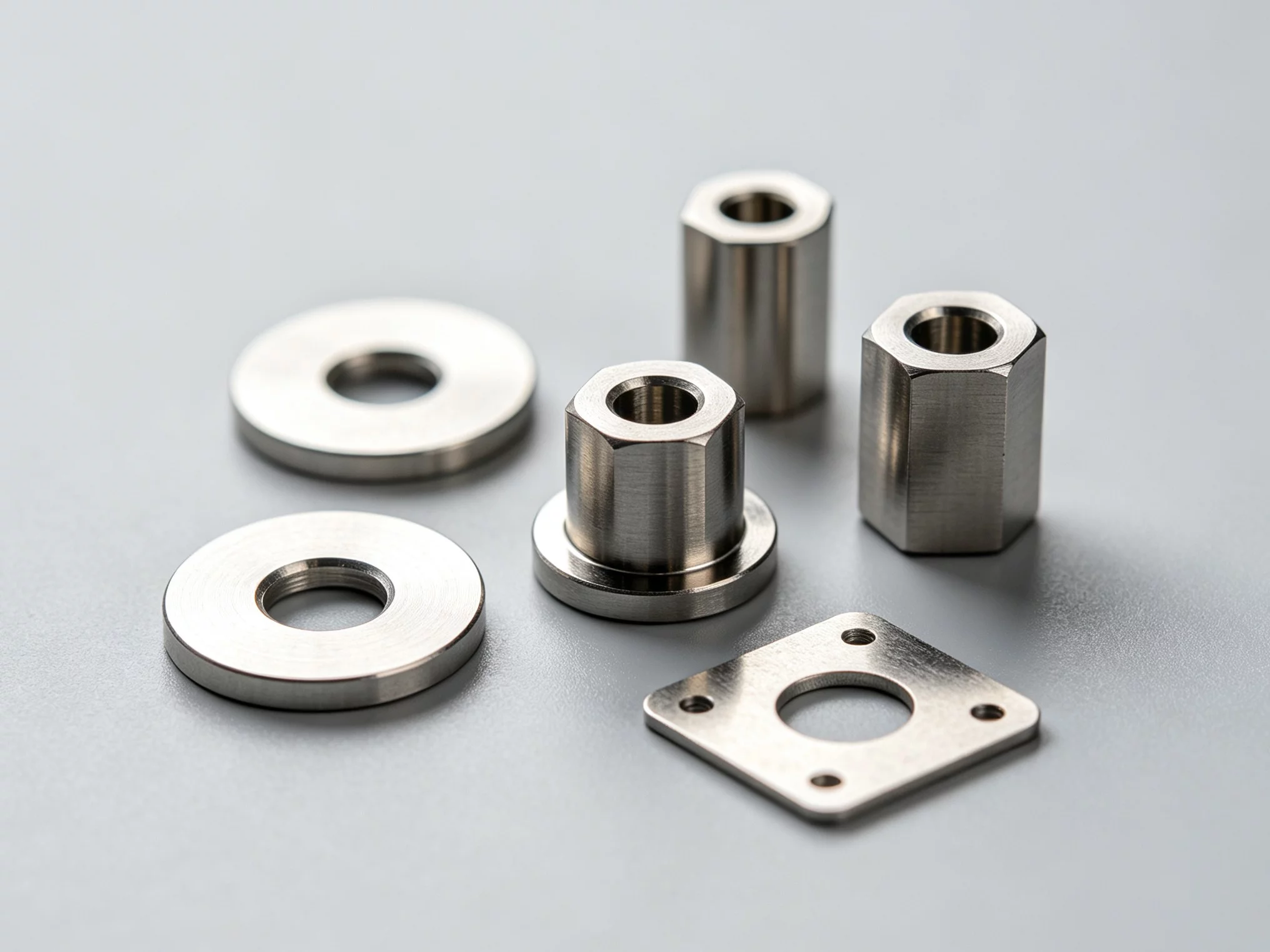
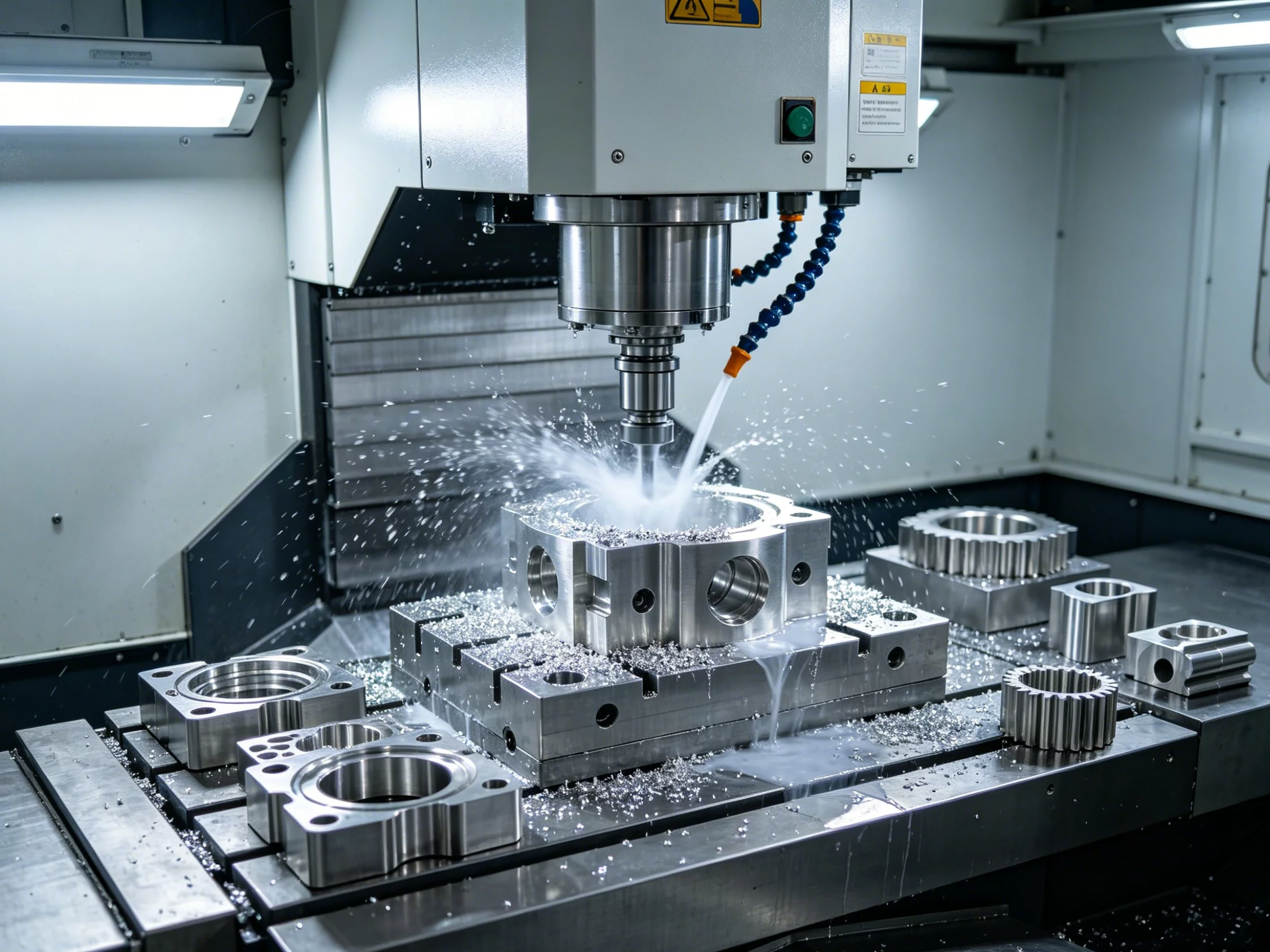
A professional CNC workshop is a manufacturing facility equipped with computer-controlled machining centers, skilled operators, and systematic quality verification processes. These shops transform raw materials into precision components using milling, turning, drilling, and grinding operations.
The critical difference between a basic machine shop and a professional CNC workshop lies in process control. Professional operations maintain documented procedures, calibrated measurement tools, and trained personnel who understand engineering drawings and tolerances.
Key capabilities to verify include:
Фрезерование с ЧПУ machines and CNC lathes appropriate for your part complexity
Measuring instruments such as CMM, calipers, micrometers, and gauges
Material handling and storage systems for metals and engineering plastics
Quality inspection documentation and traceability practices
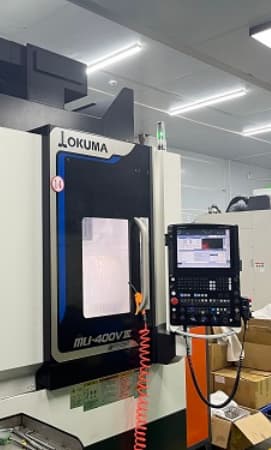
YPMFG maintains a well-equipped facility with modern Станок с ЧПУs and full measurement capabilities. Buyers can request a detailed capability list when evaluating our workshop.
Core Equipment and Machine Types in a CNC Workshop
Different parts require different machine types. A competent workshop should offer multiple machining processes to accommodate varied design requirements.
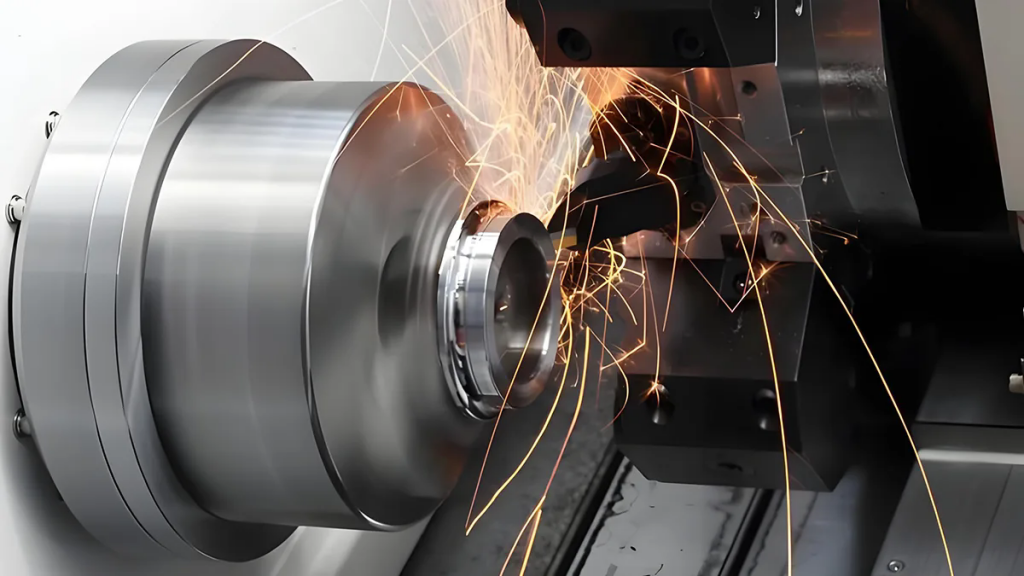
The most common equipment includes CNC milling machines for complex geometries and pockets, and CNC turning centers for rotational parts such as shafts and bushings. Multi-axis machines expand capability for parts requiring simultaneous machining from multiple directions.
Tolerance ranges shown are typical benchmarks. Actual achievable tolerances depend on part geometry, material, and surface finish requirements. A reputable workshop will confirm feasibility during the техническая оценка phase.
When reviewing a workshop’s equipment list, check whether they operate in-house or outsource critical machining steps. In-house capability reduces lead time and improves communication during production.
Materials a CNC Workshop Should Handle
Material selection directly affects machinability, cost, and final part performance. A versatile CNC workshop should be familiar with multiple metal and plastic materials commonly used in industrial applications.
Common metals processed in CNC machining include:
Алюминиевые сплавы (6061, 7075, 5083) for lightweight structural parts
Stainless steels (304, 316, 17-4PH) for corrosion-resistant applications
Tool steels and alloy steels for wear-resistant components
Brass and copper alloys for electrical and decorative parts
Titanium and Inconel for high-performance aerospace and medical parts
Engineering plastics frequently machined include:
PEEK, PTFE, and UHMW-PE for chemical resistance and low friction
Acetal and nylon for gears, bearings, and insulating parts
Polycarbonate and acrylic for transparent or impact-resistant components
The right material depends on mechanical requirements, environmental exposure, and regulatory compliance. Buyers should discuss material suitability with the workshop’s engineering team before finalizing specifications.
Quality Control Processes to Expect
Quality control separates professional CNC workshops from casual machine shops. Buyers should expect documented inspection procedures, calibrated instruments, and traceable records for every production batch.
Standard quality practices include first-article inspection, in-process checking, and final acceptance testing. Key documents to request include inspection reports, material certificates, and process records.
Typical quality verification methods:
Dimensional inspection using CMM or optical comparators
Surface roughness measurement with profilometers
Material certification verification against purchase specifications
Visual inspection for surface defects and finish quality
Ask whether the workshop follows any quality management standards. While ISO certification is not mandatory for all projects, it indicates structured processes and continuous improvement commitment.
YPMFG provides comprehensive inspection documentation with every order. Buyers receive detailed measurement reports alongside shipped parts for full traceability.
How to Evaluate a CNC Workshop Before Ordering
Evaluation should begin before requesting a quote. A structured assessment saves time and reduces the risk of choosing an unsuitable partner.
Start by reviewing these five areas:
1. Технические возможности — Confirm the workshop can handle your part size, material, and tolerance requirements. Request examples of similar completed projects.
2. Quality systems — Ask about inspection equipment, documentation practices, and how they handle non-conforming parts.
3. Lead time reliability — Discuss typical production timelines and how they manage rush orders or schedule changes.
4. Communication process — Understand who handles technical questions, how revisions are managed, and what response times to expect.
5. Pricing transparency — Ensure quotes break down machining, setup, finishing, and inspection costs clearly.
Requesting samples or prototype parts is a practical way to assess quality before committing to larger production runs. A confident workshop will welcome this evaluation step.
Common Cost Factors in CNC Machining
Understanding cost drivers helps buyers evaluate quotes accurately and avoid unexpected expenses. Several factors influence CNC machining pricing beyond simple per-part calculations.
Primary cost factors include:
Material cost, which varies significantly between aluminum, steel, and specialty alloys

Machine time, determined by part complexity and required tolerance tightness
Setup and programming time, especially for unique or low-volume parts
Secondary operations such as surface finishing, threading, or heat treatment
Inspection and documentation requirements for regulated industries
Complex geometries often require multiple setups and longer machining cycles. Tight tolerances may necessitate specialized tools or additional inspection steps that increase production time.
Buyers should provide complete and clear specifications to receive accurate quotes. Incomplete information often leads to conservative pricing that includes buffers for uncertainty.
Design for Manufacturability Considerations
Well-designed parts reduce machining time, improve consistency, and lower costs. Workshops can offer DFM feedback during the engineering review stage, but buyers who understand basic principles will streamline the process.
Key DFM guidelines for CNC machining:
Avoid internal corners sharper than the tool radius allows
Provide adequate tool access for milling and drilling operations
Specify realistic tolerances that match functional requirements
Minimize unnecessary surface finish requirements
Standardize hole sizes and thread specifications where possible
Over-specifying tolerances is one of the most common and costly mistakes. A tolerance of ±0.05 mm is significantly less expensive than ±0.01 mm and often perfectly adequate for non-critical features.
Share your functional requirements openly. A good workshop will recommend design adjustments that maintain performance while reducing manufacturing complexity.
Lead Time and Production Planning
Lead time depends on part complexity, material availability, queue position,and finishing requirements. Buyers should plan accordingly and avoid last-minute requests unless the workshop offers express services.
Typical lead time ranges:
Simple prototype parts: 3 to 7 business days
Moderate complexity batches: 7 to 14 business days
Complex multi-operation parts: 14 to 30 business days
Large production runs: negotiated based on volume and scheduling
expedited production is often available at a premium. Discuss timeline expectations early in the inquiry process so the workshop can assess feasibility.
Clear communication about delivery expectations prevents misunderstandings. Reputable workshops provide realistic timelines rather than optimistic estimates that cannot be met.
Red Flags to Watch For
Some warning signs indicate a workshop may not meet professional standards. Recognizing these early protects buyers from quality problems and project disruptions.
Red flags include:
Vague or incomplete quotes missing cost breakdowns
Reluctance to share quality procedures or inspection documents
No engineering review process before production begins
Unwillingness to provide material certifications
Poor communication responsiveness during the quoting phase
Pressure to accept unrealistic timelines without discussion
A professional workshop welcomes technical questions and provides thorough, transparent responses. Hesitation or defensiveness during evaluation often predicts problems later.
Questions Buyers Often Ask About CNC Workshops
What file formats do CNC workshops accept for production?
Most workshops accept PDF drawings, STEP files, and IGES models. Some also accept STL or native CAD files. Providing both 2D drawings and 3D models ensures the best results.
Can a CNC workshop handle small batch production?
Yes. Many shops specialize in prototype and low-volume production alongside larger runs. Discuss your quantity requirements upfront to receive accurate pricing and scheduling.
How does a workshop handle design changes after production starts?
Changes during production may affect cost and timeline. A transparent workshop will communicate impact clearly and seek approval before implementing modifications.
What happens if parts fail inspection?
Professional workshops have defined processes for handling non-conforming parts. They should notify the buyer promptly and propose solutions such as rework, replacement, or adjustment.
Should I visit the workshop before placing an order?
Facility visits are valuable for large or ongoing projects. They provide direct insight into capability, organization, and communication quality. Virtual evaluations through documentation and video calls are also useful alternatives.
Choosing the Right CNC Workshop for Your Application
Selecting a manufacturing partner requires careful evaluation of technical capability, quality systems, communication practices, and pricing transparency. The right workshop becomes a collaborative extension of your engineering and procurement teams.
Next steps for buyers:
Prepare complete part specifications including drawings, materials, quantities, and tolerances
Request a technical review from the workshop’s engineering team
Compare at least two or three suppliers before making a decision
Start with a sample or prototype order to verify quality and communication
Establish clear project management contacts for ongoing collaboration
YPMFG supports buyers throughout this process with professional engineering assessment, transparent quotation, and reliable production delivery. Send your specifications to us for a detailed evaluation and competitive quote tailored to your project requirements.