English
  German
  Russian
  Japanese
  Korean
  Spanish
  French
  Italian
  Portuguese
 CNC custom machining means producing parts to your exact specifications using computer-controlled tools. Each component is machined for a specific application rather than pulled from a standard catalog. The workflow runs from CAD data through material selection, multi-axis milling or turning, and final surface finishing. Cost, lead time, and quality all hinge on how precisely you define your part before it hits the shop floor.
Most buyers walk into a CNC custom machining conversation with a drawing, a 3D model, and a deadline. The harder part is making sure the part that comes back actually fits, performs, and stays within budget. YPMFG supports engineering and procurement teams in closing that gap between design intent and production reality.
What CNC Custom Machining Covers
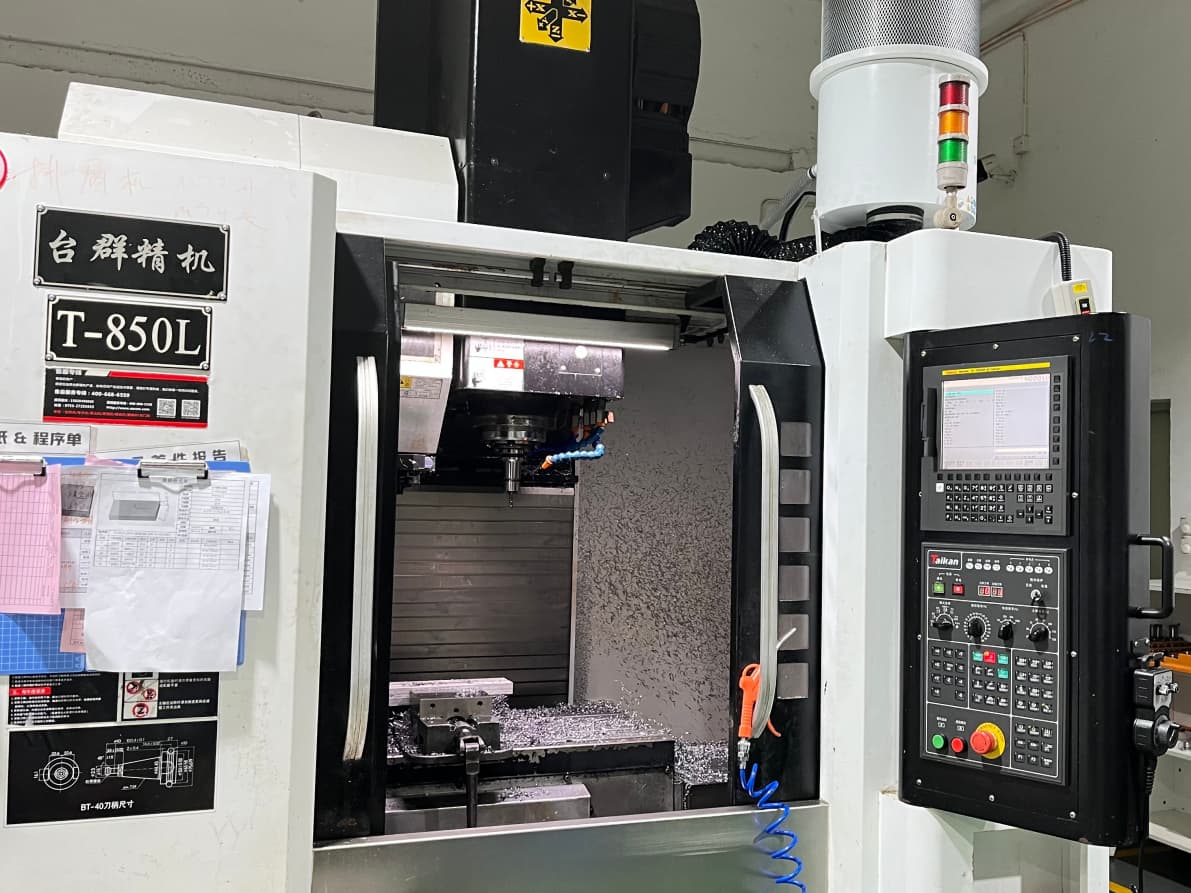
CNC custom parts can be produced by milling, turning, or combined mill-turn operations on three-, four-, or five-axis machines. The right process depends on geometry, feature access, and batch size.
Milling: best for prismatic shapes, pockets, contoured surfaces, and thin-walled housings.
Turning: suited to cylindrical, symmetrical parts such as shafts, flanges, and connectors.
Mill-turn: handles complex rotational parts with non-axisymmetric features in a single setup.

Materials range from 6061 and 7075 aluminum to 316L stainless, 17-4PH, brass, titanium, and engineering plastics. Tolerances typically fall between ±0.01 mm and ±0.005 mm, though critical features may require tighter control. Post-machining steps such as anodizing, passivation, powder coating, or heat treatment can be integrated into the same workflow. Volumes span from a single prototype to production runs of several thousand units.
Five Factors That Move Your Unit Cost
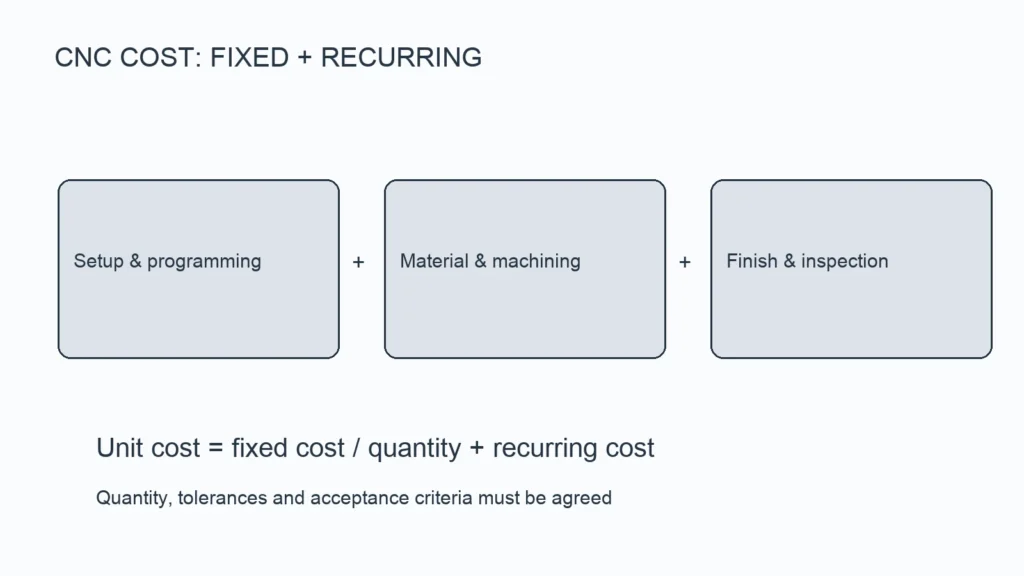
Before comparing quotes,understand which variables drive price. The table below maps each factor to what you should verify in your own drawing or spec.
YPMFG reviews these variables during the initial engineering evaluation so you know exactly where cost sensitivity lies before committing to a production run.
Mistakes That Trigger Rework or Delays
Vague tolerance callouts. Writing “as needed” leaves the shop guessing. Specify the functional tolerance per datum, not just the nominal value.
Missing datum definitions. Without A, B, C datums, each shop may choose a different referencing scheme, causing fit issues at assembly.

Unspecified material condition. “Stainless” is not a spec. Call out grade, temper, and the applicable ASTM or EN standard to avoid substitution.
No DFM feedback loop. If your drawing is designed on paper and never reviewed by a machinist, you will pay for avoidable secondary operations.
A thirty-minute design-for-machining review can often eliminate one or two of these risks before any tooling is cut.
Questions Buyers Often Ask
What is the minimum order quantity for CNC custom parts?
There is no universal minimum. Prototype shops may start at one piece, while production-oriented runs often begin at twenty-five to fifty units to justify tooling. Your geometry and material can shift that floor, so confirm with the specific shop.
Can I switch materials mid-project?
You can, but it changes tooling wear rates, cutting parameters, and sometimes the achievable finish. Send the revised spec to the shop early so the material selection does not stall the schedule.
How do I verify dimensional accuracy on arrival?
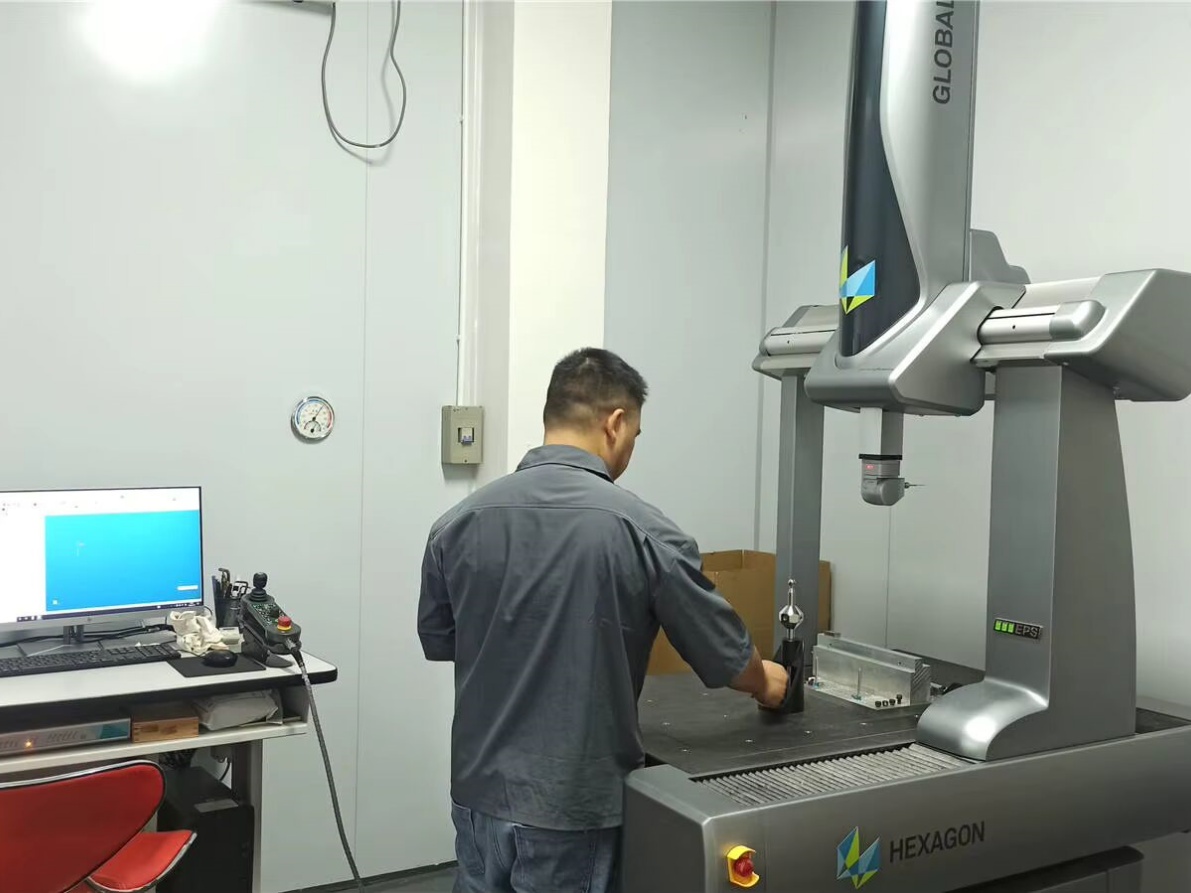
Request a first-article inspection report with calibrated CMM or micrometer data mapped against your drawing. For critical features, agree on an acceptance gauge or test fixture before the first batch ships.
What lead time should I expect?
Lead time varies with material availability, machine queue, and post-machining steps. A simple turned part in stock aluminum may ship in two to three weeks; a five-axis milled titanium housing with coating can take six to ten.
Making a Smarter Decision
The value of CNC custom machining is not just cutting metal—it is getting the right part, at the right tolerance, in the right material, on the right schedule. Before you send out a request, lock down your material grade, critical tolerances, datums, and post-machining requirements in a single document.
YPMFG can review your drawings or 3D files, flag any DFM issues, and return a detailed quote with lead-time options within a few business days. Send your specifications or a short email describing your part, and the engineering team will respond with a practical next step.