English
  German
  Russian
  Japanese
  Korean
  Spanish
  French
  Italian
  Portuguese
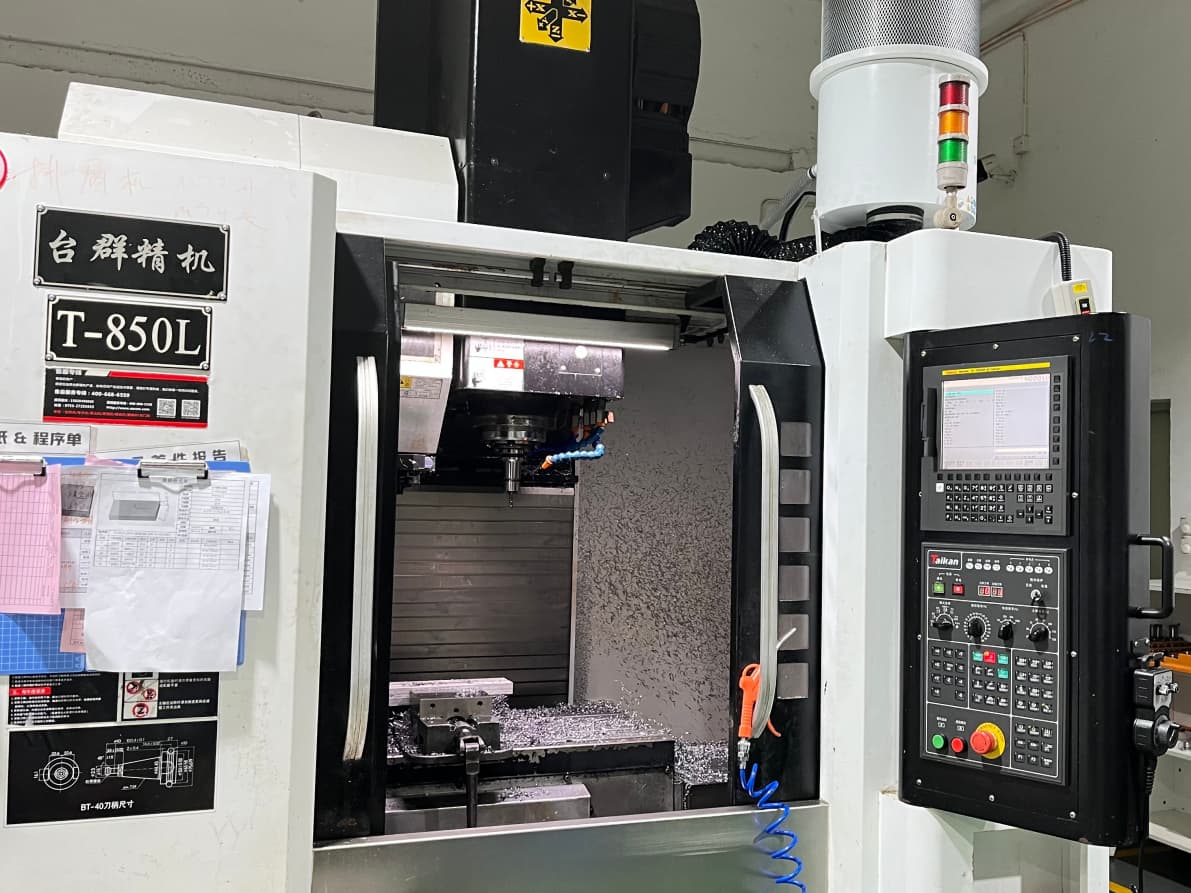
A Chinese CNC machine typically costs 20–40% less than an equivalent Japanese or European model, though that savings comes with shorter warranty windows and less standardized post-sale support. For parts production where tolerances stay within ±0.01 mm and cycle times are moderate, a well-specified Chinese CNC machine is a practical capital investment. The deciding factor is whether the spindle, controller, and CNC programming software come from reputable sources.
The price gap is real, but the machines that cause problems in year two are rarely the cheapest ones on the page. Inconsistent spindle runout, limited firmware patch cycles, and vague after-sales support are the three issues that surface most often, and nailing these down before you sign a purchase order makes the difference between a productive asset and a recurring cost.
What to Verify Before Ordering
When a supplier sends you a spec sheet, the numbers on paper tell you almost nothing about what will actually sit on your floor. Three components drive most of the long-term performance, and each should be confirmed by model number, not just category.
Spindle brand and origin. Ask for the exact model number, not “Japanese spindle.” A Yaskawa or FANUC unit with a documented serial number carries very different residual value than a no-name spindle.
Controller and software. FANUC, Siemens, and Heidenhain controllers have open documentation and large support communities. Proprietary or lesser-known controllers lock you into a single vendor for every firmware update.
Way and guide quality. Linear guides and ball screws are where wear shows up first. Confirm whether the machine uses THK, Hiwin, or NSK components, and check the rated load against your heaviest planned part.
YPMFG can review a spec sheet against these three points and flag gaps before you commit. Sending the full datasheet is enough for an initial engineering assessment.
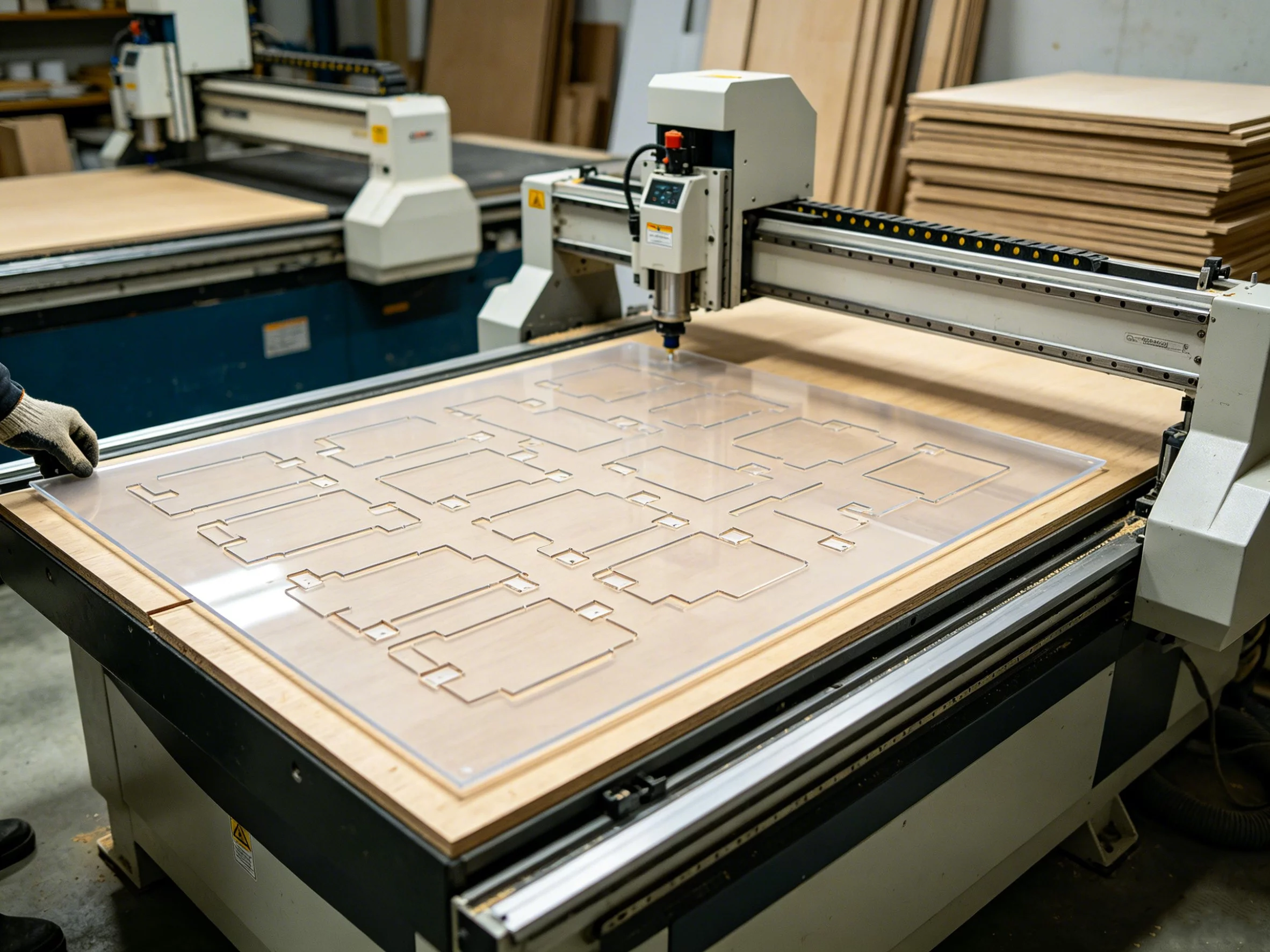
Where the Cost Savings Actually Come From
The lower sticker price is not just a currency effect. It reflects real differences in component sourcing, labor, and overhead, and understanding where the money goes helps you judge whether the savings are structural or simply a margin squeeze.
The table shows the savings concentrate in component premiums and service infrastructure. If you specify a FANUC controller and THK guides, expect the gap to narrow to roughly 10–15% rather than 40%.
Common Risks and Practical Mitigation Steps
Most buyers who regret a Chinese machine purchase did not suffer a catastrophic failure. They experienced slow degradation: repeatability drifts past ±0.005 mm after eighteen months, firmware updates stall, and a worn ball screw triggers a parts order that takes three weeks to arrive.
Get the component list in writing. A spec that says “high-precision spindle” is not a spec. You need model numbers, country of origin, and rated load for every major axis.
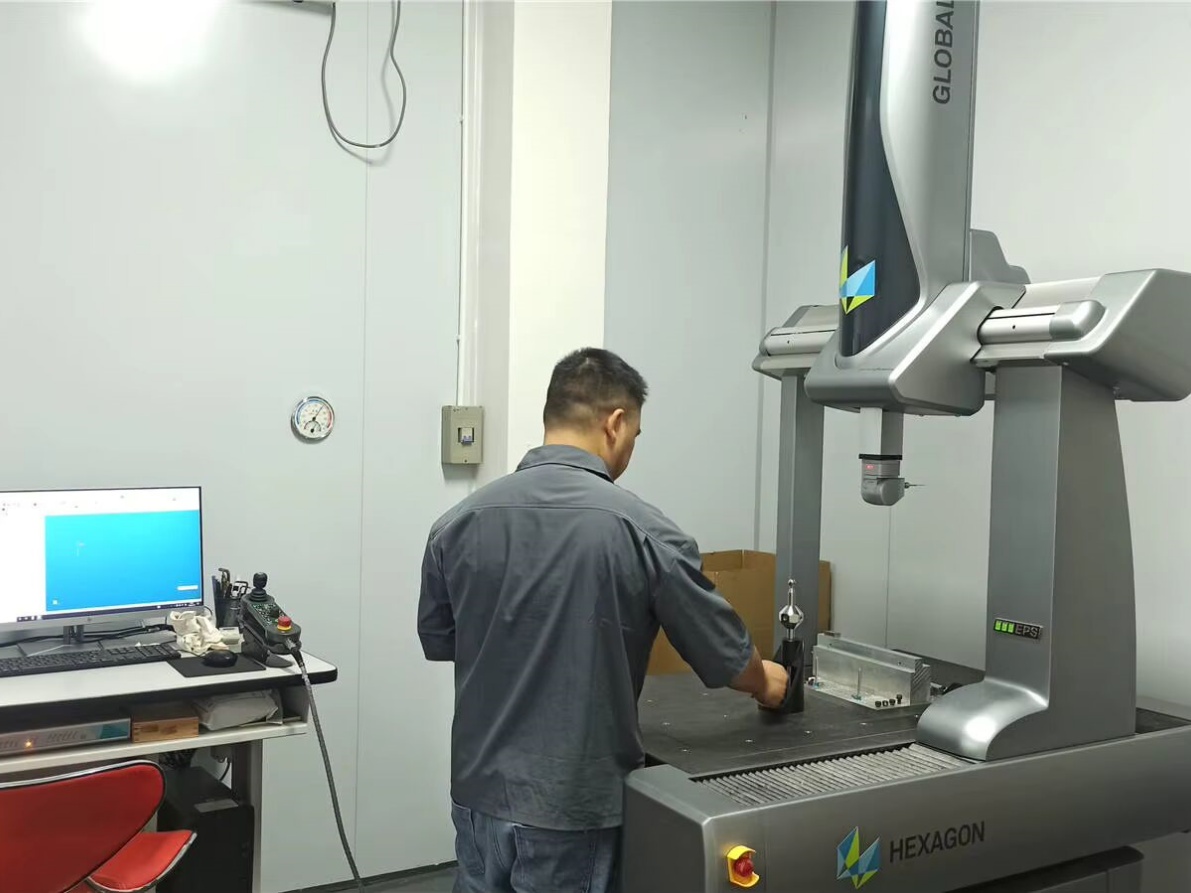
Request a FAT video or witness test. Running your own part program for three full cycles at the factory gives you a measurable baseline before the machine ships.
Negotiate a parts-availability clause. Specify lead times for spindles,controllers, and linear guides. A four-week delay on a spindle swap can cost more in lost production than the machine’s entire price advantage.
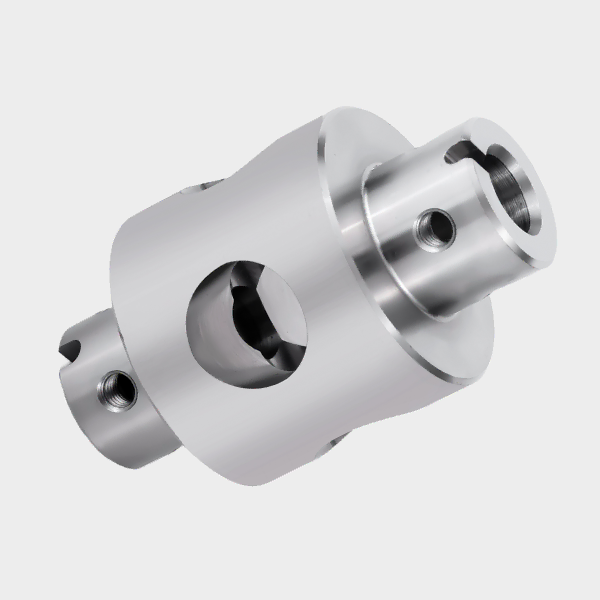
Confirm export certifications. Depending on your market, you may need CE, ISO 9001, or specific electrical-safety documentation. Verify the certificate scope covers the exact model you are ordering.
YPMFG supports buyers who need custom CNC machining around a new machine, including fixture design and first-article inspection to validate the setup early.
Questions Buyers Often Ask
Is a Chinese CNC machine suitable for 5-axis work?
In many cases, yes, but 5th-axis indexing accuracy matters more than the axis count. Confirm the A/C-axis repeatability is at least ±0.001° before you plan complex 5-axis milling parts on the machine.
How long does shipping and installation take?
Sea freight from China typically runs four to eight weeks depending on destination port. Add two to three weeks for rigging, leveling, and commissioning. Budget roughly ten weeks from purchase order to first production part.
Can I get a FANUC or Siemens controller on a Chinese machine?
Yes. Several manufacturers integrate FANUC or Siemens controllers, and the price moves closer to the Japanese point. Confirm the controller license is genuine and not a rebranded clone before you pay.
What minimum batch size justifies buying versus outsourcing?
If your annual volume exceeds roughly 500 spindle-hours on a single part family, owning the machine usually beats per-piece rates. Below that threshold, CNC machining services from a specialist shop often cost less once you factor in depreciation and maintenance.
How do I verify a supplier’s actual capability, not just the brochure?
Request two references from the last twelve months and ask for a short video of their shop floor running a part. Cross-check the reference against the supplier’s stated CNC capabilities and tolerance range.
Need Help Evaluating a Chinese CNC Machine?
The single most expensive mistake is treating a spec sheet as a contract. Get the component list, the FAT baseline, and the parts-availability clause in writing, and you remove most of the downstream risk.
If you are comparing a Chinese machine against your current setup or a higher-priced alternative, YPMFG can run a side-by-side engineering review. Send your part drawings, target tolerances, and annual volume. You will receive a written assessment covering machine selection criteria, expected cycle time, and a recommended maintenance schedule before you sign anything.
That is the fastest way to turn a spreadsheet of prices into a decision you can defend.