English
 German
 Russian
 Japanese
 Korean
 Spanish
 French
 Italian
 Portuguese

A CNC parts manufacturer is a shop that produces precision machined components using computer-controlled machine tools. The right one matches your material, tolerance, volume, and deadline without forcing tradeoffs on quality or cost. Selecting poorly usually means rework, shipping delays, and failed inspections on your assembly line. Before you commit, evaluate capability, process control, and communication — not just the sticker price on a quote sheet.
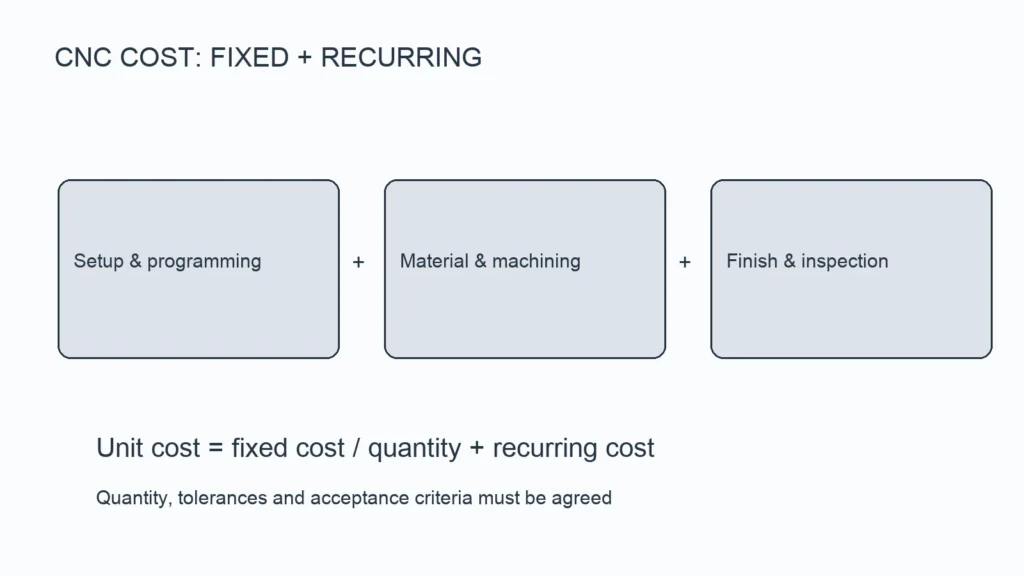
Most buyers compare CNC parts manufacturers on unit price alone. That approach misses where projects actually fail. The real risks hide in material verification, dimensional accuracy, surface finish consistency, and what happens when a batch does not pass inspection. YPMFG supports buyers who need clarity on these points before they lock in a long-term supply agreement.
## Key Factors Before Selecting a CNC Parts Manufacturer
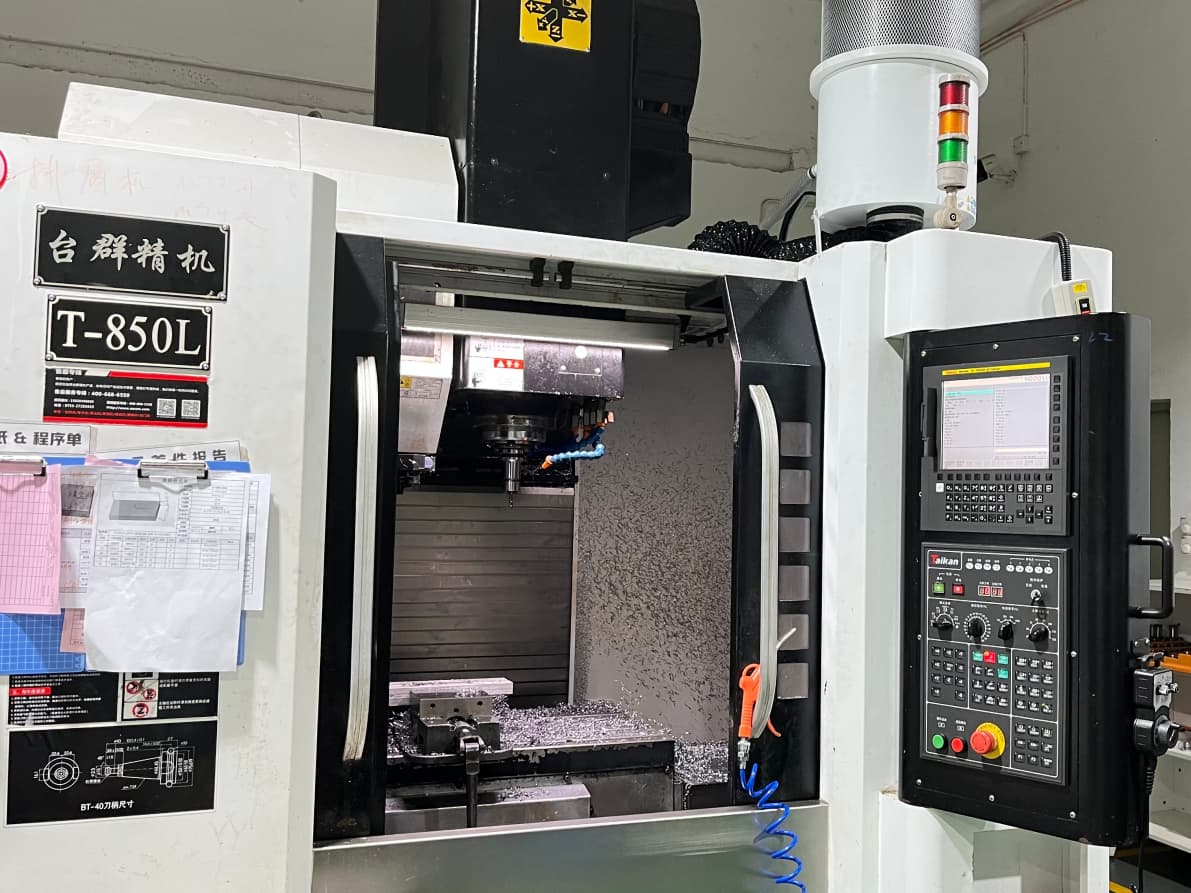
Capability starts with machine types and axis count. A three-axis mill handles simple profiles, but complex geometries often require five-axis simultaneous machining. Confirm which machines your specific part geometry actually needs before assuming feasibility.
Material selection drives both part performance and machining cost. Aluminum 6061, stainless 316L, and titanium 6Al-4V each behave differently under cutting conditions. A competent shop will confirm material lot traceability and provide mill certificates with every shipment.
Tolerance specifications determine whether your parts fit into the assembly on the first pass. For most custom machined parts, ±0.025 mm is standard, but critical aerospace or medical components may demand ±0.005 mm or tighter. Ask the shop to document its repeatability at your required tolerance before you place a production order.
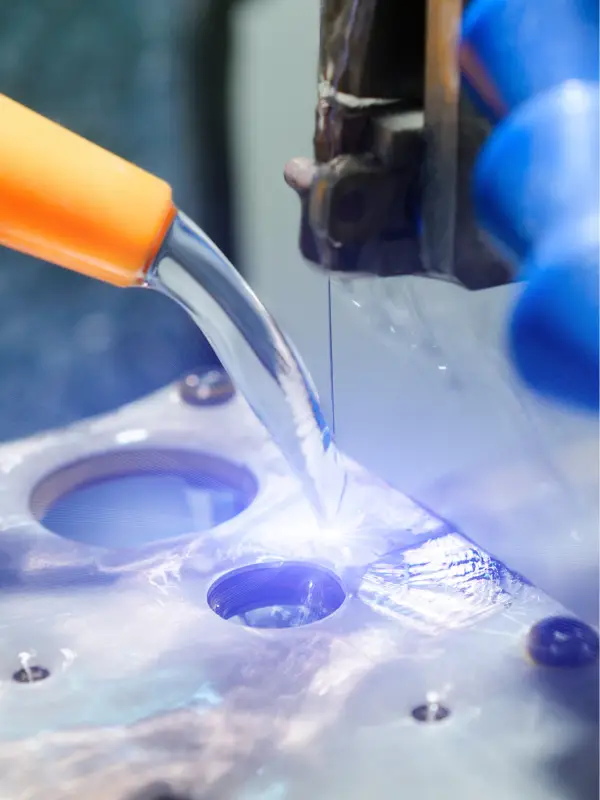
Surface finish requirements affect both function and appearance. Ra 1.6 µm is common for standard machined surfaces; Ra 0.4 µm or better typically needs secondary processes such as polishing or bead blasting. State your finish target clearly so the manufacturer can quote the full process chain upfront.
CNC Parts Manufacturer Comparison Checklist
Use this list as a scoring sheet. Rank each candidate against every row before you compare final quotes. Quality documentation consistency across rows tells you far more than any single price figure.
Common Mistakes That Cost Buyers Money
Skipping the first-article inspection step is the most expensive shortcut. Without a verified FAI report, dimensional drift only surfaces when the part hits your assembly line. The resulting rework and downtime usually exceed the inspection fee by a wide margin.
Ordering a production volume before the prototype passes is the second trap. One iteration of CNC machining services on a single unit costs far less than retooling a batch of five hundred. Always sequence your process: design review, prototype, FAI, then production.

Choosing purely on quote amount leads to hidden costs. A lower quote often reflects fewer measurement points, a looser process control plan, or no documented inspection package. Factor in revision risk, replacement cost, and inspection time when comparing bids side by side.
Common Questions About CNC Parts Manufacturers
What should I send a CNC parts manufacturer for a quote?
Provide 3D CAD files in STEP or IGES format, a 2D drawing with tolerance callouts, material grade,quantity, and surface finish targets. YPMFG can review your files and flag any design-for-manufacturability issues before issuing a firm quote.
How do I verify a shop can actually hold my tolerance?
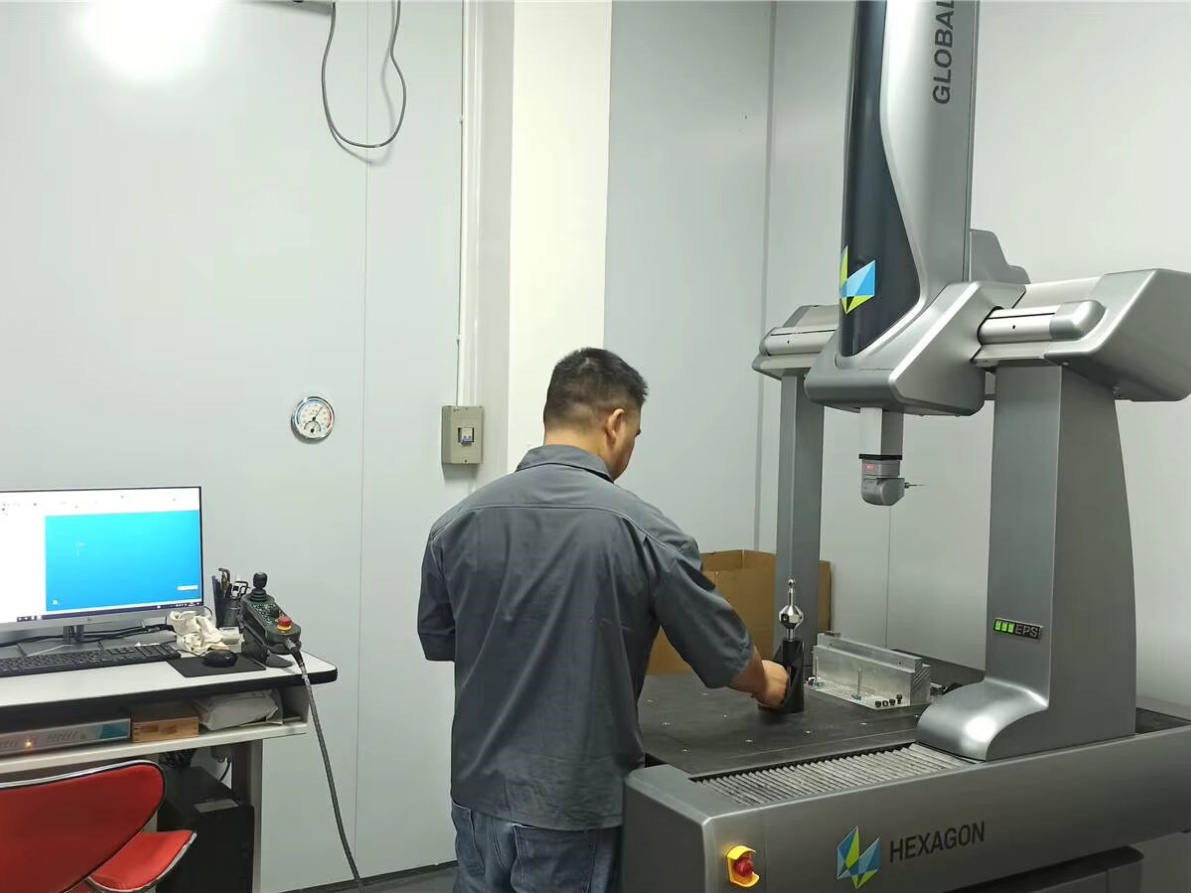
Request their CMM or laser scanning capability data at your required tolerance. Ask for a sample inspection report from a similar part. Documented repeatability matters more than a stated specification printed on a brochure.
What is a typical lead time for prototyping versus production?
Prototypes often run five to fifteen business days depending on complexity and material availability. Production batches scale with quantity and any heat-treat or coating cycles. Confirm the specific window for your part before committing to a ship date.
Do I need to request quality documentation with every shipment?
For regulated industries like medical, aerospace, or automotive, yes. At minimum, request material certificates, dimensional inspection reports, and process records. For general industrial use, a FAI report on the first lot is a strong baseline.
Need Help Selecting Your CNC Parts Manufacturer?
The goal is to match your part’s functional requirements to a shop’s documented capability, not just its price tag. Work through the checklist above, confirm material and tolerance feasibility, and verify quality workflows before you sign off on volume.
Send your drawings, material spec, and quantity to YPMFG for an engineering review and a detailed quote. The team will flag any DFM issues, confirm machining feasibility, and provide a clear production timeline so you can plan the next steps with confidence.