English
 German
 Russian
 Japanese
 Korean
 Spanish
 French
 Italian
 Portuguese

Agree payment structure before any metal moves. A typical CNC program splits payment into a 30 percent deposit, 50 percent at inspection, and 20 percent after first-article sign-off. Skipping this sequence is where disputes start.
Most procurement teams lock a CNC quote by unit price and lead time, then find payment terms buried on the fourth page of the contract. By the time parts fail inspection, cash is already spent. YPMFG encounters this pattern in sourcing reviews. The fix is not a lower price. It is a payment schedule that mirrors your actual risk window, gate by gate.
- Deposit percentage: 30 percent is the common ceiling; above 40 percent, you carry most of the material risk.
- Milestone-based payment: Tie the largest installment to a documented inspection event, not a calendar date.
- Quality hold: Retain 15 to 20 percent until the FAI report and material certificates clear without exception.
The balanced column is where most production orders should sit. If a quote buries tooling inside the unit price, ask for a line-item breakdown before you sign.
What Should You Agree Before the First Cut?
The most consequential clause is the CNC machining payment terms section, not the per-unit number. Before material is committed, confirm the deposit, milestone triggers, and the remedy if inspection fails. A 30 percent deposit percentage covers raw stock and fixture setup for standard work; five-axis or multi-material programs may push it to 40 percent.
Three Documents to Request Up Front
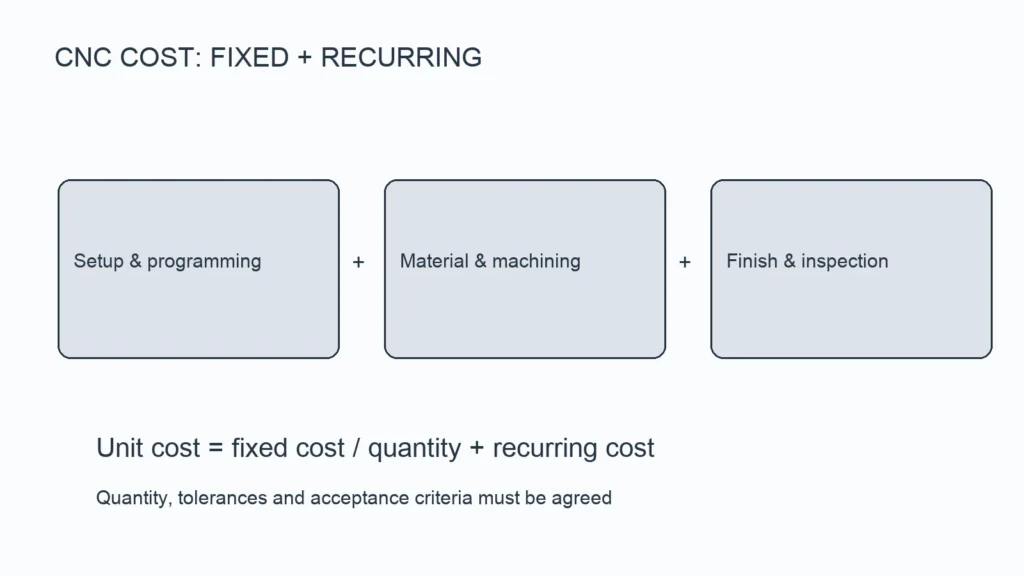
- Itemized cost sheet with tooling separated from part cost.
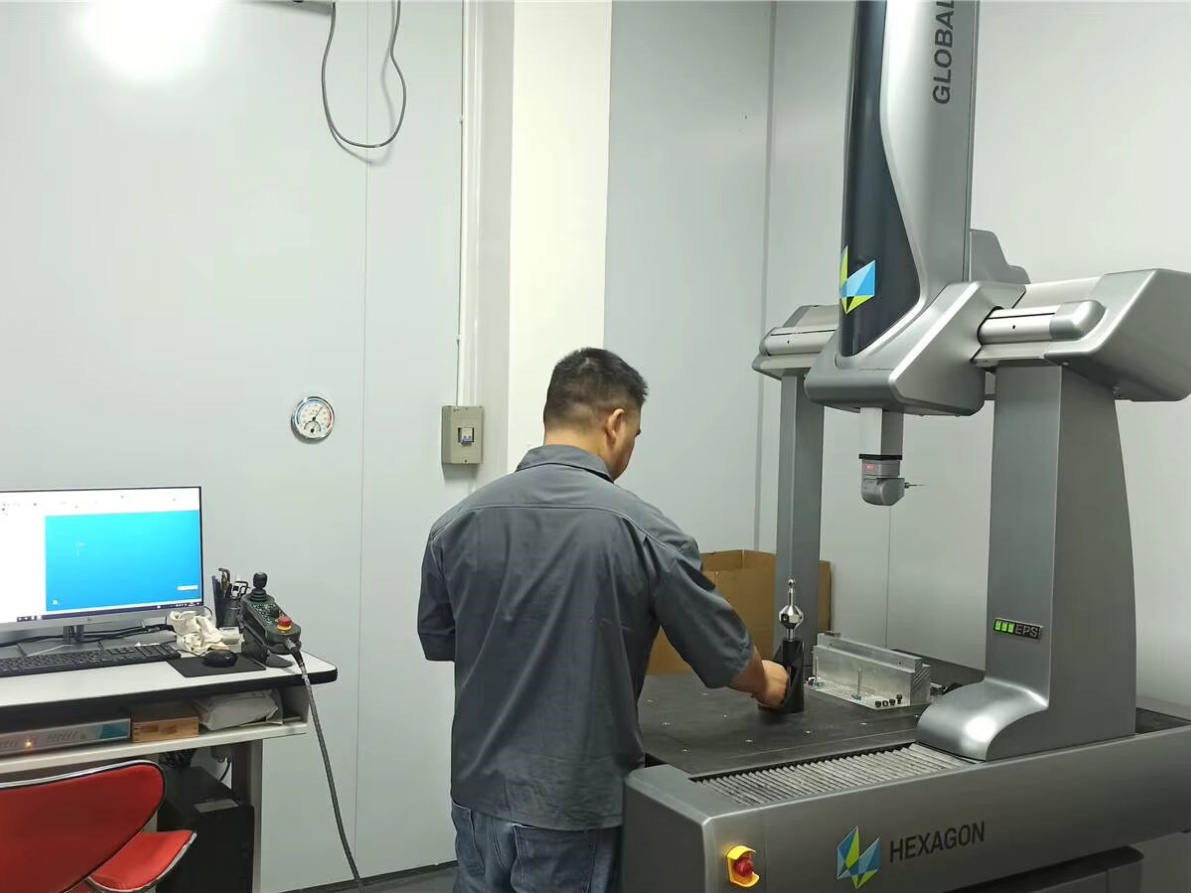
- Inspection plan naming the standard (ASME Y14.5 or ISO 286) and the critical dimensions.
- Payment matrix mapping each installment to a specific gate and deliverable.
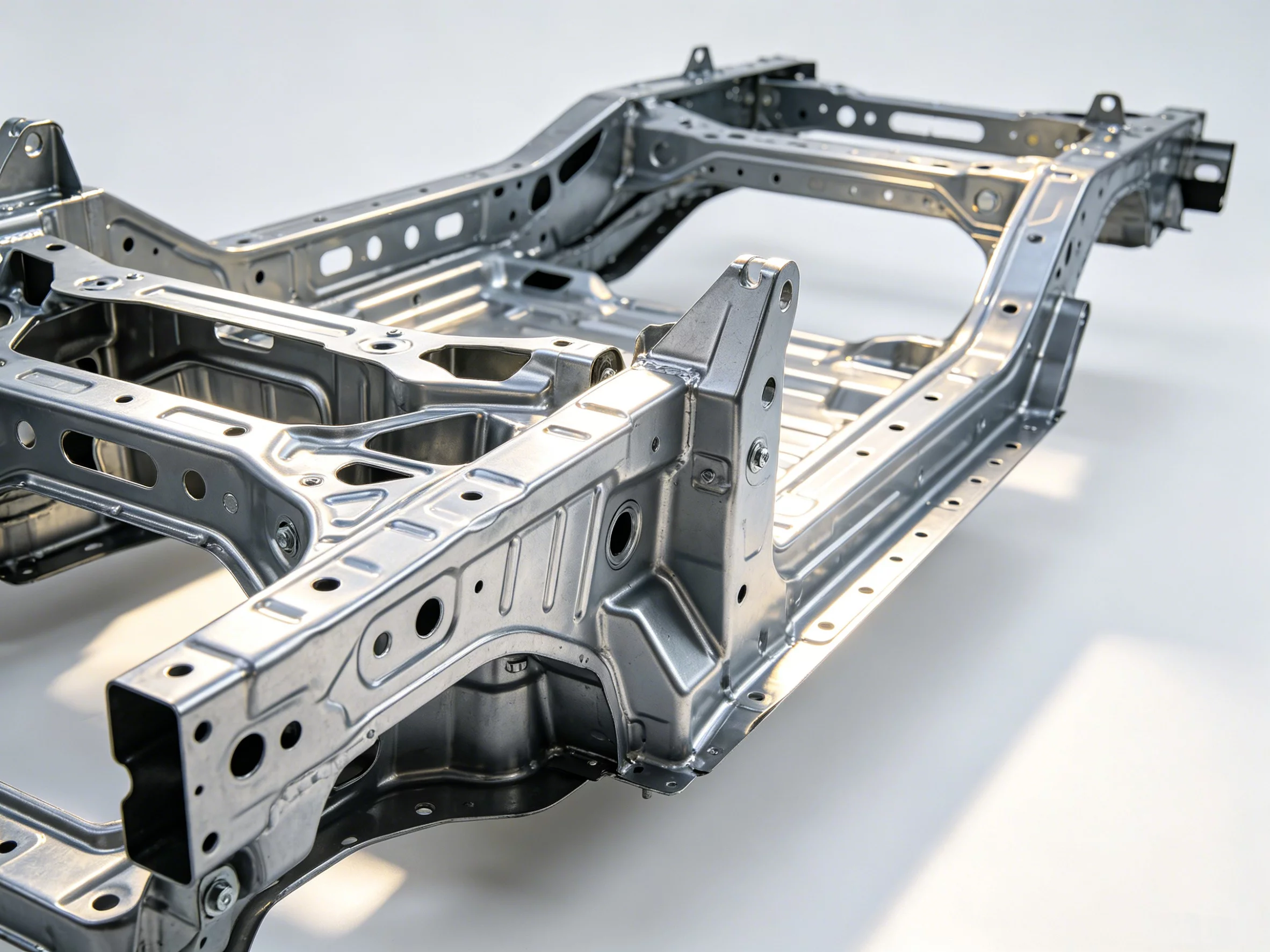
The deposit funds material and setup. Once that cash is gone and the job is queued, your negotiating leverage drops sharply. If the vendor cannot identify the three inspection gates in writing, ask for their process documentation before releasing the first payment.
Rule of thumb: if the payment matrix has fewer than 3 triggers, add a gate. Two triggers (deposit + delivery) leaves the entire production window unverified.
One physical limit: no vendor can release parts while a quality hold is active. The hold is not optional if you want contractual leverage through the rework cycle.
How Does Payment Timing Shape Your CNC Timeline?
Payment terms and production scheduling are coupled. A net-30 terms invoice paid on time keeps the shop cash-flow positive, which means your next order gets priority queueing. A two-week delay can drop your slot behind newer customers who paid up front.
Three Gates That Should Trigger Each Payment
- Material and setup complete: first installment due.
- FAI and dimensional report approved: second installment.
- Final batch accepted and certificates archived: final installment plus any tooling balance.
Tying payment to milestone-based payment events rather than dates removes ambiguity. A date-based schedule breaks when a machine stalls; an event-based schedule does not. You pay when work is verified, not when a Tuesday arrives.
The constraint: event-based terms require your receiving team to inspect and document within 48 hours of delivery. If your team cannot do that on-site or at a third-party lab, the schedule stalls regardless of the vendor’s pace.
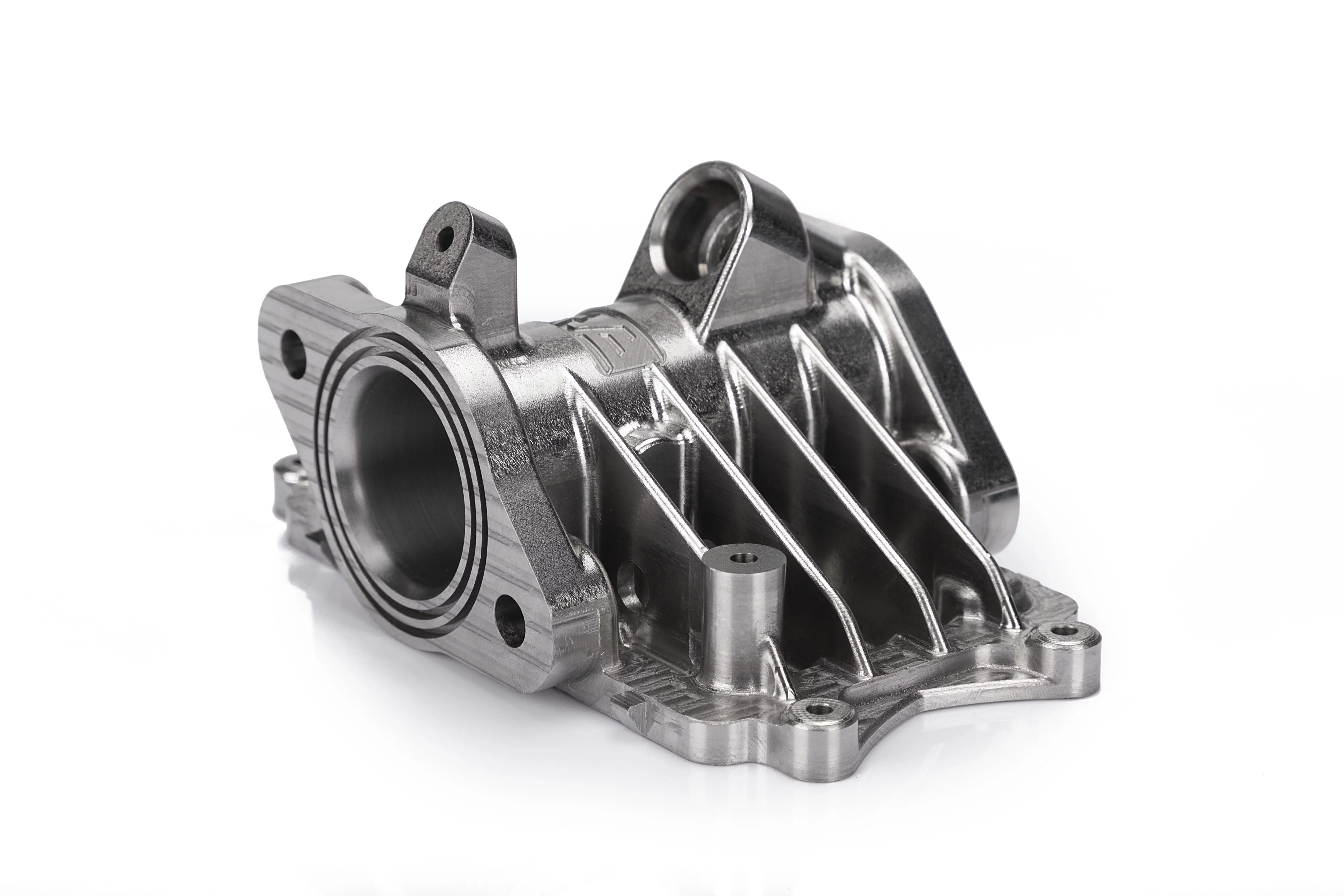
Which Terms Protect You If Parts Fail Inspection?
A quality hold of 15 to 20 percent retained until final acceptance is the core protection. Without it, you have paid in full and your only recourse is a warranty claim. With a hold, you keep leverage through the rework and remake cycle.
The retained amount should explicitly cover inspection certificate verification, material mill certificates, and one round of rework. If the quote does not state how many rework rounds are included, assume one. Additional rounds typically generate a separate invoice at the original labor rate.
The rejection protocol matters more than the hold percentage. Define in writing: who inspects, which standard applies, what counts as a critical defect, and the turnaround for replacement parts. A protocol without a named inspector and a 7-day response window is not enforceable in practice.
Physical limit: if a defect traces to a material property such as grain direction in a forged billet, no amount of rework fixes it. The remedy is a full credit, not a remake. Make sure your terms distinguish these two cases in a single sentence.
Where Do Buyers Usually Get It Wrong?
Most disputes trace to one gap: tooling cost hidden inside the unit price. When a part requires a custom fixture or a specific tooling amortization schedule, that cost gets spread across, say, 500 units. If you order only 200, the per-unit cost quietly doubles. Ask for tooling as a separate line with a stated amortization quantity.
Tooling and the Amortization Trap
A fixture quoted at a fixed total, amortized over a stated quantity,looks simple. The risk is the quantity assumption. If your volume drops below the stated number, the unamortized balance becomes yours. Confirm the floor quantity and what happens at that threshold before signing.
Second mistake: accepting “payment on delivery” without defining what delivery means. Does it mean parts at your dock, or at the vendor’s shipping point under FOB origin? The two differ by freight cost and transit risk. State the Incoterms term in the same sentence as the payment trigger.
Third: skipping the FAI gate because the part is “simple.” A part with five datums and a 0.025 mm tolerance stack-up is not simple. The first article is where geometry errors surface before 200 copies get machined.
Physical limit: you cannot contract away a vendor’s capacity. A “priority” clause does not make a 95-percent-utilized shop run faster. Verify capacity headroom before committing to a tight lead time.
How a Balanced Payment Structure Handles a Multi-Part Program
A typical program of 40 to 60 distinct parts, machined from 6061 and 304, moves through three production waves. Wave one covers the most complex five-axis parts. Wave two is three-axis structural components. Wave three handles simple turning and drilling. Each wave has its own inspection gate.
The payment schedule mirrors the waves. First installment funds material for wave one. Second releases after wave-one FAI. Third clears after the full batch passes dimensional and material-verification checks. No cash is tied up for wave-three work until waves one and two are confirmed.
Common failure: a buyer pays a single 50 percent deposit and the remaining 50 percent “on delivery.” In a 60-part program, delivery is one event. If three parts in wave two fail, the entire batch is held and 50 percent is already spent. Splitting by wave isolates the risk to the segment that actually failed.
Process Route Reference: YPMFG process library, reviewed against published tooling data. Client-specific data withheld per NDA.
Practical Questions Before Locking a CNC Payment Structure
Can I pay 100 percent after full acceptance?
No. Vendors fund material and setup before production starts. A zero-deposit request typically adds 8 to 12 percent to the quote to cover their carrying cost, or the vendor declines the job entirely.
What is the standard deposit range?
For standard three-axis work, expect 20 to 30 percent. Five-axis or multi-material programs may run to 40 percent. Above that, ask the vendor to justify why so much cash is needed before the first cut.
Does the quality hold expire on its own?
It should not. The hold releases when the final inspection report is signed off. If parts sit on a shelf for 60 days before your acceptance, the hold does not reset. Confirm the release trigger is an event, not a date on a calendar.
How do I verify a vendor’s inspection process is real?
Request two references from programs of similar complexity and ask specifically about the inspection-to-payment window. A vendor that has run many programs will produce a documented inspection certificate file. If they cannot, treat that as a signal to add a third-party gate.
Choosing the Right Payment Terms for Your Next CNC Order
The goal is not the lowest deposit. It is a schedule that keeps your cash aligned with your actual verification points. When you send drawings and specs to YPMFG, the engineering team maps each part to a production wave and flags which gates need a quality hold. You receive a line-item cost breakdown with tooling separated, milestone triggers defined, and the inspection standard stated in the same document. That document becomes the attachment your accounts-payable team works from, not a footnote you find later.
If your current vendor quotes a single “net-30 on delivery” line with no milestones, that is the moment to ask for a structured schedule. A two-page payment matrix prevents the disputes that compound over a year of orders. YPMFG can provide a template when you request a quote so the conversation starts from a defined structure rather than a blank page.