English
 German
 Russian
 Japanese
 Korean
 Spanish
 French
 Italian
 Portuguese

A CNC machining China supplier checklist should cover five verification areas: certification documentation, material traceability, GD&T tolerance capability, machine specs, and a written response-time SLA. Each item closes a specific procurement risk. Verify all five before releasing a production purchase order.
Most buyers screen a Chinese CNC machining supplier by unit price and quoted lead time, then discover gaps at incoming inspection. A missing material certificate or an unprinted GD&T callout forces rework and re-sourcing on a compressed schedule. The cost of that delay rarely stays inside the original BOM. YPMFG advises running a structured checklist before any payment milestone triggers, so risk is priced in early, not discovered at the dock.
What to Check on Your CNC Machining China Supplier Checklist
- Certification scope: Confirm the ISO 9001 audit scope explicitly lists CNC machining operations. A certificate registered only for assembly or trading will not cover your parts.
- Material traceability: Require a mill test certificate with heat number per batch. For 316L or 6061, the lot code must match the COA that ships with the delivery.
- Tolerance documentation: Ask for ASME Y14.5-compliant drawings with printed datum symbols. A ±0.1 mm note without datum letters is not a verifiable specification.
- Response SLA: A written 24-hour engineering-response commitment should appear in the supply agreement, not only in a sales presentation.
Basic Supplier vs. Verified Supplier at a Glance

If a supplier cannot produce the right-column items, the risk lands at your incoming inspection station instead of the PO stage.
What Documents Should You Request Before the First PO?
The document set is short but non-negotiable. Start with the ISO 9001 certificate and its audit scope page; verify the registered activities include CNC machining, not just trading or assembly.
Next, request the material certification template the shop uses. For 316L stainless steel or 6061 aluminum, the certificate must carry a heat number and a chemical analysis matching the applicable ASTM specification. A one-page generic sheet without lot tracking means you cannot trace a defect back to a specific mill shipment.
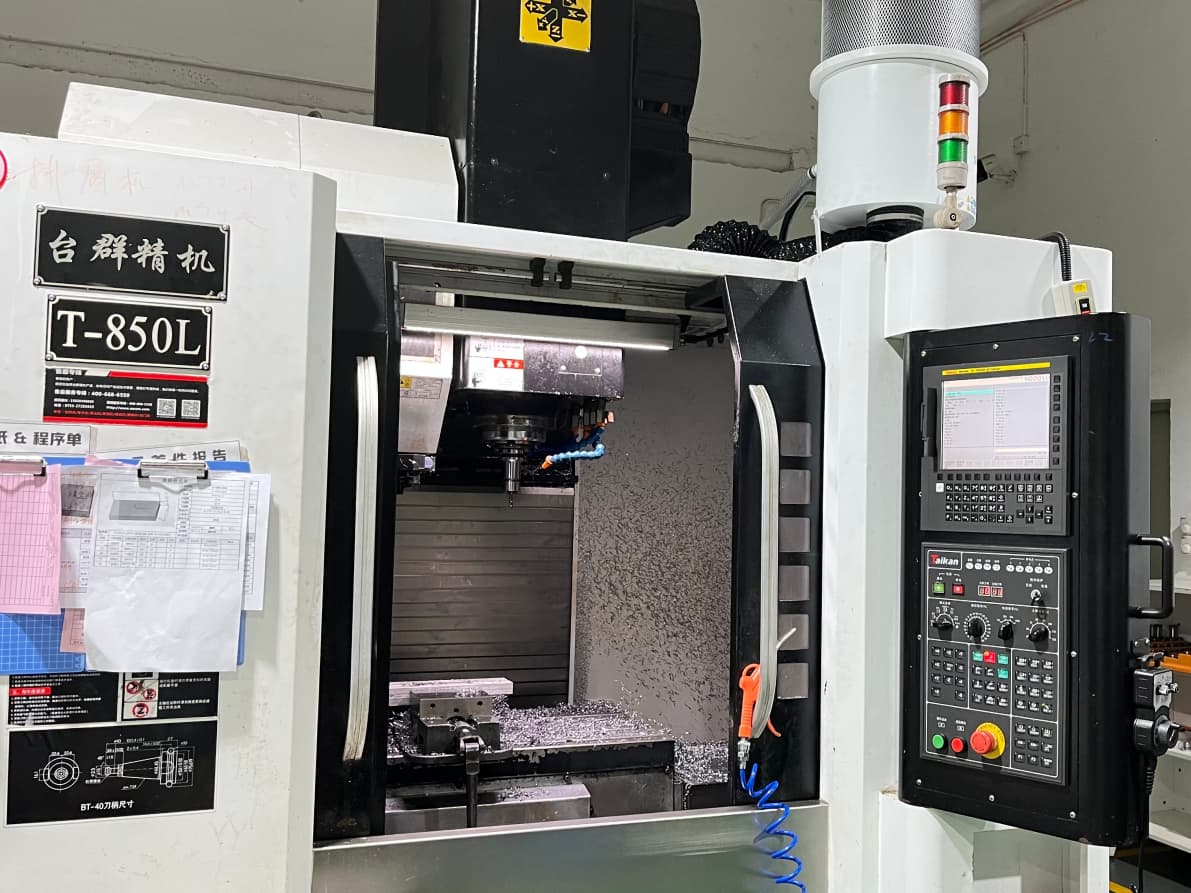
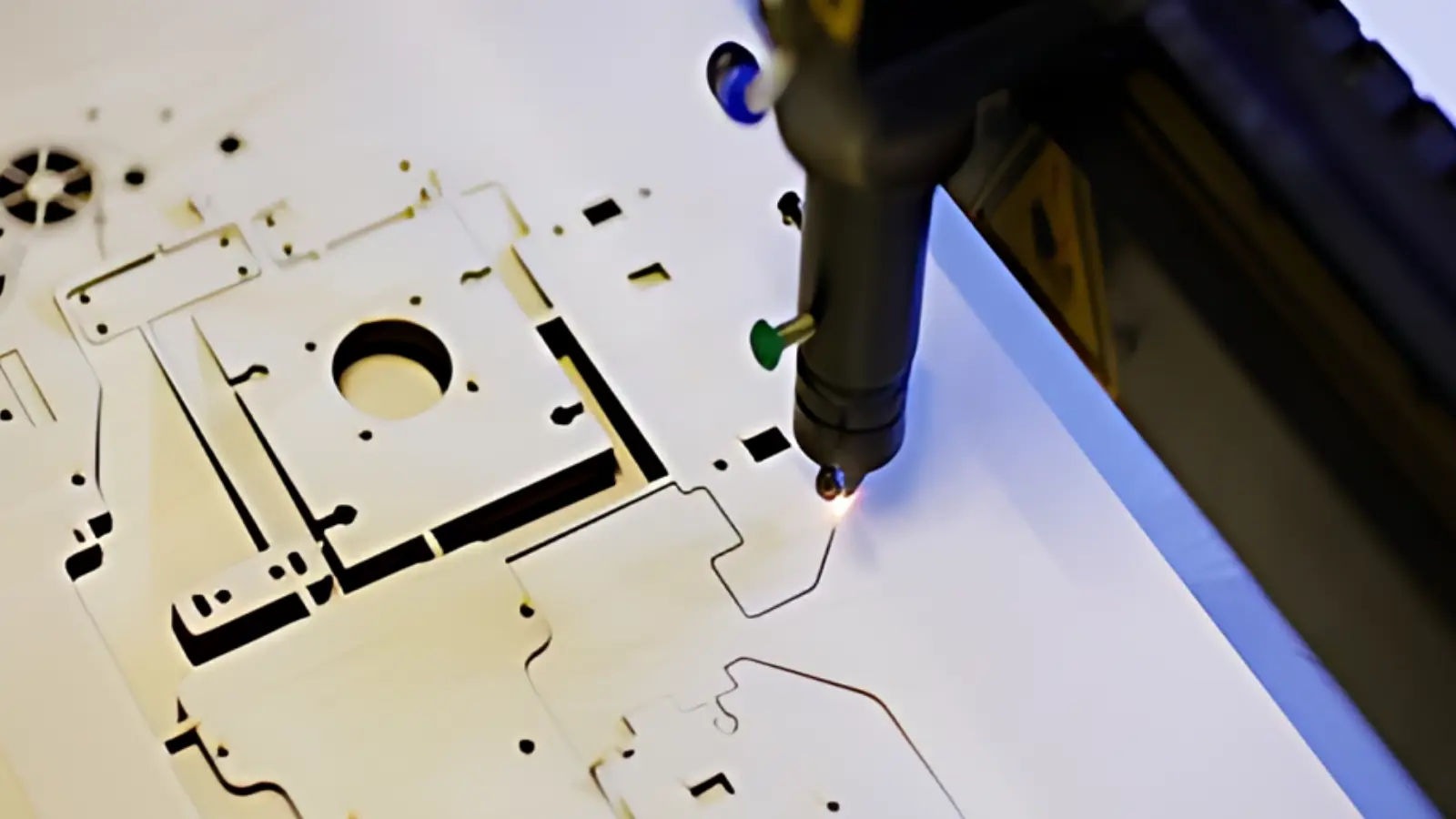
Finally, collect the machine capability list: 3-axis CNC, 5-axis CNC, and any laser cutting or die casting lines. Match the spindle envelope to your largest part. A physical size limit here cannot be solved by CAM software; the part simply will not clear the tool path.
Cross-check every document against your full drawing package before the first sample ships.
How Do You Verify Tolerance Capability Before a Bulk Order?
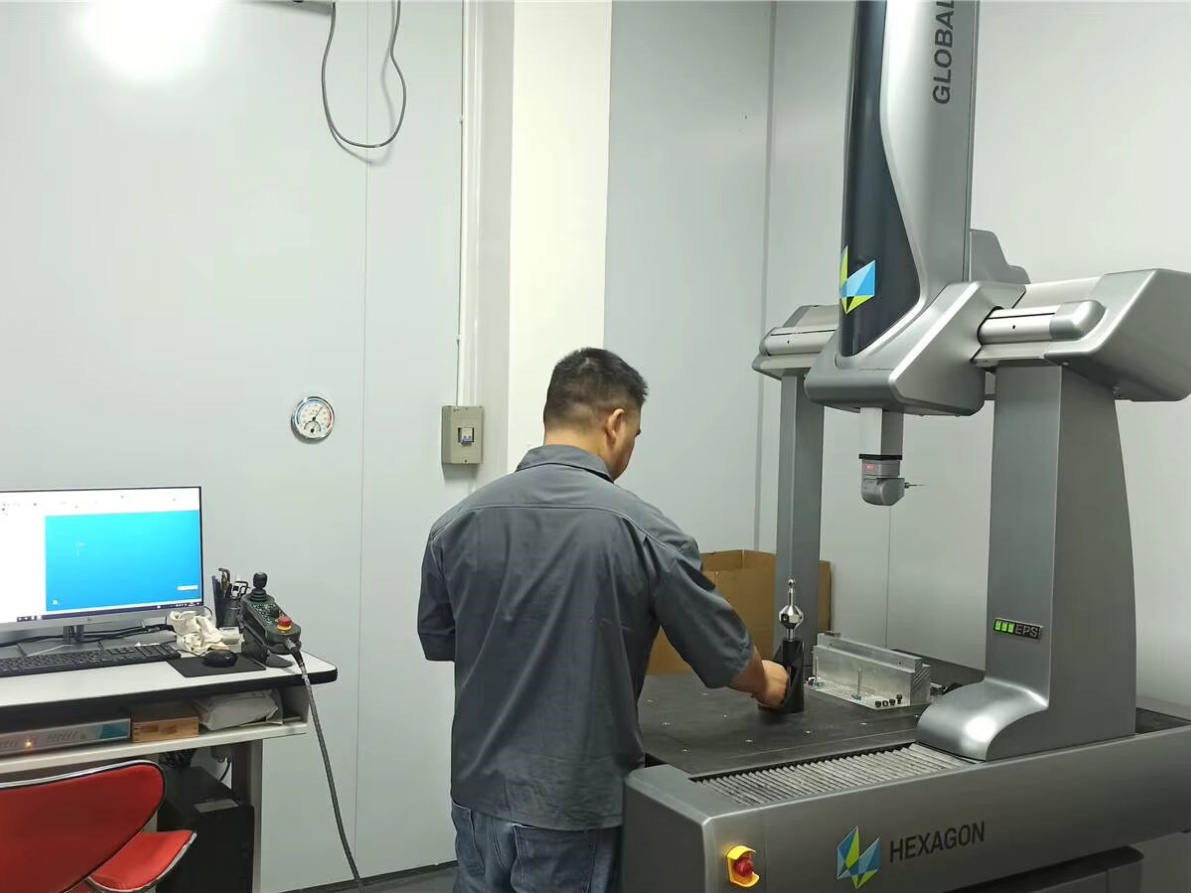
A ±0.05 mm callout on a 304 stainless bracket means the shop must run ASME Y14.5 GD&T with defined datum features. Ask the supplier to send a CMM report from their last production run on a similar geometry.
The report should show measured values against tolerance, not a single pass/fail stamp. For a feature-controlled position on a 316L flange, you want the actual deviation vector with coordinate data, not a checkbox.
If the supplier only states ISO 2768-m general tolerances, that is a different precision class than the ±0.05 mm your drawing demands. The mismatch surfaces as a high incoming-rejection rate on the first lot. The physical limit: a 3-axis machine holds a flat part within spec, but a deep cavity with a 15-degree undercut still needs a 5-axis setup or a secondary EDM operation.
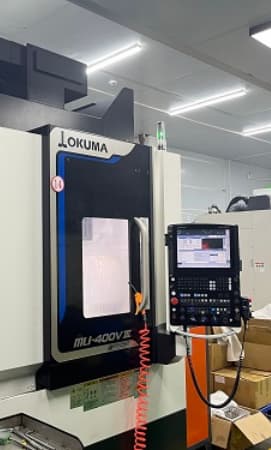
Request the CMM raw data file, not just the summary sheet, so you can audit the measurements yourself.
Which Materials Need Extra Supply-Chain Checks in China?
Common CNC materials like 5052 aluminum, Brass, and Copper have tight mill-availability windows. During quarter-end production surges, certified stock lead times can stretch from 15 days to 20-to-25 days.
For engineering alloys such as H13 tool steel or Nylon, the real risk is substitution. A supplier may ship a visually identical bar with a different heat-treatment condition. The mill certificate closes that gap: it names the exact grade and heat number.
ABS and PC used in injection molding fixtures need a resin lot number and a moisture-content specification. A generic material label does not confirm the impact grade you designed against.
No checklist substitutes for a spot-check CMA test on a safety-critical lot. Budget for that test on the first shipment regardless of supplier history.
How We Validate a Process Before It Ships
For every new part, the first article goes through a full FAI against the drawing, including a CMM scan and a dimensional report with measured values at each critical feature. During production,in-process checks run at defined stations: after roughing, after finishing, and before deburr.
Each batch leaves the shop with a travel document: the COA, the CMM report, and a batch sampling record. The sampling plan scales with lot size; a 50-piece run checks more individual units than a 500-piece run.
Quality System Reference: ISO 9001:2015 / IATF 16949 / ISO 13485. Client-specific data withheld per NDA.
You can send your specifications to YPMFG for a process-route review before committing to a volume order.
Practical Questions Before You Order From a China CNC Shop
Can a Chinese CNC supplier hold ±0.01 mm on a 316L part? Yes, if the shop runs 5-axis CNC with thermal-compensation spindles and a calibrated CMM. The drawing must still define datums per ASME Y14.5; the tolerance value alone is not sufficient.
No. A supplier without a written FAI procedure cannot guarantee lot-to-lot consistency. Ask to see the first-article report format before the first shipment, not after a rejection.
What is the realistic prototype turnaround? For a single 6061 part on a 3-axis CNC, expect 3-to-7 days from drawing approval to shipment. Complex 5-axis geometry in 316L typically runs 15 days.
How do I confirm a supplier is a real shop and not a trading middleman? Request a live factory video call showing machine serial numbers, then cross-reference those serials against the machine manufacturer’s registration. A middleman will not have the shop floor on camera.
Choosing the Right CNC Machining Partner in China
The checklist works because it moves risk from the receiving dock to the pre-award stage. You price the risk once, in writing, instead of absorbing it later as scrap and expedited freight.
Start by pulling your drawing package, identifying the tightest CNC machining tolerance, and listing the five document items above. Send that package to YPMFG for an engineering review. The team will flag any geometry that exceeds a 3-axis envelope, recommend a material grade with traceable mill certs, and return a process-route timeline before you commit capital.
That review is a conversation, not a contract. One email and a set of PDFs is enough to start.