English
 German
 Russian
 Japanese
 Korean
 Spanish
 French
 Italian
 Portuguese

T651 is T6 with thermal and rolling stresses relieved. For parts needing CNC machining tolerance tighter than ±0.01 mm, T651 holds shape better after the cut. T6 suits brackets, housings, and general-structure work where ±0.05 mm is acceptable.
Choosing between 7075 T6 and 7075 T651 shows up on most aerospace and automotive aluminum CNC machining jobs. Both tempers hit the same mechanical spec per ASTM B209, so strength is not the differentiator. The question is dimensional stability after the part leaves the vise. YPMFG engineers review your print and tolerance stack before quoting, so the temper call lands on actual risk, not habit.
- Dimensional drift: T6 parts can shift up to 0.02 mm during post-machining relaxation; T651 holds within print as-machined.
- Material cost: T651 billet typically runs 10–15 percent above T6 at the same wall thickness.
- Stock window: T651 availability is tighter by thickness; confirm supplier lead time before locking a machining schedule.
If your print calls for ±0.005 mm on a thin-walled bracket, T651 is the safer call. For standard housings and structural mounts, T6 saves material cost without a function trade-off.
Why Does T651 Hold Tolerance Better Than T6?
T651 starts as T6, then undergoes a controlled stress-relief cycle. The material is warmed and held so residual stresses from rolling and quenching dissipate before any chip is cut. When your tool engages that stock, it does not spring back.
T6 billet carries higher stored stress from the quench step in the heat-treatment line. Once a carbide end mill removes material, those stresses release and the part shifts. The shift is 0.01–0.02 mm on typical geometries and more on thin or long sections. This is not a machining error; it is the material relaxing to a new equilibrium.
When the Shift Becomes a Problem
If your tolerance band is ±0.05 mm, a 0.02 mm shift stays inside spec. If the band is ±0.005 mm, the same shift pushes the part out. T651 removes that variable because the stresses are already relieved before your tool touches the surface. You inspect and ship without a settling hold.
The physical limit to note: no temper drives residual stress to absolute zero. T651 reduces it substantially, not entirely. Walls under 1.5 mm can still creep over months in service, so design a small tolerance band regardless of which temper you pick.
What Changes in the Cutting Process Between the Two Tempers?
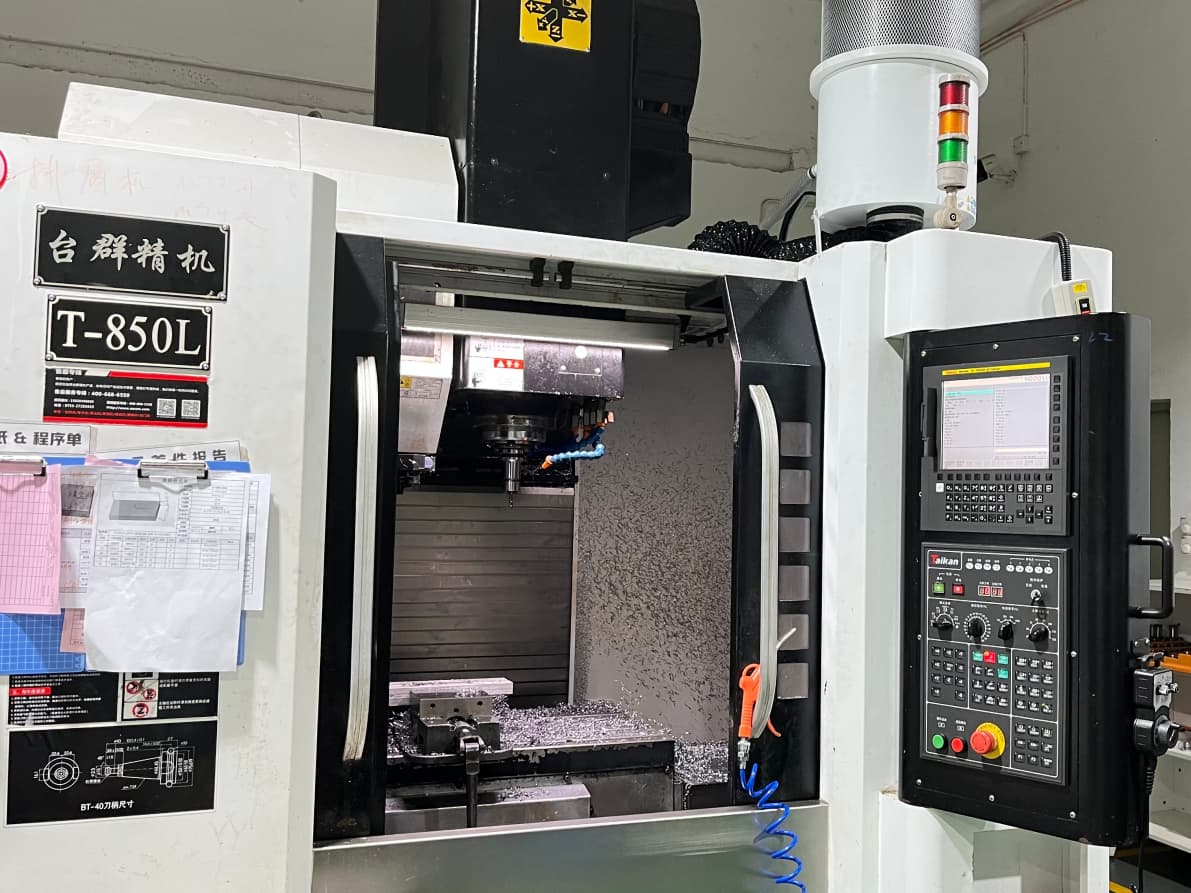
Tool wear rates, feed speeds, and cutting forces are nearly identical for T6 and T651. Both sit around 150 HB, and the same CNC mill at the same feed per tooth performs equivalently in either temper. The difference is what happens after the cut, not during it.
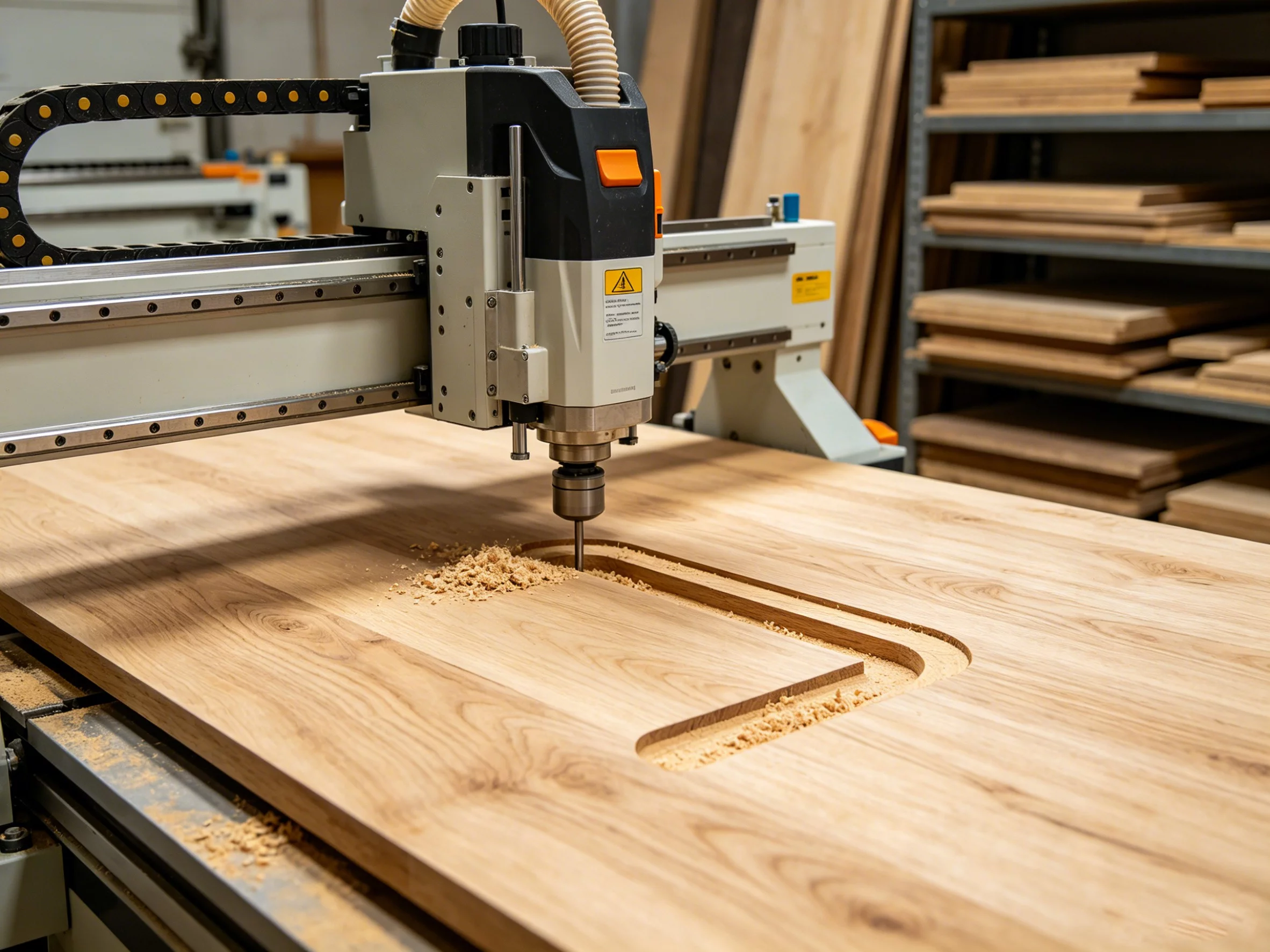
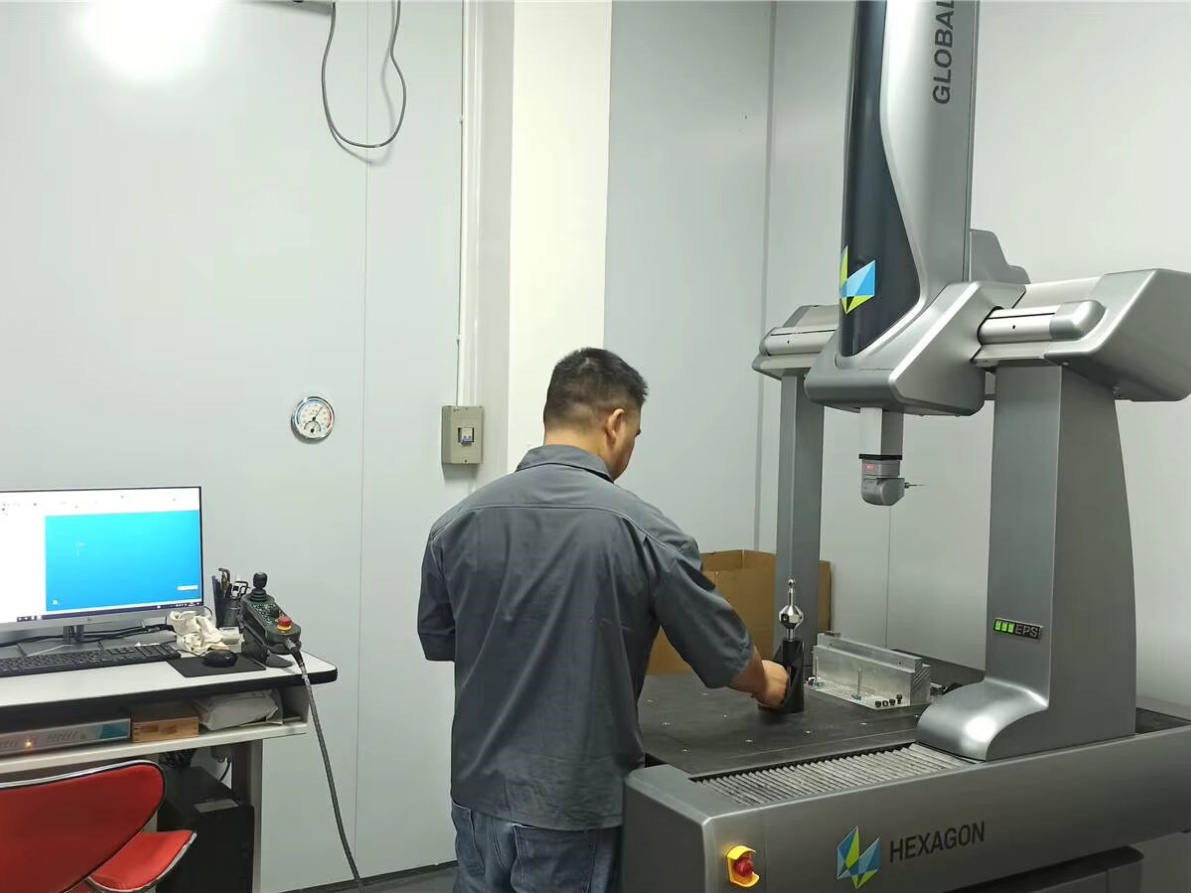
The practical shift is in your inspection and release strategy. With T6, you may need a post-machining soak or a 24-hour settling period before final CMM inspection. With T651, you can inspect and ship the same day. That removes a quality hold and tightens cycle time on repeating runs.
One sourcing trade-off: T651 stock is harder to find in odd plate sizes. A 3 mm plate in a non-standard length may require a cut-to-order, adding lead time. YPMFG can confirm stock availability against your print dimensions before you commit to a machining quote.
How Do You Decide Which 7075 Temper to Specify?
Start with your tolerance stack. If the critical dimension is ±0.02 mm or looser,T6 is sufficient and costs less. If the critical dimension is ±0.01 mm or tighter, especially on thin or long sections, specify T651. If the part sees cyclic or vibration loading, confirm with your stress engineer whether the T6 residual-stress profile is acceptable for the duty cycle.
- Check the tensile strength spec: both meet 572 MPa min per ASTM B209, so strength does not differentiate.
- Check wall thickness: below 3 mm, lean toward T651 for shape retention.
- Check service environment: continuous vibration favors the lower stored energy of T651.
The boundary to remember: specifying T651 does not let you tighten tolerances indefinitely. It removes one variable. Geometric design, fixture stiffness, and tool deflection still govern your achievable machining tolerance. No temper makes a loose design hold a tight number.
Common Questions About 7075 Temper Selection
Can I use T6 instead of T651 on an aerospace part? It depends on the drawing. If the print explicitly calls T651, substituting T6 is a non-conformance. If the spec line says “7075, tempered,” either temper works. Always verify the material line before quoting.
Does T651 cost significantly more? The billet premium is modest, usually 10–15 percent over T6. On a high-volume run the dollar delta is small compared with the scrap risk if T6 drifts out of tolerance. For a one-off, the extra material cost may not justify the tighter spec unless the tolerance demands it.
No, T651 does not make the part stronger. Yield and ultimate tensile values are identical to T6 per ASTM B209. The only gain is dimensional stability. If your failure mode is overload, temper choice is irrelevant; select on strength class, which is the same for both.
Matching the Temper to Your Part
The right temper is a function of tolerance, wall thickness, and service environment, not of cost alone. Send your print, fixture drawing, and target quantity to YPMFG. The engineering team flags whether T651 is required, whether T6 is acceptable, or whether a different alloy or temper fits the load case better. You get a written recommendation attached to the quote, so the decision is documented before material is ordered.
That step keeps you from buying the wrong billet, re-machining a batch, or shipping a part that sits out of spec on the receiving bench. Ten minutes of review now avoids a non-conformance report and a rework loop later.