 English
  German
  Russian
  Japanese
  Korean
  Spanish
  French
  Italian
  Portuguese
 Quick answer:
Shenzhen remains one of Asia’s most active regions for metal stamping services, offering manufacturers rapid prototyping, short-run production, and high-volume stamped parts at competitive pricing. The city’s dense supplier network covers everything from progressive die stamping to fine-blanking operations, making it easy to find a manufacturer that matches your tolerance, material, and volume requirements. However, quality varies significantly between shops, and the biggest risk is assuming all Shenzhen-based stampers meet international standards without proper vetting.
For engineering and procurement teams, choosing a shenzhen stamping manufacturer is less about finding any supplier and more about finding one that can consistently deliver precision parts on schedule. Many buyers arrive in Shenzhen with good intentions, only to face rework delays, dimensional drift, or unclear communication about tooling ownership. The following guide breaks down what actually matters when you evaluate stamping partners in this region.
Understanding Stamping Capabilities in Shenzhen
Shenzhen’s manufacturing ecosystem includes a wide range of stamping and forming services, from small job shops working in thin gauges to large facilities running high-tonnage presses for heavy gauge components. Understanding where your project fits within that spectrum is essential before any quote request.
Progressive die stamping is common in Shenzhen due to the city’s strong mold-making supply chain. These operations excel at high-volume runs where part consistency matters more than flexibility. Each station in the die performs a different operation—piercing, bending, forming—until the final part drops out. Lead times for progressive dies typically range from three to eight weeks depending on complexity.
Single hit or transfer die stamping serves lower-volume needs where frequent design changes are expected. While per-part cost is higher than progressive stamping, the total cost of ownership can be lower when production runs fluctuate or when part revisions are anticipated. Shenzhen shops generally offer both approaches, but not all have the toolroom capacity to maintain and modify dies internally.
Fine-blanking is another capability found among mid-to-upper-tier Shenzhen stampers. This process produces parts with clean shear surfaces and minimal burr, often eliminating a secondary finishing operation. If your application requires a professional edge condition for assembly or aesthetic reasons, fine-blanking should be a standard evaluation criterion rather than an afterthought.
Material and Tolerance Expectations
The materials commonly processed through stamping Shenzhen facilities include cold-rolled steel, stainless steel, aluminum, brass, copper, and specialty alloys. Material choice directly affects die wear,springback behavior, and surface finish. Aluminum and copper require different press speeds and lubrication strategies than steel, and not all stampers have experience across the full material range.
Tolerance expectations should be stated clearly in every RFQ. Standard stamping tolerances typically fall within ±0.005 inches for general dimensions and ±0.002 inches for critical features. Achieving tighter tolerances often requires secondary operations such as piercing, grinding, or CNC finishing. A reputable shenzhen stamping service provider will tell you upfront when a tolerance request exceeds what stamping alone can reliably deliver, rather than overpromising during the quoting phase.
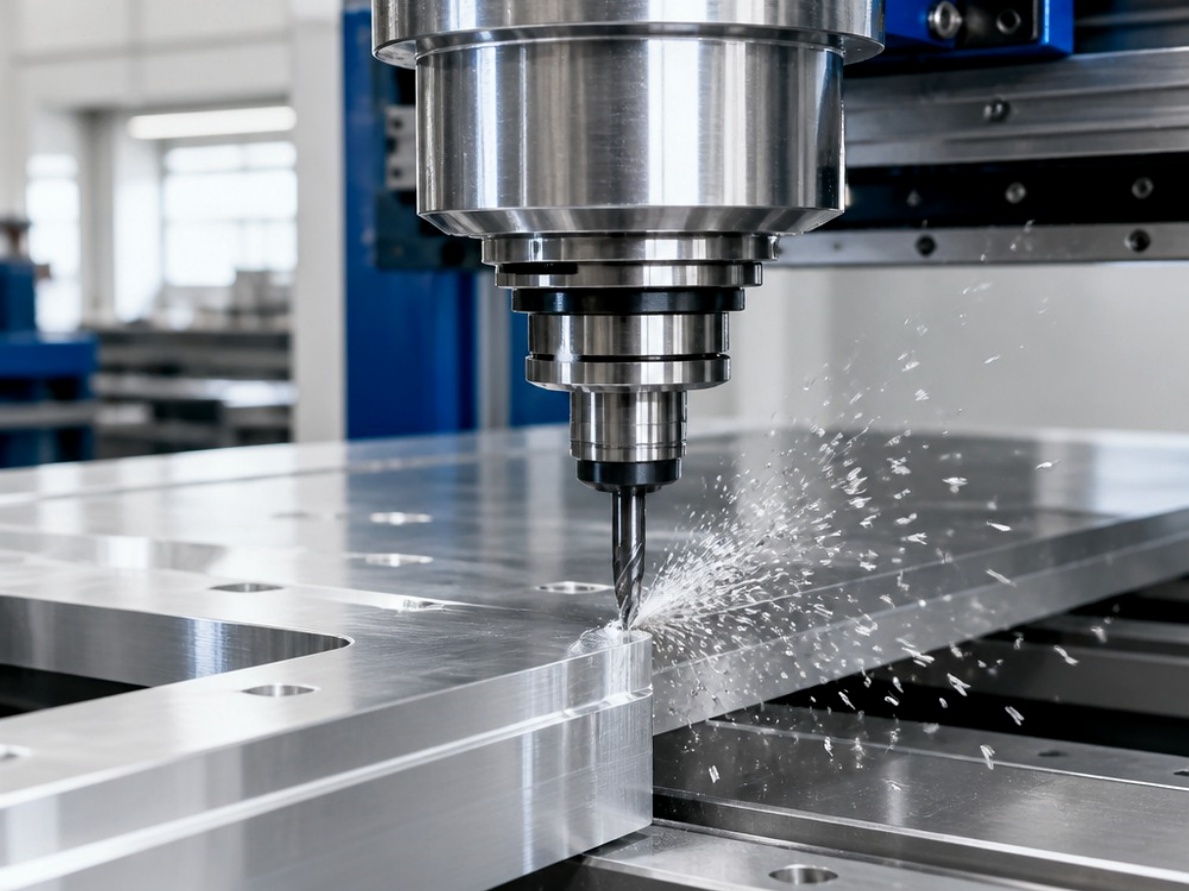
Surface treatment options also vary by supplier. Some Shenzhen stampers offer in-house electroplating, powder coating, or anodizing. Others outsource these processes to nearby facilities. If surface treatment is part of your specification, verify whether the stamping shop controls the entire chain or passes it off to subcontractors without oversight. Subcontracted finishing is a common source of quality inconsistency.
Tooling Ownership and Design Support
One of the most important yet overlooked aspects of sourcing stamped parts from Shenzhen is tooling ownership and die management. Many buyers discover too late that their purchased tooling is held as collateral, that die repairs incur unexpected charges, or that the manufacturer retains intellectual property rights over the design.
A transparent stamping supplier will provide written confirmation of tooling ownership terms before production begins. This should cover who owns the die, where the die is stored, who is responsible for maintenance, and what happens if the production relationship ends. These terms should be included in your purchase agreement, not left to verbal understanding.
Design for manufacturability support is another factor that separates professional stampers from generic job shops. A capable partner will review your drawings and flag features that increase cost unnecessarily—such as excessive hole patterns, tight internal radii, or non-standard bend angles that require special tooling. When YPMFG receives engineering drawings for stamping evaluation, the initial review includes checks for manufacturability, material efficiency, and potential cost reduction through design adjustment.
Cost Structure and Hidden Factors
Stamping pricing in Shenzhen is influenced by several interrelated factors. The most obvious is material cost, which fluctuates with global commodity prices. But material cost is often only thirty to fifty percent of the total landed cost for a stamped component.
Tooling amortization is the second major cost driver. High-volume parts spread tooling cost across thousands of units, making the per-piece price very attractive. Low-volume parts carry a significant tooling surcharge that can double or triple the effective unit cost. Buyers should always request a breakdown that separates tooling cost from unit pricing so they can model the true cost at different production volumes.
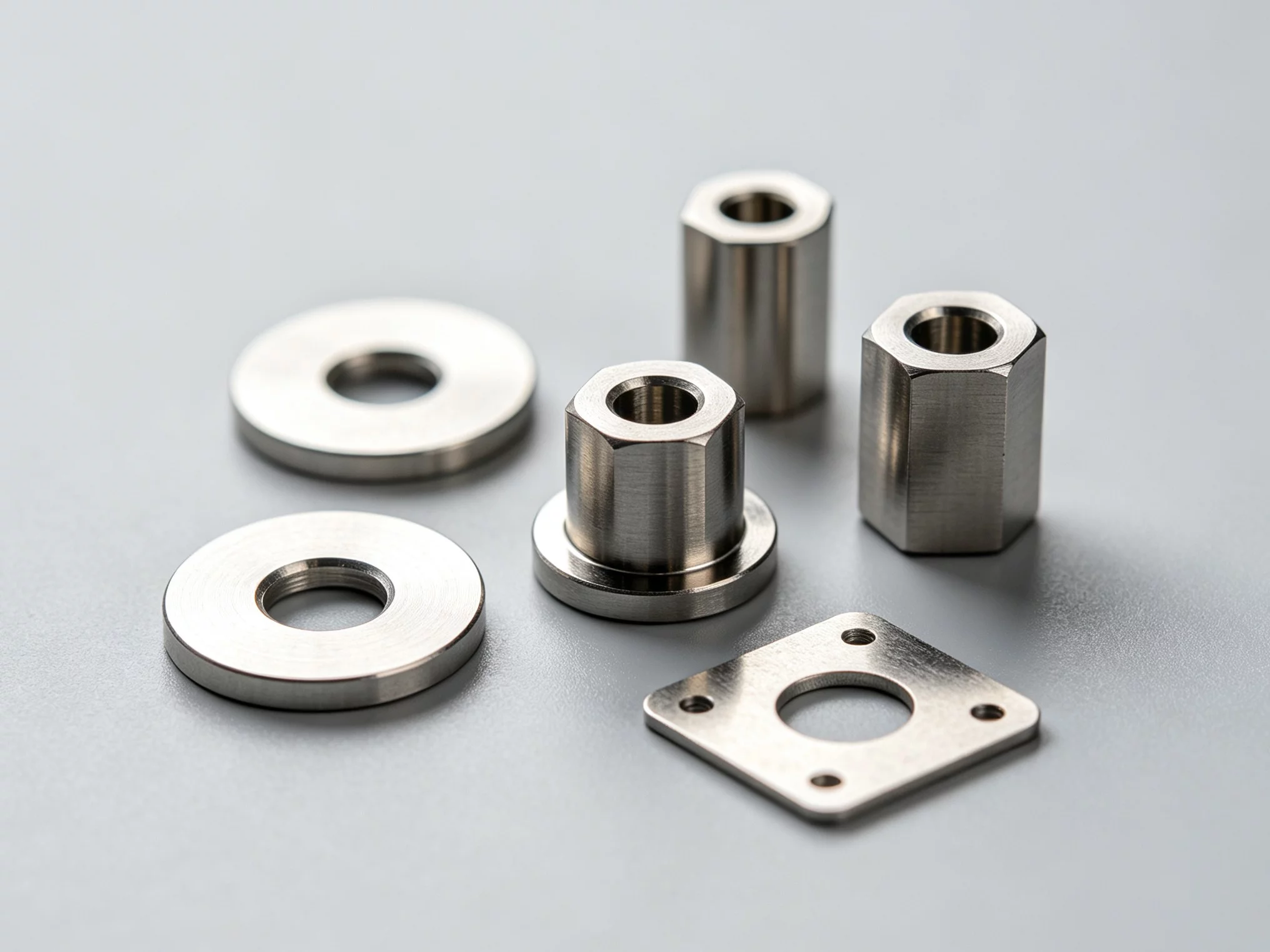
Setup time, press tonnage requirements, and secondary operations also affect pricing. A part that requires eight different bending operations will cost substantially more than a simple pierced flat washer, even if both use the same material thickness. When comparing quotes from multiple shenzhen stamping manufacturers, ensure each quote covers the same scope of work, including any deburring, inspection, or packaging requirements.
Quality Control and Documentation
Quality verification is non-negotiable for precision stamped parts. Reputable Shenzhen stamping facilities should provide first article inspection reports, material certifications, and dimensional check records. These documents are not optional extras—they are the baseline evidence that a supplier operates with traceability and accountability.

Statistical process control is more common in facilities serving automotive and medical industries. If your application falls under a regulated sector, ask whether the stamping shop maintains ISO certification and whether their quality management system covers incoming material inspection, in-process monitoring, and final acceptance testing.
Sampling plans should be defined before production starts. Whether you use AQL sampling, full inspection, or SPC monitoring, the acceptance criteria must be agreed upon in writing. Vague quality expectations lead to disputed shipments and delayed deliveries.
Selecting the Right Stamping Partner
The decision of where to source stamped components from Shenzhen should be based on capability alignment, not just price. The lowest quote often reflects a shop that lacks the toolroom depth, quality documentation, or communication bandwidth to handle your requirements professionally.
Evaluate potential partners against these criteria:
When YPMFG reviews a stamping request, the evaluation follows this same framework. The company provides engineering assessment, material recommendation, and cost breakdown before any commitment is made. Buyers who send complete specifications—including material grade, thickness, quantity, tolerance requirements, and surface treatment needs—receive faster and more accurate responses.
Practical Questions Before Choosing a Stamping Supplier
How long does tooling take for a new stamped part?
Tooling lead time depends on complexity. Simple single-stage dies may be ready in two to three weeks. Progressive dies with multiple stations typically require four to eight weeks. Always ask for a detailed tooling schedule before approving the quote.
Can I visit the manufacturing facility before placing an order?
Yes, and you should. A facility visit lets you observe press conditions, quality inspection practices, and workforce professionalism. Many Shenzhen stamping suppliers welcome customer visits, especially when you are evaluating them for long-term production.
What happens if the stamped parts fail inspection?
A professional supplier will have a documented non-conformance process. This should include root cause analysis, corrective action, and replacement or rework at the supplier’s expense when the defect is their responsibility. Confirm this policy in writing before production starts.
Do stamping quotes include packaging and shipping?
Usually not. Most quotations cover parts and tooling only. Packaging, export documentation, and freight are typically additional. Clarify incoterms and packaging specifications during the quoting phase to avoid surprise charges.
How do I protect my tooling investment?
Include a tooling ownership clause in your contract. Specify where the die will be stored, who controls access, and under what conditions the die can be transferred to another facility if needed. Written agreements prevent disputes later.
Making a Better Long-Term Decision
Sourcing metal stamping services in Shenzhen can deliver strong value when approached with clear specifications and realistic expectations. The region’s density of stamping suppliers means you have options, but option selection should be driven by capability fit rather than price alone.
Before requesting quotes, prepare complete technical documentation. Include material specifications, drawing revisions, tolerance callouts, and surface requirements. Complete information reduces back-and-forth and produces more comparable bids.
If you have drawings or specifications ready, you can send them to YPMFG for engineering review and quotation. The team provides feedback on manufacturability, suggests cost-effective design adjustments when applicable, and delivers a structured quote that separates tooling from unit pricing. This approach helps you compare offers on equal terms and makes an informed decision with confidence.