German
  English
  Russian
  Japanese
  Korean
  Spanish
  French
  Italian
  Portuguese
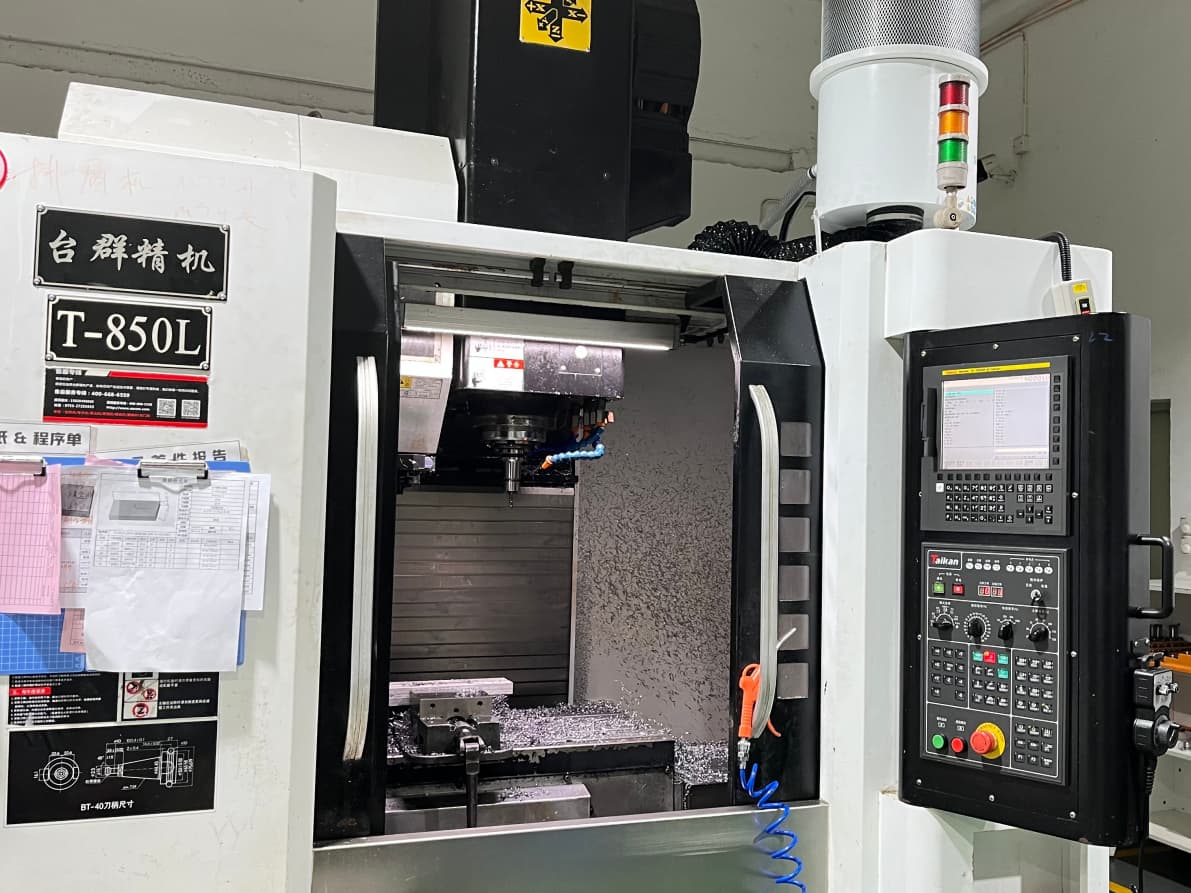
 Dongguan aluminum products cover a broad range of CNC-gefräste Teile, extruded profiles, and stamped components for electronics, automotive, and industrial equipment. The region concentrates thousands of machining shops within a small geographic area, which keeps lead times short and design iteration fast. The trade-off is that quality control varies shop to shop.
You must verify alloy grade, process capability, and finishing specs on every single order. Below is a practical checklist for buyers evaluating suppliers in this cluster.
The risk is rarely the aluminum itself. It is the gap between what a spec sheet states and what actually comes off the machine. A wrong alloy selection or skipped heat treatment will not announce itself until final assembly. This guide focuses on the verification steps that surface those issues before they become field failures.
Material and Process Options
Dongguan shops work with most common aluminum alloy grades: 6061, 7075, 5052, 6063, and 3003. Your selection should follow load requirements, corrosion exposure, and whether the part needs Eloxieren or hard-anodizing. In many cases, 6061 covers general structural needs at the lowest cost.
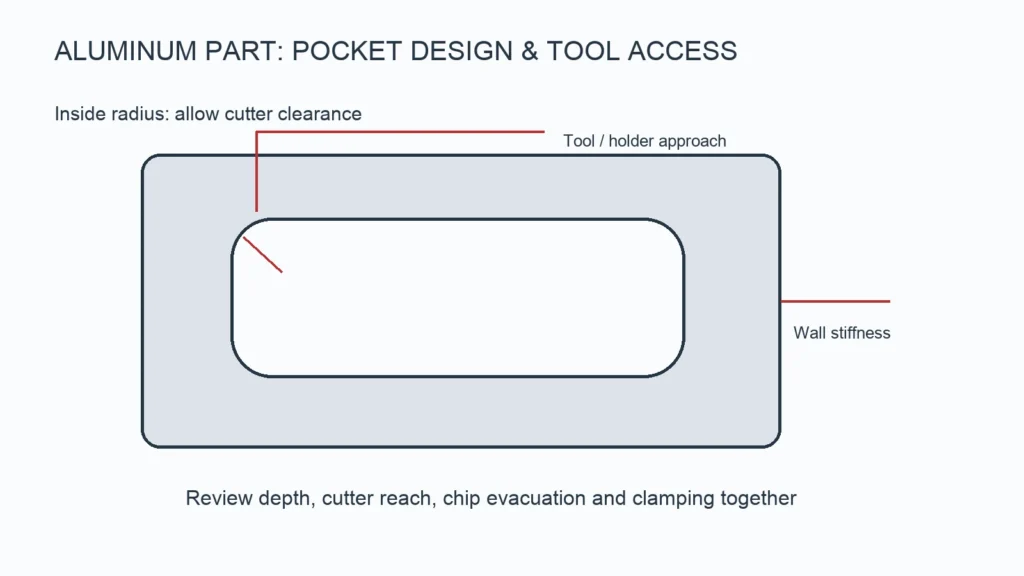
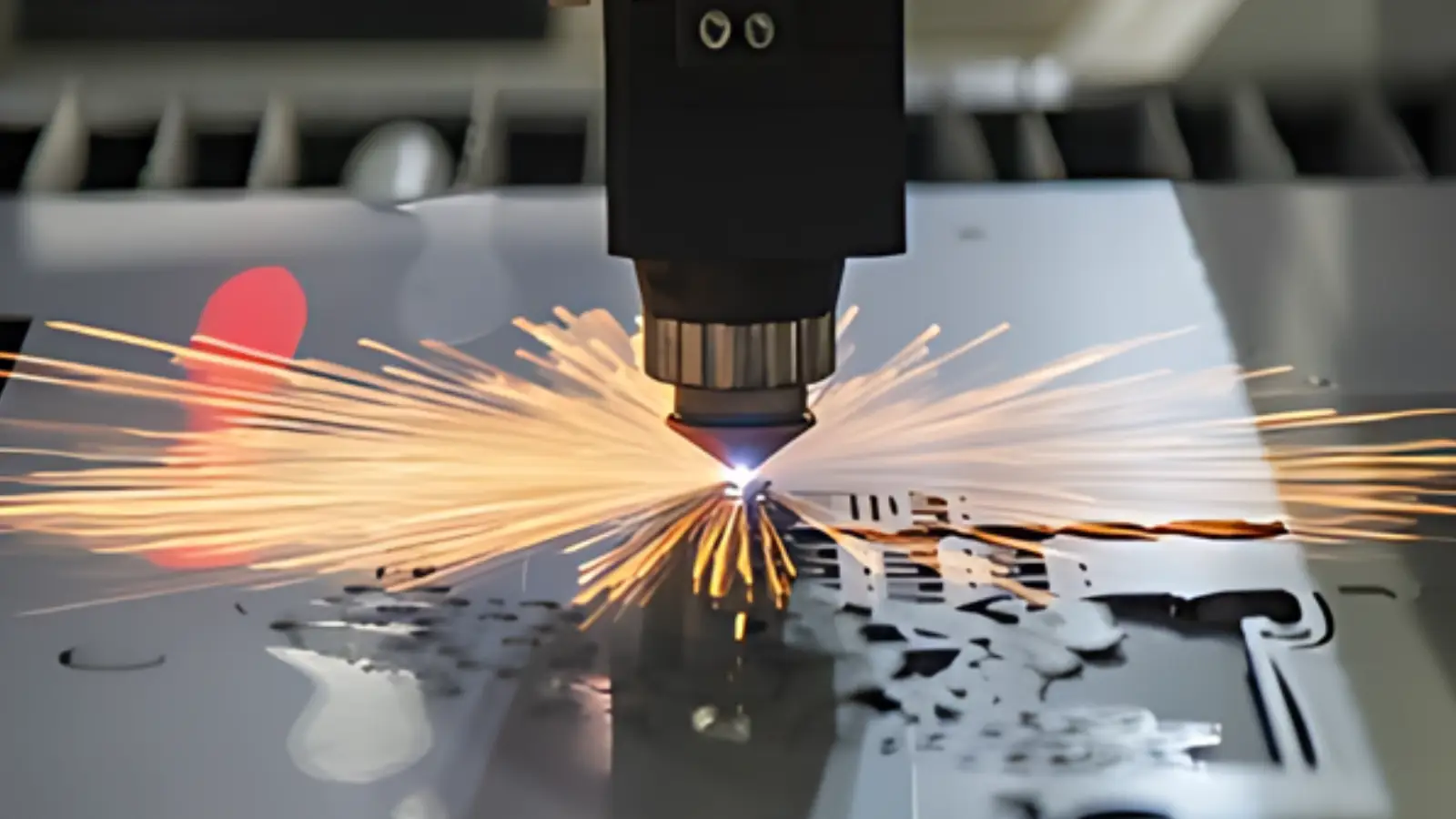
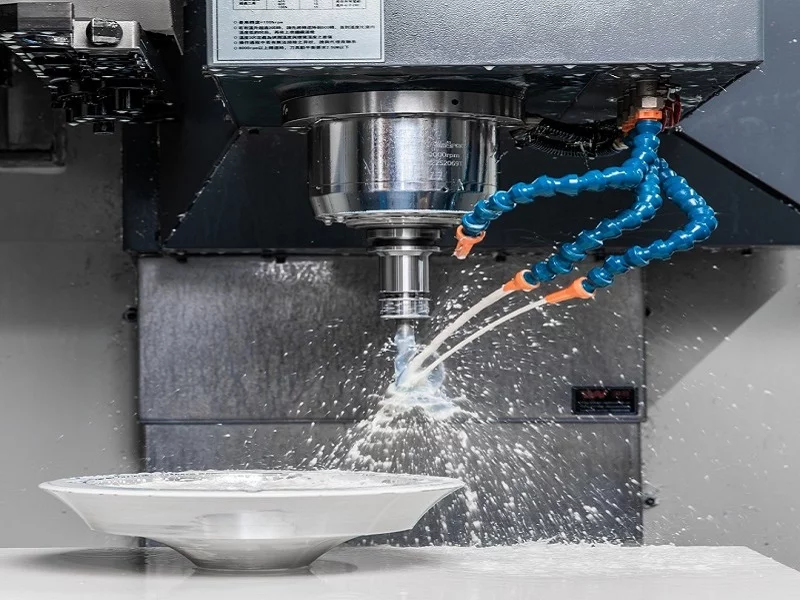
For precision features, CNC milling and turning dominate. At higher volumes, stamping and extrusion become more economical. A hybrid approach is common: extrude the blank, then CNC-machine the critical dimensions.
The table covers the five alloys you will encounter most often. Strength values are typical for the T6 temper and should be confirmed against the specific heat-treatment lot. If your application involves cyclic loading, ask the supplier for fatigue data rather than relying on static tensile numbers alone.
Was Sie vor der Bestellung überprüfen sollten
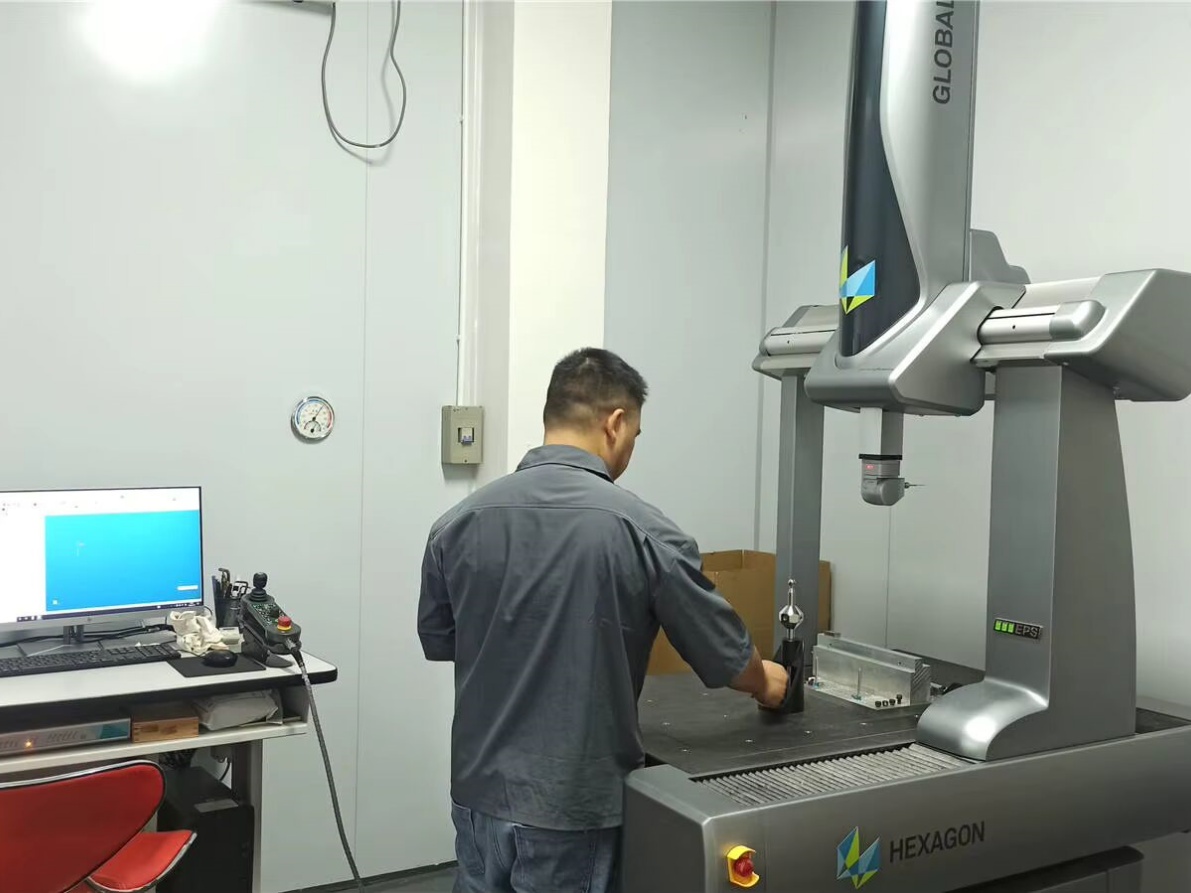
Before committing to a production run, request Materialzertifikate (mill test reports) for every alloy lot. These documents confirm the actual chemical composition and heat-treatment history. Without them, you are working on an assumption.
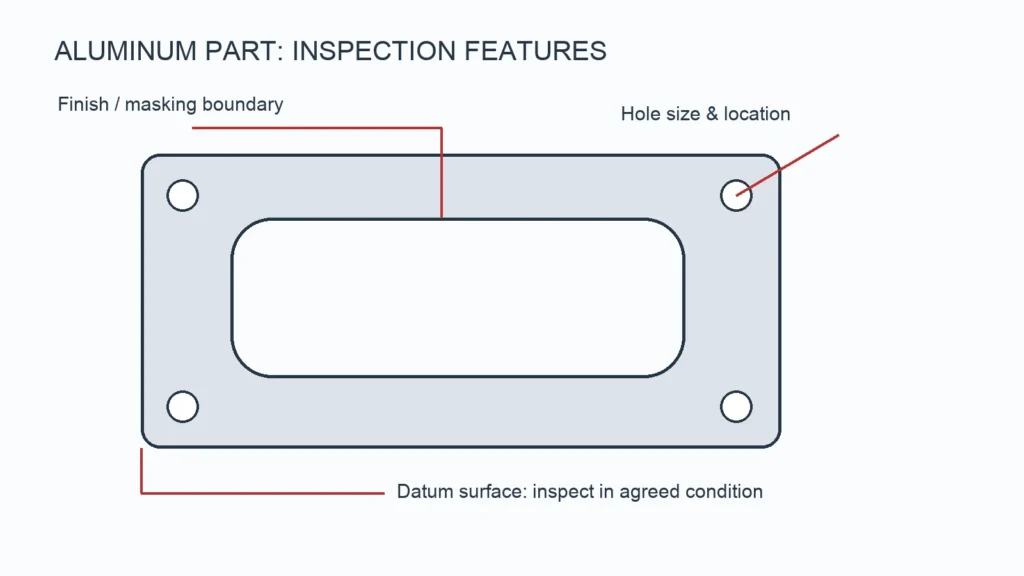
Bestätigen Toleranzangaben in writing. Verbal agreement between a buyer and a shop floor is not enforceable and is a frequent source of disputes. Include datum references, critical dimension callouts, and the applicable GD&T symbols in the drawing package.
Ask for a first-article inspection report on the initial run. This catches setup errors before thousands of bad parts are produced. Verify surface finish requirements: roughness value, anodizing thickness, and color consistency across the batch.
YPMFG supports buyers who need a pre-production engineering review. Send your drawing set and application notes; the team can flag infeasible tolerances, suggest process alternatives, and recommend whether a hybrid extrude-plus-CNC route makes sense for your volume.
Kostenfaktoren und versteckte Risiken
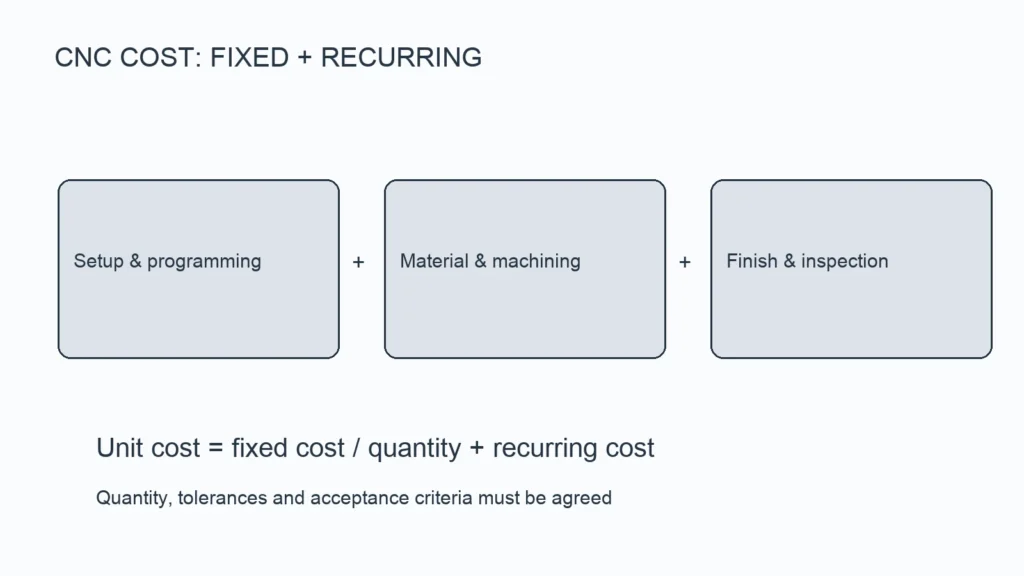
Unit purchase price is often only one part of the total ownership cost. Setup or mold fees, scrap rates on first runs, and rework from missed tolerances add up quickly. A small per-piece saving may be wiped out by a 15% scrap rate on the first batch.
Other factors worth checking:
Dongguan manufacturing logistics: the cluster sits near Shenzhen and Guangzhou ports. Inland or overseas destinations typically add 5–10% freight.
Rush orders compress QC time, which raises defect risk. Build in a realistic inspection window rather than cutting it.
IP protection: sign an NDA before sharing full drawings. Confirm who retains the tooling and master files.
Long-term supply: ask whether the shop can hold tooling for repeat orders and what the minimum re-order quantity is.
Common Questions About Dongguan Aluminum Sourcing
How do I confirm the alloy is what the supplier claims?
Request the mill test report for each lot. It lists the actual chemical composition and heat-treatment condition. Cross-check the lot number on the report against the parts you receive.
What tolerance should I specify for functional parts?
For most mechanical interfaces, ±0.05 mm is achievable on CNC-machined aluminum. Tighter tolerances under ±0.01 mm increase cost and scrap risk. State the tolerance per feature, not as a blanket drawing note.
Is anodizing thickness fixed at one standard?
No. Typical type-II anodizing ranges from 5 to 25 µm. Hard anodizing reaches 25–100 µm. Specify the thickness,color, and seal method in your finish callout.
Can I combine multiple processes on one part?
Yes. A common route is to extrude or cast the blank, then CNC-machine critical features, followed by Oberflächenbehandlung such as anodizing. Confirm the shop handles all steps in-house to avoid hand-off quality loss.
What documentation should I expect at delivery?
At minimum: material certificate, FAI report for the first run, dimensional inspection report per batch, and a finish specification sheet. For regulated industries, add RoHS or REACH declarations if applicable.
## Choosing the Right Aluminum Product for Your Application
The core value of sourcing from the Dongguan cluster is speed and process flexibility. The core risk is inconsistent quality control across shops. Your job as a buyer is to close that gap with clear specs, documented verification, and a supplier willing to show their work.
If you have a drawing set, a BOM, or an application sketch, send it to YPMFG for a no-obligation Technische Überprüfung. The team will flag tolerance risks, suggest alloy substitutions that cut cost, and outline a production sequence that protects your timeline. A 30-minute review before tooling can save weeks of rework after it.