Spanish
 English
 German
 Russian
 Japanese
 Korean
 French
 Italian
 Portuguese

Mecanizado CNC is the process of using computer-controlled machine tools to cut, shape, or form parts from raw material. “CNC” stands for Computer Numerical Control, meaning the machine follows a digital program to move its axes with high repeatability. For engineering and procurement teams, understanding CNC basics means knowing which process fits your part, what tolerances are realistic, and how material selection drives cost. A part that looks simple on a drawing can still require multiple setups, specialized tooling, or post-processing. Getting these fundamentals right before sending a file to a shop saves revision cycles and protects your project timeline.
Many buyers learn about CNC limitations only after a first prototype fails to meet assembly specs. YPMFG works alongside teams who need clarity on CNC machining fundamentals before committing to production runs. The sections below cover what actually drives part quality, cost, and lead time so you can make an informed decision.
What CNC Machining Actually Involves
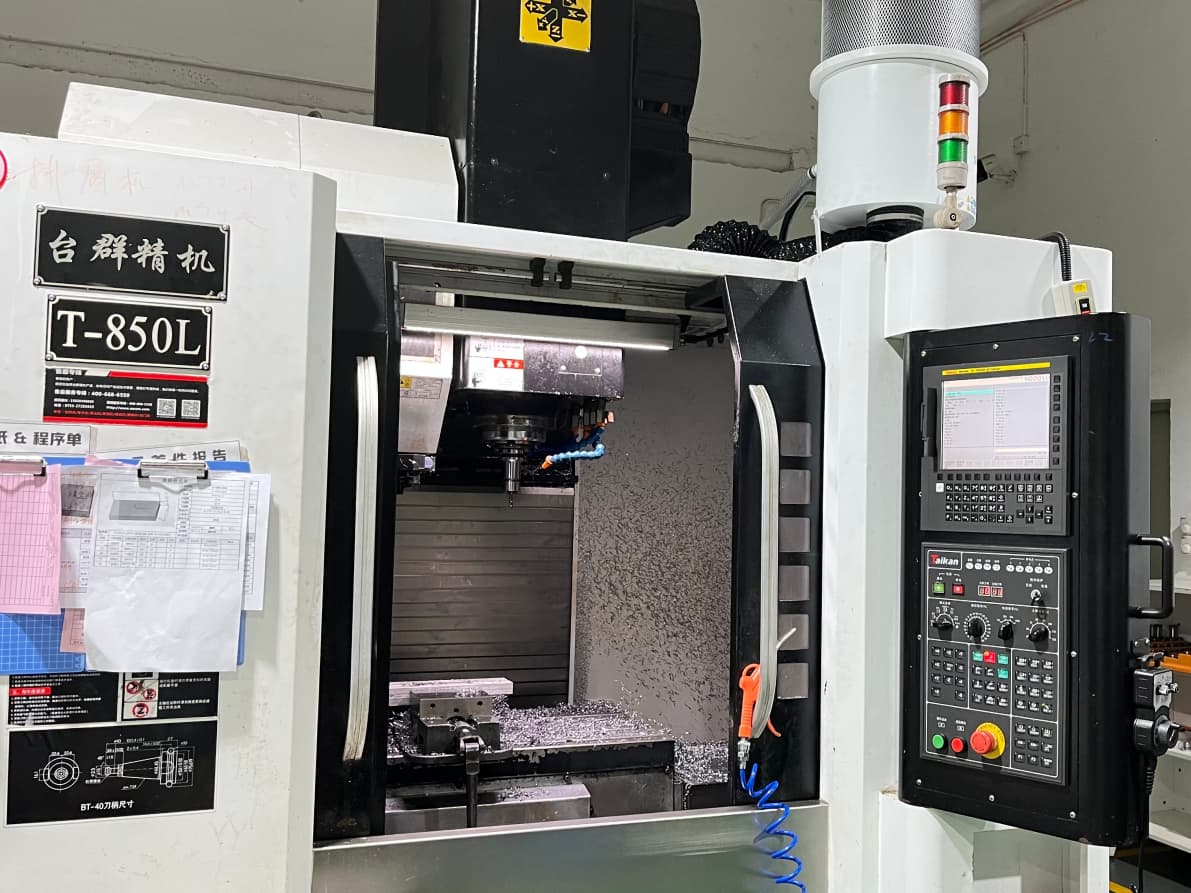
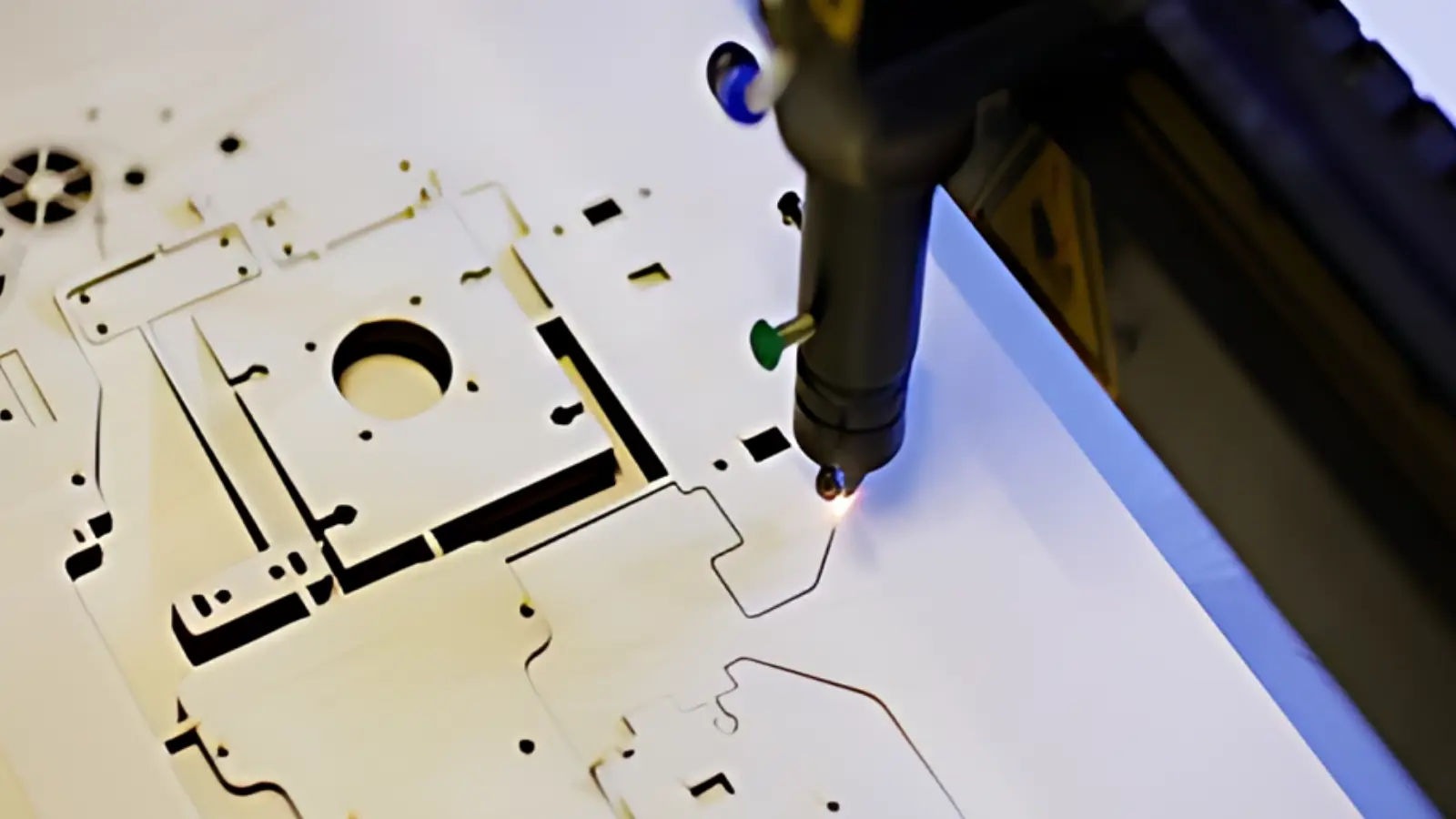
CNC machining removes material using a programmed tool path. The most common processes are Fresado CNC, turning, grinding, and drilling. Each process suits different part geometries and material families. A milled housing and a turned shaft require completely different setups even if they share the same material grade.
The machine reads a G-code or CAD/CAM file and drives axes, typically from three to five. More axes enable complex geometries in a single setup but increase machine cost and programming time. For most standard mechanical components, a three- or four-axis machine handles the job without compromise.
Key considerations at the setup stage include:
Workholding method: vise, soft-jaw fixture, or chuck
Tooling and cutting speed matched to the material
Coolant strategy for thermal stability
Post-machining steps such as deburring, heat treatment,or surface finishing
Factors That Drive CNC Part Cost and Lead Time
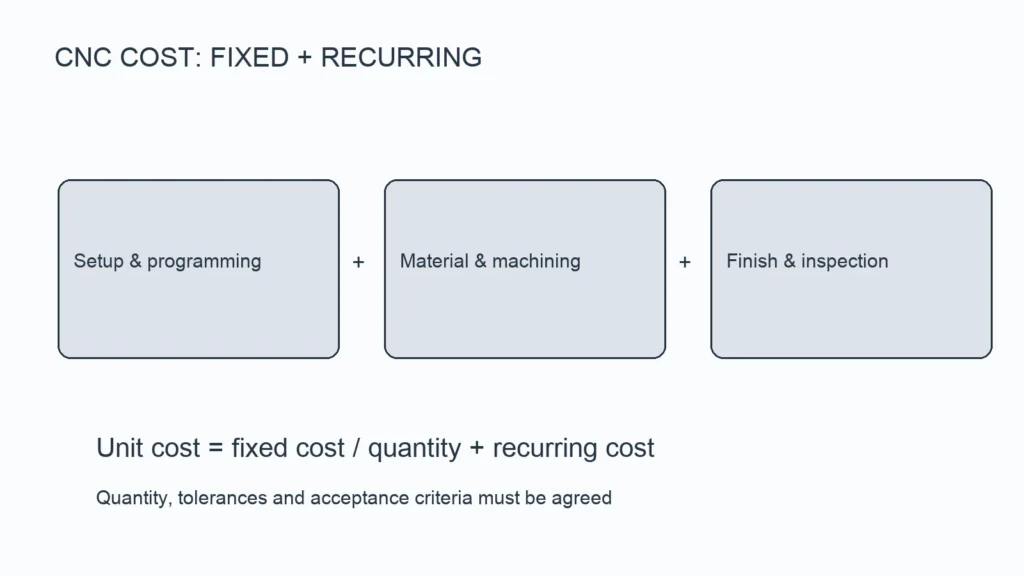
Cost in CNC machining is not determined by one variable. It is the sum of material, machine time, setup complexity, tolerance demands, and post-processing. The table below maps the main cost drivers to what you should verify before requesting a quote.
YPMFG reviews drawings against these drivers during the engineering evaluation stage, so you know where the cost pressure sits before you approve a build.
Tolerances, Standards, and Material Realities
Most machinists work within ±0.1 mm for general fit features. Tighter calls such as ±0.02 mm or smaller shift the job into mecanizado de precisión territory and require dedicated inspection equipment. Always confirm which tolerance class your assembly actually needs; over-specifying adds cost without functional benefit.
Material selection affects cuttability, chip behavior, and machine wear. Common engineering choices include:
Aluminum 6061-T6 for lightweight, easy-to-cut housings
AISI 4140 or 17-4 PH for high-stress structural parts

Stainless 304/316 for corrosion resistance in wet or chemical environments
Brass and copper alloys for electrical or thermal components
In many cases, substituting a near-equivalent alloy can reduce machining time by 15–30% while still meeting your design load. Verify any substitution with your own stress or corrosion tests before locking in a material change.
Common Questions Before You Send a CNC Job
Do I need to specify the material grade on my drawing?
Yes. Listing only “steel” or “aluminum” forces the shop to choose a grade, which affects cost, machinability, and final properties. Specify the full designation, for example AISI 4140 or 6061-T6.
What is a realistic turnaround for a small CNC batch?
Typical lead times range from three to ten business days for 50–500 units, depending on complexity and material availability. Heavier alloys or multi-operation parts can extend this by a week or more.
How tight can CNC actually hold?
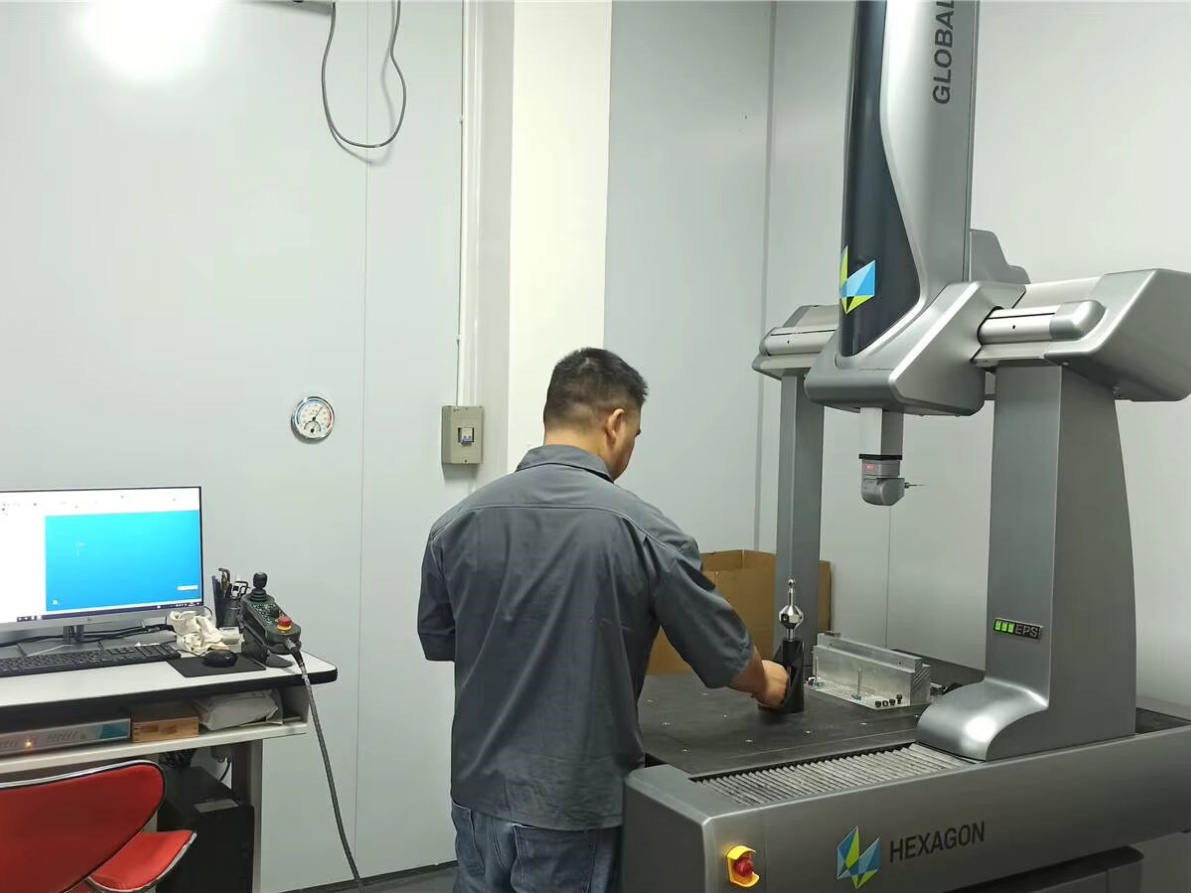
Standard production holds ±0.02–0.05 mm. Sub-micron work is possible but requires CMM verification and often a different machine class. Confirm your especificación de tolerancia against the shop’s actual capability before committing.
Should I request a prototype before full production?
For any part new to your supply chain, a single-unit prototype validates fit, finish, and post-processing. It also surfaces drawing ambiguities that batch production would not.
What documentation should I keep on file for future reorders?
Retain the original CAD file version, the approved drawing revision, material certificate, and any special instructions. This prevents rework when a repeat order is placed months later.
Making a Better Decision on Your Next CNC Project
The single biggest risk in Fabricación de piezas mediante CNC is sending a drawing that looks complete but misses a critical spec, process note, or material constraint. A short engineering review before production catches these gaps early.
YPMFG supports buyers at that stage. You can send your CAD files, drawings, or part specifications for a no-obligation review. The team will flag tolerance conflicts, suggest process alternatives, and provide a transparent cost breakdown so you can compare options before committing.
If you are weighing whether to in-house machining or source externally, a side-by-side comparison of your current Servicio de mecanizado CNC options against your volume and quality requirements will clarify the decision. Start by listing your top three failure modes from previous parts, then verify that the process you choose addresses each one.