 Spanish
  English
  German
  Russian
  Japanese
  Korean
  French
  Italian
  Portuguese
 Respuesta rápida:
A Máquina CNC is a computer-controlled tool that automatically shapes raw material into precise parts. It uses pre-programmed digital instructions to guide cutting, drilling, milling, or turning operations without direct human intervention. For buyers and engineers, understanding Mecanizado CNC means knowing which processes apply to your design, what tolerances are realistic, and how to choose the right partner.
At YPMFG, we work with manufacturers who need reliable Servicios de mecanizado CNC for prototyping and production. This guide explains what CNC machines are, how they operate, and what you should check before placing an order.
Cómo funciona el mecanizado CNC
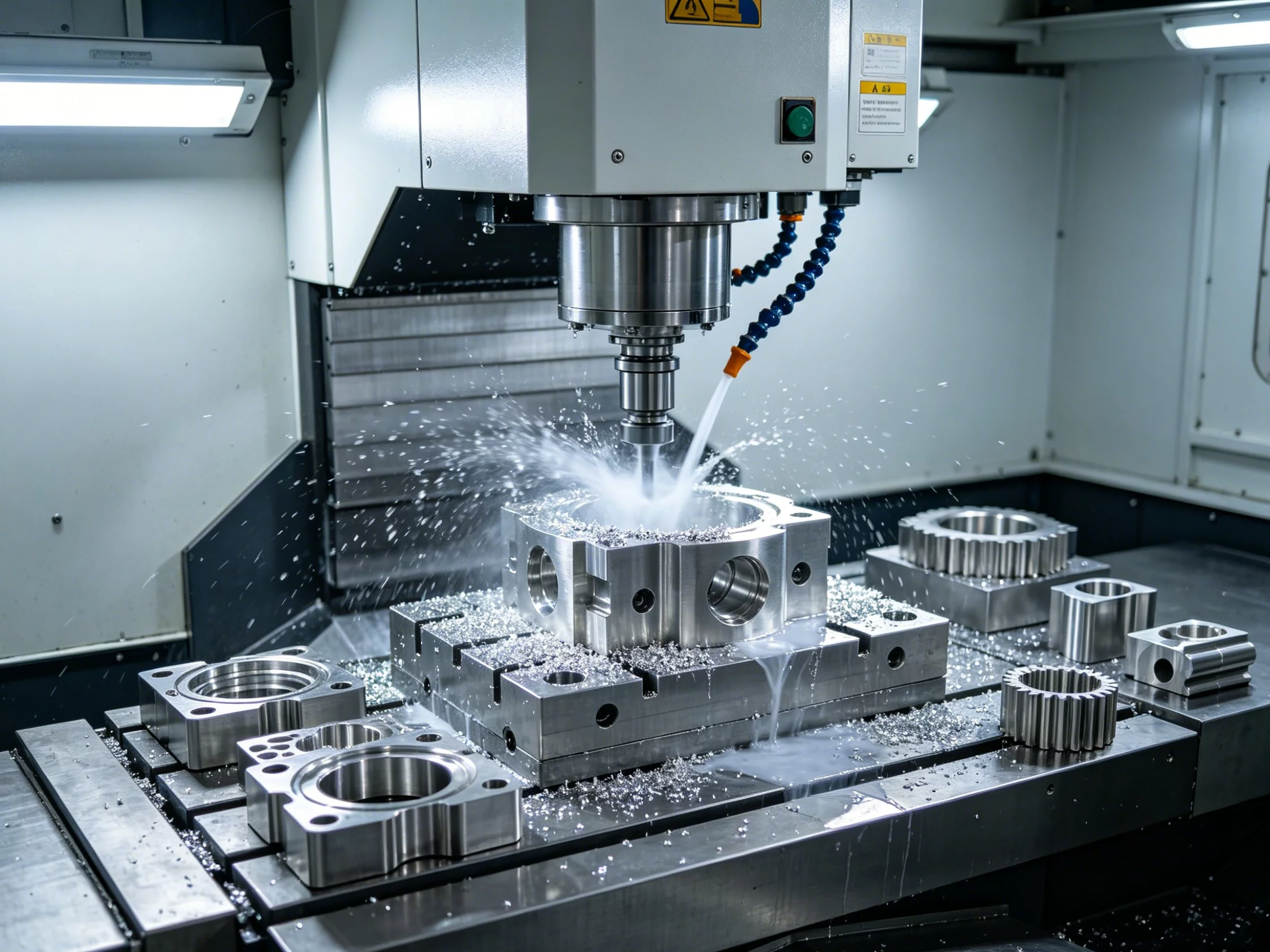
A CNC machine reads digital blueprints and converts them into physical parts. The process starts with a CAD model, which is then translated into G-code by CAM software. That code tells the machine exactly where to move, how fast to cut, and which tool to use.
The machine follows those instructions automatically. Sensors and feedback systems monitor position and force in real time. This closes the loop between design intent and actual output, keeping every part within specified tolerances.
Understanding this workflow helps you prepare clean drawings, choose realistic surface finishes, and avoid costly revisions.
Main Types of CNC Machines
Different machines handle different operations. Selecting the right type depends on your geometry, material, and volume requirements.
Most production jobs use CNC milling and turning as the primary processes. Specialized operations like grinding usually appear later in the workflow when final dimensions or surface quality must meet strict standards.
Key Parameters That Define CNC Capability
When you evaluate a machine or a supplier, these parameters determine what is feasible:
Axis count: Three-axis machines cover basic geometries. Five-axis machines handle complex contours in a single setup.
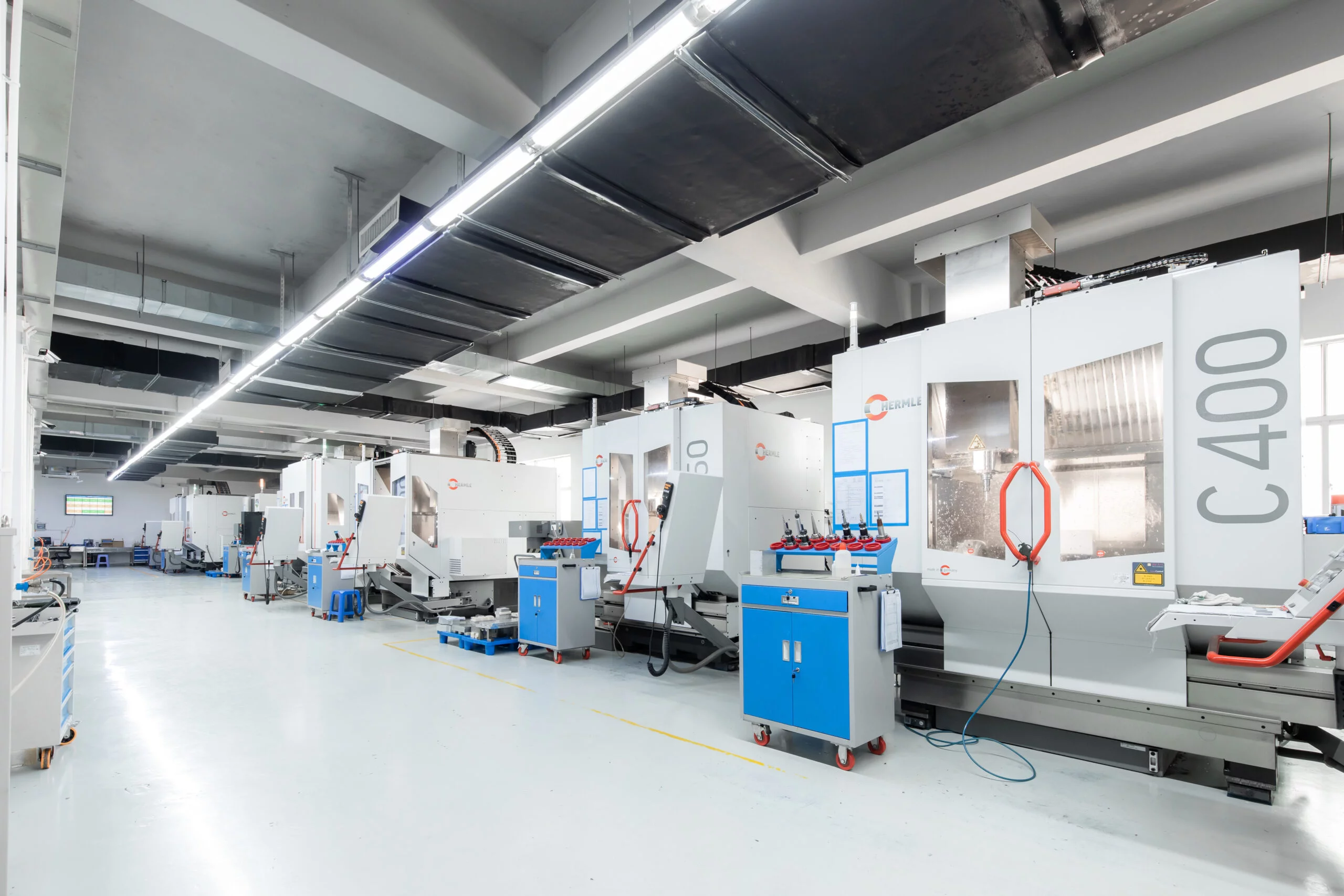
Tolerance class: Standard CNC machining typically holds ±0.025 mm to ±0.05 mm. Tighter tolerances require specialized equipment and process control.
Work envelope: This defines the maximum part size the machine can accommodate.
Tool changer capacity: More tools reduce setups but may increase cycle time per tool change.
These specifications affect lead time, unit cost,and quality consistency.
Common Materials in CNC Machining
Material choice drives machinability, mechanical performance, and surface treatment options.
Soft metals like aluminum and brass cut quickly and produce good surface finishes. Stainless steel and titanium offer strength but require slower feeds and sharper tools. Engineering plastics such as PEEK, POM, and nylon respond well to CNC processes but need careful cooling and fixturing.
Always confirm material compatibility and machining recommendations with your manufacturer before finalizing specifications.
Typical Applications of CNC Machined Parts
CNC parts appear across industries because they deliver repeatability and precision at both low and high volumes.
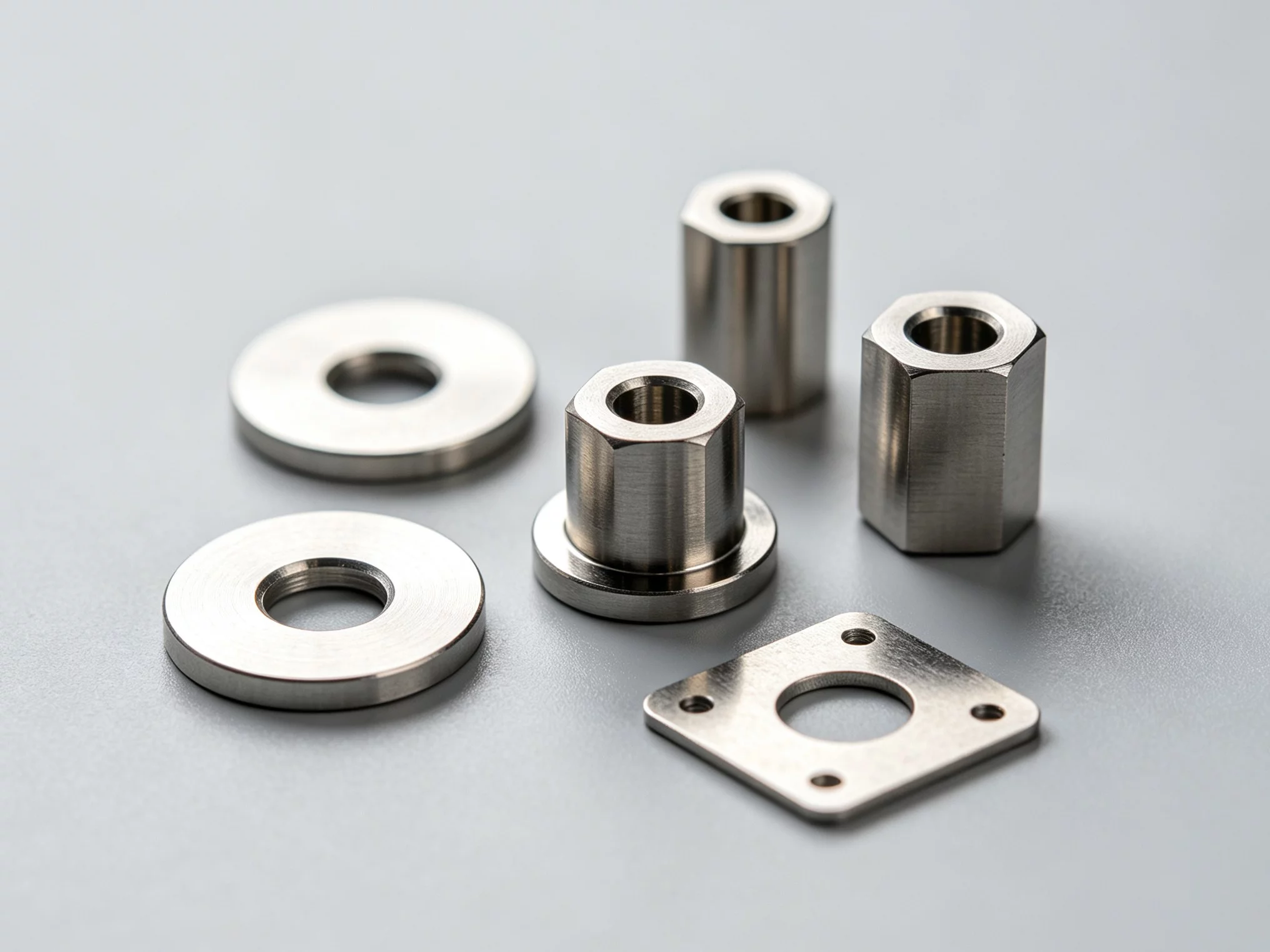
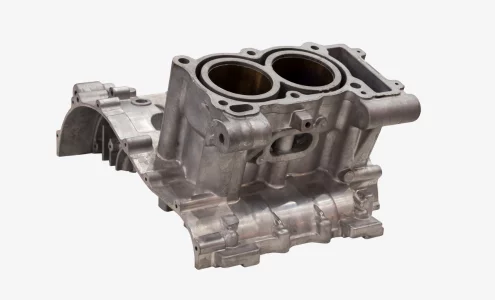
Common use cases include aerospace brackets, medical device components, automotive engine parts, electronics housings, and industrial fixtures. Each sector imposes different requirements on material selection, surface treatment, and documentation.
Choosing the right manufacturer matters when your application involves custom CNC components under regulatory scrutiny.
How YPMFG Supports Your CNC Projects
YPMFG provides end-to-end support for CNC零部件制造服务. We review drawings before production, suggest practical design adjustments, and provide engineering feedback when tolerances or features need clarification.
Our support covers selection advice, customized manufacturing solutions, quoting, engineering evaluation, documentation, and after-sales assistance. You can send specifications to us for a professional review and receive structured feedback before committing to production.

Cost Factors You Should Understand
Unit cost is rarely the only financial factor. Total project cost includes tooling, setup time, material waste, surface finishing, inspection, and logistics.
Simple geometries reduce machining time and fixturing complexity.
Tight tolerances increase process control and inspection requirements.
Surface treatments add secondary operations and handling steps.
Material choice affects both raw cost and machining difficulty.
Focus on total cost evaluation rather than comparing individual unit prices alone.
Common Mistakes to Avoid
Design errors often cause delays or quality issues downstream.
Do not specify impossible tolerances on large features. Do not ignore draft angles or tool access when designing internal cavities. Do not request arbitrary surface finishes without considering manufacturability. Always check whether features can be reached by standard cutting tools.
A clear, realistic drawing package prevents misunderstandings and keeps production on schedule.
Practical Questions Before Choosing CNC Parts
Buyers frequently ask these questions before starting a project.
What information should I provide to get an accurate quote?
Provide complete 2D drawings with tolerances, 3D CAD files, material grade, surface finish requirements, quantity, and any inspection or packaging needs.
How do I know if my design is manufacturable?
An experienced engineer can review your geometry and flag features that may cause tool interference, excessive cycle time, or inconsistent quality.
What tolerance can CNC machining realistically achieve?
Standard CNC machining commonly achieves ±0.025 mm to ±0.05 mm. Requirements beyond that need special processes and should be discussed with your manufacturer.
Should I choose milling or turning for my part?
Rotational symmetry usually favors turning. Complex prismatic features usually favor milling. Hybrid parts may require both processes.
How important is documentation for regulated industries?
Material certificates, inspection reports, and process records are often required. Confirm documentation needs early with your supplier.
Can I start with samples before full production?
Yes. Sampling allows validation of dimensions, fit, and surface quality before scaling up.
Need Help Selecting the Right CNC Solution?
Clear specifications, realistic tolerances, and open communication make CNC projects predictable and efficient. YPMFG offers engineering review, tailored manufacturing plans, and structured support from quotation through delivery.
You can send your specifications to YPMFG for evaluation, request a detailed quote, or ask for technical advice about your design. A professional assessment often reveals simple adjustments that improve manufacturability and reduce overall cost.