 Japanese
  English
  German
  Russian
  Korean
  Spanish
  French
  Italian
  Portuguese
 Quick answer:
Selecting the right cnc machining parts manufacturers requires evaluating technical capability, quality control systems, material expertise, and production capacity. The ideal partner should demonstrate certified processes, consistent lead times, transparent communication, and proven experience with your specific application requirements.
Many engineering teams struggle to find a CNC machining service that delivers precision parts on schedule without compromising quality. The consequences of poor supplier selection include delayed prototypes,inconsistent tolerances, material mismatches, and increased costs through rework and scrap.
YPMFG specializes in CNC machining service with extensive experience supporting diverse industries. Understanding what separates capable manufacturers from unreliable ones can save significant time and resources during procurement decisions.
Key Technical Capabilities to Evaluate
Technical competence determines whether a precision CNC parts supplier can meet your specifications consistently. Evaluate multiple dimensions rather than relying on a single capability indicator.
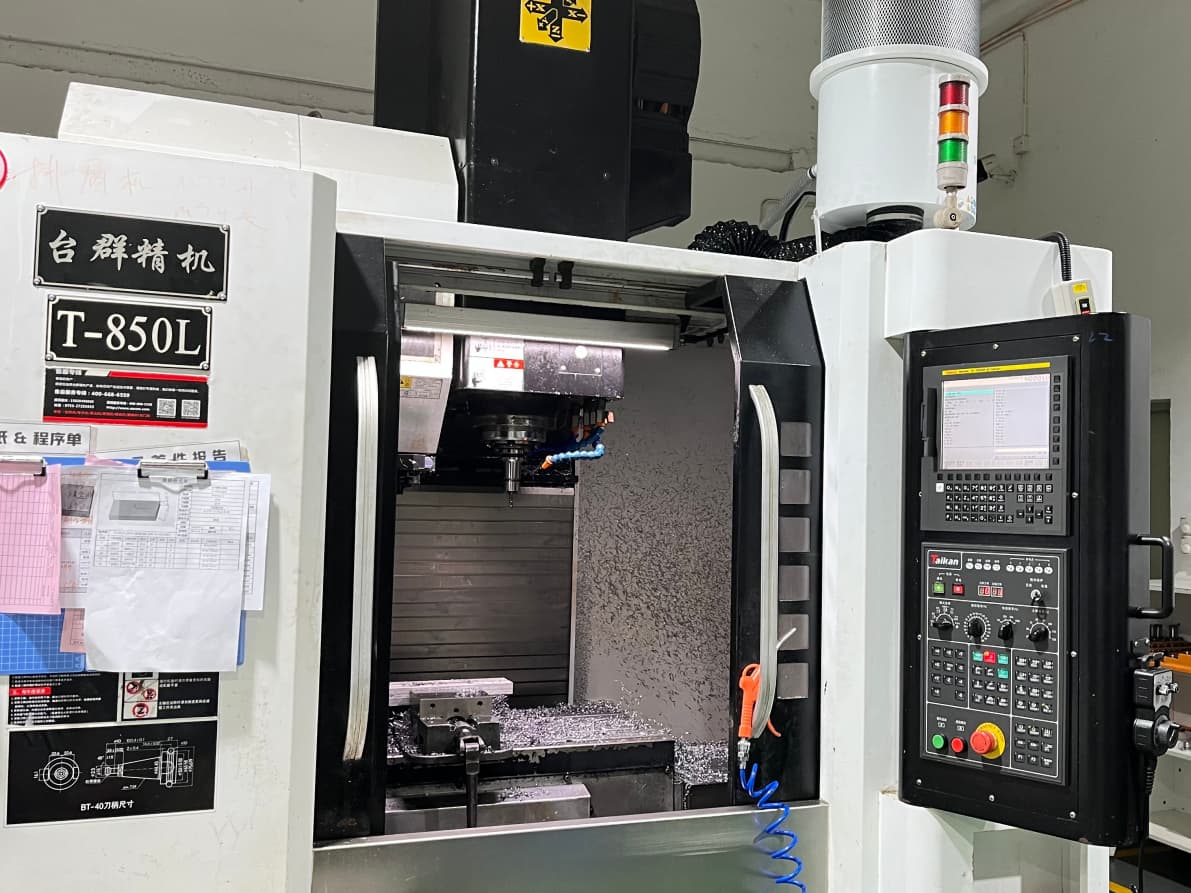
Modern facilities typically offer CNCフライス加工, CNC turning, and multi-axis machining centers. The range of available equipment directly impacts part complexity tolerance achievement and surface finish quality.
A capable manufacturer should demonstrate:
Multi-axis milling and turning capacity
Tolerance capabilities within ±0.01mm to ±0.05mm
Surface finish options from Ra 1.6 to Ra 0.4
Both prototype and production volume support
Secondary operations including threading, tapping, and finishing
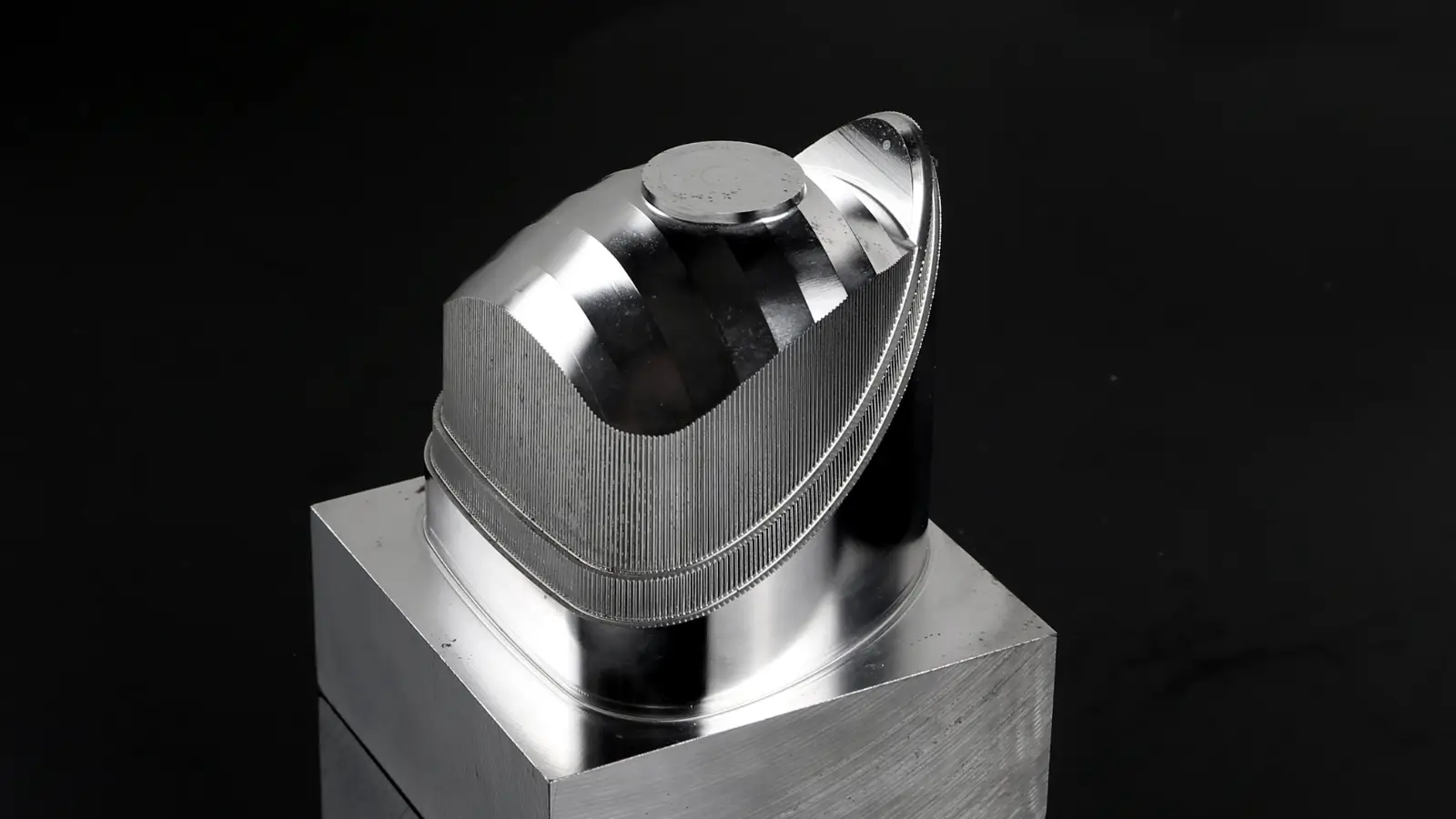
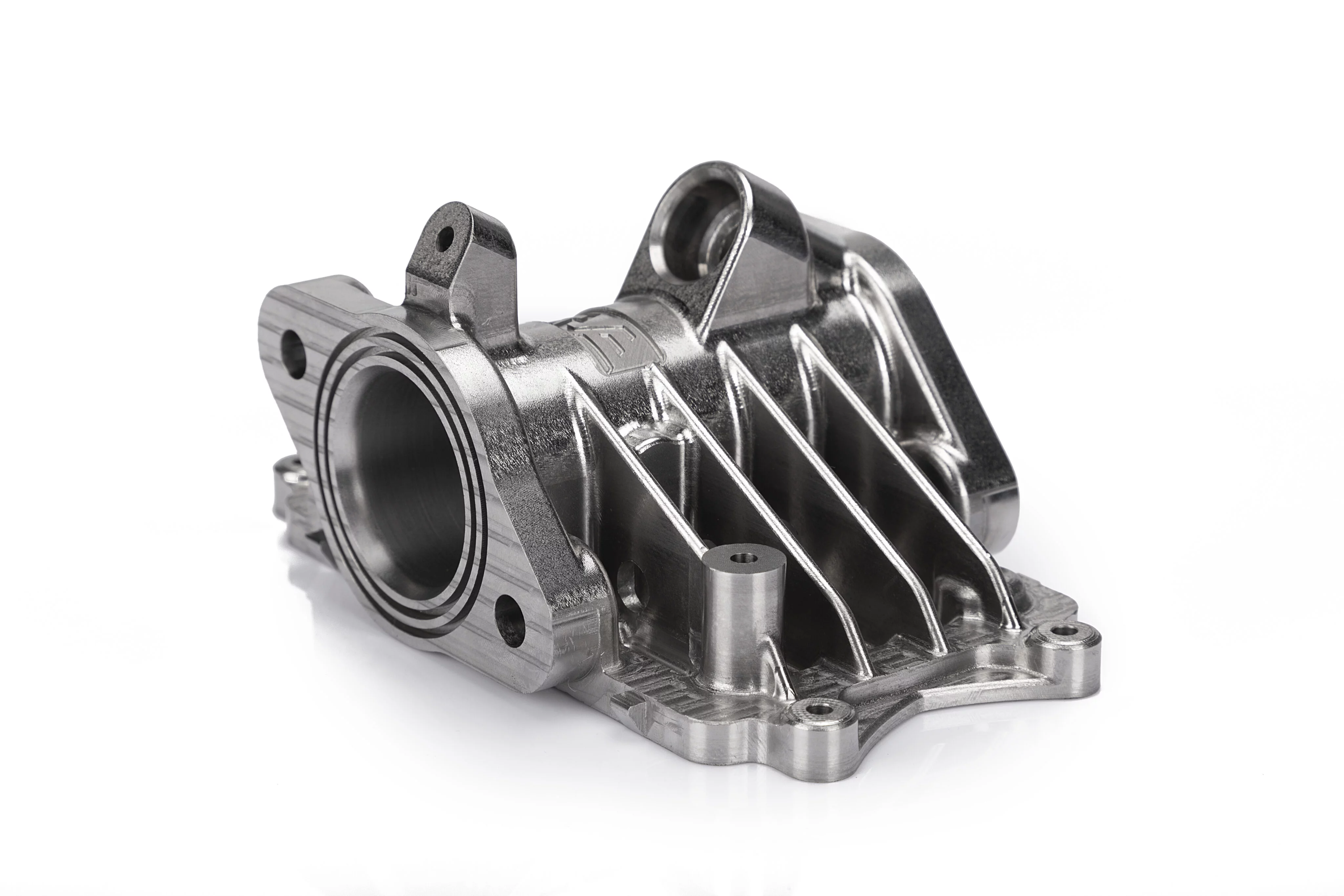
The relationship between machine capability and part complexity cannot be overstated. Complex geometries require simultaneous 5-axis machining rather than simpler 3-axis setups.
Quality Control Systems Matter
Quality management systems separate professional operations from amateur workshops. ISO 9001 certification provides baseline assurance, but specific process controls matter more for precision components.
Reputable CNC machining parts manufacturers implement inspection procedures at multiple stages. First article inspection validates dimensional accuracy before full production runs begin. In-process measurement catches deviations early, reducing scrap rates significantly.
Documented traceability ensures every batch can be tracked from raw material through final shipment. This becomes essential when parts require material certifications or regulatory compliance verification.
Material Expertise Across Applications
Different applications demand different CNC machinable materials. A versatile manufacturer understands metal and plastic properties well enough to recommend optimal selections for each project.
Common metals include aluminum alloys, ステンレス鋼 grades, titanium, brass, and engineering plastics like PEEK or Delrin. Each material presents unique machining characteristics affecting tool selection, cutting parameters, and surface treatment options.
Material selection guidance should factor in mechanical requirements, environmental exposure, weight constraints, and cost targets. Manufacturers offering engineering consultation help buyers avoid costly material mismatches during early design stages.
Production Capacity and Lead Time Realities
Production capacity influences both delivery speed and cost structure. Small job shops may excel at prototyping but struggle with volume commitments. Larger facilities handle high volumes efficiently but might lack flexibility for urgent revisions.
Realistic lead times depend on order size, complexity, material availability, and current queue status. Established CNC machining parts manufacturers typically provide transparent timelines with buffer periods for quality checks rather than promising unrealistic speed.
YPMFG supports projects ranging from single prototypes through medium-volume production runs, adjusting resource allocation based on priority and urgency.

Communication and Transparency Standards
Professional manufacturers maintain clear communication throughout the procurement process. Response times, technical consultation quality, and documentation standards reflect overall operational maturity.
Engineering evaluation services help identify potential manufacturing issues before production begins. Early feedback on design for manufacturability reduces surprises during actual machining operations.
Documentation requirements vary by industry but typically include material certificates, inspection reports, and dimensional verification records. Reliable suppliers provide these documents systematically rather than as afterthoughts.
Pricing Structure Understanding
CNC machining costs derive from multiple factors beyond simple per-part pricing. Material costs, setup time, machine hours, tool wear, finishing requirements, and quality inspection all contribute to final pricing.
Transparent quotes break down these components clearly. Vague pricing structures often hide additional charges that emerge during production, creating budget uncertainty.
The relationship between price and value requires careful consideration. Lowest quotes sometimes reflect corner-cutting on quality control, material grade, or inspection thoroughness.
Manufacturers excelling across multiple evaluation categories typically deliver more reliable outcomes than specialists limited to single dimensions.
Common Mistakes Buyers Make
Specification ambiguity represents the most frequent error. Unclear drawings or incomplete GD&T callings lead to misinterpretation and parts failing acceptance criteria.
Assuming all CNC milling and turning services operate identically creates disappointment when quality varies between suppliers. Experience levels, equipment maintenance standards, and process discipline differ substantially.
Overlooking supplier financial stability poses hidden risks. Companies facing operational difficulties may abandon projects mid-production or deliver inconsistent quality during financial stress.
Practical Questions Buyers Should Consider
What specific tolerance requirements must your project meet consistently?
Which surface finish specifications are non-negotiable for your application?
How will you verify quality during production versus receiving final inspection?
What happens if material substitutes become necessary during manufacturing?
How does the supplier handle design feedback and engineering change requests?
What documentation will you receive with each shipment batch?
What recourse exists if delivered parts fail to meet agreed specifications?
Making a Better Long-Term Decision
Choosing the right CNC machining parts manufacturers involves systematic evaluation rather than price comparison alone. Technical capability, quality systems, material expertise, production reliability, and communication standards all require assessment.
YPMFG provides custom solutions for complex machining requirements. Buyers can send specifications for engineering review, request detailed quotations with transparent breakdowns, or discuss technical challenges with experienced engineers.
Contact YPMFG to evaluate your next project requirements and explore how specialized CNC manufacturing services can support your production goals effectively.