 Japanese
  English
  German
  Russian
  Korean
  Spanish
  French
  Italian
  Portuguese
 Quick answer:
CNC drills are rotary cutting tools designed for creating holes in various materials during machining operations. The right drill depends on your material type, hole size requirements, and production volume. Common options include twist drills, carbide drills, and step drills,each suited for specific applications and performance needs.
Selecting the wrong drill can lead to premature wear, poor surface finish, or broken tools. At YPMFG, we help manufacturers match their cnc drilling requirements with the appropriate tool geometry and coating for optimal results.
Why Drill Selection Matters More Than You Think
Many buyers focus only on price when purchasing cnc drill bits. However, the drill choice directly affects machining time, tool life, and part quality. A drill that runs inefficiently can increase cycle times and raise per-part costs significantly.
Drill geometry determines how chips evacuate from the hole. Poor chip removal causes recutting, heat buildup, and tool failure. Material hardness also plays a critical role. Drilling hardened steel requires different tool specifications than drilling aluminum or stainless steel.
Understanding these factors helps buyers make informed decisions that balance performance and cost.
Common Types of CNC Drills and Their Applications
Different drilling applications demand different drill designs. Selecting the correct type prevents unnecessary tool replacements and improves machining consistency.
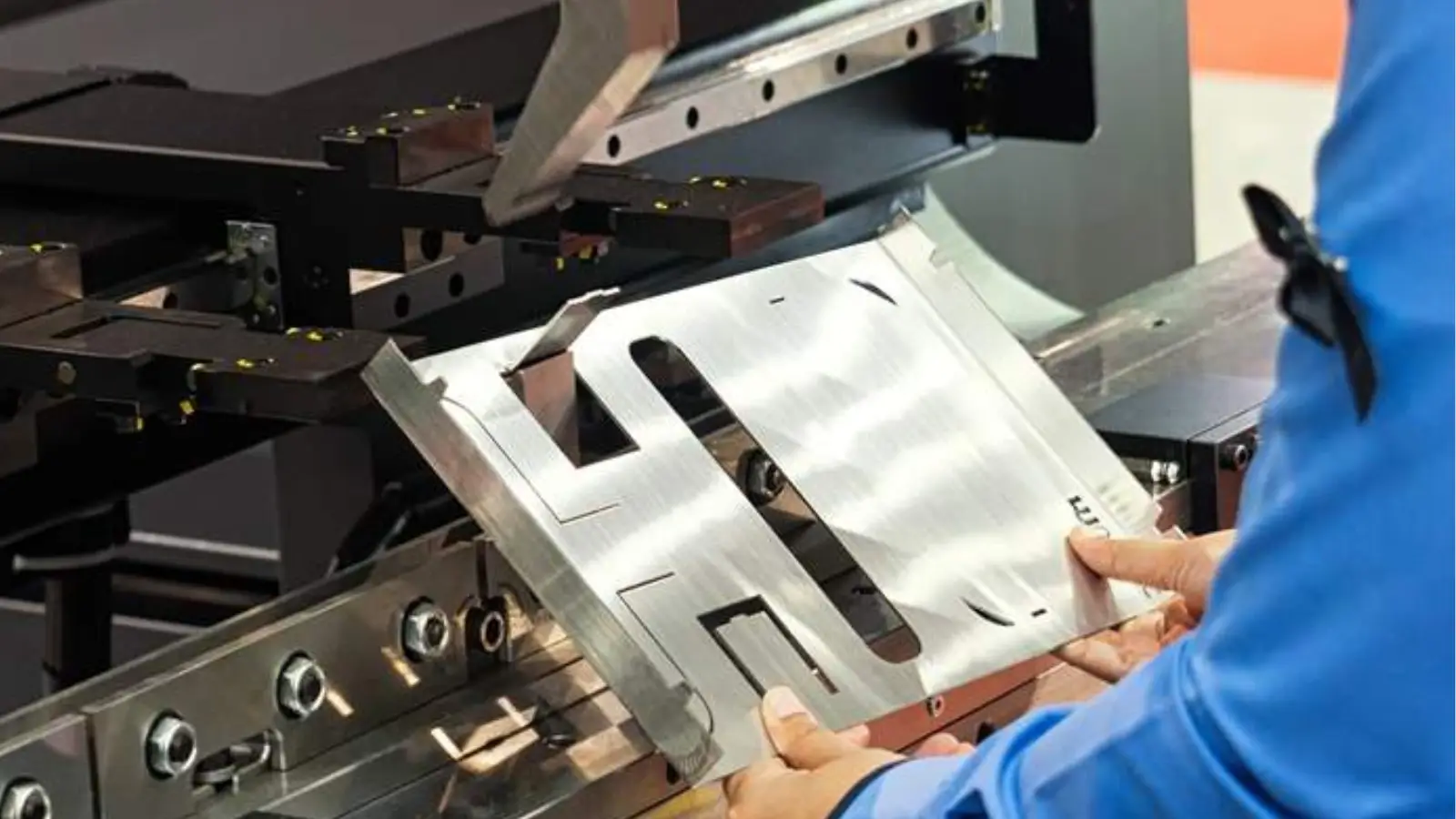
Each drill type serves a distinct purpose. Matching the tool to your specific drilling operation needs reduces waste and improves throughput.
Key Factors That Determine Drill Performance
Several technical factors influence how well a drill performs during machining. These elements work together to determine tool life, hole quality, and cutting efficiency.
Coating selection affects heat resistance and friction. TiAlN coatings handle high temperatures better than standard coatings. This matters most when machining steels or superalloys.
Point angle changes how the drill enters the material. A 118-degree point works well for general applications. A 135-degree point provides better self-centering and reduced walk on hard materials.
Flute design controls chip evacuation. Deep flutes remove chips faster but may weaken the drill body. Shallow flutes offer more strength for tough materials.
Shank type determines compatibility with your machine tool. Weldon shanks provide better grip than round shanks. This is especially important for high-torque operations.
How Material Hardness Affects Drill Choice
Material properties dictate which drill constructions perform reliably. Using an incompatible drill leads to rapid dulling, poor hole quality, or tool breakage.
Soft materials like aluminum require sharp cutting edges and wide flute geometry. These features prevent material from gumming up the flutes. Polished flutes help reduce friction and improve chip flow.
Hardened materials above 45 HRC need carbide construction with specialized coatings. High-speed steel drills cannot withstand the heat generated when drilling hardened steel. Attempting this application results in quick tool failure.
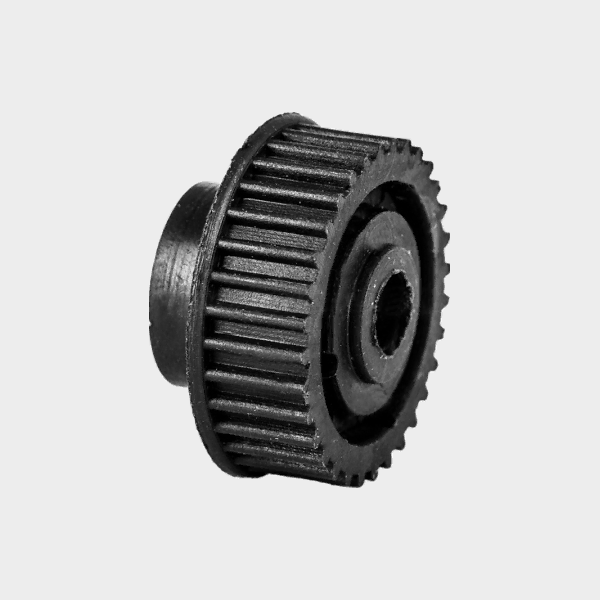
Stainless steel presents its own challenges. This material work-hardens easily. Drills with strong cores and appropriate geometries prevent work hardening from accelerating tool wear.
Hidden Costs of Choosing the Wrong CNC Drill
Buying cheap drills often costs more in the long run. Low-quality tools require frequent replacement and can damage your workpieces. These hidden expenses add up quickly in high-volume production environments.
A drill that breaks inside a hole creates costly rework. Extracting a broken tool requires additional time and specialized equipment. In some cases, the entire part must be scrapped.
Inconsistent hole dimensions lead to assembly issues. Parts may not fit properly, causing delays in downstream processes. Quality control inspections become necessary to catch these problems early.
Investing in properly specified carbide end mills and drills from a reliable source reduces these risks significantly. The initial cost difference is often recovered through improved productivity.
What YPMFG Offers for CNC Drilling Projects
YPMFG provides CNC加工サービス with expertise in selecting the right cutting tools for your application. Our engineering team evaluates your material, hole specifications, and production volume to recommend appropriate drill types.
We support customers through every stage of the process. This includes evaluating your requirements, providing technical guidance, and delivering components that meet your quality standards. If you need help selecting the right drilling solution for your project, you can send your specifications to YPMFG for review.
Our focus is on matching your needs with the right tools and processes. This approach helps you achieve consistent results while controlling costs.
Practical Questions Buyers Should Consider Before Purchasing
Before committing to a drill purchase or supplier, several key questions help ensure you make the right choice for your operation.
What is the material I will be drilling? Different materials require different drill geometries and coatings. Confirming this early prevents purchasing incompatible tools.
What hole tolerance do I need? Precision requirements affect drill selection. Tight tolerances often need carbide drills with ground margins rather than standard twist drills.
What is my required production volume? High-volume jobs benefit from carbide tooling. Lower volumes may justify using more economical HSS options.
Do I need tool holder compatibility checked? Ensuring your cnc milling components match the drill shank type prevents runout and vibration issues during operation.
Final Thoughts on Choosing the Right CNC Drills
Selecting the right CNC drilling tools requires understanding your material, tolerance, and volume requirements. No single drill works best for every application. Matching tool geometry and material to your specific needs produces the best results.
Working with a manufacturer that understands these variables helps avoid costly mistakes. You should request a technical review of your drilling requirements before making procurement decisions. This step ensures your investment delivers the expected performance and tool life.
If you have ongoing precision machining needs and want guidance on drill selection, reaching out to a knowledgeable supplier can make a significant difference in your machining outcomes.