 Japanese
  English
  German
  Russian
  Korean
  Spanish
  French
  Italian
  Portuguese
 Quick answer:
The most important factors when buying sheet metal fabrication equipment are material thickness capacity, machine accuracy, production volume requirements, and total cost of ownership. The right equipment depends on your specific applications, including the metals you process and the tolerances your parts require. Sheet metal fabrication equipment typically includes press brakes, laser cutters, punch presses, and rolling machines. Each serves different functions in the metal forming and cutting workflow.
This article helps engineers, procurement specialists, and shop managers make informed equipment purchasing decisions. It covers key specifications, common mistakes, cost factors, and selection criteria based on real manufacturing needs.
The challenge many buyers face is selecting equipment that balances initial investment with long-term productivity, maintenance costs, and part quality. Poor equipment choices often lead to rework, downtime, and higher per-part costs over time.
Types of Sheet Metal Fabrication Equipment
Sheet metal fabrication involves multiple processes, each requiring specialized machinery. Understanding these differences is essential for making the right equipment investment.
Laser cutting systems are the most widely used solution for precision metal cutting. Modern fiber laser cutters can handle materials from thin gauge sheet to thick plate with excellent edge quality. They offer flexibility for both prototyping and high-volume production.
Press brakes form sheet metal into specific angles and shapes. The choice between hydraulic, mechanical, or electric press brakes depends on tonnage requirements, part complexity, and production speed. CNC-controlled press brakes provide repeatable accuracy for complex bends.
Punch presses create holes, slots, and formed features in sheet metal. Turret punch presses can process multiple tool stations automatically, making them efficient for parts with many punched features.
Rolling machines form sheet metal into cylindrical or curved shapes. These are essential for producing tanks, pipes, and structural components requiring consistent curvature.
[Metal cutting and forming processes] determine which equipment categories a facility needs. A complete fabrication shop often combines several machine types to handle diverse part geometries and material requirements.
Key Specifications to Evaluate Before Purchasing
Equipment specifications directly impact part quality, production efficiency, and operational flexibility. Buyers should evaluate specifications against actual production requirements rather than selecting based on maximum machine capabilities alone.
Work envelope and table size determine the maximum part dimensions that can be processed. Oversizing the machine may seem beneficial, but it increases capital cost and floor space requirements without proportional value.
Material thickness capacity defines the maximum gauge a machine can process. This specification should align with the thickest material used in typical production runs. Machines with excessive thickness capacity often operate below optimal performance for thinner materials.
Precision and repeatability specifications indicate the machine’s ability to maintain consistent part quality. Tolerance requirements for finished parts should be compared against manufacturer specifications under actual operating conditions.
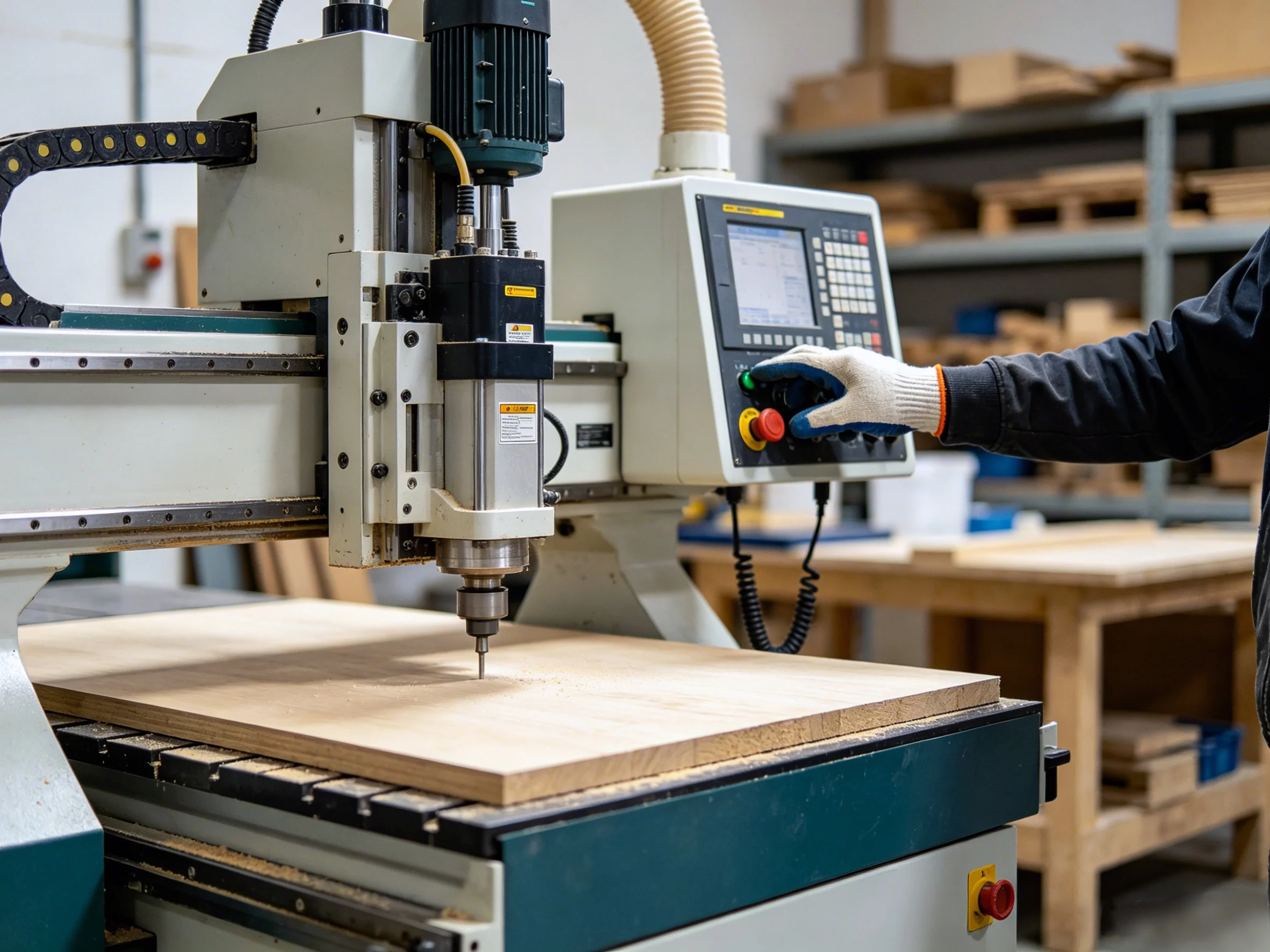
[CNC machine accuracy standards] vary by equipment type and manufacturer. Buyers should request documented accuracy test reports and verify specifications under load conditions similar to production use.
Production speed and cycle time affect unit economics. Higher-speed machines reduce per-part labor cost but may require additional investment in material handling and downstream processes.
Material Compatibility and Processing Capability
Different metals require different equipment configurations and processing parameters. Steel, aluminum, stainless steel, and exotic alloys each present unique challenges during cutting, bending, and forming operations.
Steel sheet fabrication is the most common application. Mild steel responds well to laser cutting and press braking. Material thickness and yield strength determine the required machine power and tooling selection.
Aluminum requires careful consideration of laser cutting parameters to avoid edge melting and burr formation. Some aluminum alloys are more prone to cracking during bending and require specific tooling angles.
Stainless steel presents higher cutting forces and faster tool wear. Press brake tooling must be designed to prevent galling and surface marking on finished parts.
[Sheet metal material selection guide] considerations include mechanical properties, surface finish requirements, and post-processing needs. Buyers should verify that selected equipment can handle their specific material grades and conditions.
Cost Factors Beyond Initial Purchase Price
Total cost of ownership extends significantly beyond the initial equipment purchase price. Buyers frequently underestimate recurring operational costs that impact long-term profitability.
Energy consumption varies substantially between machine types and manufacturers. Modern servo-electric machines typically consume less power than hydraulic systems, especially during idle cycles.
Tooling costs represent a significant recurring expense. Press brake tooling sets, laser cutting nozzle assemblies, and punch press dies all require periodic replacement based on material and production volume.
Maintenance and service contracts should be evaluated during the purchasing decision. Some manufacturers offer comprehensive service packages that include preventive maintenance scheduling and guaranteed response times.
[Manufacturing cost calculation] models should include direct labor, consumable costs, scrap rates, and machine depreciation over the expected equipment lifespan.
Downstream process integration affects overall workflow efficiency. Equipment that requires extensive material handling or secondary operations increases total production cost beyond the machining stage.
Common Mistakes in Equipment Selection
Many buyers make critical errors during the equipment selection process. These mistakes often result from inadequate requirements definition or insufficient evaluation of long-term needs.
Selecting equipment based solely on lowest purchase price typically leads to higher operating costs over time. Low-cost machines often have shorter lifespan, lower precision, and higher maintenance requirements.
Oversizing machine capacity for current production needs wastes capital investment. Equipment with excessive capacity may not operate optimally at lower production volumes, affecting part quality and energy efficiency.
Ignoring tooling and fixture requirements creates hidden costs. Some equipment purchases appear reasonable until tooling costs are calculated for the full range of intended parts.
Neglecting floor space and utility requirements leads to facility layout problems. Equipment must fit within available space while maintaining safe operator access and material flow paths.
[Fabrication equipment buyer checklist] items should include spatial requirements, utility connections, safety compliance, and training needs before finalizing any equipment purchase decision.
Matching Equipment to Production Volume and Part Complexity
Production volume and part complexity are the primary drivers of equipment selection. Different applications require fundamentally different machine capabilities and configurations.
Low-volume, high-mix production benefits from flexible equipment with quick setup capabilities. Laser cutting systems and CNC press brakes excel in these environments by accommodating frequent design changes without extensive retooling.
High-volume production of simple parts often justifies dedicated equipment investments. Specialized punching lines or automated press brake cells can achieve significantly higher throughput for repetitive part geometries.
Complex part geometries require machines with advanced axis control and software capabilities. Multi-axis bending centers and 3D laser cutting systems enable production of parts that conventional equipment cannot manufacture efficiently.
[Custom fabrication solutions] should be evaluated based on current and projected part requirements rather than worst-case scenarios. Equipment selection should balance current needs with reasonable growth expectations.
Technical Support and After-Sales Service Considerations
Equipment reliability depends significantly on manufacturer support infrastructure. Buyers should evaluate technical support capabilities alongside equipment specifications during the purchasing decision.
Installation and commissioning support ensures equipment operates correctly from the start. Proper installation affects long-term precision stability and operator safety.
Training programs for operators and maintenance personnel reduce downtime and extend equipment lifespan. Manufacturers that provide comprehensive training often see better customer outcomes and fewer support calls.
Availability of spare parts and service response times directly impact production continuity. Equipment downtime costs can exceed annual maintenance expenses many times over in high-volume production environments.
YPMFG provides engineering evaluation and technical consultation to help buyers select appropriate equipment configurations. Our team reviews application requirements and provides recommendations based on production volume, part complexity, and material specifications.
[Engineering evaluation services] are available to assess equipment compatibility with specific production requirements before final purchase decisions.
Questions Buyers Often Ask About Sheet Metal Fabrication Equipment
What is the typical lifespan of sheet metal fabrication equipment? Equipment lifespan depends on usage intensity, maintenance practices, and technology obsolescence. Well-maintained CNC machines often serve 10 to 15 years before major upgrades or replacement become necessary.
How do I determine the right machine capacity for my production needs? Machine capacity should match maximum part dimensions, material thickness, and required precision for your typical production runs. Include 20 to 30 percent capacity margin for future growth without oversizing significantly.
What role does software play in equipment selection? Modern fabrication equipment relies heavily on CAM software for programming, simulation, and optimization. Software capabilities affect programming efficiency, error reduction, and integration with existing digital workflows.
Should I consider refurbished equipment? Refurbished equipment can offer cost savings for budget-constrained operations. However, buyers should verify restoration quality, remaining component lifespan, and available warranty coverage before purchasing used machinery.
What safety requirements apply to fabrication equipment? Equipment must comply with regional safety regulations including guard requirements, emergency stop systems, and operator training protocols. Safety system specifications should be verified during the purchasing process.
How important is automation integration capability? Modern fabrication cells increasingly require integration with material handling systems, robotic loading, and MES platforms. Equipment selection should consider current and future automation requirements.
What documentation should manufacturers provide? Buyers should request detailed technical specifications, maintenance procedures, electrical and pneumatic diagrams, and software documentation. Complete documentation supports efficient operation and maintenance throughout equipment lifespan.
Choosing the Right Sheet Metal Fabrication Equipment for Your Needs
Equipment selection is a strategic decision that affects production capability, unit cost, and operational flexibility for years. The most successful purchasing decisions result from systematic evaluation of requirements, specifications, total cost, and supplier support capabilities.
Key evaluation criteria include material compatibility, production volume requirements, precision specifications,tooling costs, and service support availability. Buyers should prioritize equipment that matches their actual production needs rather than maximum theoretical capabilities.
YPMFG offers comprehensive engineering consultation for fabrication equipment selection. We review your part specifications, production requirements, and facility constraints to recommend appropriate equipment configurations and support implementation planning.
Send your specifications to YPMFG for engineering review. We provide equipment recommendations, technical documentation, and procurement guidance to help you make confident fabrication equipment investment decisions.