 Japanese
  English
  German
  Russian
  Korean
  Spanish
  French
  Italian
  Portuguese
 簡単な答え:
Choosing CNC加工 equipment comes down to five core variables: spindle power, work envelope, positional accuracy, tool change speed, and material compatibility. Most buyers either overpay for capabilities they will never use or underbuy on specs that quietly limit future production volume. The right machine matches your dominant part family, not the highest horsepower number in a sales brochure. Before signing a purchase order, verify that the controller platform, coolant configuration, and fixture capacity all align with your actual throughput targets and 許容誤差要件.
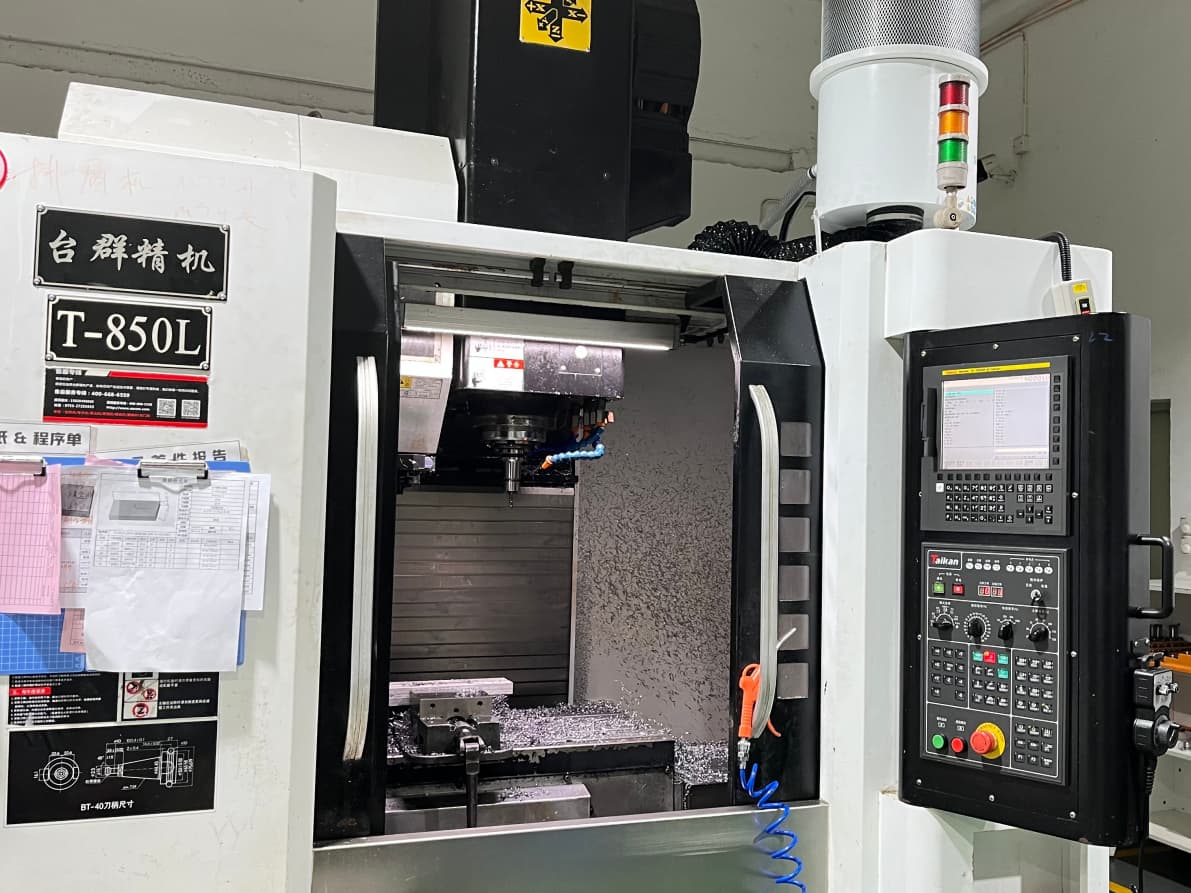
Procurement teams often walk into a showroom expecting a single “best” machine. There is no such thing. A CNC machining center that excels at titanium roughing for aerospace will waste capital on a shop running precision bushings around the clock. The selection process is about matching specs to your actual part mix, cycle times, and quality gates, not to a catalog page.
What This Page Covers
The five specs that drive your decision
Matching material and tolerances to machine class
Total cost of ownership beyond sticker price
Practical questions to answer before committing
Getting a spec recommendation and transparent quote
The Five Specs That Drive Your Decision
Strip away marketing language. These five parameters determine whether a machine fits your workload or creates a bottleneck you cannot automate away.
The table above is a starting checklist, not a substitute for a machine-specific evaluation. Each OEM publishes slightly different test conditions, so always confirm whether the quoted accuracy was measured with a laser interferometer at operating temperature or in a cold state. The difference can be 0.01 to 0.02 mm, which matters when your print calls for 0.005 mm.
If any single spec fails against your top part family,the machine will create recurring overtime, secondary operations, or scrap you cannot recover.
Match Material and Tolerances to Machine Class
Not every CNCフライス盤 handles hardened steel at 0.005 mm repeatability the same way. Check the manufacturer’s stated accuracy and repeatability figures, then cross-reference them against the materials in your top-ten part list.
A three-axis vertical mill may suffice for aluminum housings, while five-axis simultaneous machining may be necessary for turbine impellers. YPMFG can help buyers map part families to the minimum machine class required, which prevents over-specification and protects your capital budget. When in doubt, request a trial run on a sample part. A thirty-minute machining test on your hardest material will reveal more than any spec sheet.
Total Cost of Ownership Beats Sticker Price
The purchase price is rarely the full picture. Running costs include coolant and tooling consumables, preventive-maintenance downtime, operator training, and facility demands such as floor load and ventilation. A machine that costs $40,000 more but cuts your dominant cycle time by 20 percent can break even in under twelve months.
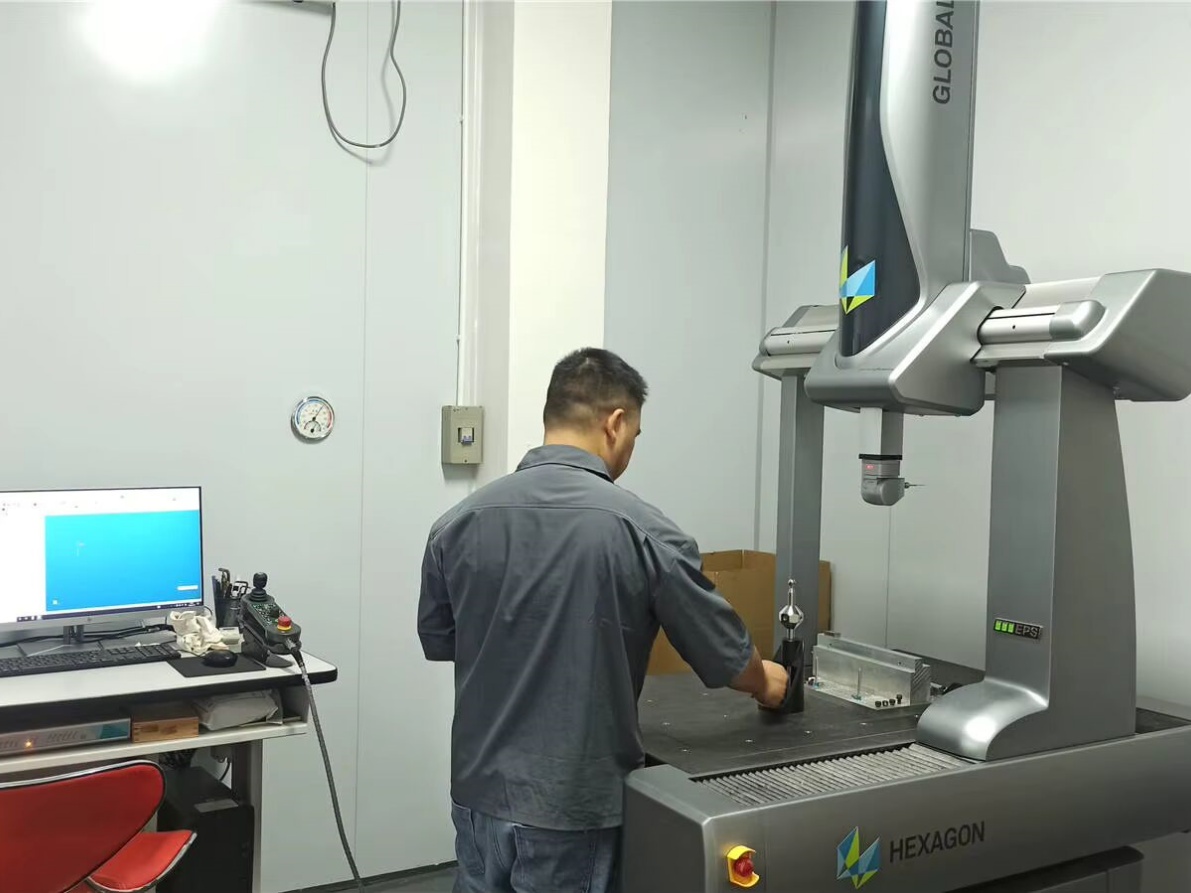
Do not skip the facility audit. An undersized air compressor or electrical panel will force a retrofit that adds three to six months of delay and unexpected cost. Before comparing vendor bids, request:
A cycle-time analysis based on your top three part families
A five-year maintenance cost estimate from the dealer
Power and facility requirements: kVA load, floor space, air pressure
Practical Questions Before You Commit
How do I know if three-axis or five-axis is enough?
List your part families. If fewer than 10 percent require simultaneous multi-face machining, a three-axis machine with manual fixture flipping will save significant capital without sacrificing quality.
What spindle speed do I need for stainless versus aluminum?
Aluminum often benefits from 12,000+ RPM for a clean finish, while stainless is more sensitive to feed rate than to speed. Verify against your dominant alloy and the chip-load your tooling can handle.
Should I buy a used machine to save money?
Used units can cut capital cost by 30 to 50 percent, but spindle runout, way wear, and controller upgrades may erase that savings. Inspect before bidding and request the last two service records.
What documentation should a supplier provide before I sign?
Ask for the technical specification sheet, factory accuracy test report, recommended tooling list, and a maintenance schedule. Missing any of these is a red flag worth pausing the deal.
What is the realistic lead time from order to first part?
Ask for a written timeline that includes delivery, installation, calibration, and operator certification. A standard vertical mill typically runs eight to sixteen weeks; multi-axis cells with integrated probing and automation take longer.
より良い長期的な決断を下す
The machine you install today will run for ten to fifteen years. That is a long time to carry a mismatched spec. Before finalizing any order, run your top three part families through a cycle-time simulation with the vendor’s engineering team.
YPMFG supports buyers who need a second opinion on machine selection, fixture design, and カスタム加工ソリューション tied to their exact part geometry. Send your drawings and volume forecasts; you will receive a spec recommendation and a transparent quote within one business day.