 Korean
  English
  German
  Russian
  Japanese
  Spanish
  French
  Italian
  Portuguese
 간단한 답변:
적절한 것을 선택하기 CNC machining materials significantly impacts your project’s cost, durability, and timeline. Most manufacturers primarily work with aluminum alloys 그리고 steel grades due to their balance of machinability and structural integrity. Specialized applications may require 스테인리스강, brass, or engineering plastics. Material selection directly determines tool wear, processing time, and final part performance. It is crucial to align material properties with your specific load requirements and environmental conditions before starting production.
Why Material Selection Matters in CNC Machining
Many engineering teams overlook the critical link between raw material properties and manufacturability. This oversight often leads to unexpected delays or quality issues. CNC machinability refers to how easily a material can be cut, shaped,and finished. Harder materials require slower feed rates and more tooling changes. Softer materials allow for faster cycles but may lack structural strength.
The choice between a common alloy and a premium grade affects your total project cost. You must consider thermal conductivity, corrosion resistance, and fatigue limits. For complex geometries, material grain structure can influence tool path efficiency. YPMFG engineering teams evaluate these factors to prevent downstream failures during assembly or field use.
Common CNC Machining Materials and Their Uses
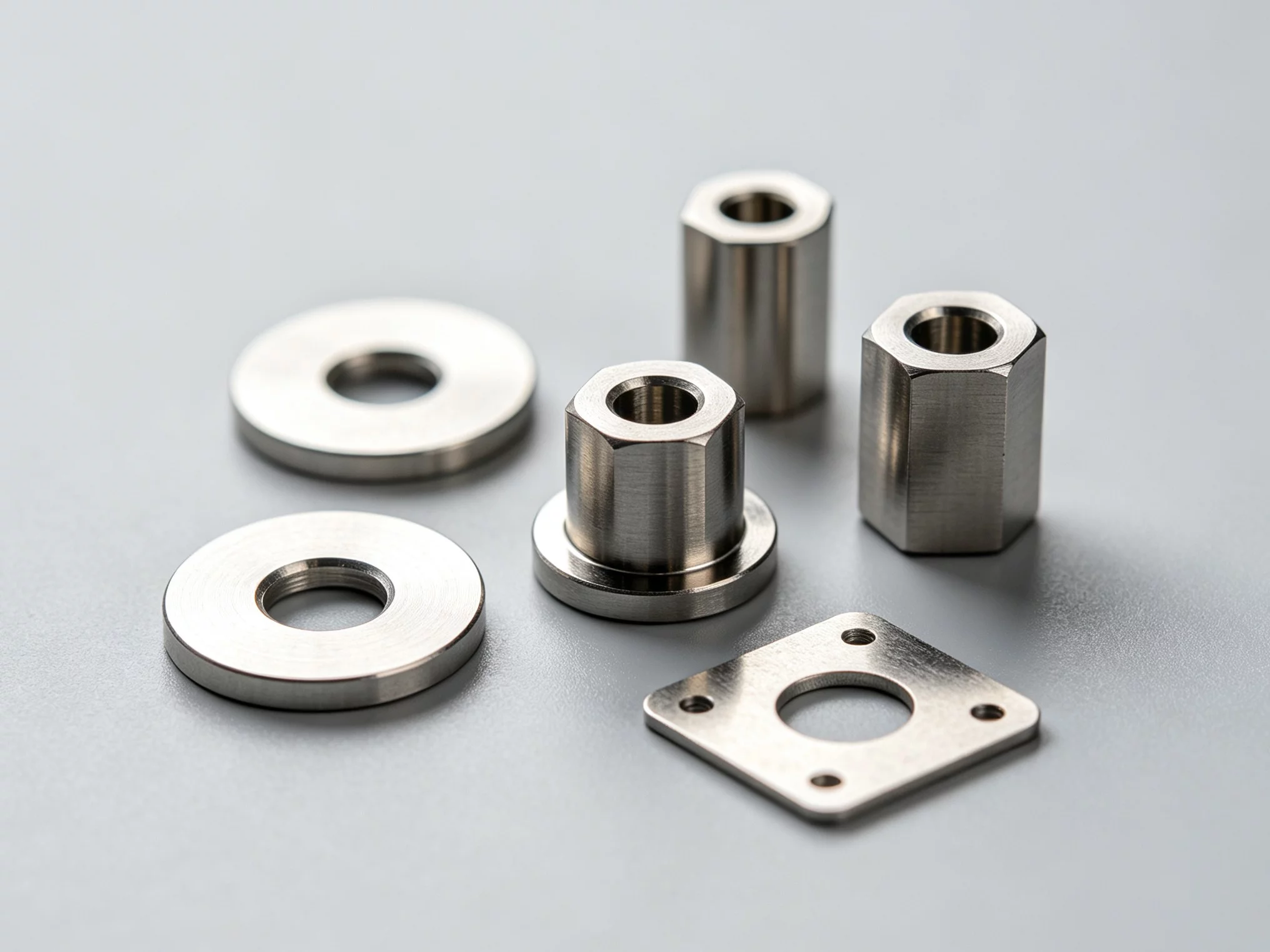
Different industries require specific material behaviors. The table below outlines the most frequently used materials in precision CNC manufacturing. Each option offers distinct advantages regarding strength, weight, and thermal management.
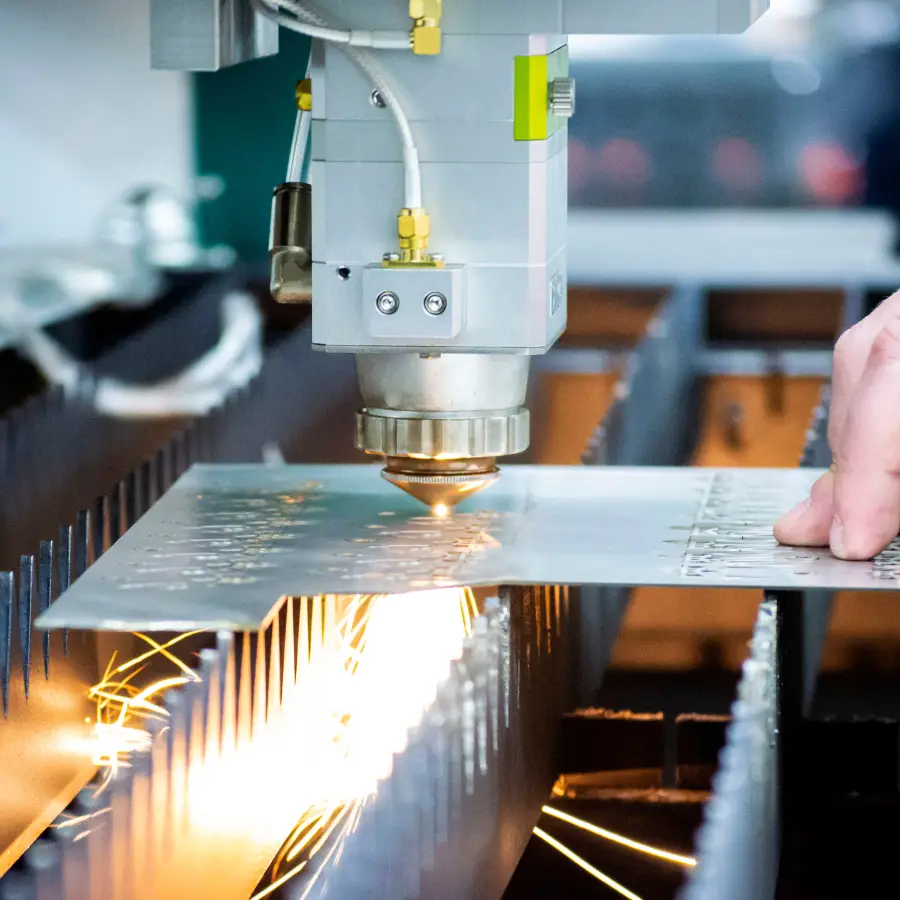
Aluminum 6061 remains the default choice for general-purpose structural parts. It offers a good balance of cost and performance. 스테인리스강 is preferred when hygiene or corrosion resistance is paramount.
How Material Properties Affect CNC Costs
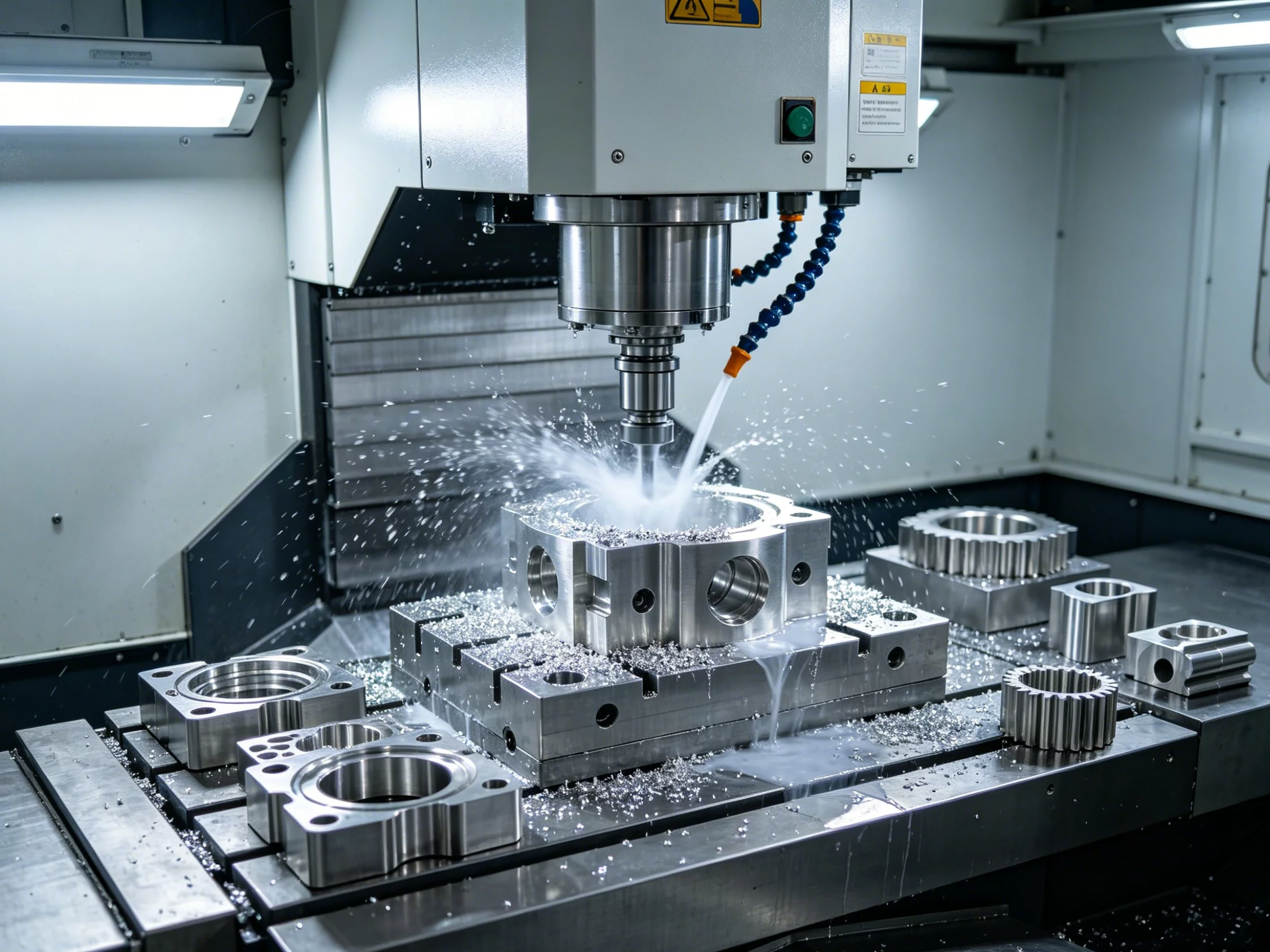
The physical characteristics of a material directly influence your production budget. Softer materials like aluminum allow for higher spindle speeds and feed rates. This reduces machine time and lowers labor costs per part. Harder materials like tool steel or titanium require specialized tooling. These tools are more expensive and wear out faster.
Complex surface finishes also impact cost. Some alloys are prone to work hardening. This requires careful programming to avoid tool breakage. YPMFG can provide a material cost breakdown that factors in these variables. Understanding these dynamics helps you budget accurately and avoid surprise overruns.
Key Criteria for Choosing Your Material
Selecting the right material requires a systematic approach. You should define your functional requirements first. Consider the operating environment, such as temperature, humidity, and chemical exposure. Next, evaluate load-bearing needs and fatigue life expectations.
Also review your manufacturing constraints. Some materials cannot be weld well or heat treated easily. Procurement lead times for exotic alloys may be longer than standard steels. Ensure the chosen material meets all relevant industry standards, such as ASME 또는 ISO specifications. A detailed engineering evaluation ensures you select a viable option early in the design phase.
Common Mistakes to Avoid When Selecting Materials
Many buyers make costly errors by choosing materials based solely on initial purchase price. They ignore the total cost of ownership, including machining time and tool wear. Another frequent mistake is specifying a generic grade without defining heat treatment conditions. This can lead to inconsistent mechanical properties across batches.
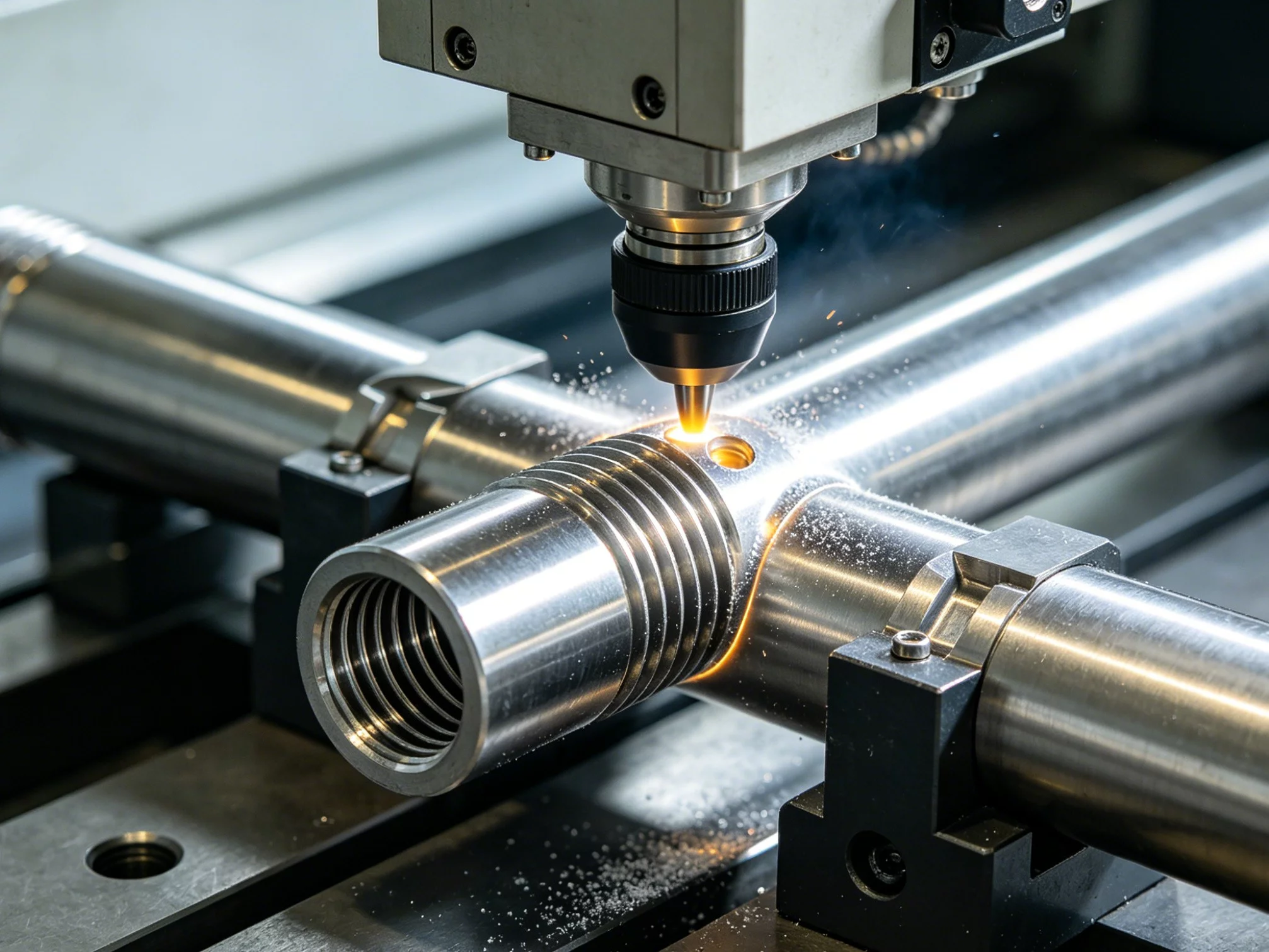
Failing to test material compatibility with fasteners or adhesives is also risky. Different metals can suffer from galvanic corrosion when coupled. Always verify that your design accounts for thermal expansion differences. Requesting material certifications from your supplier ensures traceability and quality control.
How YPMFG Supports Your Material Decisions
YPMFG offers technical guidance to help you navigate complex material choices. Our engineers review your drawings and specify the optimal alloy for your application. We source materials from certified suppliers to guarantee consistency. If your design requires a custom alloy or rare material, we manage the procurement process.
We provide second article inspection reports to verify material composition and hardness. This documentation helps you meet compliance requirements for critical industries. For projects involving new materials, we recommend prototyping first. This allows you to validate machinability and final fit before committing to high-volume production.
Practical Questions Before Choosing a Material
Can CNC machines process all types of metals?
No. Some superalloys and ceramics are extremely difficult to machine. They require specialized equipment and tooling. Standard CNC 가공 서비스 typically handle aluminum, steel, brass, and titanium. Exotic materials may require specialized vendors.
How do I know if my material is corrosion-resistant?
Check the material’s alloy composition and finish requirements. 스테인리스강 그리고 aluminum anodizing offer strong resistance. You should verify performance for your specific chemical environment. Consult material data sheets for exact corrosion rates.
Does the material affect my part’s surface finish?
Yes. Softer materials usually accept finer finishes more easily. Harder alloys may show tool marks if not programmed correctly. Surface finish requirements can influence material selection and post-processing steps.
Can I switch materials after prototyping?
You can, but it may require redesigning tooling paths. Changing from aluminum to steel, for example, increases machining time. YPMFG can simulate the new material behavior before finalizing your production plan to prevent delays.
더 나은 장기적 결정을 내리기
적절한 것을 선택하기 CNC machining materials is a critical step in your product development. It balances performance, cost, and manufacturability. By understanding the properties of each alloy, you can avoid common pitfalls. Accurate material specification ensures your parts perform reliably in their intended application.
If you are unsure about the best alloy for your project, seek expert advice. YPMFG provides engineering reviews and material sourcing support. You can send your specifications to our team for a detailed assessment. This ensures you choose a material that meets your technical and budgetary requirements. Contact us today to start your evaluation.