Korean
 English
 German
 Russian
 Japanese
 Spanish
 French
 Italian
 Portuguese

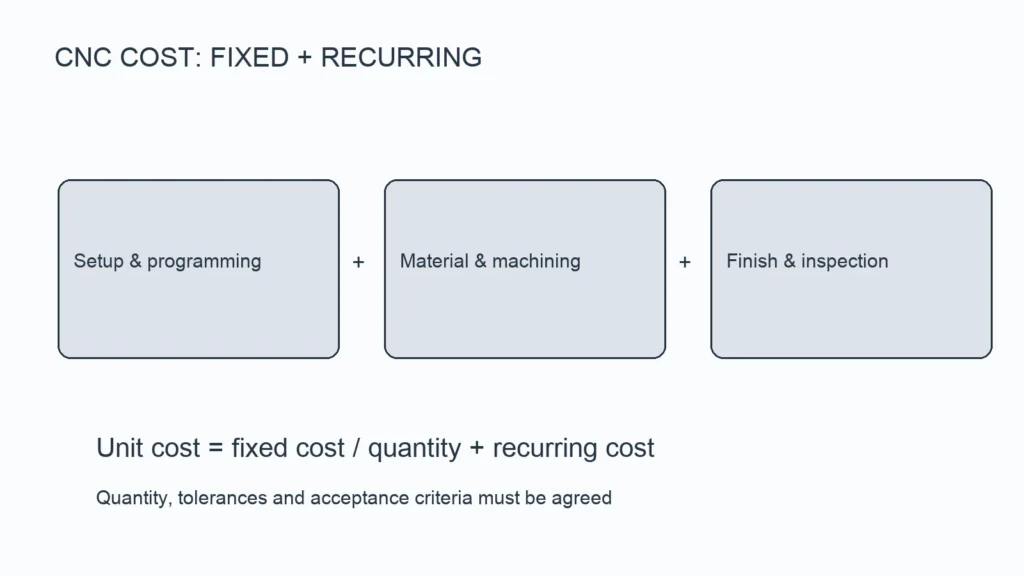
A CNC 부품 제조업체 is a shop that machines metal or plastic components using computer-controlled tooling. The right one for your project depends on tolerance requirements, material specs, production volume, and budget. Most buyers lose weeks and budget by evaluating vendors on unit price alone. What actually drives long-term quality is whether the shop can hold your tight tolerance specs, manage 자재 추적성, and deliver on schedule without costly rework loops.
If you’re sourcing 가공 부품 and facing uncertainty around capability, lead time, or hidden costs, the criteria below give you a practical evaluation framework. YPMFG provides end-to-end CNC 가공 services, so these points reflect the real production constraints you will encounter in a working shop.
## What Separates a Capable Shop From a Quote-Only Vendor
A capable CNC operation shows its process maturity in how it handles pre-production. Look for a shop that runs a full DFM 검토 before quoting. This step catches design issues that would otherwise trigger redesign cycles after you’ve already committed tooling.
A quote-only vendor skips this layer. You receive a price, place the order, and then spend engineering time resolving fit or finish problems at inspection. The rework and iteration costs often exceed the small savings from the cheaper initial quote.
The practical test: ask the vendor to walk you through their DFM process and inspection protocol before you sign a PO.
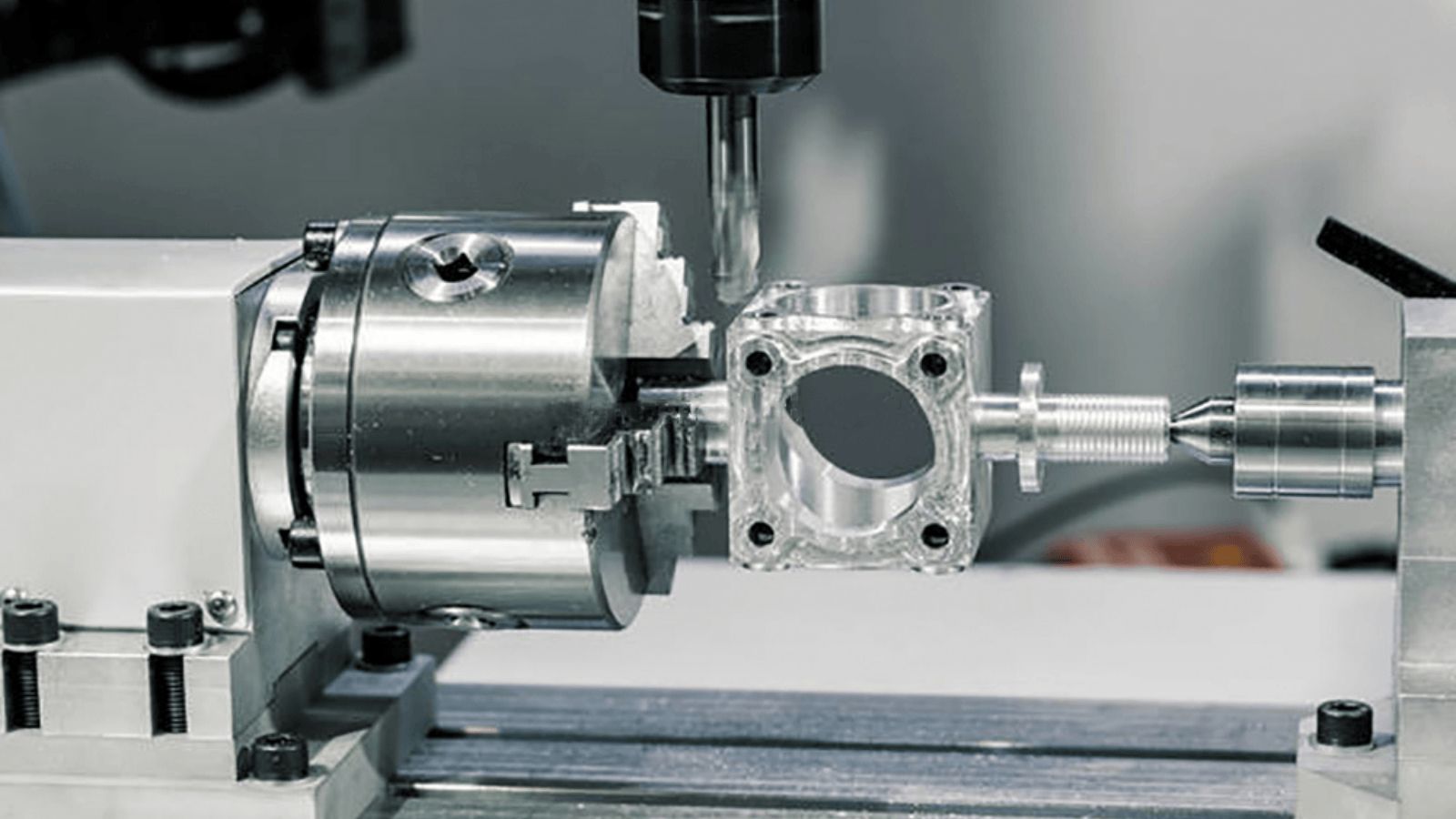
## Five Factors That Determine Part Quality and Total Cost
The table above covers the decision points that most often separate a smooth delivery from a drawn-out, costly one. If you want a second set of engineering eyes on your drawings before committing, YPMFG can review your specs and flag high-risk features early.
Common Mistakes That Add Cycles and Cost
Buyers often send a generic 2D drawing without specifying surface finish, material condition, or which dimensions are critical. The shop makes assumptions, and the result is a part that does not fit your assembly.
Another frequent error is ignoring batch-to-batch consistency. A part that passes inspection on the first sample can drift on lot two if the shop changes tooling or re-sets the fixture. Ask how the vendor monitors dimensional stability across a full production run and whether they use SPC charts on the critical feature.
Questions to Ask Before Finalizing a Supplier
Can you confirm your standard achievable tolerance on the specific feature I am worried about?
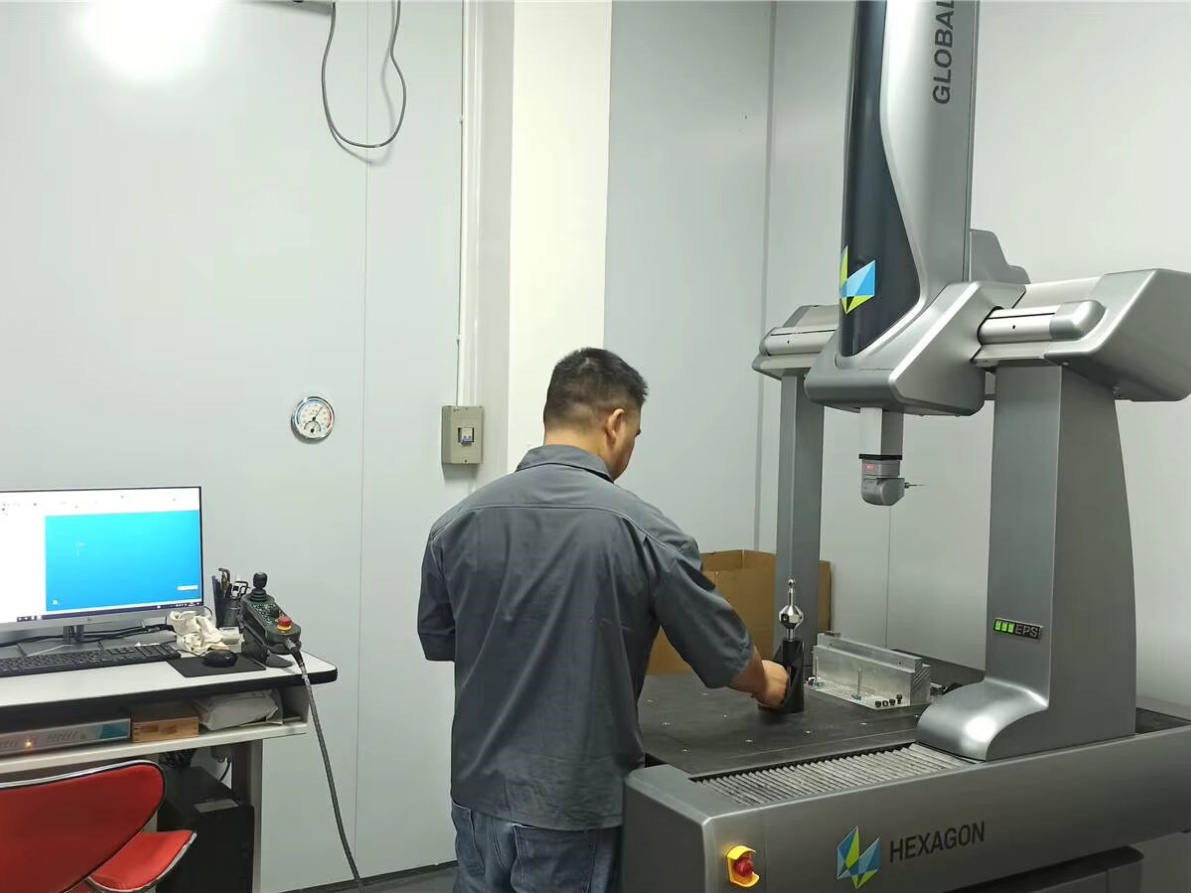
A credible answer will name the machine, the gauge, and the process control method. Vague replies like “we can hit your spec” without detail are a warning sign. Check whether they maintain SPC data on that particular dimension.
What happens if a part fails inspection mid-run?
Ask about their non-conformance process. A structured shop quarantines the part, documents the root cause, and issues a corrective-action report. If the answer is simply “we re-machine it,” that suggests weak process control and potential repeat failures.
How do you handle material certification for aerospace- or medical-grade alloys?
You should receive a traceable mill certificate matching your heat number, plus a material test report. Verify the certificate chain before the part enters your supply chain or any regulated application.
What lead time can you commit to for a 500-unit run of a 3-axis turned-and-milled component?
A realistic quote breaks lead time into DFM review, setup, cutting, post-machining, and final inspection. If the total sounds suspiciously fast, ask which steps are being compressed or skipped.
## Need Help Evaluating Your Next CNC Sourcing Decision?
오른쪽 CNC 부품 제조업체 saves you money over the full life of a program, not just on the first invoice. The criteria above are a starting framework, not a one-time checklist. Revisit them whenever you add a new material, tighten a tolerance, or shift volume.
Send your drawings, material callouts, and target quantities to YPMFG. Our engineering team will run a DFM review, flag any high-risk features, and return a quote paired with a clear inspection plan. No obligation, and you walk away with a concrete data point to compare against your current supplier.