Korean
 English
 German
 Russian
 Japanese
 Spanish
 French
 Italian
 Portuguese

CNC-machined motorcycle mirrors rely on precision-milled brackets, stems, and clamps to hold the mirror glass at the correct viewing angle. The CNC 가공 process typically holds critical mounting interfaces to ±0.05 mm, so the part seats on the handlebar or fender without lateral play. Before you place an order, confirm 재질 등급, 표면 마감, 그리고 thread specification with your machinist. A small geometry error in the mounting bracket can introduce vibration, misalignment, or bolt loosening under sustained road load. Locking these parameters in early prevents rework and reduces safety risk.
Custom motorcycle builders and small-batch parts manufacturers often need CNC-machined mirror assemblies that fit a specific frame geometry. Catalog parts rarely match non-standard handlebar angles or fender offsets. The notes below cover the specs, materials, and inspection steps that matter most when sourcing or prototyping these components.
How CNC Machining Shapes a Motorcycle Mirror
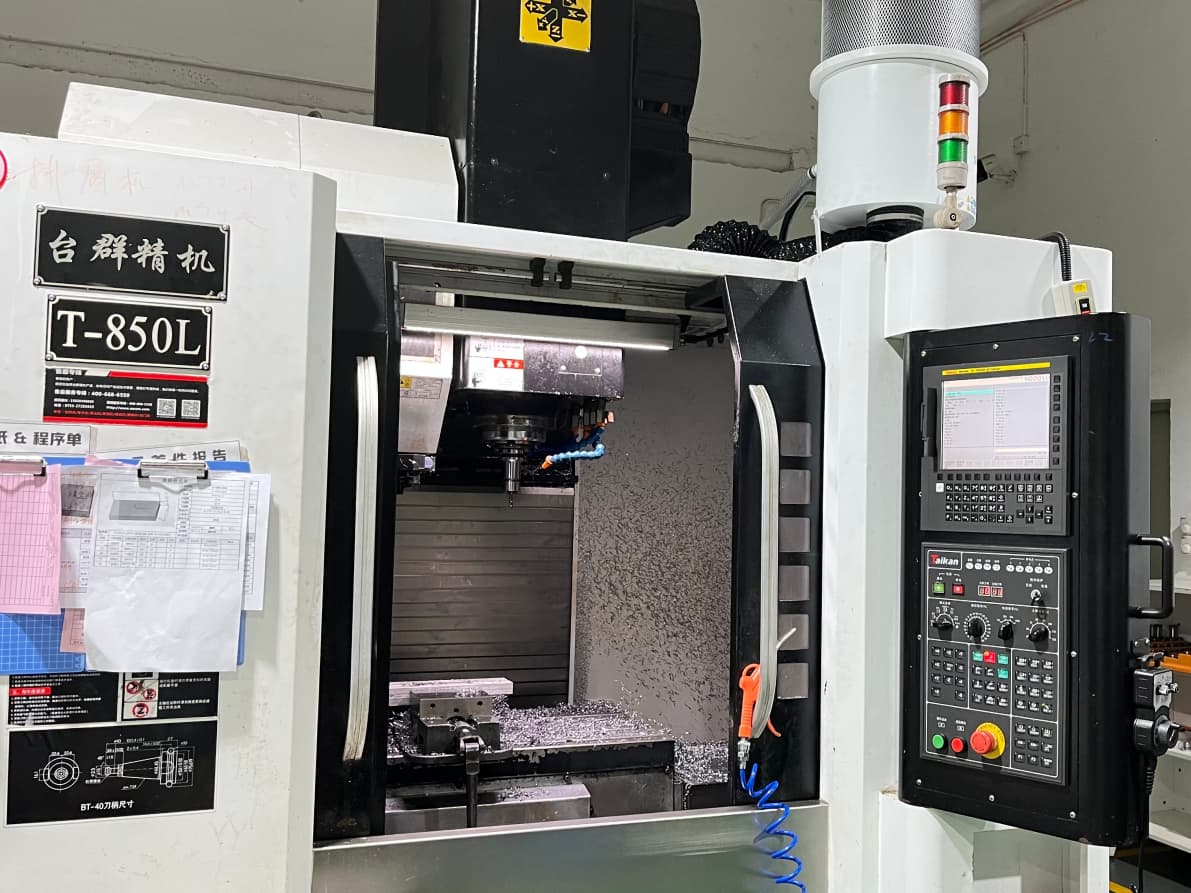
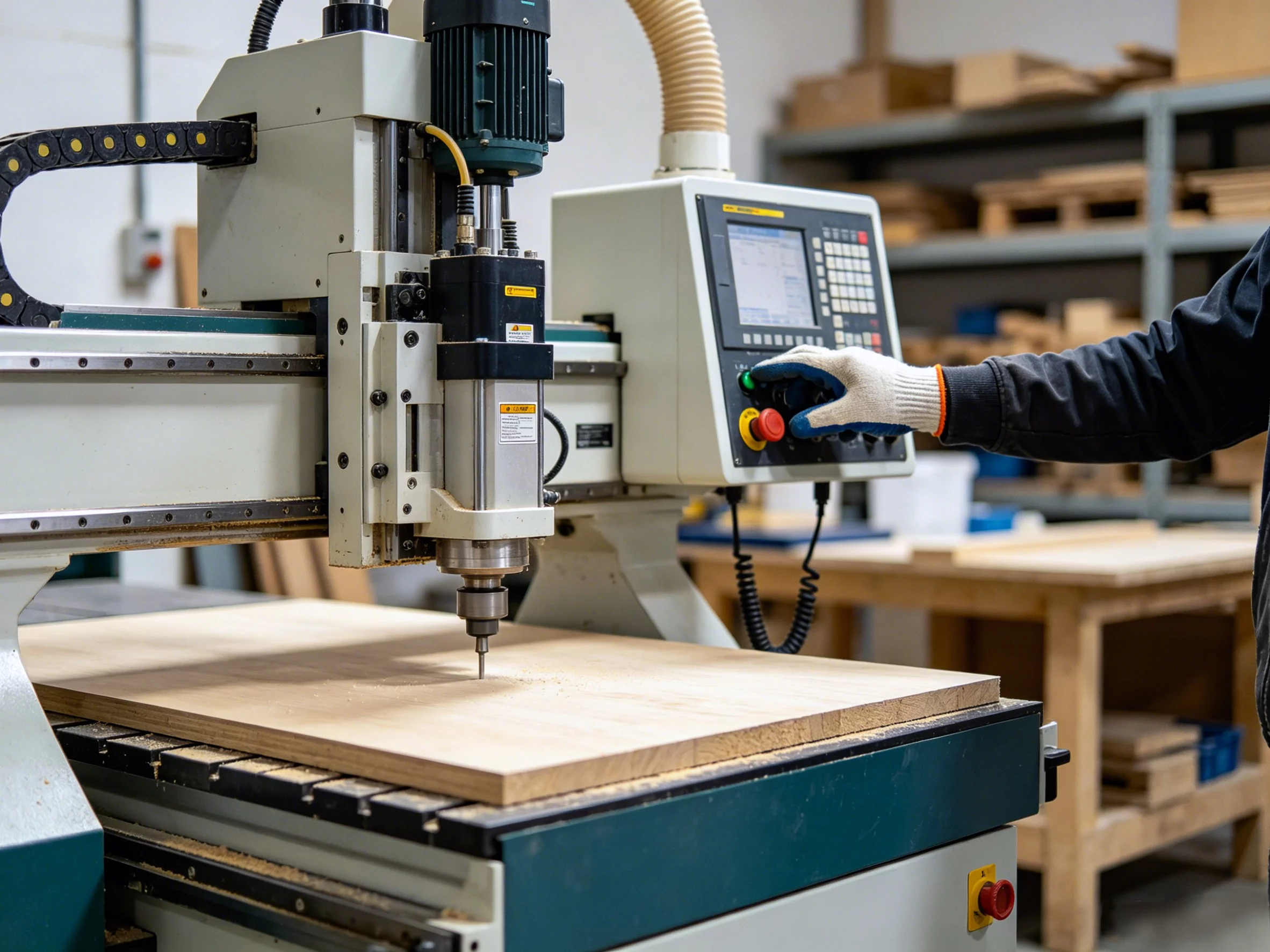
Most mirror sub-assemblies are produced with a combination of 3-axis milling and turning. The bracket is milled from a bar or plate stock, while the stem is turned to achieve a consistent diameter and thread.
Key machined features include:
Mounting hole pattern – bolt-circle diameter and hole position relative to the stem centerline
Threaded interface – typically M8, M10, or ¼-20 UNF depending on handlebar or fender spec
Mirror-glass retaining ledge – a shallow milled channel, 0.5–1.5 mm deep
Taper or chamfer on the stem tip – reduces stress concentration at the weld or press-fit point
공차 on the mounting face are the most critical callout. A ±0.1 mm deviation on a 70 mm bracket translates to a visible tilt error at the glass. A clean dimensional drawing is what separates a first-article that passes inspection from one that needs a second machining run.
자료 and Tolerances to Specify
Aluminum 6061-T6 is the most common choice for mirror brackets and stems because of its strength-to-weight ratio and anodizing compatibility. Steel (1045 or 304 stainless) shows up in heavier-duty or off-road builds where impact resistance matters more than weight.
Always state the thread class on the drawing. A 6g external thread and a 6H internal thread behave differently in the same hole, and mixing them up can create a loose or cross-threaded fit on the handlebar.
Inspection Points Before Accepting a Batch
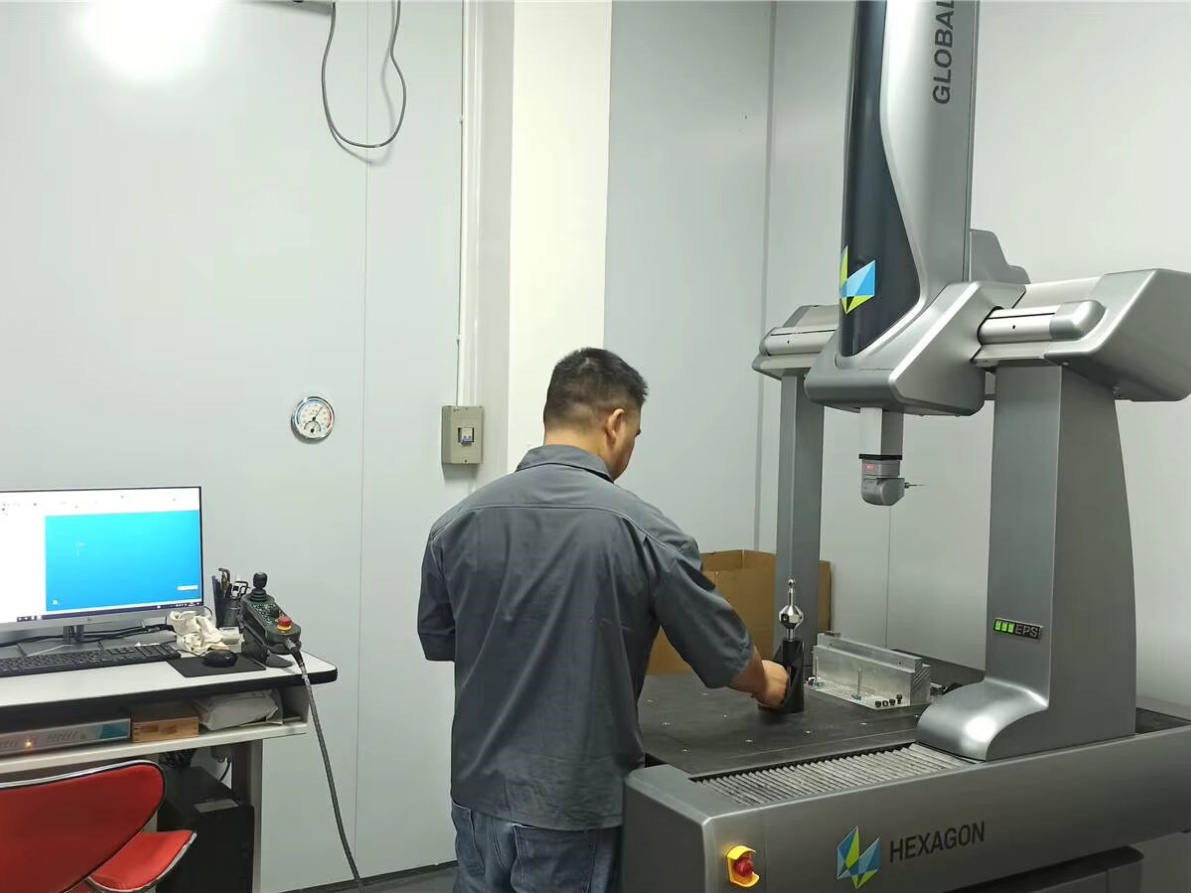
When a run of CNC-machined mirror parts arrives, run a short verification pass before installing:
Check the mounting-hole pattern with a go/no-go gauge or a pin set.
Measure stem OD at three points along the length; variation should stay inside the stated tolerance.
Inspect the glass-retaining channel for burrs. A 0.2 mm burr can crack the mirror glass during press-in.
Verify thread engagement depth with a thread-depth gauge. Target is roughly 1.5× the nominal diameter.
Confirm surface finish by eye under raking light; anodized parts should show even color with no bare patches.
If any dimension falls outside spec, photograph the part and log the deviation. YPMFG can review your drawings and first-article results, flagging geometry or tolerance issues before they become a production problem.
Common Questions About CNC Motorcycle Mirrors
What tolerance should I call out on a mirror bracket?
For most street and touring applications, ±0.05 mm on the mounting face and ±0.1 mm on non-critical dimensions is a practical starting point. Tighter tolerances raise machining time and cost; looser ones risk visible misalignment at the glass.
Can I get a mirror stem CNC-machined in titanium?
Yes, but titanium turns at slower feed rates and is more prone to chatter when the overhang is long. Confirm your supplier has a titanium CNC milling capability and ask for a test piece before committing to a full batch.
How many pieces do I need for a meaningful price break?
Unit cost drops noticeably above roughly 50 pieces and again above 250, depending on material and finish. Below 10 pieces, expect a prototype or setup surcharge on top of the per-unit rate.
What file format should I send to the machinist?
Send a 2D dimensional drawing (PDF or DWG) plus a 3D solid model (STEP or IGES). The 3D file helps the CAM programmer verify wall thickness and tool-clearance zones that are hard to read on a flat drawing.
Do I need a prototype before the full batch?
For first-time geometries or a new material choice, a single CNC prototype is strongly recommended. It validates fit, finish, and function without committing to dedicated tooling or bulk material.
Getting the Right CNC Mirror Part Faster
The biggest time-saver is sending a complete, dimensioned drawing with material, finish, and thread class already specified. YPMFG supports projects that need custom CNC mirror bracket designs, from a single prototype to a 500-piece run. You can send your specifications or CAD files for an engineering review and a firm quote, or request documentation on tolerances and finish options for your current build.