Korean
 English
 German
 Russian
 Japanese
 Spanish
 French
 Italian
 Portuguese

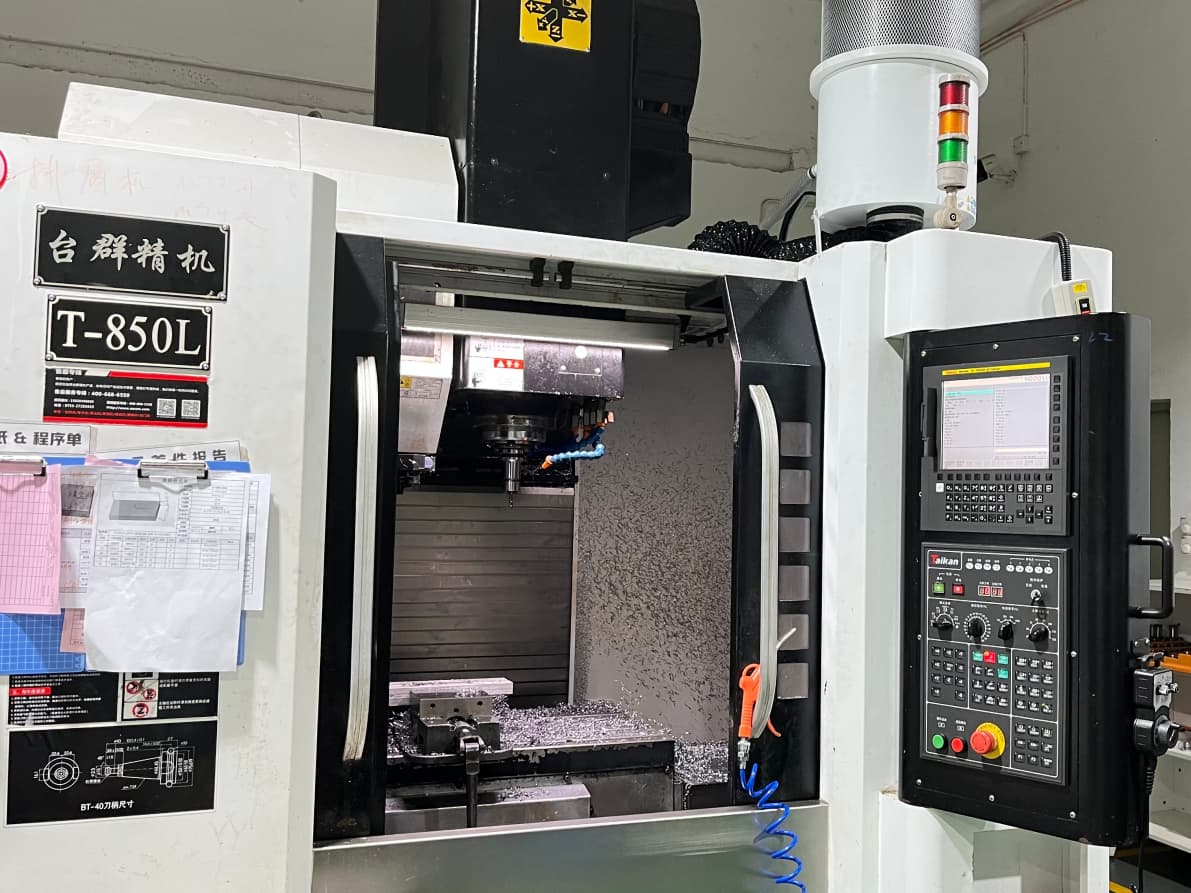
CNC lathe machining of stainless steel involves rotating the workpiece while a single-point tool removes material to create cylindrical geometry. Because stainless is harder and more adhesive than carbon steel, tool selection, cutting speed, and cooling strategy all shift. The target is a tight-tolerance, corrosion-resistant component with minimal tool wear. Getting the material grade, feed rate, and lubricant right matters. A single parameter mismatch can double cycle time or destroy an insert in minutes.
Most buyers first notice the problem when the initial batch shows micro-roughness, visible tool marks, or inconsistent diameters. The root cause is rarely the machine itself. It is usually a combination of material grade, cutting parameters, and tooling choice. YPMFG helps buyers lock down these variables before a part ever hits the chuck.
적합한 스테인리스 강 등급 선택
The 300-series and 400-series steels behave very differently on a lathe. 304 and 316L are the most common choices for corrosion-critical parts, while 410 and 440C add hardness at the cost of increased tool wear. Confirm the exact grade your specification calls for before accepting a quote.
Grade selection affects durability and machinability in equal measure. 304 is the baseline; 316L adds molybdenum for better chloride resistance. 410 can be hardened after turning. If your drawing does not specify a grade, ask your engineer which one fits the service environment before locking the BOM.
Always verify the 자재 인증 on the raw bar stock. A mismatch between the stated grade and the actual chemistry shows up as unexpected hardness or corrosion failure weeks later. A simple spectrometer check at receiving catches the problem early.
Cutting Parameters That Matter
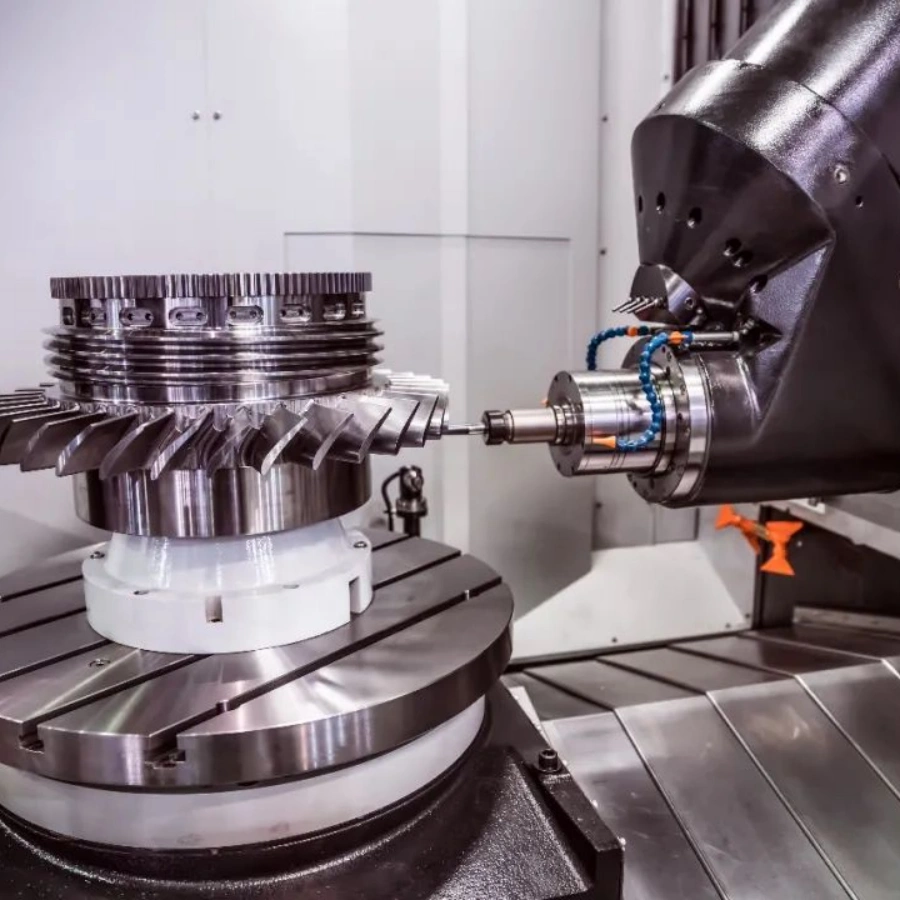
Stainless steel is roughly 30–50% harder than mild steel in most grades. You must reduce 절삭 속도 and increase feed to break the chip cleanly. Staying on parameters tuned for carbon steel will work-harden the stainless and ruin the tool within seconds.
The numbers above are starting points, not fixed rules. Actual values depend on part diameter, depth of cut, and machine rigidity. A short segment on a small-diameter workpiece may tolerate higher speed than a long, thin section on the same lathe.
Where Quality Risk Shows Up
Three failure modes dominate stainless steel turning: built-up edge, micro-cracking from inconsistent feed, and dimensional drift from tool wear. Built-up edge deposits molten material on the tool face. It shows up as a rough, dull surface that no post-machining polishing will fix.
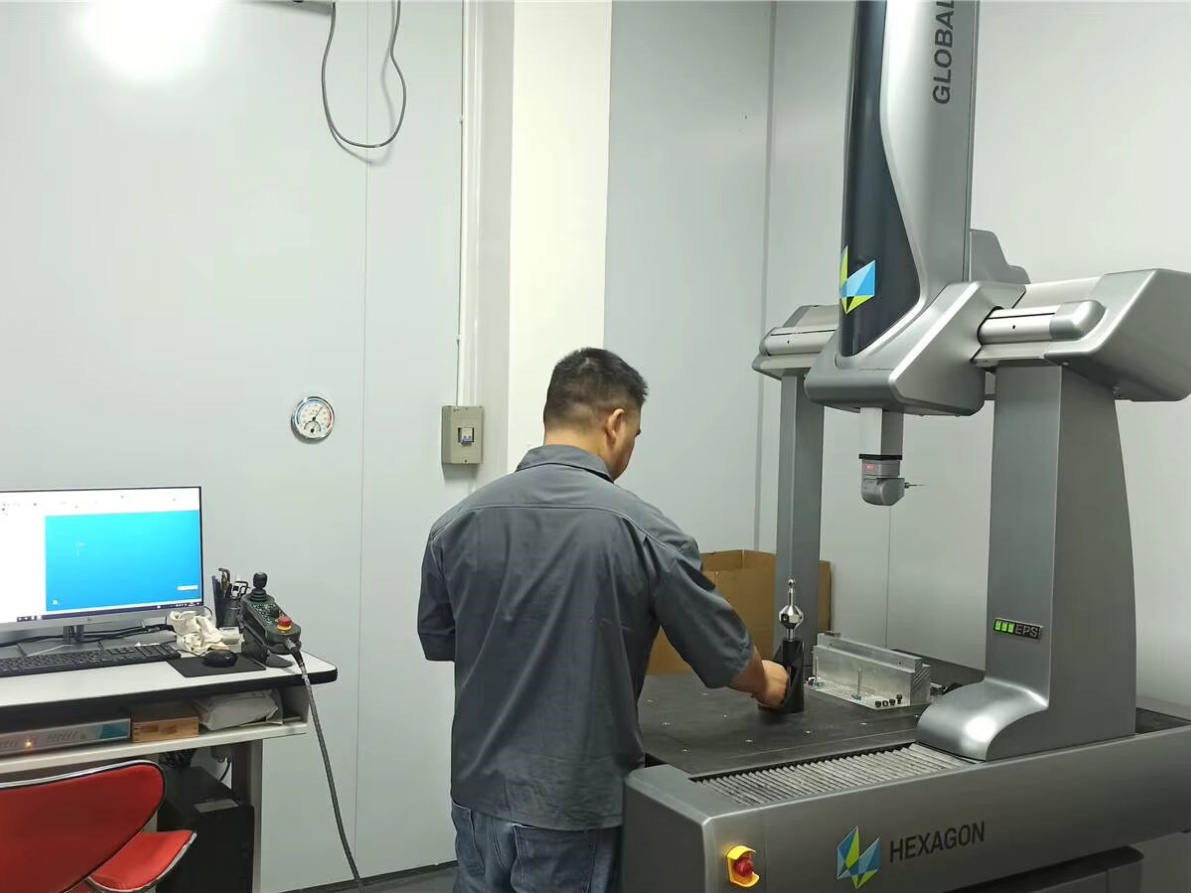
Dimensional drift is harder to catch on the floor. As the insert wears, the outer diameter creeps outward. If your tolerance is ±0.02 mm, a 0.05 mm drift goes unnoticed until the part is assembled downstream. In-process inspection at defined intervals stops this before a full run is scrapped.
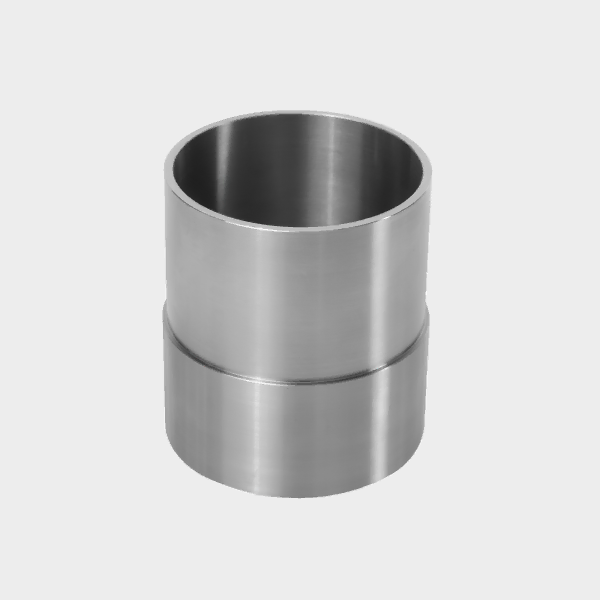
For custom geometry the risk multiplies. Multi-axis turning, live-tooling, and threading on stainless each add variables that interact. YPMFG reviews the full feature list against the chosen grade and parameter set before releasing a fixture setup for production.
구매자들이 자주 묻는 질문
Can I run stainless on a lathe designed for aluminum?
Yes, but you must drop the speed, increase feed, and switch to a stainless-specific insert. Aluminum-running parameters will work-harden stainless within seconds. If the machine lacks full-flood cooling, expect shorter tool life and rougher surfaces on every part.
What surface finish can I expect on turned stainless?
With a proper coating and the right feed, 304 and 316L routinely reach Ra 0.4–0.8 µm on a standard CNC lathe. Ra 0.2 µm is achievable with a fine-finishing pass. Always state the target finish on the drawing; “as-machined” is too ambiguous to enforce.
How much thicker should my raw bar stock be?
Allow at least 1 mm of turning allowance per finished face. For threaded sections, add 0.5 mm on the outside diameter. For hollow parts, account for the depth of the back bore. Stock size selection affects material cost more than most buyers expect.
Is 316L worth the premium over 304?
316L costs roughly 30–60% more per kilogram than 304. It earns that premium in chloride-rich, marine, or medical-sterilization environments. In dry, non-corrosive service, 304 is usually sufficient. Verify the actual service chemistry before specifying the higher grade.
더 나은 장기적 결정을 내리기
The cheapest stainless steel lathe part is rarely the cheapest over its service life. A component that corrodes at a joint, fails a torque specification, or needs rework costs more than a properly graded, well-machined part. Lock in the grade, cutting parameters, and inspection plan before the first piece runs.
다음을 검토 중이라면 custom CNC turned part or comparing several suppliers, send your drawing, material spec, and quantity range to YPMFG. The engineering team will return a process review,tooling recommendation, and a firm quote with explicit tolerance call-outs. No obligation, just a clear answer you can act on.