Korean
 English
 German
 Russian
 Japanese
 Spanish
 French
 Italian
 Portuguese

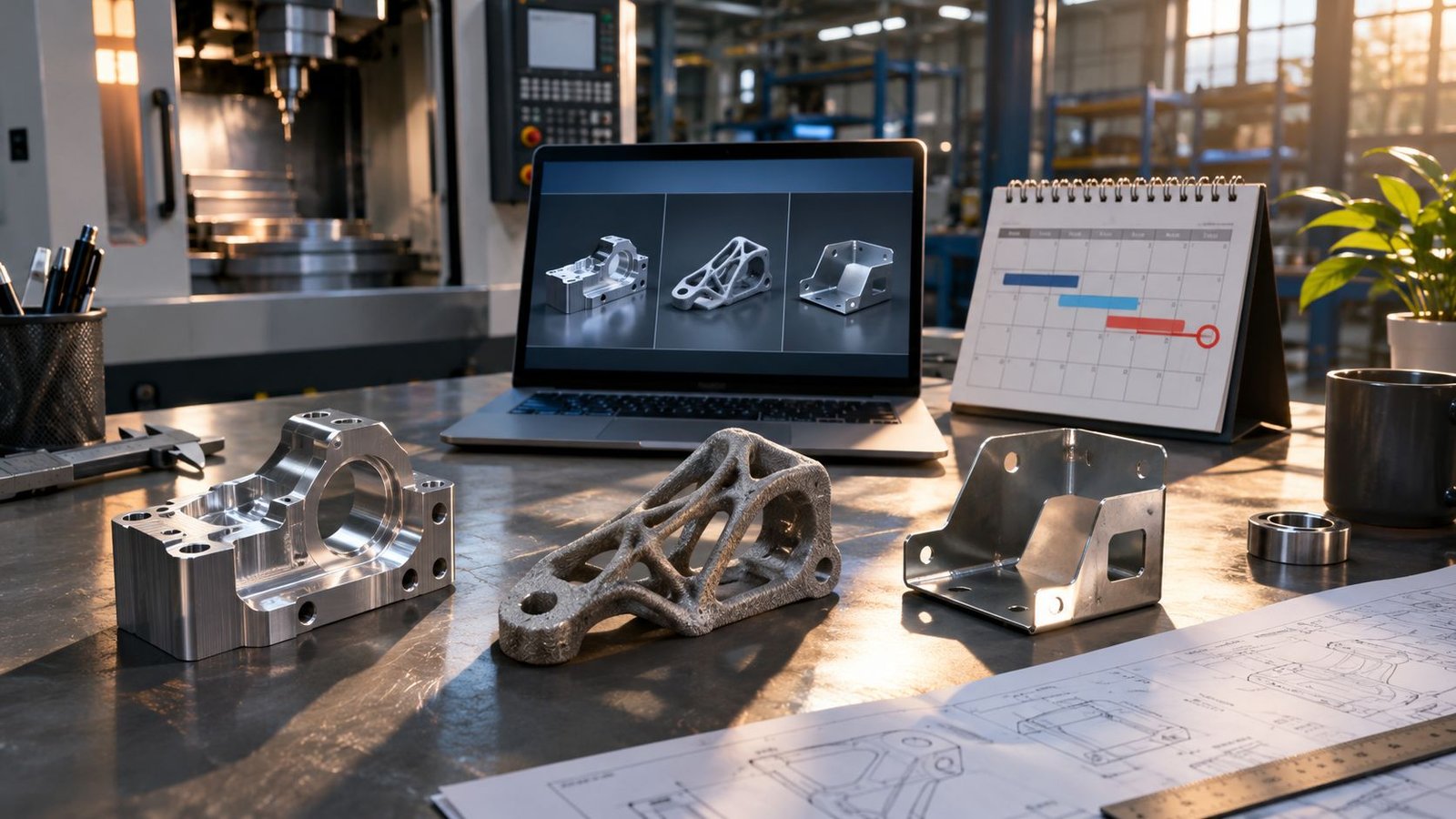
Rapid prototyping services turn a CAD file into a physical part in days, not weeks. CNC machining handles functional prototypes in metal; 3D printing covers geometry checks in 24 hours. Match the method to what the part must actually do under load.
Most buyers order a prototype, get it back, and discover it fails the real application. The part was made, but the material, tolerance, or surface finish did not match the use case. YPMFG sees this pattern across metal and plastic parts alike. The cost is not just the prototype itself. It is the redesign cycle, the delayed test, and the supplier switch you end up needing anyway. Choosing the right rapid prototyping service up front removes most of that downstream waste.
- Method selection: CNC in 6061 or 304 handles functional load; 3D printing in ABS or PC is for geometry and fit checks only.
- 허용 범위: Machined parts typically hit ISO 2768-m; printed parts run looser and need design relief for snap features.
- Timeline: 3D printing delivers a part in 3–7 days; 5-axis CNC machining lands in 15–20 days for complex metal work.
If your part must carry load or fit into an existing housing, machined metal wins. For pure geometry verification, print first and move to metal only when the design is frozen.
What Each Rapid Prototyping Method Actually Delivers
CNC machining, laser cutting,and 3D printing each solve a different problem. The mistake is treating them as interchangeable. A 3-axis CNC milled block in 5052 will not replicate what a FDM-printed ABS part does under sustained vibration. Knowing what each method physically produces changes which one you order.
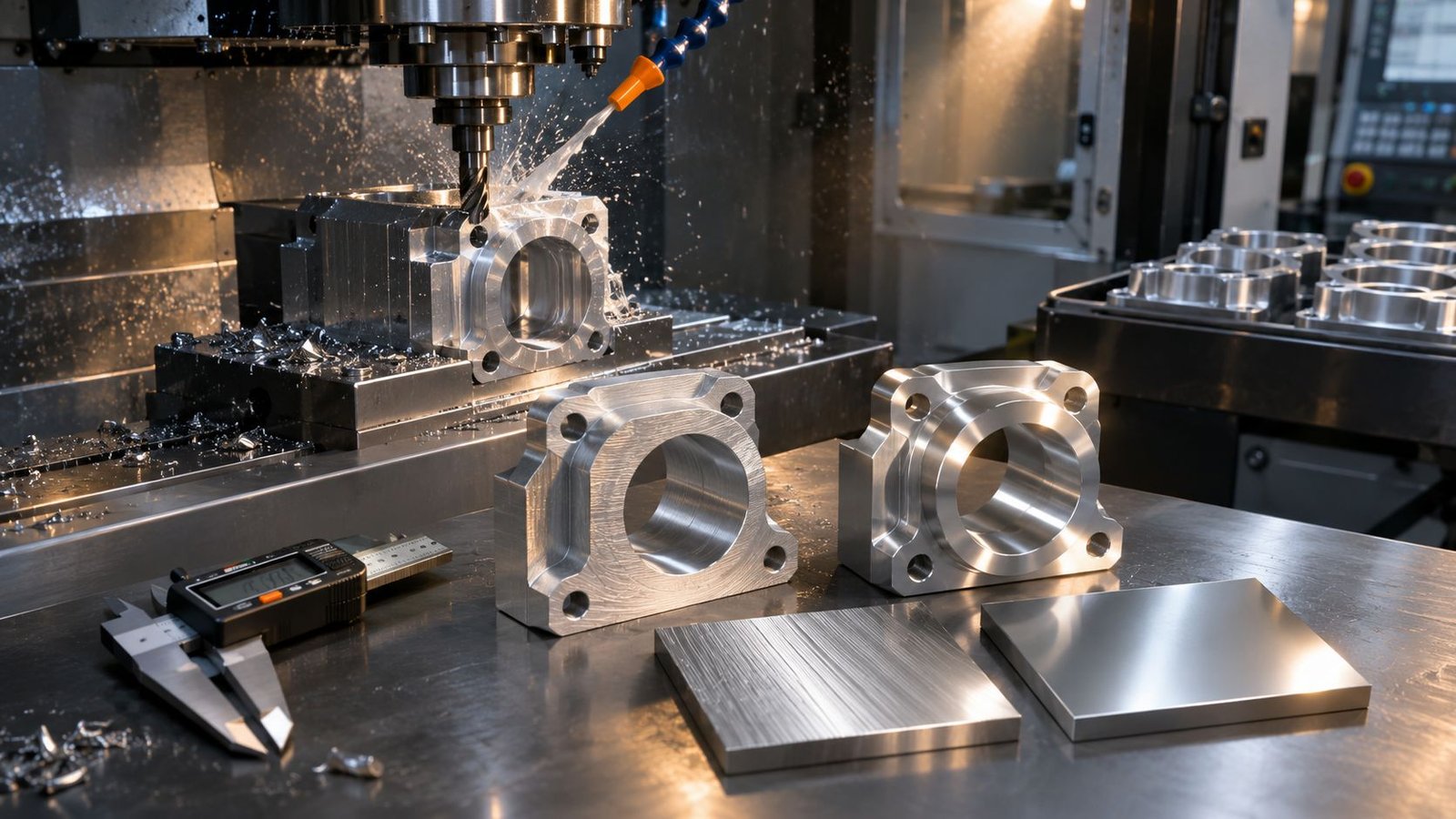
CNC machining removes material with rotating or linear tools. The tool path leaves a small radius at internal corners; a true 90-degree inside corner requires a secondary operation such as EDM or a milling slot. This is a physical limit of any rotary cutter. If your drawing calls for a sharp internal 90-degree corner, plan for that extra step or redesign the corner geometry.
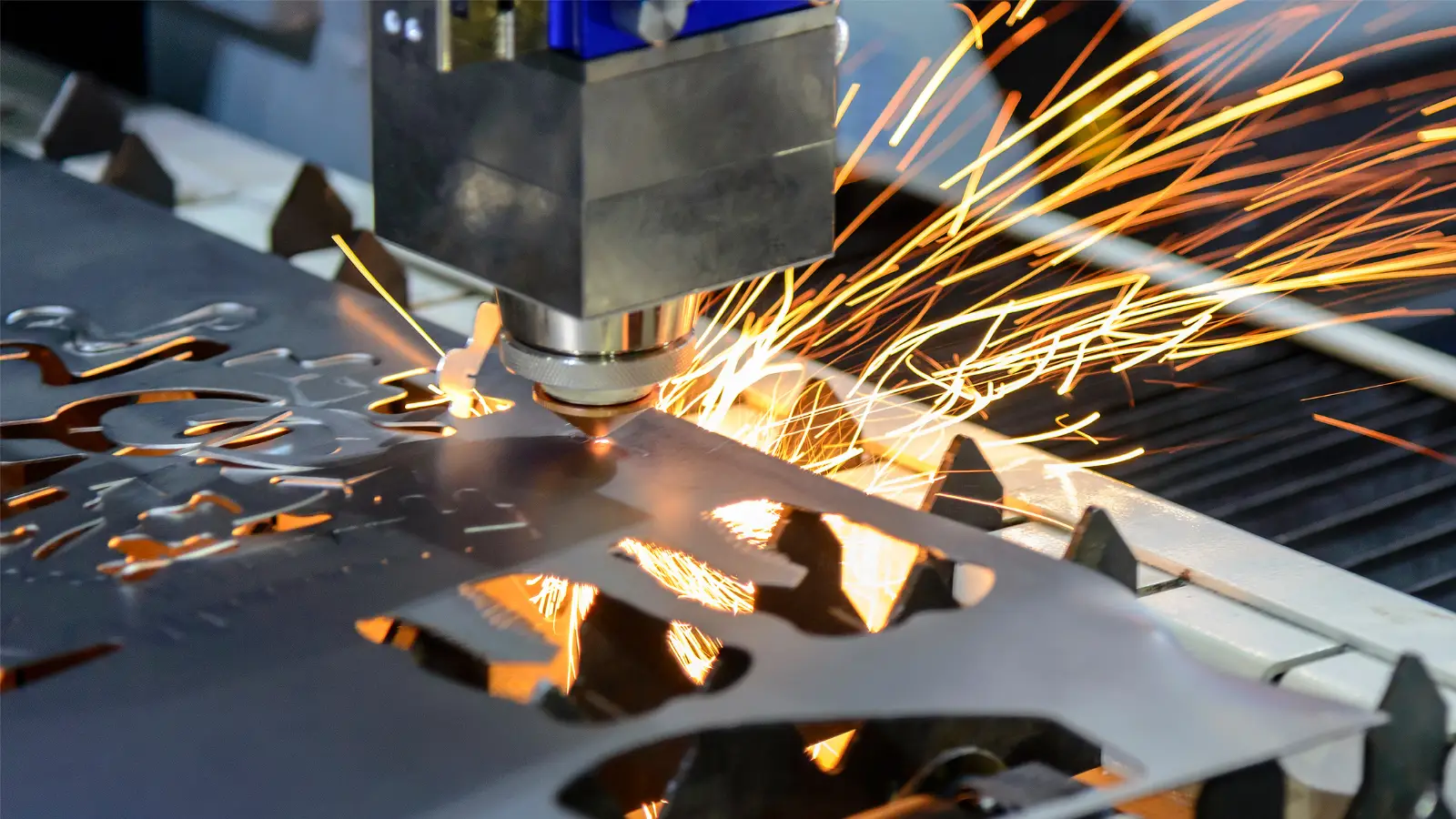
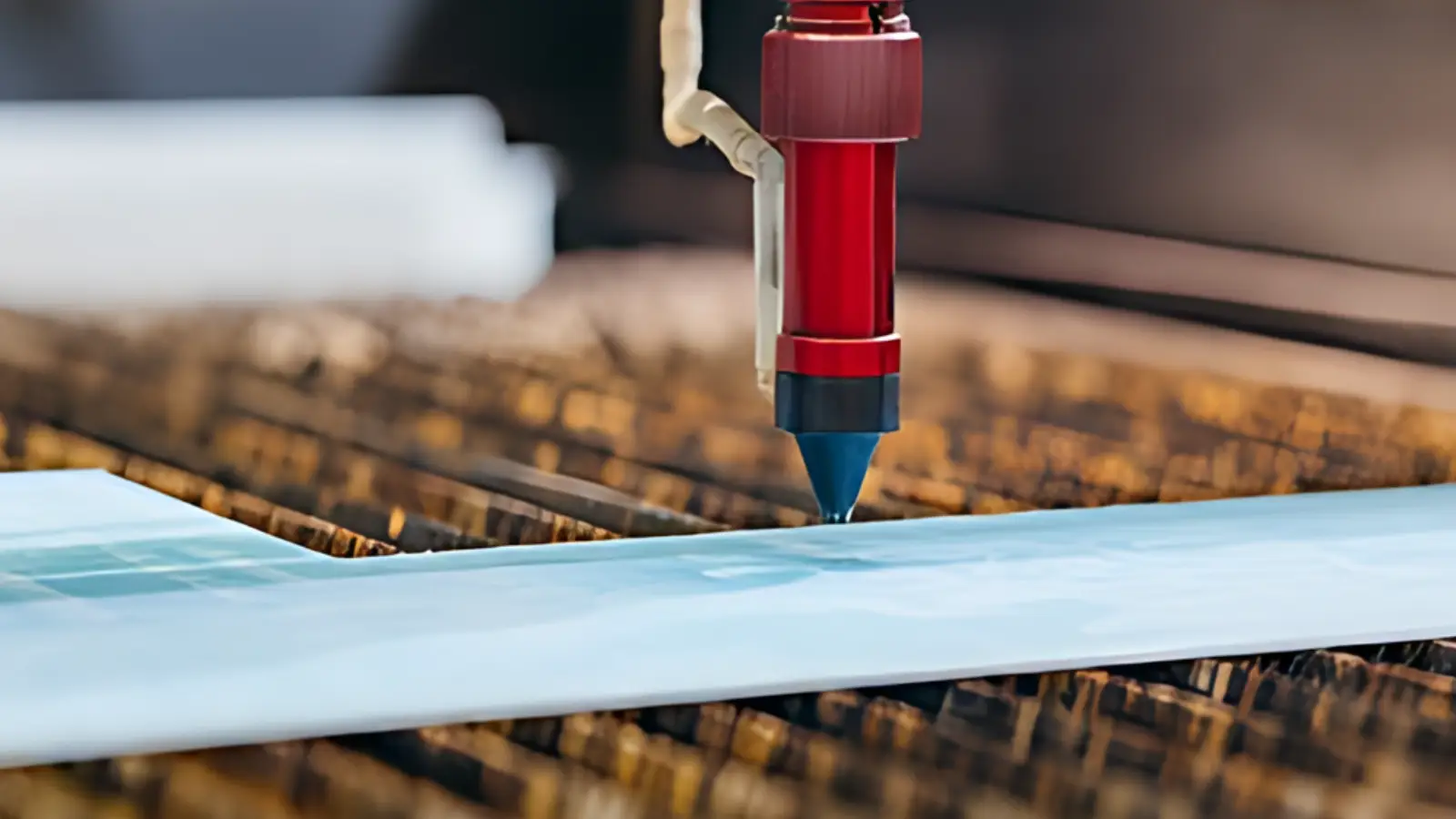
- 레이저 절단: Flat sheets in 6061, 304, or 316L; edge quality depends on kerf width and material thickness.
- 사출 성형: For batch runs above a few hundred; tool cost shifts the break-even point.
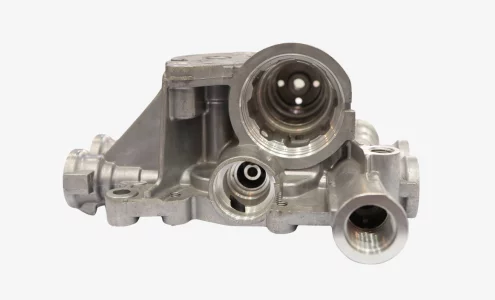
- 다이캐스팅: Aluminum or zinc shells; economical at volume, not practical for a single prototype.
Check which method matches your part geometry, material requirement, and quantity before requesting a quote. YPMFG can help buyers compare these routes side by side against a specific drawing.

Which Method Fits Your Part and Your Deadline?
Deadline pressure pushes buyers toward 3D printing by default. That is the wrong move when the part must withstand thermal cycling or a specific load. A 5축 CNC part in H13 steel takes longer to make, but it will pass a pressure test that a printed nylon part cannot survive.
The right question is not “fastest available method.” It is “what must this part survive in the next test?” If the answer is a drop test, a 200 °C soak, or a torque check, you need machined metal. If the answer is “does it look right and does it fit in the housing,” a 3D printing part in PC or ABS saves both time and material cost.
- Load-bearing or safety-critical part: machined 6061, 316L, or H13.
- Fit-and-form check before tooling: 3D printed ABS or PC.
- Complex internal channels: 5-axis CNC or resin printing with supports removed.
- Small batch before full tooling: injection molding in a soft steel tool.
Map the failure mode you are actually testing, then select the method that can survive it. The prototype is not a decoration; it is the evidence that the design works.
What to Verify Before You Place an Order
The cheapest quote often hides a material substitution or a looser CNC 가공 공차 than your drawing calls for. Before releasing an order, confirm three things in writing: the actual alloy or resin grade, the tolerance class, and the post-processing steps included in the price.
Ask the supplier to state the material grade on the quote, not just “aluminum” or “stainless.” 6061-T6 and 6061-O behave differently under heat treatment. For 3D printing, “PLA” and “ABS” carry different layer adhesion; the difference shows up the moment you apply flex. If the supplier cannot specify the grade on paper, assume the lower spec will be used on your part.
- Material grade named explicitly on the quote (304 vs. 316L, 6061-T6 vs. 6061-O).
- Tolerance class stated: ISO 2768-m or a specific value pulled from your drawing.
- Surface finish and post-processing: bead blast, anodize, dye, or none included.
- Inspection method: first-article inspection or CMM report shipped with the part.

A one-page material and tolerance sheet attached to your PO prevents the vast majority of disputes. Send that sheet to YPMFG for an engineering review before you commit machine time.
How a Typical Metal Prototype Goes From Drawing to Shipped Part
A machined 6061 bracket with three tapped holes and a 45-degree chamfer follows a standard route. First, the CAM program is checked against the drawing for undercuts and tool clearance. The part is roughed on a 3-axis CNC machine, then finished to ±0.01 mm on the critical mating face. Tapped holes are reamed, not cut, so the thread gauge passes cleanly. The part goes through a first-article inspection: calipers on each dimension, a thread ring gauge on each hole, and a visual check for tool marks or burrs.
Common failure points are a missed chamfer and a tap that was not backed out of the hole before the part left the machine. Both are caught in the inspection step. If a dimension is out of tolerance, the part is flagged, corrected, and re-inspected before it ships.
공정 경로 참조: YPMFG 공정 라이브러리, 공개된 툴링 데이터를 기준으로 검토됨. NDA에 따라 고객사별 데이터는 비공개로 처리됨.
Practical Questions Before Ordering a Prototype
Can 3D printing replace CNC for a functional metal part?
No. FDM and resin printers use thermoplastics or photopolymers. Under sustained load or temperature above the resin glass transition, the part deforms. For metal load, you need CNC 가공 in a real alloy such as 6061 or 316L.
How tight can a machined prototype get?
Machined parts typically hold ISO 2768-m, which is ±0.1 mm at 50 mm length. For tighter fits, specify a tolerance directly on the drawing and confirm the supplier can hold it with their current tooling and machine calibration.
Can I send a photo instead of a CAD file?
It cannot be done from a photo. The supplier needs a 3D model or a 2D drawing with full dimensions, material callout, and a tolerance block. A photo only helps a human estimate; it will not drive a CNC program or a print file.
What happens if the first part is out of tolerance?
A reputable shop reworks or remakes the part at no charge when the failure is on their side. Confirm this in writing before ordering. If the miss traces back to an ambiguous drawing, the correction cost falls on the buyer.
Getting the Right Prototype Without the Guesswork
The core value is simple: match the method to the test you actually need to run, confirm the material grade and tolerance class on paper, and hold the supplier to a first-article inspection before the part ships. You do not need to learn every CAM parameter. You do need the right drawing and the right expectations for what each process can physically produce. Send your specifications to YPMFG and the engineering team will flag material risks, suggest a realistic tolerance window, and walk you through a process route before any machine time is booked. That single review step saves the redesign cycle most buyers dread.