 Portuguese
  English
  German
  Russian
  Japanese
  Korean
  Spanish
  French
  Italian
 Resposta rápida:
CNC milling parts are custom machined components produced by removing material with rotating cutting tools on multi-axis mills. They range from simple 2D prototypes to complex 5-axis aerospace components. Key variables affecting cost and fit include material grade, CNC milling tolerances, surface finish requirements, and batch volume. Tolerâncias typically range from ±0.1 mm for standard work to ±0.01 mm for precision applications. Confirm material certifications and tolerance callouts before requesting a quote to avoid rework and delivery delays.
Fornecimento CNC milling machining parts often stalls at the specification stage. Buyers send a 3D file and hope the shop interprets the design correctly. In practice, missing tolerance callouts, unclear material specs, or unrealistic finish requirements lead to rework, delays, and higher per-unit costs. YPMFG works with engineers and procurement teams to close these gaps early, reducing downstream risk.
Índice
Types of CNC Milling Parts
Key Specifications & Tolerances
Material Selection
Cost Factors
Quality & Compliance
Common Questions
Choosing the Right CNC Milling Partner
Types of CNC Milling Parts
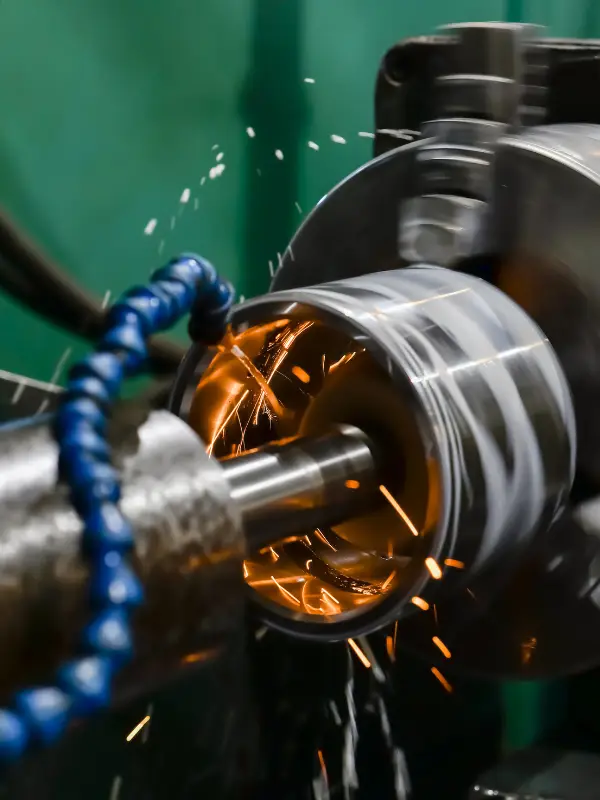
CNC milling covers a wide range of part geometries. The most common categories include:
Flat plates and panels – 2D and 2.5D cutting, pockets, and holes
Suportes e fixações – 3D features, bolt patterns, mating surfaces
Caixas e invólucros – multi-face machining, tight parallelism
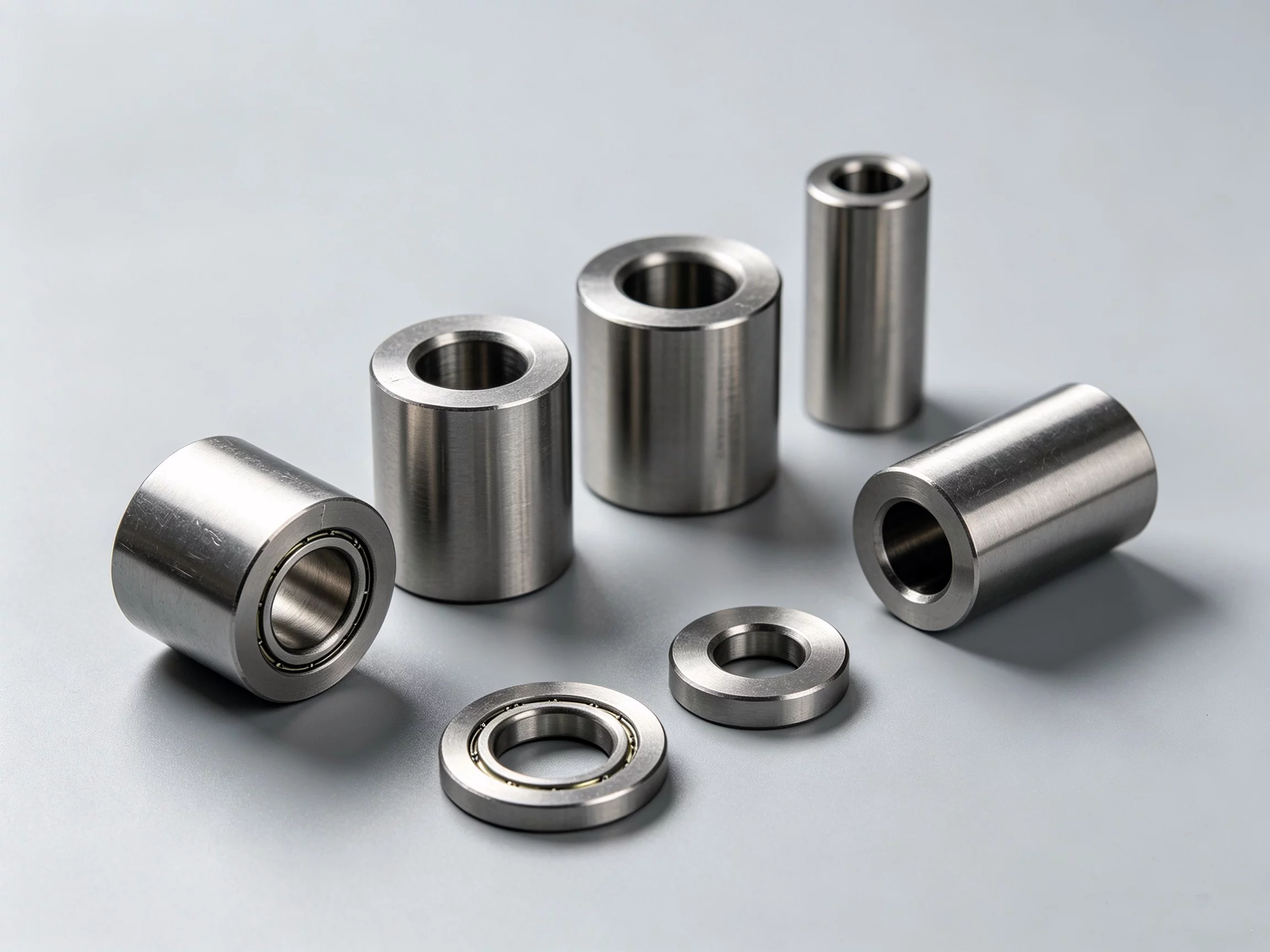
Precision shafts and sleeves – turned-then-milled hybrid parts
Complex 5-axis components – turbine housings, drone frames, medical jigs
The choice of process depends on part geometry and production volume. For high-volume runs, simultaneous 5-axis Fresagem CNC reduces fixturing steps and improves dimensional accuracy across all faces.
Key Specifications & Tolerances
Before sending a drawing, confirm these parameters:
Tolerances under ±0.01 mm significantly increase machining time and scrap risk. YPMFG recommends specifying a functional tolerance zone and a default general tolerance separately on the drawing. This keeps costs predictable while ensuring critical features meet engineering requirements.
Material Selection
Material choice drives both performance and cost. Aluminum 6061-T6 remains the most common CNC material for prototypes and moderate-load applications due to low density and good machinability. For corrosion-heavy or high-temperature environments, stainless 316L or titanium alloy 6Al-4V may be required. Each material carries its own heat-treatment, anodizing, and inspection considerations.
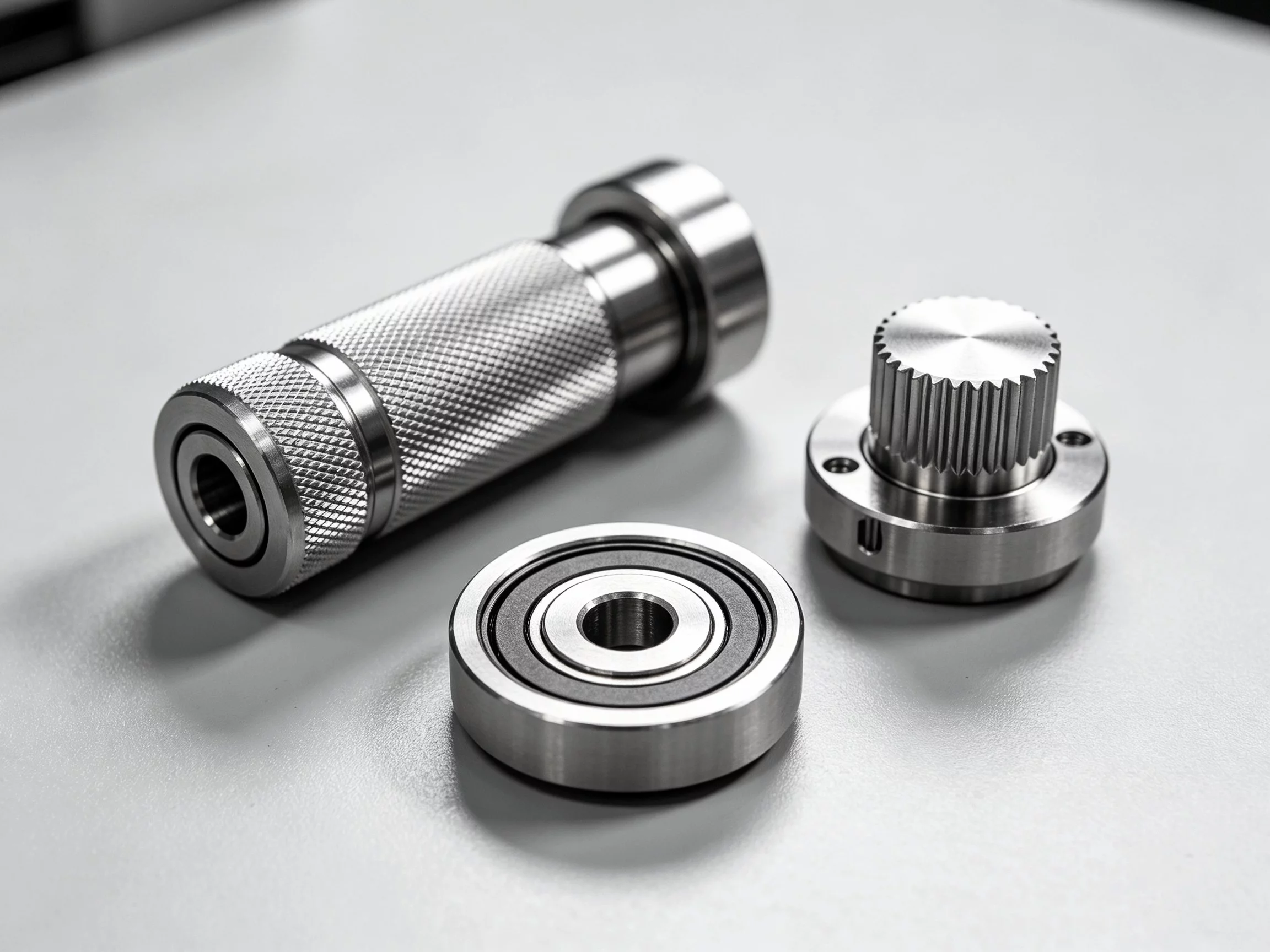
Confirm whether your application demands material certifications, PPM limits, or industry-specific compliance documentation such as AS9102 or ISO 9001. YPMFG can provide material traceability records and test reports alongside each delivery.
Cost Factors
Unit price for CNC milled parts is shaped by several variables:
Material and stock form – billet, plate, or tube
Tolerance and finish requirements – tighter means more time
Geometry complexity – 3-axis vs. 5-axis setup count
Batch volume – amortized tooling and programming
Inspection level – FAIR reports, CMM, dye penetrant
A part that looks simple on paper may require multiple setups and custom fixtures. Requesting a quote with 3D files and drawings allows the shop to identify hidden complexity before committing to a tooling budget.
Quality & Compliance
Every batch should arrive with a first-article inspection report and, for production runs, in-process inspection data. Critical dimensions should be verified on a calibrated CMM rather than calipers alone. For aerospace, medical, or automotive applications, the shop should hold relevant quality certifications and maintain a traceable lot history.
Define acceptance criteria in writing before machining begins. This prevents delivery disputes and makes supplier quality management more efficient across the project lifecycle.
Common Questions
What is the minimum order for CNC milling parts?
Most shops accept single prototypes. Volume discounts typically kick in at 50–200 units, depending on setup complexity. Confirm the minimum with your supplier before sending files.
How do I choose between 3-axis and 5-axis milling?
If the part has features on five or more faces or undercuts, 5-axis simultaneous milling reduces fixturing errors. Simple prismatic parts are well suited to 3-axis machines.
What surface finish should I specify?
For structural or mating surfaces, Ra 1.6–3.2 µm is standard. Cosmetic enclosures may need Ra 0.4–0.8 µm with anodizing. Match finish to function, not just appearance.
Do I need material certifications?
For safety-critical, medical, or aerospace use, yes. Request mill certificates and, where applicable, PPM composition analysis. YPMFG includes traceability documentation with every shipment.
How long does prototyping versus production take?
A single prototype typically ships in 5–10 business days. Mid-size production runs of a few hundred units often take 2–6 weeks depending on inspection scope.
Choosing the Right CNC Milling Partner
A direita CNC milling machining parts supplier matches your geometry, tolerance,material, and timeline—not just the lowest unit price. Send your 3D models and drawings to YPMFG for an engineering review. You will receive a feasibility assessment, recommended process plan, material suggestions, and a transparent quote within 48 hours. If your application calls for a custom machining solution or multi-material assembly, the team can also propose design-for-manufacturability adjustments before tooling begins.