English
 German
 Russian
 Japanese
 Korean
 Spanish
 French
 Italian
 Portuguese


In order to cut raw stock, it is sometimes difficult to choose the appropriate means. Waterjet cutting relies on high-pressure water flows enriched with abrasive particles, which enables operators to process thick steel blocks without heating them. Depending on the particular project, shops should choose between thick plates and thin sheets as often as once per day. You spend hours and break costly parts when you choose inappropriate technology. Every businessman wants their plant to operate smoothly, quickly and economically. Having understood peculiarities of the material, you won’t make costly mistakes, and the factory floor will function efficiently.
Thermal Effects On Metals
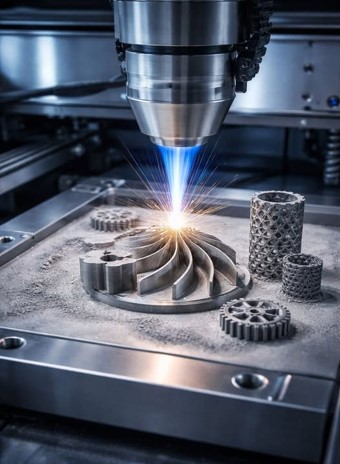
Once metal starts melting, unexpected effects take place. A narrow light beam quickly heats up carbon steel upon contact with it. At such a high temperature, a hardened zone appears around the cutting area, which cannot be machined afterwards. During parts fabrication, excess heat may deform or distort them. Operators should monitor the cooling rates to prevent appearance of microcracks near the cut line. Control of thermal stresses is crucial for structural parts which are used in harsh conditions, such as in aerospace and heavy machinery industries.
Speed versus Material Thickness
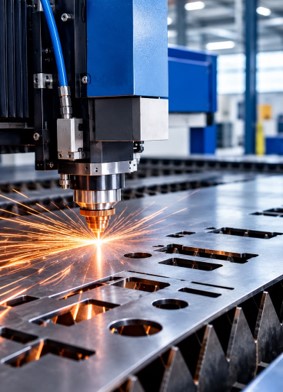
Laser cutting makes it possible for very thin sheets to pass through the production lines quickly. Upon focusing, the beam of light melts thin sheets of steel or aluminum within seconds without any leftovers. The processing speed becomes lower with increasing of plates thickness since the beam loses its power deep in the cut groove. In case of heavy industrial projects, different technologies are applied since the material cannot be visible in the beam of light. The correct balance of speed and depth is necessary to complete the task without damaging the fragile optics or machine parts.
Edge Quality and Finishing
Grinding smooth edges saves a lot of time. Thicker pieces of mild steel have usually rough grooves in the bottom part, while thin ones become smooth at the top. Water flows over the surface leaving behind a matte finishing which is clean from slag or thermal damage. Workers appreciate parts which can be slid immediately into the assembly jigs without any prior preparation. What method will suit your team best depends on additional post-processing you should do after shipping.
Material Versatility and Limitations
Light reflects from metal surfaces which causes serious problems with optical holes. It is well known that copper and brass are very harmful materials for thermal tools processing. With a high-pressure water stream with abrasives, any metal, glass, stone, or even thick rubber blocks can be cut, regardless of their reflectivity. That is the reason why the fluid jet system is preferred in those shops which deal with various materials and one-time jobs. You can keep your tools safe from destruction and avoid breakdowns while fulfilling urgent customer orders since you will exactly know what material you are working with.
Operating Costs and Maintenance
What customers purchase defines the real cost of daily operations in a shop. Optical systems require periodic nozzle cleaning, replacement of the cover glasses and laser gas refills. High-pressure pumps require new seals after numerous operations, as well as delivery tubes and check valves maintenance. Power supply and runtime of chiller units influence electricity costs. The tracking of those ongoing costs will allow you to avoid budgeting problems at the end of each fiscal quarter.
Choosing the Right Method
Manufacturing efficiency is based on correspondence of the requirements of the project with the capabilities of the machine. Fast cutting speeds and small kerf widths are appropriate for thin sheets of decoration. For precise cutting of structural brackets and thick alloy plates to prevent deformation due to heating, waterjet should be used. Setting the budget and production goals will help plant managers to configure production correctly. You can provide your customers with high-quality metal parts in timely manner and ensure their satisfaction with the results if you estimate each factor in advance.
Conclusion
There are many ways to choose building style depending on the material thickness and melting capacity. Each production manager has to find the balance between speed and accuracy in making daily shop plans. Knowing how energy affects raw materials helps you to follow the schedule and minimize scrap cost. The specialists from ypmfg.com always emphasize that you should take into account the needs of the project before finalizing the technological process. Wise decisions will ensure high-quality products and customer satisfaction in all regions.