English
 German
 Russian
 Japanese
 Korean
 Spanish
 French
 Italian
 Portuguese

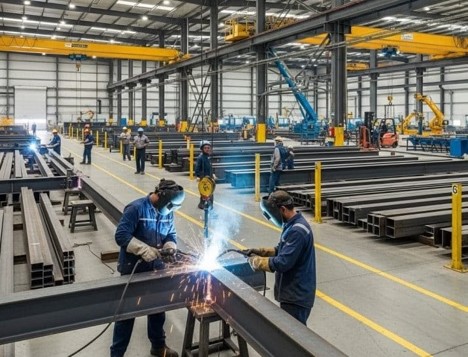
Metal parts manufacturing involves several difficult choices. Each time a maker begins a new manufacturing job, they are confronted by the physical limitations of the shape to be created, as well as the budget requirements of the customer.
Because of this, makers must make quick decisions about which manufacturing processes to use. Planning in advance of creating the parts will allow makers to minimize waste and lower costs.
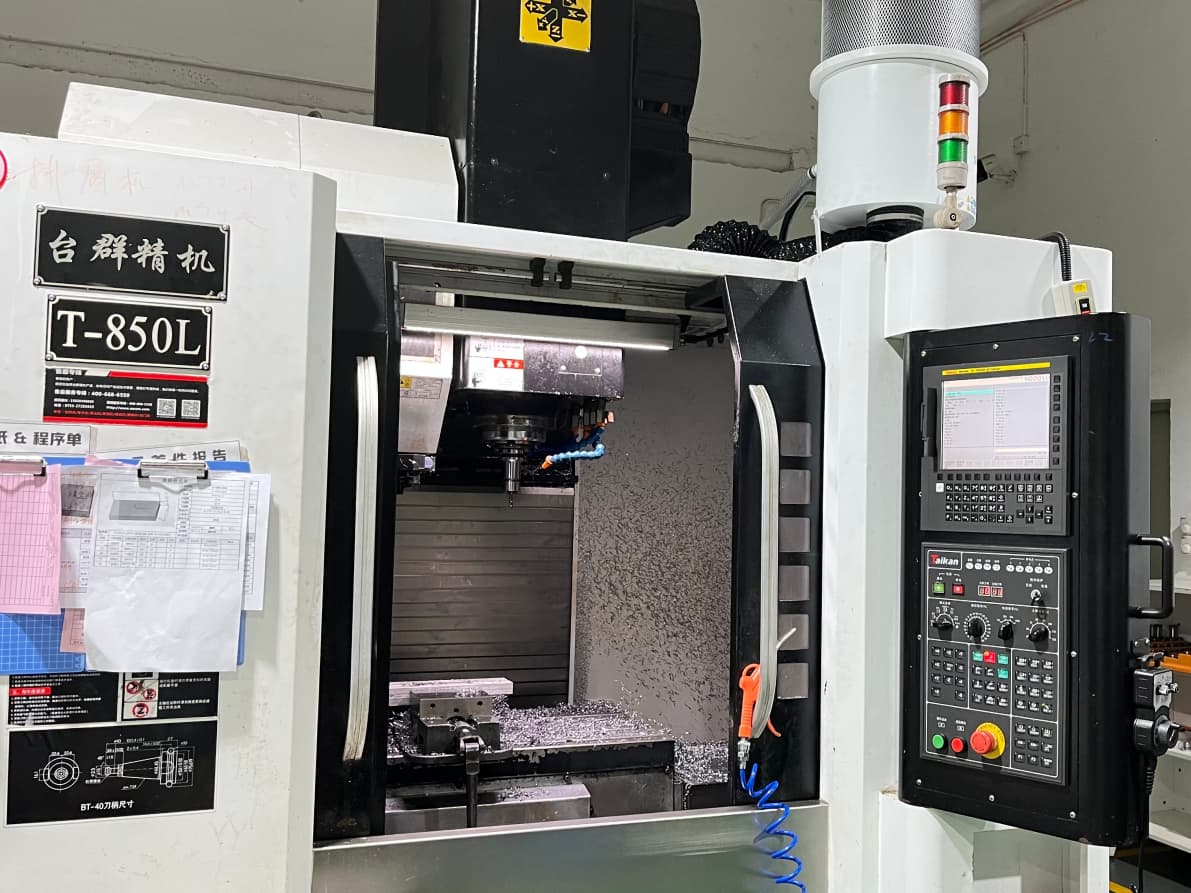
Before fabricating with the metal, makers will test the raw material to be used. Makers will also evaluate the types of machines that can be utilized to produce the part. For deeper cuts, many companies employ CNC Machining.
The costs of using CNC Machining are evaluated during the early stages of planning. Makers who provide quality manufacturing services will review their daily production goals. There are numerous ways to protect employees who work on projects. If you plan to fabricate with harder metals, you must use stronger bits.
Evaluating Metal Material Needs
When the appropriate type of metal is utilized, the factory floor functions more efficiently. Steel has distinct properties compared to soft brass.
Workers will perform tests on each individual piece of metal before cutting it. Harder metals require longer periods to create. At the same time, softer metals can be damaged while being formed at high speeds.
Metal producers choose raw materials which can best serve as the basis for completing a particular job. Some manufactured parts must endure extreme heat during their lifetime. Other components must be able to protect against corrosion on the outside of a building.
Manufacturing groups will select raw materials based upon how well they fit into the processes used by their equipment. This will reduce the probability of error in the beginning stages of production.
Checking Part Design Limits
Shop floor operations can become very complicated when small details are overlooked. Gap widths require careful attention. Workers who want to avoid complications will review the drawings two times.
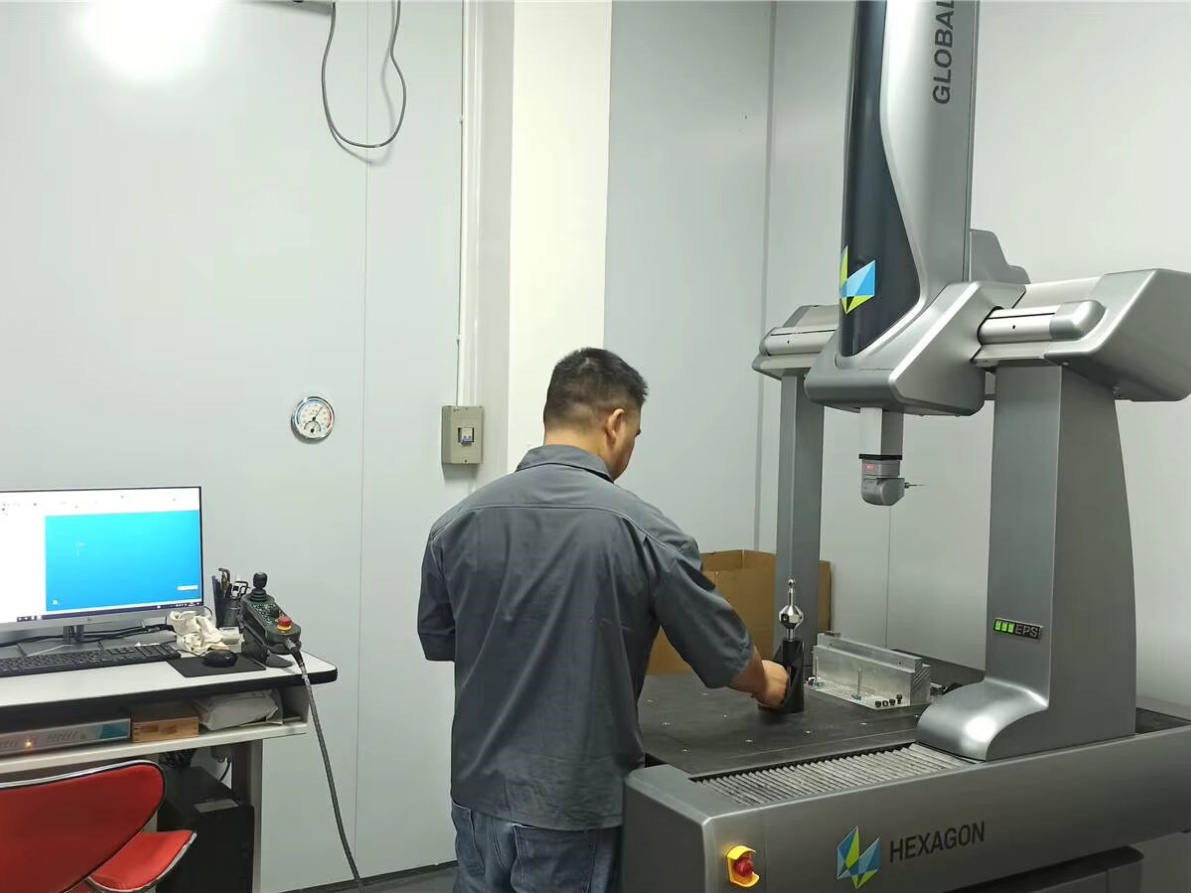
Small drill bits are needed for curves. Many shops utilize precision CNC to produce highly accurate parts. Precision CNC has proven itself as an effective method of producing parts.
Thicker walled materials are stronger than thinner walled materials and have a lower probability of failing during cutting. Engineers assess each potential angle of operation.
Engineers define the tool path in a clear manner. Poor quality cuts can result in substantial expense to rectify. It is essential that dimensions are precise.
Looking At Shape Details
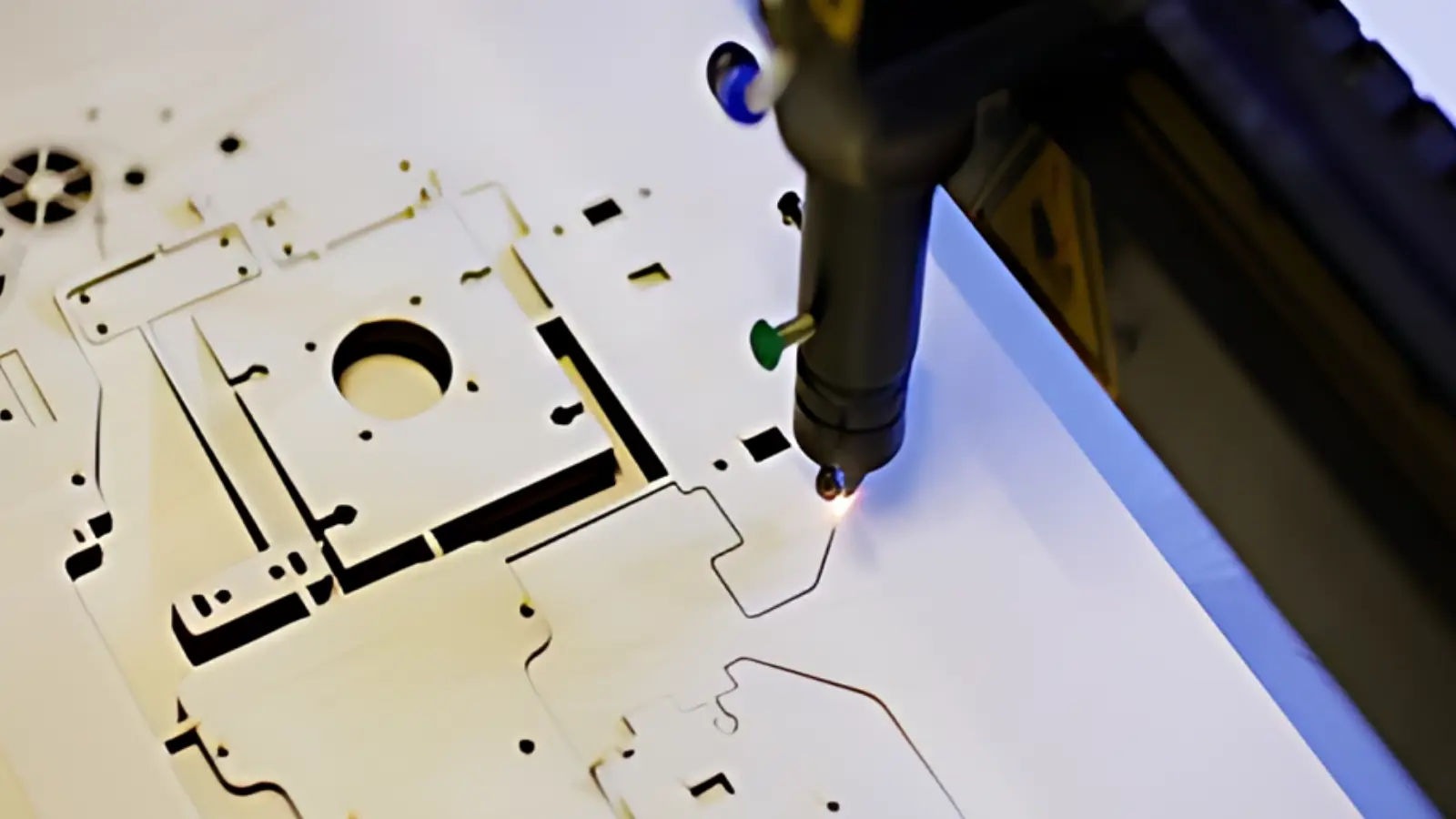
Odd-shaped parts can slow the primary cutting process. Most basic cutting tools will likely fail when used on sharp corners. Round edges provide smooth cutting capabilities using rotating heads.
Production managers constantly find methods to improve production speeds. Holes filled with debris from loose metal chips are created. Air pressure is then applied to clean out the dirty holes.
Standard CNC Machining enables users to produce odd-shaped parts safely. Users may flip the part once the first side is cut in order to cut the second side.
Users must use clamps to hold the part firmly in place while performing work on it. Moving parts around in a machine shop uses valuable production time. Using clamps to hold down parts firmly will keep the part from moving.
Tool Costs And Run Times
On each of the many thousands of factory floors across the country, money matters. When you’re using high-speed equipment with costly cutting tools, you’ll need to change out the blades on a regular basis.
Management monitors the amount of time that each operator spends on his/her machine every single day. A slow cut can extend the life of your cutting tools; a fast cut will wear them down extremely fast.
There is no simple solution here — only a compromise. Precision CNC operations usually strike a balance between speed and tool life.
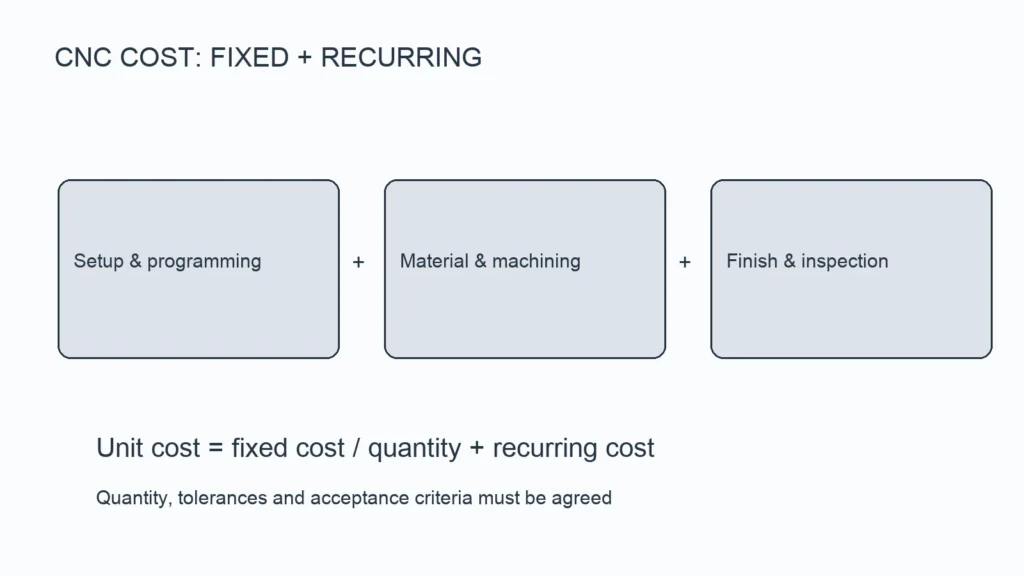
If you have a large run, you may be able to divide up the high cost associated with setting up the machine. However, if you are doing small runs, then you will pay more for each part due to the costs of setting up the machine.
Operators frequently check for dull blades. The cleanest cuts come from new tools. Time is critical.
Planning For The Final Use
An engine’s components determine if it functions as intended in reality. One failed component can render the entire engine inoperable.
As builders create components, they take into account the environment in which those components will be utilized. Components designed for use in space must undergo much greater inspection than components designed for other types of environments.
Medical device components require clean surface finishes. Many common consumer products allow for some imperfections.
It can take several additional hours to complete the final polish of a component; therefore, adding those hours to the manufacturing process. Coating components with metal will provide additional protection from wear and tear. Shipping components has little influence over their longevity.
Conclusion
Success comes through hard work. The top manufacturers produce high volumes of product quickly and make smart decisions.
Before starting to manufacture, the team examines the raw material. The design determines which tool is best suited for the specific task. To cut complex shapes, a systematic process of cutting is necessary.
How much money will be spent on tools impacts how quickly the machines run on a daily basis. Finishing processes protect the metal from harm and improve the look of the metal.
In today’s competitive market, quality is always the winner. When components are of high quality, customers have faith in those components.
A well-planned process allows you to convert large amounts of raw steel into products that people use every day.