English
 German
 Russian
 Japanese
 Korean
 Spanish
 French
 Italian
 Portuguese

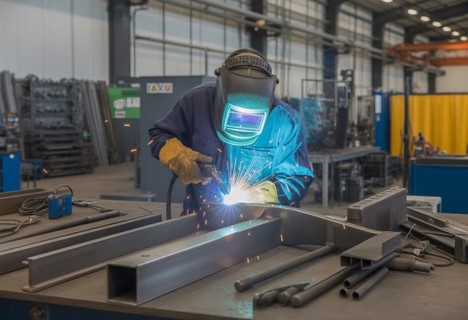
Some plastic parts that are used in everything from machinery and electrical use to industrial things. Some of these are simply one flat and simple piece, but some will require other changes to be made to their shape, for example to make places for the other parts to sit. These will be made with these changes by hand which will take a lot of time if they need to be accurate at all. The pieces can be cut and made to be the correct size and shape by a computer controlled cutting machine, which means anyone who is making them can know how they are made.
The Importance of Joint Design
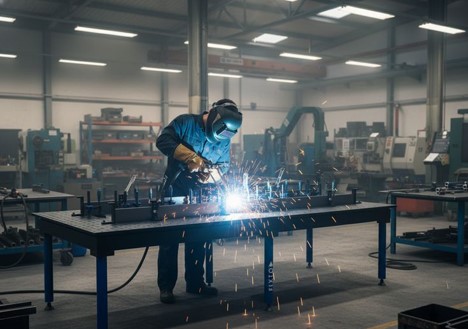
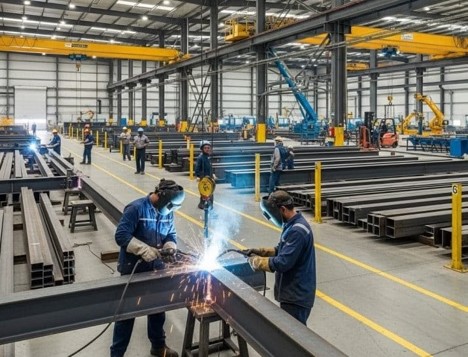
Basically of a shape. Strong enough to withstand the environment of which it will be working. How the shape of the joint influence how easy the welder is able to get to the weld. Some you will need to weld around the entire item, while others you will only be able to access from one side. Difficult access is a poor quality weld. When ordering Welding Services, drawing of the joints location and important dimensions should be sent to let the manufacturer know what work needs to be done.
Choose Materials to Complement One Another
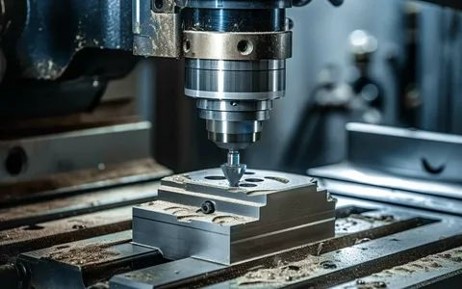
CNC stands for computer numerical control and involves the rotation of a cutting tool powered by a CNC machine. CNC routing is where material is cut away from sheets or blocks of plastic around a route controlled by a program. If the cutter is not guided around the route manually then it is possible to produce straight sides, curves, holes and slots and this can prove advantageous when manufacturing large quantities of similar components. The speed of the cut and which tools are used will depend on the plastic you are using and incorrect installation may lead to imprinted rough sides and melting in your work piece.
Effects of Welding Heat on Metal Parts
How Plastics are cut The Plastic cut may not be the same – Acrylic, polycarbonate, PVC and HDPE are all different and may need a different level of Machining. Acrylic is great for transparent panels and areas where display capability is important. Polycarbonate is great for impact resistant applications. HDPE is used for many industrial applications as a wear resistant material. The quality of the cut is not enough-Machining plastics out for Plastic strength, high temperature-resistant applications, and applications should be reviewed before you choose the right Plastic. Even with the right cut, using a Plastic may cause problems.
Check Dimensions Before Going Into Production
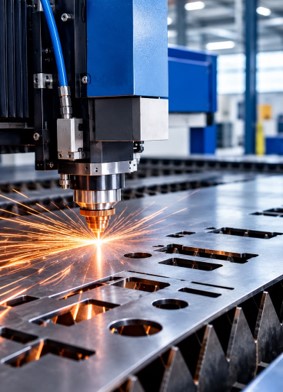
Sometimes a number of custom panels require holes for buttons, displays, ventilation or power connections to be installed in a precise way. Computer controlled cutting gives the operator the ability to work with sophisticated drawings and copies of hole patterns with precision. Small holes and sharp corners in the piece can be an issue. There are restrictions to how small these features can be due to the diameter of the cutting tool used and the shape of the hole.
Why Surface Prep Is Important
The plastic may heat up as the cutting tool cuts into it. Heat can soften the material and leave some melted plastic on the edge of the part. Proper tool choice, cutting speeds and feed rates can help cut down on this problem. For some plastics, chip removal is also important to aid in getting rid of heat and leaving a finished surface. Workers also should inspect finished parts before they go to the assembly area, trimming off excess material in certain areas to improve appearance and fit.
Final Assembly Planning
There are many instances where a flat shape can be machined from a plastic sheet but, not all. Some parts need deep pockets, 3D shapes and very tight tolerance’s. If you need deep pockets or tricky features the best route maybe CNC Machining using the right milling machine, again it all depends on the shape of the part, the material and accuracy needed. A manufacturer should always look at the drawing of a part to determine the type of machine needed to machine the part from, equipment should not be chosen just as it is available or just because it is a standard item.
What to Check Before Accepting the Order
However, not everything a business might need is necessarily hundreds or thousands of identical plastic parts. Sometimes a factory might need a small number of replacement covers or replacement panels, for example. Instead of producing an expensive injection mould, the factory can use a computer controlled routing process to create the parts from flat sheet. The same program can be easily adjusted to add a variation to the design. This approach is ideal for prototype work, repair and small production runs. If additional time and material has been factored into the quote, its still worth calculating exactly how much time and material is lost in the routing.
Conclusion
When manufacturing your custom plastic parts, you will need the appropriate cutting and planning equipment. There are many factors which could influence the final product including the material used, tooling setup, and even your drawing being provided to you. Thanks for our ability to use computer controlled routing, which can be ideal for a limited number of production runs and avoid the need for manually cutting parts. While, those manufacturing plastic components should be aware of their limitations when creating complex shapes or demanding tolerances in their parts. Discover the different types of manufacturing processes at ypmfg.com and you will be able to investigate options for manufacturing plastic parts with your company. With adequate planning you will be able to avoid errors, minimize cost, and produce plastic parts that are suitable for their intended general usage.