English
 German
 Russian
 Japanese
 Korean
 Spanish
 French
 Italian
 Portuguese

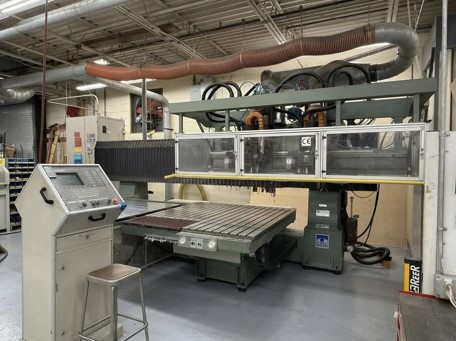
Many other machines, electrical items and industrial products also contain plastic parts. These may be flat panels, which are easy to make, but often holes, slots and other shapes are necessary to go around other parts. Even manual production is time-consuming because perfect measurements are essential, which means that minor errors can cause fitting problems. The production of plastic parts with the correct sizes can be achieved by manufacturers using computer-controlled cutting equipment and understanding how this works helps companies.
Why You Require Precise Cutting of Plastic Panels
Plastic enclosures are applied to machine covers, electrical enclosures and protective guards. These parts need to be ideal in the fitting around switches, cables and mounting locations.
Even a tiny error in measurement can cause problems. You could find that holes don’t line up with the mounting screws or that the panel has gaps.
Precise drawings enable the operators to know the length that they require to cut to. It would assist in avoiding wastage and repeated production work.
How Computer-Controlled Routing Works
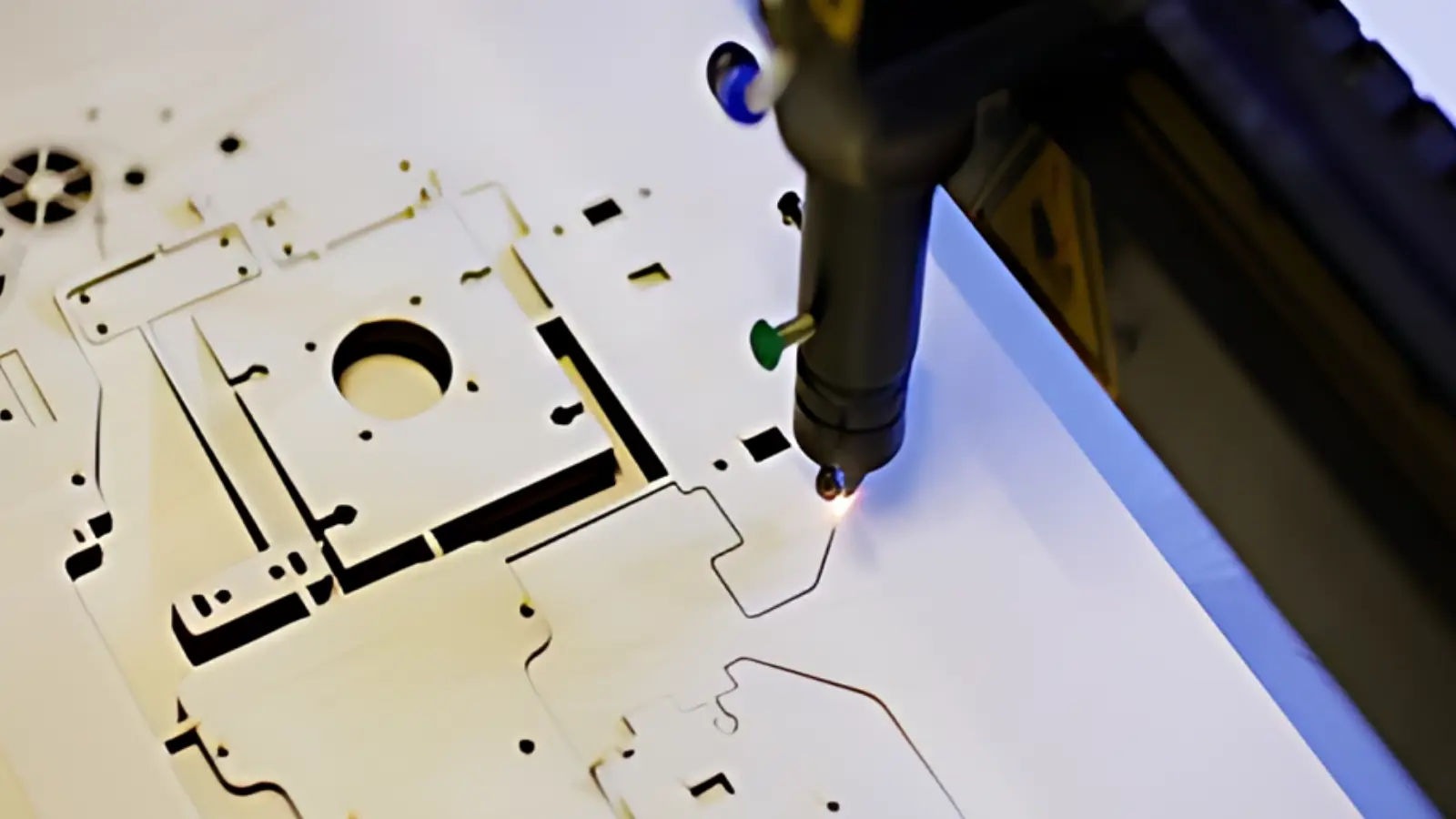
CNC Routing involves a machine with a computer-operated cutting head. The tool follows the program and routes out material from the plastic sheets or blocks.
Operators can draw straight edges, an arc, a hole and a slot without physically following the cut tool. This comes in handy in situations where many identical parts are needed.
The cutting speed and the choice of tools are related to the type of plastic. If incorrect parameters are applied, melting and rough edges or marks can result on the workpiece.
Selecting a plastic Material
Plastics can remove more aggressively, but not all plastics react the same to cutting. For example, you may not be able to cut acrylic, HDPE, polycarbonate and PVC with the same cutting parameters.
Acrylic is a popular material for display or transparent panels. Polycarbonate is a hard-wearing plastic suitable for impact resistant or transparent applications. HDPE is a popular option for impact resistant / hard-wearing components and industrial use.
Before committing to a material, manufacturers should ensure they have tested it for the required strength, temperature resistance and application. The risks of using the wrong plastic can be the same, regardless of how precise the cut is.
Creating Holes and Openings for Equipment
Some custom panels will include holes for buttons, displays, vents or electrical connections. These must be properly positioned so the panel fits the panel equipment.
Computer-controlled cutting lets the operator follow detailed drawings and make the same hole way repeatedly.
But, small openings and strong interior corners may prove difficult. The dimension of the cutting tool determines the minimum size of certain features. These restrictions should be reviewed by the designer before approving the drawing.
Avoiding Heat and Edge issues
If the cutter encounters too much heat, the plastic can melt and melt plastic can also be deposited on the edges.
Proper tools, cutting speeds and feed rates help limit this problem. In some cases, the material must be sliced carefully in order to avoid heating the material.
If possible, check finished edges for bad sections before parts are run through the assembly process. Troubled areas might also require a little deburring or finishing to enhance appearance and fit.
When Other Machining Options Are Required
Router is perfectly capable for many flat plastic panels, but it is not suitable for all components. A number of parts require deep pockets, complex three-dimensional forms or very tight tolerances.
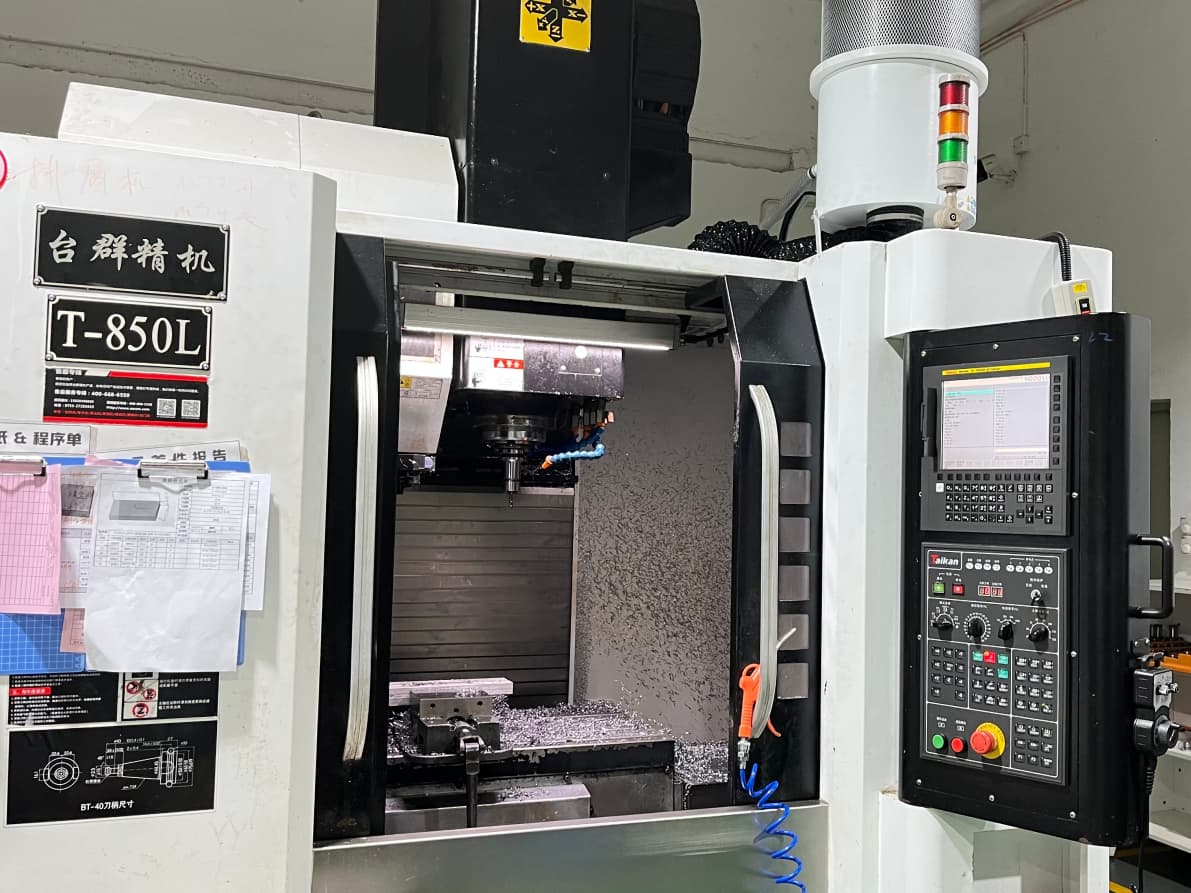
This makes some complex features accessible when other tools cannot be used. The answer is using CNC Machining and the correct milling equipment. Determine the best option based on part shape, material and accuracy.
The manufacturer should review the drawing before choosing equipment to use. Equipment that is selected simply because it is to hand can lead to extra work at a later date.
Reasons Small Production Runs Help
Most companies don’t need dozens of identical pieces of plastic. Occasionally, a manufacturing line needs a handful of replacement panels.
With computer-controlled routing, these parts can be made without an expensive injection mold. The cutting program can be adjusted to change the design.
This offers great flexibility when designing prototypes, fixing equipment and small manufacturing projects. Cutting time and waste material still has to be taken into account to calculate the costs.
Conclusion
The right process also starts with the right planning and right cutting tools. The material, the tool orientation, the drawing accuracy and the finish quality contribute to the precision of the end product. Most tooling can be computer-controlled for automated manufacturing and for mass production with minimal manual cutting. However, using the process for difficult shapes and tight tolerances requires a bit of experience; manufacturers should know the limits of this process. Many companies can learn about various production options by going to ypmfg.com. Every effort to plan ahead can minimize errors, minimize costs and create accurately sized parts for the project.