 English
  German
  Russian
  Japanese
  Korean
  Spanish
  French
  Italian
  Portuguese
 Quick answer: Casting valve parts are manufactured by pouring molten metal into molds to create complex valve bodies, bonnets, and internal components used in fluid control systems. The choice of casting process—such as sand casting, investment casting, or die casting—directly affects dimensional accuracy, surface finish, material strength, and unit cost. For buyers, the key is matching the casting method and material grade to your operating pressure, temperature, and media compatibility requirements before requesting quotes.
Valve components produced through casting processes are foundational across oil and gas, power generation, chemical processing, water treatment, and industrial manufacturing. When sourcing casting valve parts, buyers often face conflicting information about which casting method delivers the best balance of cost, quality, and lead time. A misunderstood specification can result in rejected components, delayed projects, or premature field failures.
This guide walks through the practical factors that matter most when evaluating valve casting parts from manufacturing suppliers. You will find clear selection criteria, cost drivers, common pitfalls, and answers to questions that procurement and engineering teams typically raise during sourcing decisions.
YPMFG provides CNC machining and precision manufacturing support alongside cast components, which means buyers can evaluate material options, obtain engineering assessments, and request sample testing through a single point of contact.
What Are Casting Valve Parts?
Casting valve parts refer to valve body components manufactured through metal casting processes. Common examples include valve bodies, bonnets, trims, brackets, handwheels, and structural supports that form the housing and internal framework of industrial valves.
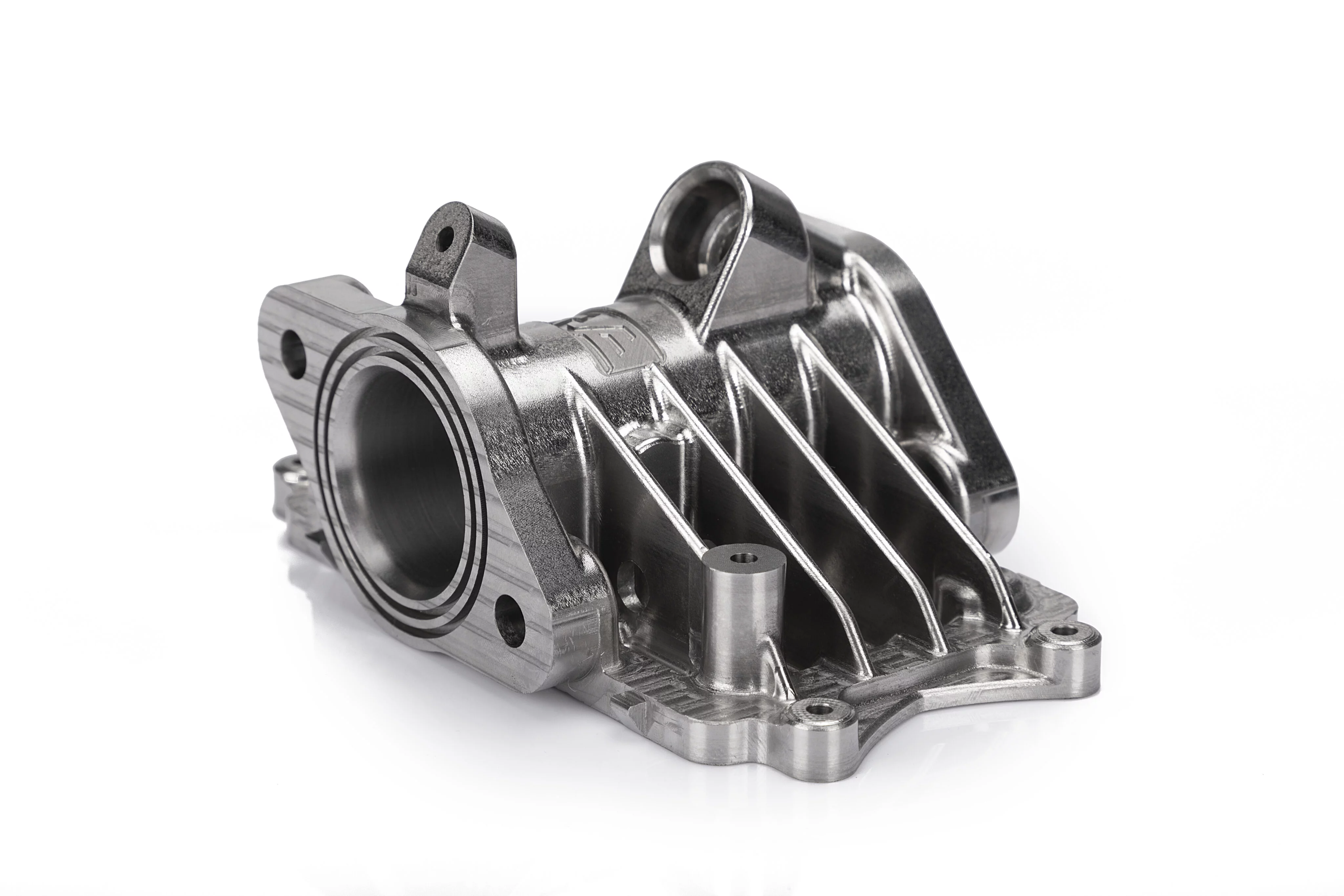
Casting is preferred for these components because it allows complex geometries—including internal flow passages, mounting flanges, and reinforced ribs—to be produced in a single pour. This reduces the need for assembly and welding, which can introduce weak points under cyclic pressure and thermal stress.
When evaluating casting valve parts, buyers should confirm the casting method, material specification, mechanical test reports, and dimensional inspection records. These documents form the baseline for comparing supplier proposals.
Common Casting Methods for Valve Components
Different casting processes deliver different results in terms of tolerances, surface quality,and production economics. Understanding the trade-offs helps buyers make informed specifications rather than accepting the default method offered by a supplier.
Sand casting remains the most widely used method for industrial valve bodies because of its flexibility with large parts and a broad range of materials. Investment casting is the go-to choice when tight dimensional control and smooth flow surfaces are required for trim and small valve components. Die casting is generally limited to non-ferrous applications and high-volume runs due to the high cost of permanent molds.
YPMFG supports engineering evaluations that compare casting methods against your specific pressure class, temperature range, and production volume to recommend the most suitable process.
Key Materials Used in Valve Casting
Material selection determines whether a casting valve parts order will perform reliably in service or fail prematurely due to corrosion, erosion, or mechanical overstress. The three most common material families for valve casting are stainless steel, carbon steel, and bronze alloys.
Stainless steel castings such as CF8 (equivalent to ASTM A743 CF8 / ANSI 304) and CF8M (equivalent to CF3M / ANSI 316) are the standard for general industrial and corrosive service. CF8M contains molybdenum, which significantly improves resistance to pitting and crevice corrosion in chloride-containing environments.
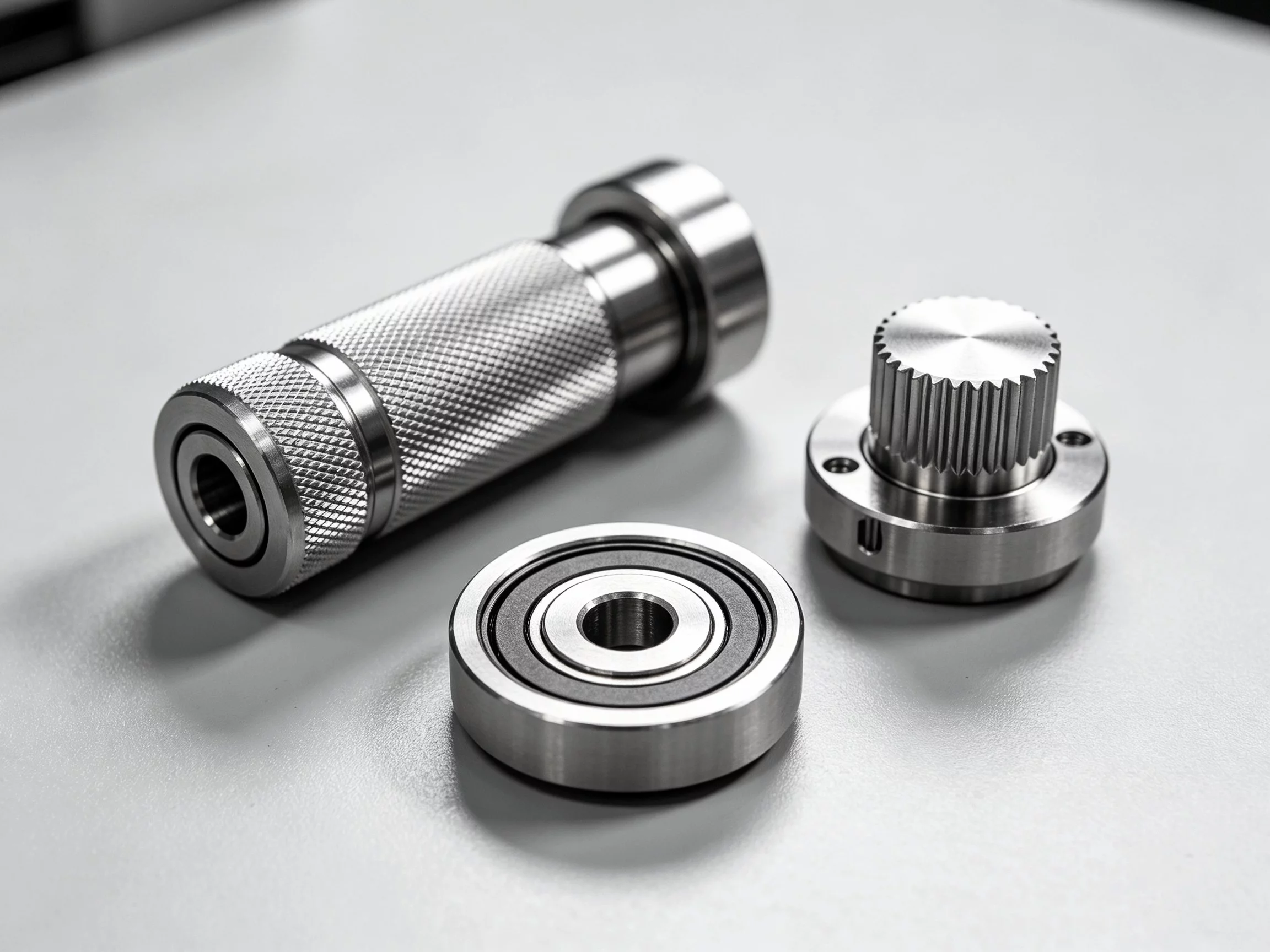
Carbon steel castings such as WCB (ASTM A216 WCB) are widely used for high-strength applications at elevated temperatures, including oil and gas pipelines and power plant systems. WCB offers higher yield strength than most stainless grades but requires protective coating or environmental control to prevent external corrosion.
Bronze and brass castings—including CW617N, C83600, and similar grades—are commonly specified for waterworks, marine, and low-pressure industrial valve applications. These alloys provide good machinability, natural corrosion resistance, and favorable friction characteristics for sliding trim surfaces.
Every material selection should be cross-referenced with your service conditions. Buyers should verify that suppliers provide certified mill test reports confirming chemical composition and mechanical properties match the specified grade.
Critical Quality and Inspection Requirements
A cast valve component that meets visual standards but lacks proper metallurgical integrity can fail under operational cycling. Establishing clear inspection expectations before ordering prevents misunderstandings and rework costs later in the project.
The following quality checkpoints should be verified for every casting valve parts order:
Material certification matching the ordered grade and standard
Chemical composition analysis from a recognized laboratory
Tensile and impact testing per the applicable material specification
Dimensional inspection of critical interfaces including flange bolt holes, seating surfaces, and stem bores
NDT requirements appropriate to the application—liquid penetrant testing for stainless steel, magnetic particle testing for ferrous castings, and radiographic or ultrasonic testing for high-integrity pressure components
Pressure testing of finished valves per ANSI/ASME B16.34 or equivalent standards
Surface preparation and coating specifications when required by service environment
When reviewing supplier proposals, buyers should request a quality plan that specifies which inspections apply, which standards govern each test, and what acceptance criteria will be used. Vague language such as “inspected per industry standards” is not sufficient for engineered purchasing.
What Drives the Cost of Cast Valve Parts
Understanding the cost structure behind casting valve parts helps buyers evaluate quotes realistically and avoid decisions based on unit price alone. Several factors interact to determine final pricing.
Material costs vary significantly between carbon steel, stainless steel, and specialty alloys. Stainless steel typically commands a higher base price than carbon steel, and alloy additions such as molybdenum, nickel, or copper increase cost further.
Casting method and mold complexity directly affect unit cost. Investment casting carries higher per-unit expenses than sand casting but reduces downstream machining requirements. For high-volume orders, the reduced machining time can offset the higher casting cost.
Machining requirements represent a major portion of total cost. Cast components that require extensive machining on sealing surfaces, bolt patterns, and stem interfaces will cost more than parts designed with near-net-shape casting in mind. YPMFG can review your casting drawings to identify areas where design adjustments may reduce machining time without compromising performance.
Finishing and coating add cost depending on the service environment. Epoxy primers, galvanizing, or specialized linings are common requirements for external valve surfaces exposed to harsh conditions.
Lead time and order quantity also influence pricing. Standard production runs benefit from established foundry partnerships and optimized casting parameters. Custom or low-volume orders typically carry higher per-unit costs due to setup and programming expenses.
Common Mistakes When Sourcing Casting Valve Parts
Procurement errors with cast valve components often stem from insufficient specification detail rather than supplier capability gaps. Recognizing these patterns early saves time and reduces the risk of receiving components that do not meet operational requirements.
One frequent mistake is specifying only a generic material grade without defining the applicable casting standard. For example, ordering “stainless steel valve body” without referencing ASTM A743 or equivalent leaves room for interpretation and can result in material substitution that compromises performance.
Another common error is underestimating the importance of NDT requirements for pressure-containing components. Skipping penetrant or magnetic particle testing on critical casting surfaces may save upfront inspection costs but increases the likelihood of latent defect-related failures in service.
Buyers sometimes focus exclusively on unit price while overlooking machining tolerance requirements. A low-priced casting that requires extensive secondary machining to reach final dimensions may end up costing more than a higher-quality near-net-shape casting from the start.
Specification ambiguity regarding pressure testing criteria is another recurring issue. Valves intended for high-pressure service should be tested per the relevant standard at the specified test pressure and duration. Without this detail, suppliers may apply minimum test requirements that are inadequate for your application.
How to Evaluate a Supplier for Cast Valve Components
Supplier evaluation should go beyond price comparison and assess technical capability, quality systems, and communication responsiveness. A supplier who understands your application requirements can prevent specification errors before they reach production.
Request a detailed capability statement that covers casting methods, material grades, maximum part sizes, NDT capabilities, and finishing options. Verify that the supplier’s quality management system includes documented inspection procedures and traceability for material certifications.
Ask for sample evaluation support if your order involves new part numbers or tight tolerance requirements. Sample testing allows you to verify dimensional accuracy, surface finish, and material compliance before committing to full production quantities. YPMFG offers sample testing and engineering review services to help buyers validate component quality at low risk.
Review the supplier’s response time and technical communication quality during the inquiry phase. A supplier who asks clarifying questions about your service conditions, pressure class, and inspection requirements is more likely to deliver components that match your actual needs than one who quotes without understanding the application.
Practical Questions Before Choosing Casting Valve Parts
Buyers typically have a consistent set of questions when evaluating casting valve parts for a new project or replacement order. Addressing these questions early in the sourcing process reduces back-and-forth and leads to more accurate quotations.
What casting method is recommended for my valve size and pressure class?
The appropriate method depends on your part dimensions, tolerance requirements, and production volume. Sand casting suits larger bodies with moderate tolerances. Investment casting is preferable for smaller precision components requiring tight dimensional control. Your engineering team or manufacturing partner can assess these factors based on your drawings.
How do I verify that the cast material matches my specification?
Always request a material certificate from an accredited laboratory. The certificate should confirm chemical composition and mechanical test results against the specified grade. For critical applications, third-party verification adds an additional layer of assurance.
What documentation should I expect with each shipment?
Typical documentation includes material certificates, dimensional inspection reports, NDT results where applicable, and pressure test records. Request a documented quality package list from your supplier before production begins.
Can I request a sample before placing a full order?
Sample orders are commonly available for new part numbers. Samples allow dimensional verification, material confirmation, and surface finish evaluation before full production commitment. Lead times for samples are typically shorter than for production runs.
What happens if a casting fails inspection?
Reputable suppliers will replace defective components at no additional cost when failures are attributable to manufacturing defects. Clear acceptance criteria established before production prevents disputes over what constitutes a rejectable condition.
Need Help Selecting the Right Casting Valve Parts?
Choosing the right casting valve parts comes down to matching material, casting process, and inspection requirements to your actual service conditions—not selecting the lowest-priced option available. Buyers who invest time in clear specifications and supplier evaluation typically experience fewer quality issues, shorter lead times, and better long-term value.
YPMFG provides engineering assessment, material guidance, and precision manufacturing support for casting-based valve component projects. You can send your specifications, drawings, or application details to YPMFG for a technical review and competitive quotation. Requesting an evaluation takes minimal effort and provides clarity before you commit to a sourcing decision.