 English
  German
  Russian
  Japanese
  Korean
  Spanish
  French
  Italian
  Portuguese
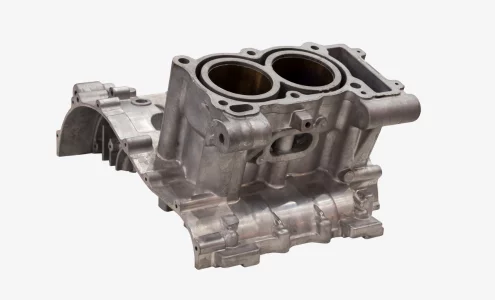
 Quick answer: Investment casting parts are metal components produced by pouring molten metal into a ceramic shell mold that was formed around a wax pattern. This process delivers complex geometries, smooth surface finish, and tight dimensional accuracy in a single step, making it ideal for prototypes, low-volume runs, and high-performance end-use parts. For applications requiring final tolerance refinement, cast parts often receive secondary CNC machining operations, which is a natural follow-up to investment casting.
Investment casting stands alongside other metal manufacturing methods as a versatile option, but it serves a distinct purpose in the production pipeline. Many engineers and procurement professionals encounter it when evaluating components that involve intricate shapes, difficult-to-machine alloys, or precise functional surfaces. The challenge lies in understanding where investment casting fits within the broader manufacturing landscape and how to select the right approach for a given part.
This guide addresses the practical questions that arise when sourcing investment casting parts, covering process fundamentals, design considerations,supplier selection criteria, cost drivers, and common pitfalls. YPMFG works with engineers and procurement teams to evaluate cast components and determine whether investment casting alone meets the requirement or whether a combined casting-and-machining approach delivers the best result.
Understanding the Investment Casting Process
Investment casting, also known as lost-wax casting, follows a sequence of steps that transform a wax model into a finished metal component. The process begins with injecting molten wax into a metal die to create a pattern that replicates the desired part geometry. Multiple wax patterns are typically joined to a central sprue, forming a tree-like assembly that maximizes shell utilization.
The assembled wax pattern is repeatedly dipped into a ceramic slurry and coated with fine sand. This builds up a thick shell that hardens after each coating cycle. Once the shell reaches the required thickness, the assembly is placed in an autoclave or kiln where the wax melts out, leaving a hollow ceramic cavity. Molten metal is then poured into this cavity under controlled conditions.
After the metal solidifies, the ceramic shell is broken away, and the cast parts are cut from the sprue. The resulting components undergo cleaning, heat treatment, and any required surface finishing. The final part typically retains a smooth surface texture and close dimensional fidelity to the original wax pattern.
When Investment Casting Is the Right Choice
Investment casting delivers distinct advantages for specific part profiles and production scenarios. The process excels when the component contains internal passages, thin walls, complex external contours, or features that would be costly to machine from solid stock. It handles challenging materials—such as superalloys, stainless steels, and tool steels—more effectively than many alternative processes.
The following scenarios represent strong fit cases for investment casting:
Components with complex geometry that would require extensive multi-axis machining
Parts made from heat-resistant or corrosion-resistant alloys
Applications demanding good surface finish without heavy post-processing
Production runs ranging from prototypes through medium-volume batches
End-use components where material integrity and dimensional consistency matter
Investment casting is not the optimal choice when the part is relatively simple, when ultra-high volumes justify the tooling cost of alternative processes, or when the required tolerance exceeds what the casting process can consistently deliver without secondary machining.
Comparison With Other Manufacturing Processes
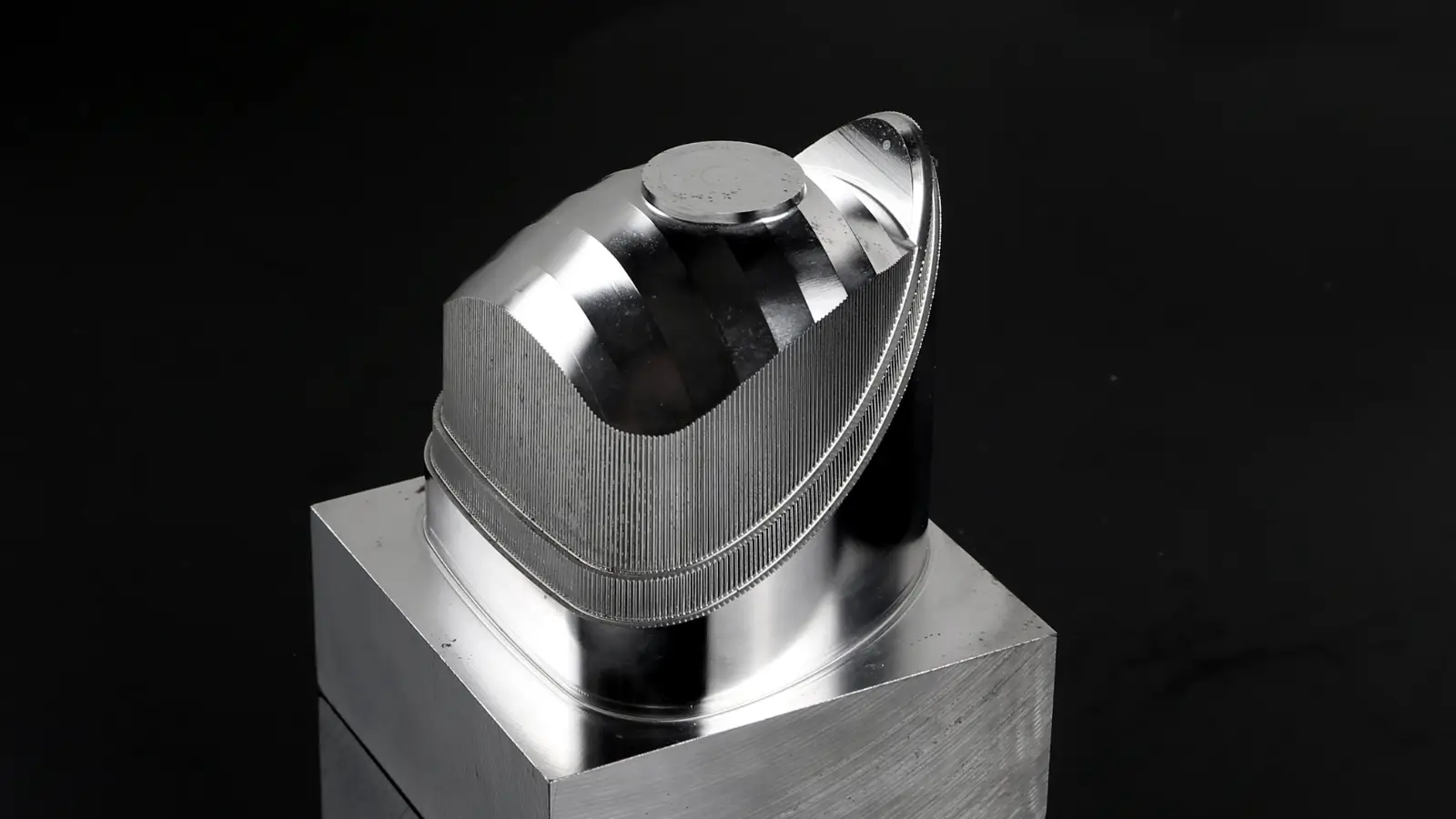
Understanding how investment casting relates to other methods helps buyers make informed decisions. Each process has distinct strengths, and the best choice depends on part complexity, material, volume, and tolerance requirements.
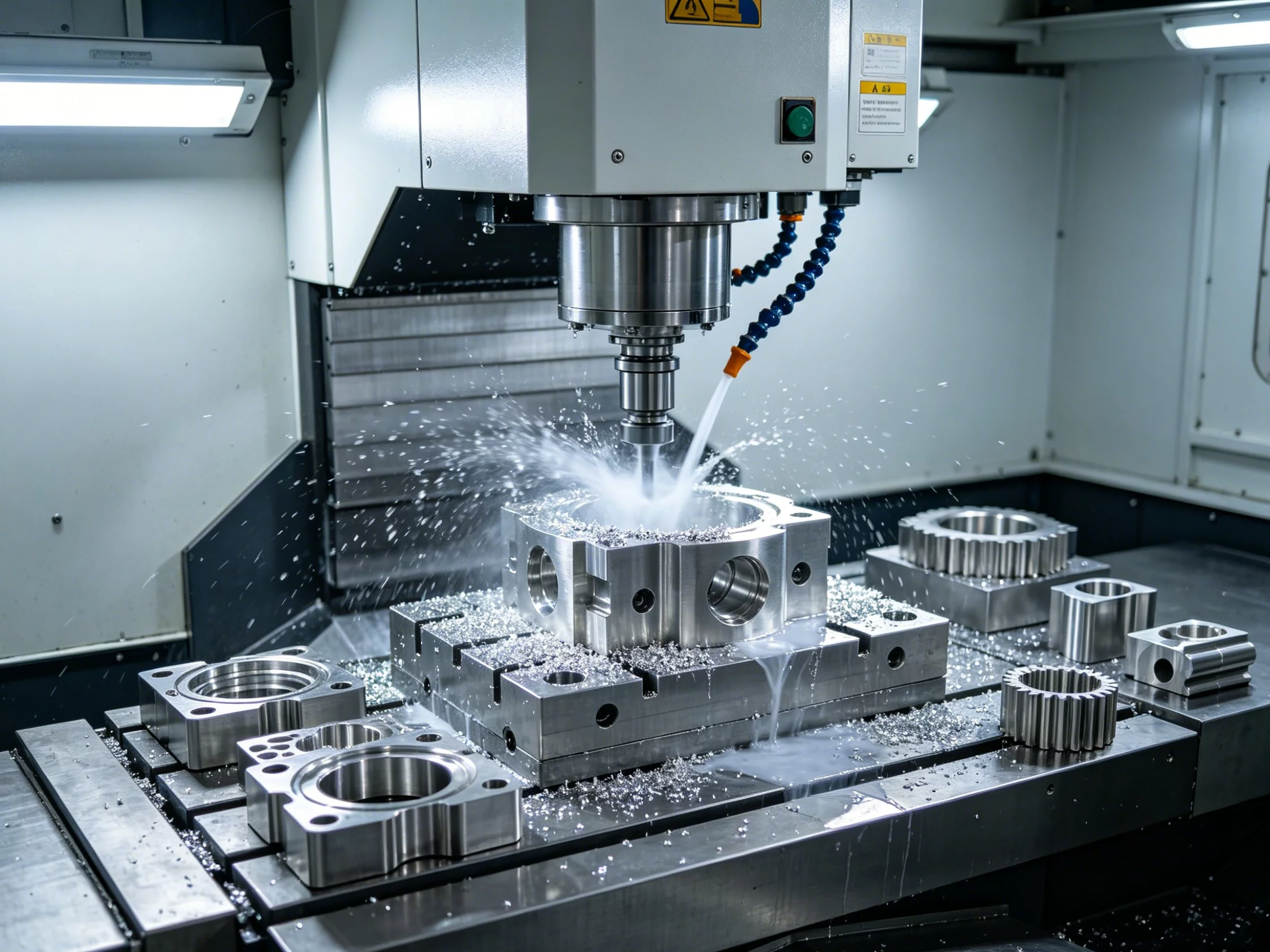
Investment casting and CNC machining are complementary rather than competing. A common production flow involves casting the near-net-shape part and then machining critical surfaces, bores, threads, and mating features to final tolerance. This combined approach leverages the geometric freedom of casting while achieving the precision that machining provides.
Key Design Considerations for Cast Parts
Design for investment casting requires attention to factors that influence both manufacturability and final part quality. Wall thickness plays a central role—too thin, and the metal may not fill the mold completely; too thick, and shrinkage porosity becomes more likely. A minimum wall thickness of approximately 2 mm is generally recommended for most alloys, though this varies by material and part size.
Draft angles help the pattern release from the ceramic shell without damage. While investment casting requires less draft than sand casting, including a modest angle on vertical surfaces reduces the risk of defects and simplifies shell removal. Parting lines form where the shell is assembled during manufacturing, and they should be placed in locations that do not interfere with functional surfaces or assembly fit.
Internal features such as ribs, bosses, and undercuts add value but must be designed with the ceramic core process in mind. Cores create internal voids and passages, and their placement affects shell strength and metal flow. Fillet radii at internal corners reduce stress concentration and improve metal flow during pouring. Sharp corners in cast components can also become initiation points for cracks during heat treatment.
Tolerance and Surface Finish Expectations
Investment casting delivers dimensional accuracy within a predictable range. Typical tolerances fall between ±0.005 and ±0.010 inches for general features, though specific values depend on part size, alloy, and foundry capability. Critical dimensions should be called out explicitly on the drawing, and buyers should understand that not every feature on a casting will meet the same tolerance band.
Surface finish from investment casting is generally smooth, with as-cast values commonly in the 125 to 250 µin Ra range. This finish is suitable for many applications without additional treatment. However, functional surfaces such as sealing faces, bearing seats, or mating interfaces often require machining to achieve lower roughness values and tighter flatness control.
It is important to distinguish between as-cast tolerance and machined tolerance. Features that remain as-cast should be specified with appropriate allowances for the casting process. Features that will be machined should include a clear stock allowance so the downstream operation has sufficient material to remove.
Cost Drivers and Pricing Factors
Investment casting costs are influenced by multiple variables, and the unit price reflects the interaction of these factors rather than any single element. Material cost represents a significant portion of the total, particularly for alloys such as Inconel, Monel, or high-grade stainless steels that carry a premium over aluminum or carbon steel.
Tooling costs are concentrated in the wax pattern die, which is a one-time expense amortized across the production run. For low-volume orders, this upfront cost has a larger impact per part. For higher volumes, the per-unit tooling charge decreases proportionally.
The number of parts per shell, known as the shell layout, affects efficiency. A well-optimized layout maximizes the number of components produced per shell pour, reducing labor and material waste. Component weight directly influences the amount of metal required per shell and the casting yield. Porosity allowances and machining stock also add to the material cost.
Lead time is another cost-adjacent factor. Investment casting typically requires three to six weeks depending on complexity, shell curing time, and any post-casting machining. Expedited timelines are often available but carry a premium. Buyers should plan accordingly and avoid last-minute requests that compress the schedule.
Supplier Evaluation Checklist

Selecting a reliable supplier for investment casting parts requires a structured evaluation. Not all foundries operate at the same level, and capabilities vary significantly across materials, tolerances, and volume ranges. The following checklist provides a practical framework for assessment.
Experience with target alloy: Verify that the supplier has demonstrated capability with the specific material grade required for the application.
Quality management system: Confirm certification to relevant standards and a documented quality process that covers incoming inspection, in-process control, and final verification.
Non-destructive testing capability: Ask about available NDT methods such as dye penetrant, X-ray, or ultrasonic testing, and whether they are offered as standard or as an add-on service.
Post-casting machining capacity: Determine whether the supplier offers in-house CNC machining or partners with a machine shop. Combined casting and machining simplifies coordination and reduces lead time.
Documentation and traceability: Ensure that material certificates, process records, and inspection reports are provided for each batch.
Engineering support: Evaluate whether the supplier offers design review and DFM feedback before tooling is committed.
Sample and pilot production: Request sample parts from a previous run or a pilot order to verify capability before committing to full production.
Communication responsiveness: Assess how quickly and clearly the supplier responds to technical questions and revision requests during the inquiry phase.
Each of these factors contributes to the reliability and predictability of the sourcing relationship. Buyers who evaluate suppliers against this checklist reduce the risk of surprises during production.
Common Mistakes to Avoid
Several recurring mistakes appear when buyers specify or source investment casting parts. Recognizing these early helps prevent costly rework and delays.
One frequent error is assuming that as-cast dimensions will meet functional tolerance without verification. Drawings should clearly distinguish between casting tolerances and machined tolerances. Every surface that contacts another part or seals a system should be called out with its required finish and tolerance.
Another mistake is omitting draft angles or undercuts that make shell removal difficult. Designers sometimes focus only on the functional geometry and overlook features that the manufacturing process requires. Including draft where possible and specifying undercuts explicitly avoids surprise objections during engineering review.
Material selection is another area where errors occur. Specifying an alloy based solely on mechanical properties without considering castability can lead to hot tearing, shrinkage porosity, or excessive machining difficulty. Engineers should consult with the foundry early in the selection process to confirm that the chosen alloy performs well in investment casting.
Underestimating the need for secondary machining is perhaps the most common mistake. Investment casting produces near-net-shape parts, not finished components. Critical features almost always require machining, and the cost and lead time for this step should be included in the project plan from the beginning.
Practical Questions Before Choosing Investment Casting
Buyers often have specific concerns when evaluating investment casting for a new component. The following questions address the most common uncertainties.
What sizes of parts can investment casting produce?
Investment casting can produce parts ranging from a few grams to several hundred kilograms. The practical range for most commercial foundries is parts weighing up to approximately 50 kg per casting. Larger components are possible but require specialized equipment and may shift toward sand casting economics.
How long does the process take from design to delivery?
Typical lead time is three to six weeks. This includes wax pattern production, shell building, casting, shakeout, cutting, heat treatment, and any secondary machining. Rush schedules are sometimes available but increase cost.
What is the typical minimum order quantity?
Minimum order quantities vary by supplier. Many foundries accept orders starting at 50 to 100 pieces for standard alloys. Custom alloys or complex geometries may carry higher minimums due to setup time and material procurement.
Can investment casting achieve tight tolerances without machining?
Standard as-cast tolerances are generally in the ±0.005 to ±0.010 inch range. Ultra-tight tolerances below ±0.003 inch typically require CNC machining of the critical features. Combining casting with machining delivers both geometric complexity and precision.
How do I verify the quality of incoming cast parts?
Quality verification should include dimensional inspection against the drawing, surface finish measurement, material certificate review, and any required NDT. Establishing an inspection plan before production begins ensures that acceptance criteria are clear to both parties.
What happens if a casting fails inspection?
Reputable suppliers will identify defects during quality control and notify the buyer before shipment. Options typically include rework, repair where permissible, or replacement at no additional cost for the defective units. The specific remedy depends on the defect type and contractual terms.
Choosing the Right Manufacturing Approach for Your Application
Investment casting is a proven manufacturing method for complex metal components, but it represents one option within a broader toolkit. The decision between casting, machining, or a combined approach depends on the part geometry, material, tolerance requirements, and production volume. Buyers who evaluate all relevant factors before committing to a process reduce the risk of cost overruns and quality issues.
YPMFG supports projects that involve investment casting parts by providing engineering review, custom sourcing recommendations, and precision CNC machining services for post-casting finishing. When a component requires both the geometric flexibility of casting and the dimensional precision of machining, a coordinated workflow delivers the most reliable outcome. Buyers can send specifications or CAD files to YPMFG for evaluation and receive a tailored recommendation based on the part design and performance requirements.
The most effective purchasing decisions come from understanding the full scope of the manufacturing options. By clarifying tolerances, surface finish needs, material specifications, and volume expectations upfront, buyers can select the process that aligns with their project goals and avoid unnecessary rework or delay.