 English
  German
  Russian
  Japanese
  Korean
  Spanish
  French
  Italian
  Portuguese
 Quick answer:
Prototype CNC machining uses computer-controlled milling and turning to produce functional metal and plastic parts from CAD models. It is the preferred method when prototypes must match final production materials, tolerances, and mechanical properties. Unlike 3D printing, CNC prototypes deliver true material performance and tight dimensional accuracy. The process is suitable for low-volume runs, typically one to fifty pieces, and serves as a reliable bridge between design validation and mass production.
Engineers and product developers often face a difficult choice when moving from digital design to physical parts. Surface appearance may satisfy initial checks, but real-world load, heat, or chemical exposure reveals flaws that print methods cannot replicate. CNC prototype parts eliminate this gap by using the same processes and materials as serial production. Buyers who understand the capabilities, limitations, and cost drivers of CNC prototyping can avoid redesign loops, missed specifications, and delayed timelines.
YPMFG supports engineering teams throughout this transition, offering CNC prototype machining services that cover material selection guidance, first-article inspection documentation, and iterative refinement based on real part feedback.
What Is Prototype CNC Machining?
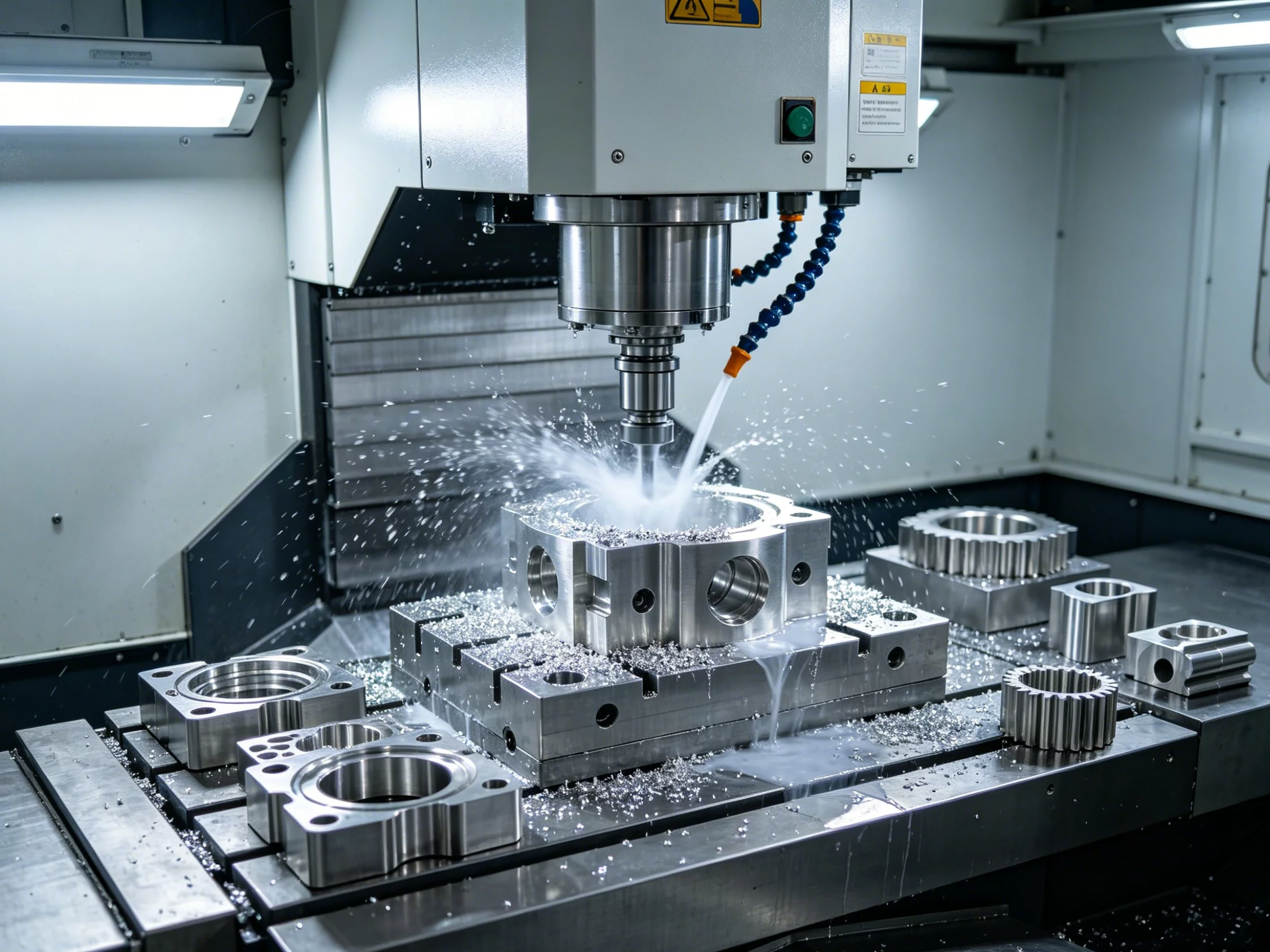
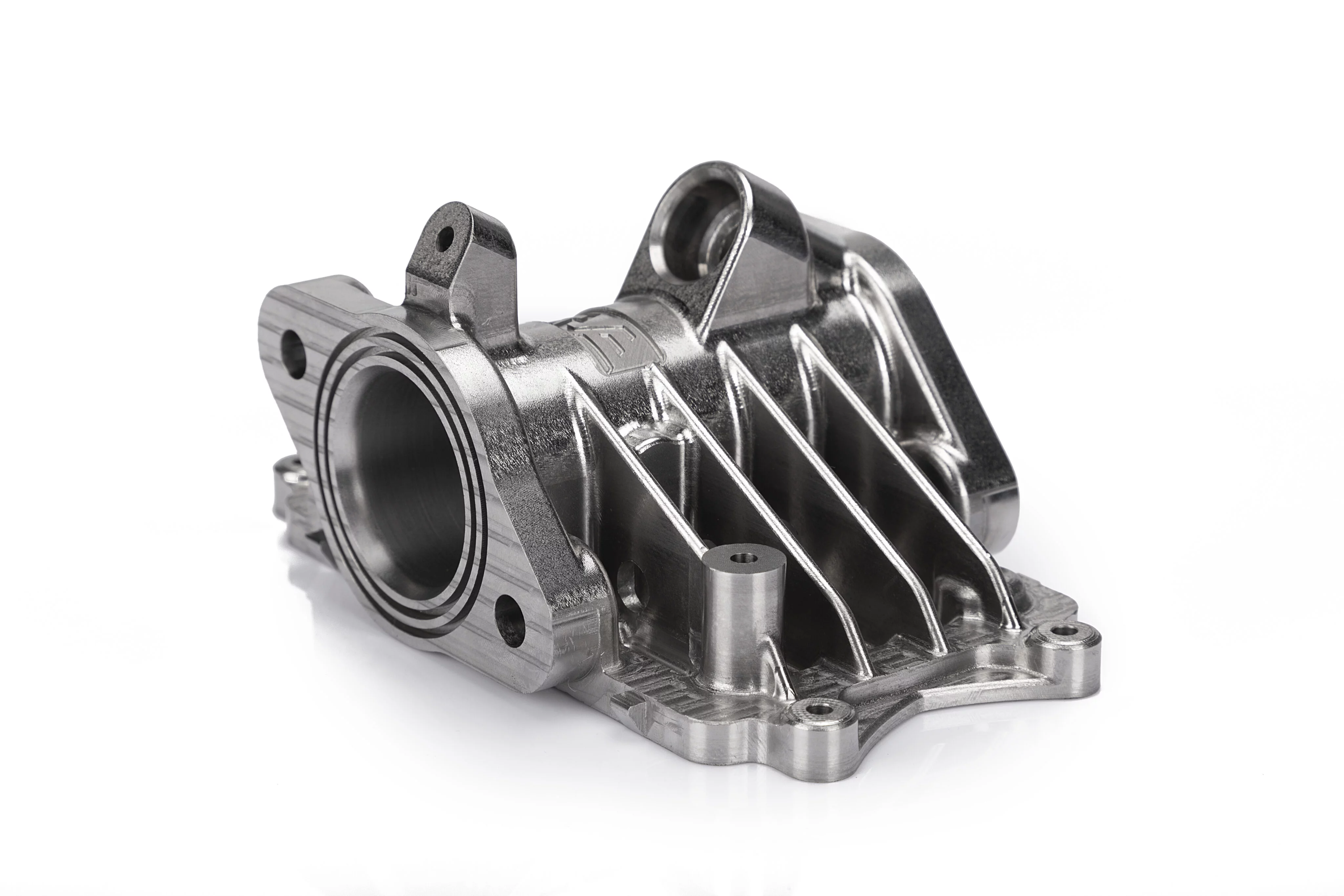
Prototype CNC machining refers to the subtractive manufacturing of individual or small-batch parts directly from solid stock. A CAD model drives a multi-axis CNC mill or lathe to remove material until the part reaches its intended geometry. The resulting components carry the same microstructure, strength, and surface finish as those produced on the same machines for end-use production.
This distinction matters because many development programs require validation under realistic conditions. A bracket tested under vibration must resist the same fatigue behavior it will face in service. A fluid manifold must hold pressure without porosity or deformation. CNC-machined prototypes provide that confidence.
CNC Prototyping Versus Alternative Methods
Understanding where CNC machining fits among other rapid prototyping options helps buyers make informed decisions early in the development cycle.
CNC machining occupies a unique position. It delivers production-equivalent material properties without the capital investment of hard tooling. For many projects, this balance makes CNC prototype manufacturing the most efficient path to validated parts.
When Prototype CNC Machining Makes the Most Sense
The decision to pursue CNC prototyping usually hinges on three factors: functional requirements, material fidelity, and upcoming production volume.
CNC machining is the strongest option when parts must endure mechanical stress, thermal cycling, or chemical contact during testing. Structural brackets, aerospace fittings, medical device housings, and precision fluid systems all benefit from this approach. The parts behave as they will in the final assembly, which means test data translates directly into design decisions.
Precision CNC prototyping also becomes valuable when the target production run is between fifty and several thousand units. In this range, switching to injection molding or die casting may be premature, but continuing with manual or artisan methods introduces inconsistency. CNC bridges that gap with repeatable accuracy.
Material Selection for CNC Prototypes
Material choice influences machinability, mechanical performance, surface treatment compatibility, and cost. Selecting the wrong material early often triggers costly redesigns later.
Aluminum alloys dominate prototype programs because they machine efficiently and deliver strong strength-to-weight ratios. 6061 aluminum is the most common choice for general structural prototypes, while 7075 aluminum serves applications requiring higher fatigue resistance. Both respond well to anodizing and other surface treatments.
Stainless steels such as 304 and 316 are standard when corrosion resistance or hygiene is required. 17-4 PH stainless steel offers precipitation-hardened strength for parts that must maintain rigidity under demanding conditions. Titanium alloys provide exceptional performance for aerospace and medical prototypes, though they command longer lead times and higher machining costs.
Engineering thermoplastics round out the typical portfolio. ABS, polycarbonate, PEEK, and Delrin acetal each serve distinct needs. Delrin machines cleanly and maintains dimensional stability. PEEK withstands high temperatures and aggressive chemicals. The right selection depends on the specific test environment.
Tolerance and Surface Quality Expectations
Prototype CNC machining routinely achieves standard tolerances in the range of plus or minus zero point zero零 five millimeters across most features. Critical interfaces can be held tighter when specified and documented on the drawing. Surface finishes typically land between thirty-two and one hundred twenty-five microinches Ra for standard milling operations. Additional finishing steps, such as bead blasting, anodizing, or passivation,modify both appearance and corrosion performance.
Buyers should specify tolerances deliberately rather than applying blanket tightness. Over-specifying features that do not affect assembly or function increases machining time and cost without improving part performance. A focused tolerance strategy, applied only where design intent requires it, keeps prototype budgets under control.
Cost Drivers in CNC Prototyping
Several variables determine the price of a CNC prototype run, and understanding them helps buyers evaluate quotes accurately.
Part complexity is the primary driver. Features such as deep cavities, thin walls, fine threads, and multi-side setups add machining time and may require custom fixtures. Part geometry should be evaluated for manufacturability before a quote is finalized.
Material choice affects both raw cost and machining difficulty. Harder alloys and high-temperature polymers increase tool wear and reduce cycle speed. Requesting a material substitution analysis can reveal savings without compromising performance.
Order quantity influences unit price through setup amortization. A single prototype carries the full setup cost, while a run of ten to twenty parts distributes that cost across more pieces. YPMFG provides custom CNC prototype quotes that break down material, setup, machining, and finishing separately so buyers can identify where adjustments will have the most impact.
Lead Time Considerations
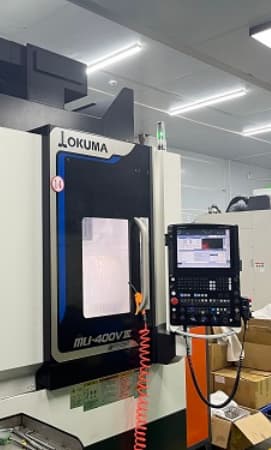
Prototype lead times typically range from three to ten business days, depending on part complexity, material availability, and required inspections. Standard stock materials ship faster than specialty alloys that require special ordering. Multi-axis milling and turning operations add time proportionally to the number of setups needed.
Rush Protocols
When timelines are tight, several approaches can shorten delivery without sacrificing quality. Simplifying non-critical geometries, selecting readily available stock materials, and consolidating multiple iterations into a single programmed run often yield the fastest results. Buyers who share their target date upfront enable the shop to prioritize scheduling accordingly.
Design for Manufacturability in Prototyping
Good designs and manufacturable designs are not always identical. Certain geometric choices that look straightforward in CAD create significant challenges on the machine tool.
Sharp internal corners require end mills with matching diameters, which limits material removal efficiency and increases machining time. Adding a small radius to internal corners speeds up tool paths and reduces tool wear. Deep, narrow slots may require multiple passes and specialized tooling. Adjusting depth-to-width ratios can simplify the operation dramatically.
Undercuts and features that require special fixtures should be flagged early. DFM for CNC prototypes is not about restricting creativity. It is about aligning design intent with practical manufacturing constraints so that iterations move quickly from drawing to validated hardware.
Quality Documentation for Prototype Parts
Professional prototyping providers supply documentation that supports design validation and downstream production transfer. Typical deliverables include first-article inspection reports, dimensional measurement records, material certifications, and surface finish verification. This paperwork matters because it creates an auditable chain from design specification to physical part.
Review the documentation package before committing to a production order. Missing certificates, incomplete measurement data, or vague tolerance verifications are red flags. A provider that invests in thorough documentation early usually applies the same discipline to full production runs.
Common Questions About CNC Prototyping
What is the minimum order quantity for CNC prototypes?
Most shops accept single-part orders. Setup costs remain fixed regardless of quantity, so unit pricing improves quickly as the order grows from one piece to a small batch.
How does CNC prototyping compare to 3D printing for functional parts?
CNC prototypes use the same metals and engineering plastics as end-use production and exhibit isotropic mechanical properties. 3D printed parts often show direction-dependent strength and lower temperature resistance, making CNC the better choice for structural validation.
Can prototype parts be used for regulatory testing?
Yes, when they are produced from certified materials and manufactured to the specified tolerances. Regulatory submissions typically require material traceability and measurement records, which reputable providers supply alongside the parts.
What information is needed to request an accurate quote?
A complete CAD model, material preference, tolerance callouts, surface finish requirements, quantity, and target delivery date. Additional drawings or reference samples improve quote accuracy when available.
Are design modifications allowed after quoting?
Modifications are usually accommodated, but changes to geometry, material, or quantity may affect pricing and lead time. Providers should communicate any adjustments transparently before work begins.
How should fragile or thin-walled prototypes be packaged?
Specialized protective packaging prevents damage during shipping. Rigid dividers, foam inserts, and sealed bags are common solutions for delicate geometries and precision surfaces.
Choosing the Right CNC Prototyping Partner
The right partner balances technical capability, documentation discipline, and responsive communication. Buyers should evaluate potential suppliers against concrete criteria rather than generic claims.
A capable provider demonstrates multi-axis milling and turning competence, maintains clear material inventories, and supplies proper inspection documentation. Clear communication about DFM feedback, timeline expectations, and revision policies signals a mature operation. Providers that invite early engineering discussion typically catch manufacturability issues before they delay production.
YPMFG offers engineering reviews, material selection support, and detailed quotation breakdowns for every CNC prototype project. Teams can send their CAD files and application notes for evaluation before committing to a full run. Early collaboration reduces iteration cycles and helps align prototype results with final production intent.
Making a Better Long-Term Decision
Prototype CNC machining is not simply a step between design and production. It is a validation tool that determines whether a product will perform as intended, meet regulatory expectations, and transition smoothly into serial manufacturing. Buyers who invest time in material selection, tolerances, DFM review, and documentation standards typically complete fewer redesign loops and reach market faster.
If you are preparing to validate a new design, request a technical review or submit your specifications to YPMFG for an engineering evaluation. Providing your CAD files, target material, and application requirements enables a detailed quote and practical manufacturing feedback before any commitment is made.