 English
  German
  Russian
  Japanese
  Korean
  Spanish
  French
  Italian
  Portuguese
 Quick answer:
CNC machined parts are precision components produced through computer-controlled milling, turning, grinding, or drilling. Unlike castings or stamped parts, CNC machining achieves tolerances typically in the ±0.01 mm to ±0.05 mm range, depending on the operation and material. Before placing an order, buyers should confirm material grade, tolerance callouts, surface finish, and whether the shop can hold your specific technical specification. Getting these fundamentals right prevents rework, rejected lots, and costly rescheduling.
Many procurement teams underestimate how a vague parts drawing drives up project cost. What follows is a practical checklist for verifying your requirements before you send a custom solution request to a CNC parts manufacturer.
What CNC Machined Parts Are and How They’re Produced
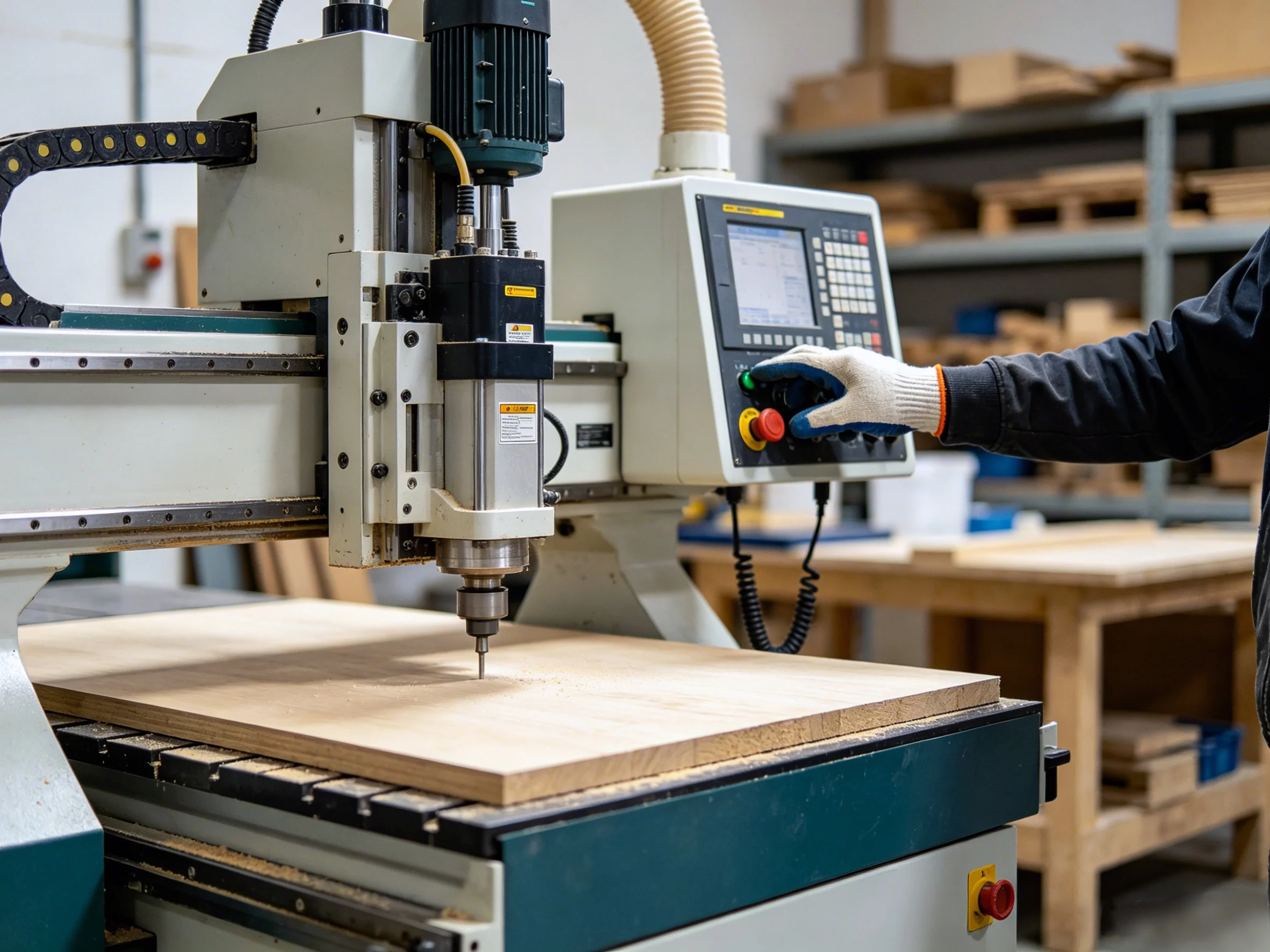
CNC parts come from subtractive processes: a machine tool removes material from a solid block or bar to reach the final geometry. The two most common routes are CNC milling (three-axis to five-axis) and CNC turning on a lathe.
Complex components often combine both. A turned body with milled pockets, for example, requires a mill-turn center or two separate setups. The number of setups directly affects cycle time, fixture cost, and the risk of accumulated tolerance error.
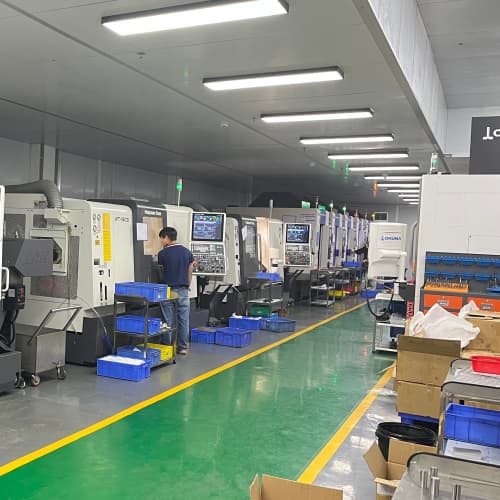
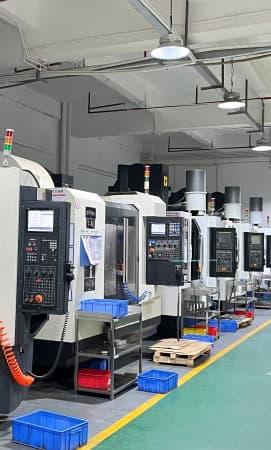
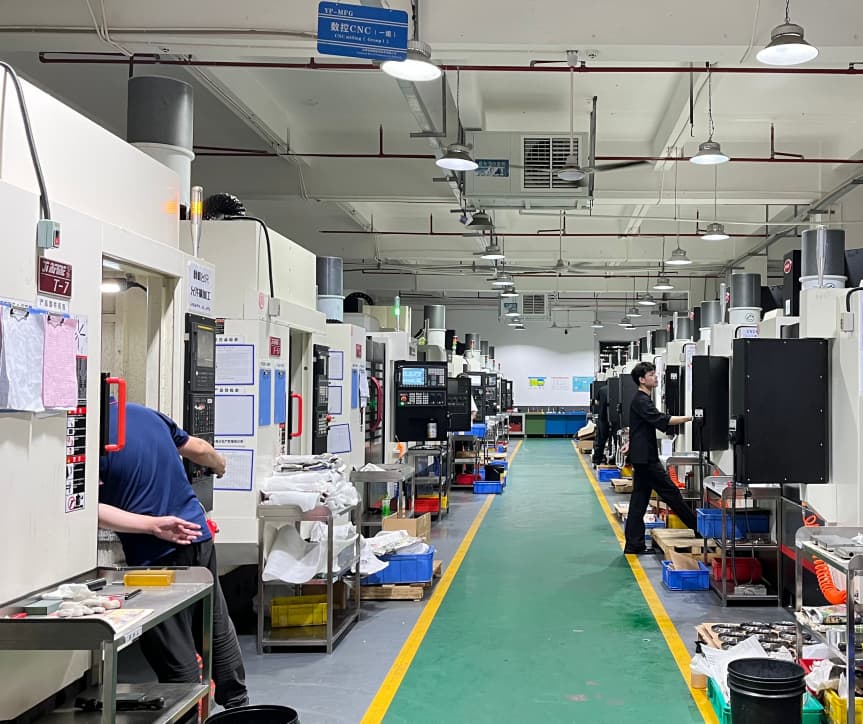
YPMFG handles projects that span turning, milling, and grinding, so a single part number can move through multiple machines without external handoffs. That internal routing reduces the chance of dimensional drift between operations.
Key Factors to Check Before Sourcing CNC Machined Parts
The table below covers the parameters that most often cause disputes between buyers and shops.
If a drawing omits any of these, the shop will make assumptions. Those assumptions can quietly shift your selection criteria and end up costing more than a one-hour engineering review would have saved.
Common Mistakes That Raise Cost and Delivery Risk
Overspecifying tolerance on non-critical features is the most frequent issue. Holding a ±0.005 mm tolerance on a decorative edge costs significantly more than a ±0.1 mm callout, and the functional benefit is often zero.
Another pitfall is sending a generic material name without a grade. “Stainless steel” can mean 304, 316L, 17-4 PH, or 2205. Each has different machinability, hardness, and cost. Specifying the grade up front lets the shop quote accurately and avoid mid-production substitutions.
A third mistake is not requesting first article inspection before bulk production. YPMFG typically schedules a FAI run for new part numbers so that dimensional, material, and surface-finish data is documented before the full lot is cut.
Practical Questions Before Ordering
Do I need a specific material certificate for my application?
In regulated or safety-critical applications, request a mill test report (MTR) or heat-number traceability. For general mechanical use, a standard quality declaration from the supplier is usually sufficient. Confirm the level your downstream customer actually requires.
How many setups will my part require, and does that affect lead time?
Each additional setup adds fixture alignment time and the risk of cumulative error. Ask the shop how many operations are planned and whether a mill-turn center can complete the part in fewer setups.
What is the minimum order quantity,and can I test with a sample?
Most CNC shops will machine a single prototype, but tooling and programming costs are fixed. Request a sample test before committing to a production run so you can validate fit, function, and finish.
How should I package the finished parts to avoid surface damage?
Specify individual poly-bagging, foam dividers, or rust-inhibiting wrap for ferrous parts. Confirm the packaging method in writing before the shipment leaves the floor.
Choosing the Right CNC Machining Partner
The right partner matches your tolerance envelope, material range, and production volume without forcing you into a one-size-fits-all process. Send your drawings, CNC machining requirements, and target quantity to YPMFG for an engineering review. The team will flag any ambiguous callouts, suggest tolerances that balance cost and function, and confirm whether your application scenario needs additional heat treatment or post-machining work. A short review cycle now saves weeks of rework later.