 German
  English
  Russian
  Japanese
  Korean
  Spanish
  French
  Italian
  Portuguese
 Kurze Antwort:
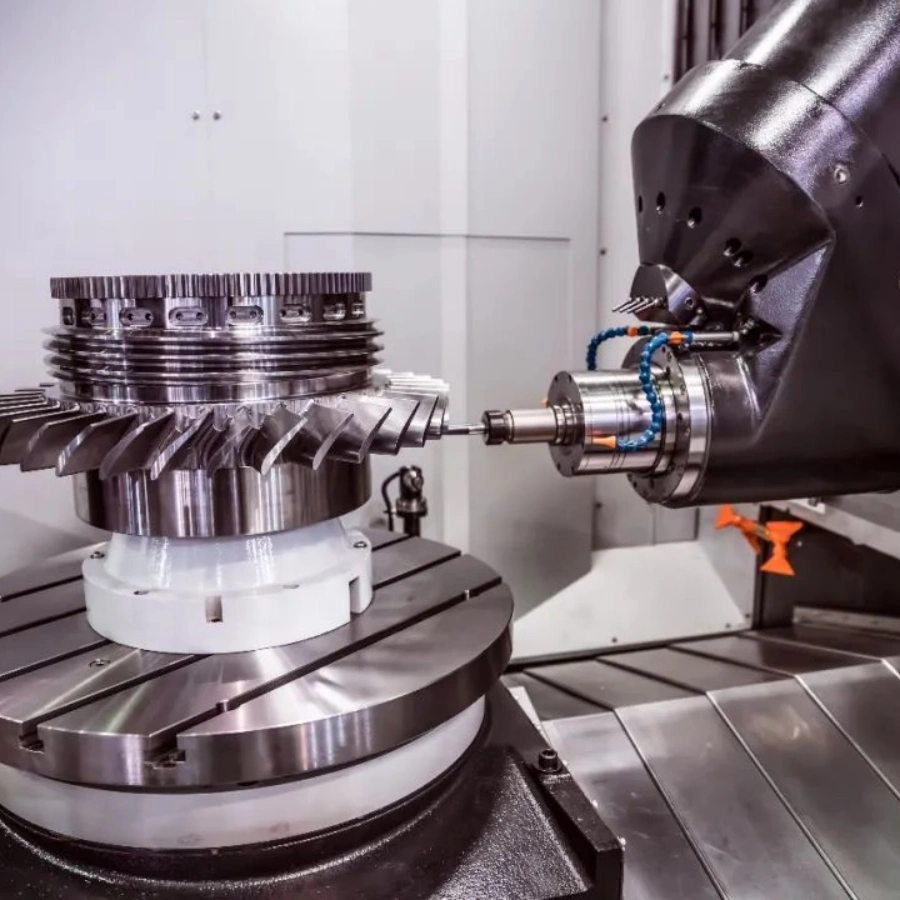
5-achsig CNC-Bearbeitung means the spindle can move along five simultaneous axes (X, Y, Z, A, B), so a single setup produces complex geometries that 3-axis machines need multiple flips to complete. The core benefit is fewer repositioning steps, tighter tolerances on angled surfaces, and access to undercuts in one pass. It matters most for aerospace, medical implants, and energy components. Not every part justifies the cost—4-axis vs 5-axis trade-offs depend on geometry, batch size, and tolerance needs.
If you are weighing whether to add a 5-axis machine or outsource complex parts, the decision comes down to a few concrete factors: part geometry, batch volume, tolerance stack-up, and total ownership cost. Here is the practical framework.
What Actually Changes When You Go to 5 Axes
The jump from 3 to 5 axes is not just “two more motors.” It fundamentally changes how you program,fixture, and machine a part.
On a 3-axis machine the spindle moves in X, Y, and Z only. Complex contours require re-fixturing the workpiece at intermediate angles, which introduces cumulative fixture error and multiple setups. A 5-axis machine adds two rotational axes (typically A and B), so the tool approaches the part from any angle without removing and re-clamping it.
That single change eliminates two or three repositioning steps per complex part and can cut total cycle time by 20 to 40 percent in many applications. The trade-off is a more complex controller, a higher machine price, and a steeper CAM programming curve.
The key question is not “can it be done on 5-axis?” but “does this part’s geometry and batch size make 5-axis the lowest-cost path?”
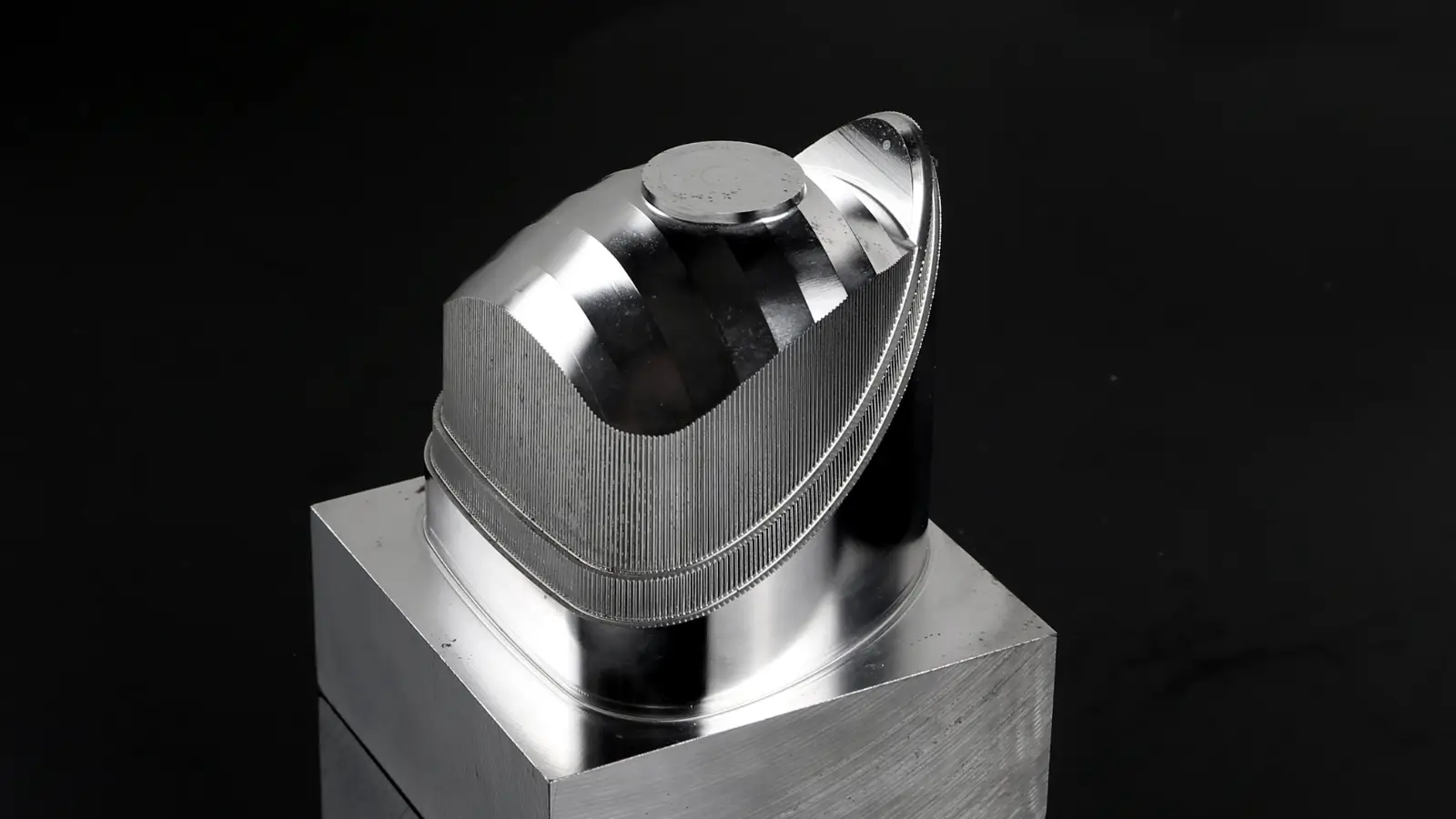
When 5-Axis Actually Pays Off
Not every part benefits equally. The table below maps typical use cases to the axis count that makes the most sense.
If your part falls in the 3- or 4-axis column but you are paying 5-axis rates, you are overpaying. Matching the machine to the geometry is a cost optimization decision, not a capability flex.
Cost, Tooling, and Practical Constraints
Before committing, run the numbers on total ownership, not just the sticker price.
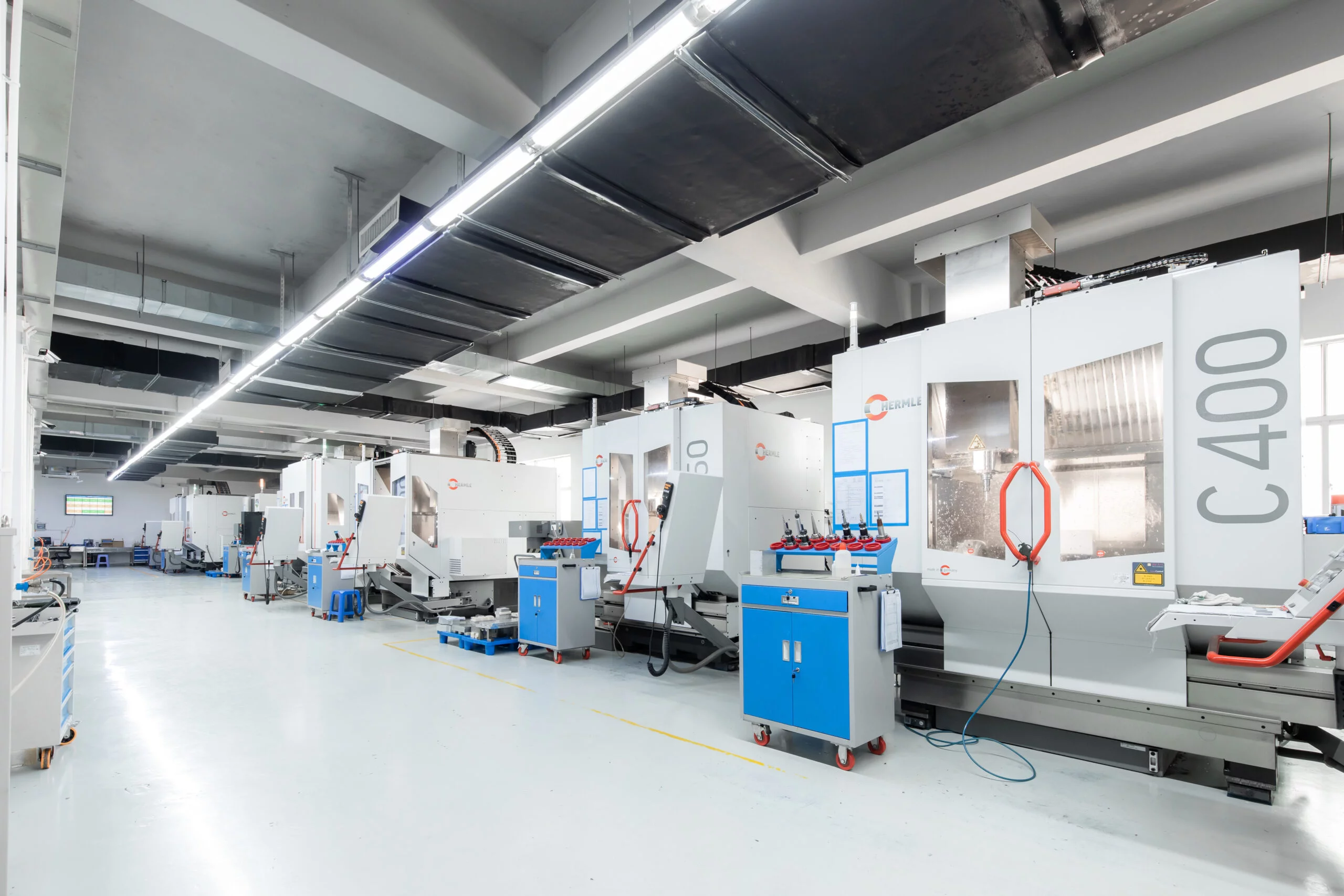
Machine cost: A new 5-axis CNC-Maschine typically runs two to four times the price of a comparable 3-axis unit, depending on travel and spindle speed.
CAM software: 5-axis toolpath simulation demands a licensed multi-axis module. Budget for the upgrade separately.
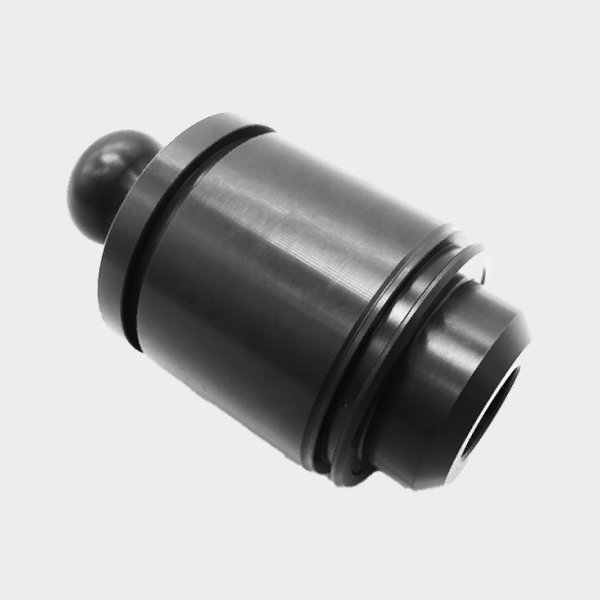
Tooling: Short-reach, high-RPM cutters are preferred on tilted axes. Standard long-flute end mills may deflect too much at angle.
Fixturing: Soft jaws or vacuum tables help, but angled workholding adds setup time per batch.
When geometry is borderline, YPMFG can run a feasibility pass on your CAD file before you commit to a machine. Their engineering team reviews tool access, reach limits, and fixturing options, then returns a recommendation on whether 3, 4, or 5-axis is the leanest path for your specific part. Skipping that review often means buying the wrong machine class.
Fragen, die Käufer häufig stellen
Does 5-axis always produce better parts than 3-axis?
No. 5-axis reduces re-fixturing and can improve surface finish on curved faces, but on simple flat parts a well-set-up 3-axis machine hits the same tolerances at lower cost. Geometry, not axis count, drives quality.
Can I use the same tooling on both?
Often yes, but 5-axis toolpaths favor shorter, higher-speed cutters to stay within reach on tilted axes. Verify tool reach and deflection before committing to a 5-axis strategy.
How does batch size affect the decision?
Low batch (1 to 50 pieces) tilts toward 5-axis because setup savings dominate. High volume above 1,000 units makes 3-axis tooling cheaper to run even with re-fixturing. The breakeven point depends on part complexity.
Do I need to retrain my CAM programmers?
Yes. 5-axis toolpath strategies like swarf and multi-axis finish are not interchangeable with 3-axis 2D or 3D strategies. Plan a two-to-four-week ramp per programmer.
Making the Right Call
The right axis count is not a status symbol. It is a cost-and-quality decision tied to your specific parts. Send your drawings or CAD files to YPMFG and request an engineering review. Their team will flag which features actually demand 5-axis, which can stay on 3 or 4-axis, and what that means for Zitat timing and per-unit cost.
Whether you are prototyping a Sonderanfertigung or scaling to production, starting with a geometry audit before you lock in a machine or a vendor saves money and avoids mid-project surprises.