French
  English
  German
  Russian
  Japanese
  Korean
  Spanish
  Italian
  Portuguese
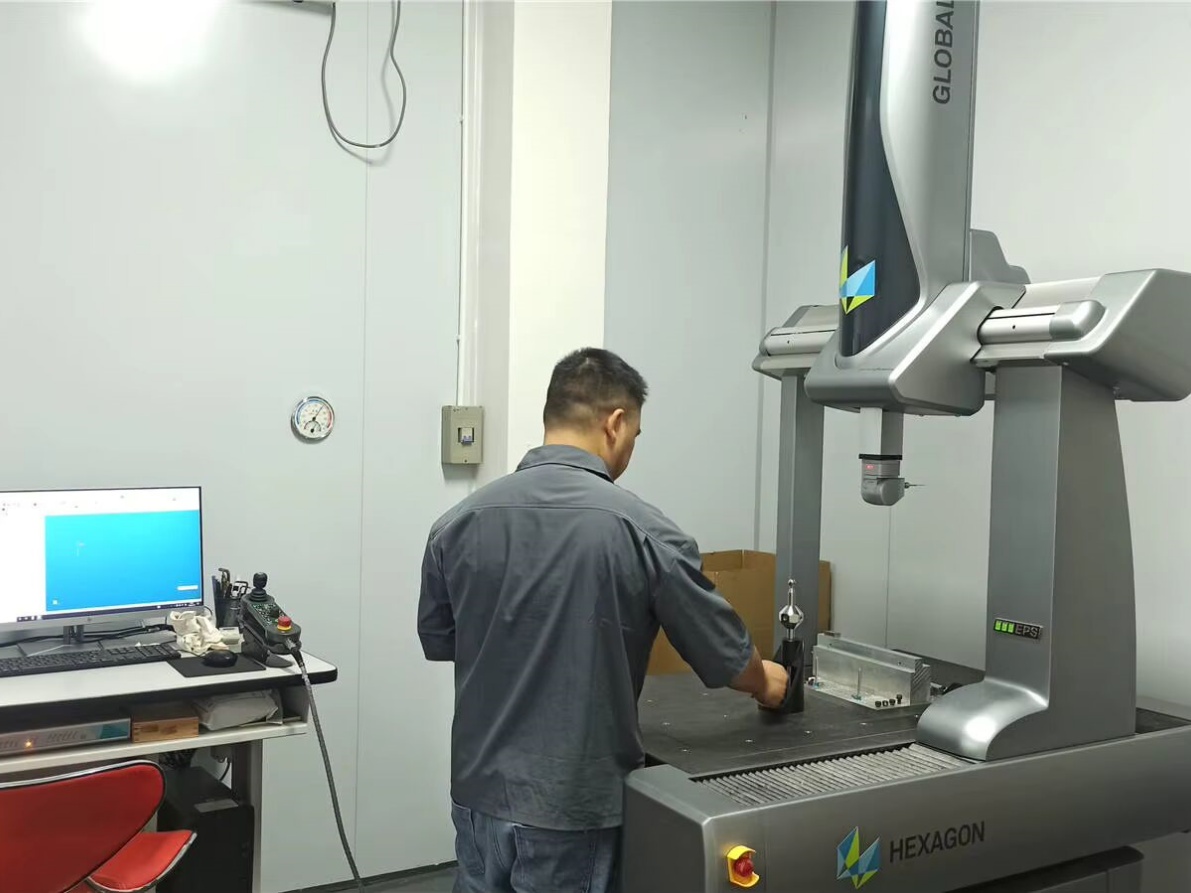
 CNC in manufacturing means using computer-controlled machines to cut, turn, mill, or drill parts from solid material. G-code programs drive the tool along precise paths, producing repeatable geometry at tolérances often within ±0.001 inch. The process works across metals, plastics, and composites and scales from single prototypes to tens of thousands of production units. The core value for a buyer is consistency: every part in the batch matches the first, without the dimensional variation that manual work introduces.
The real question is not whether CNC can make your part. It is whether your drawing, material call, and tolerance stack will produce a functional component at a cost you can sustain. Manufacturing tolerances et choix des matériaux drive unit price and performance more than the machine brand does.
YPMFG reviews incoming drawings for feasibility and flags design issues before any setup cost is incurred.
## How CNC Machining Operates in a Manufacturing Workflow
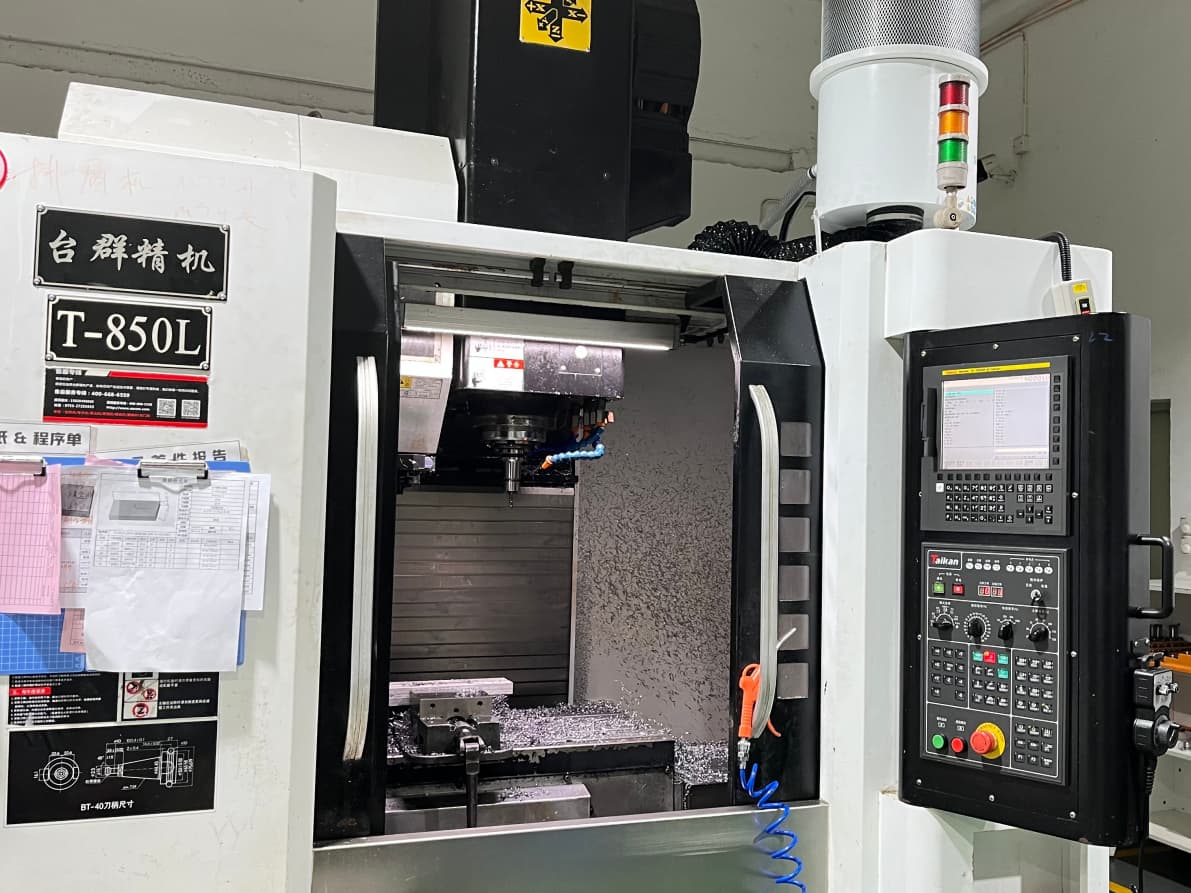
A CAD model is converted to CAM toolpaths, then translated into G-code that drives the spindle and feed axes. The operator loads the blank, secures it in fixtures, and the tool follows the programmed path through multiple passes. Each pass removes a thin chip layer until the final geometry is reached.
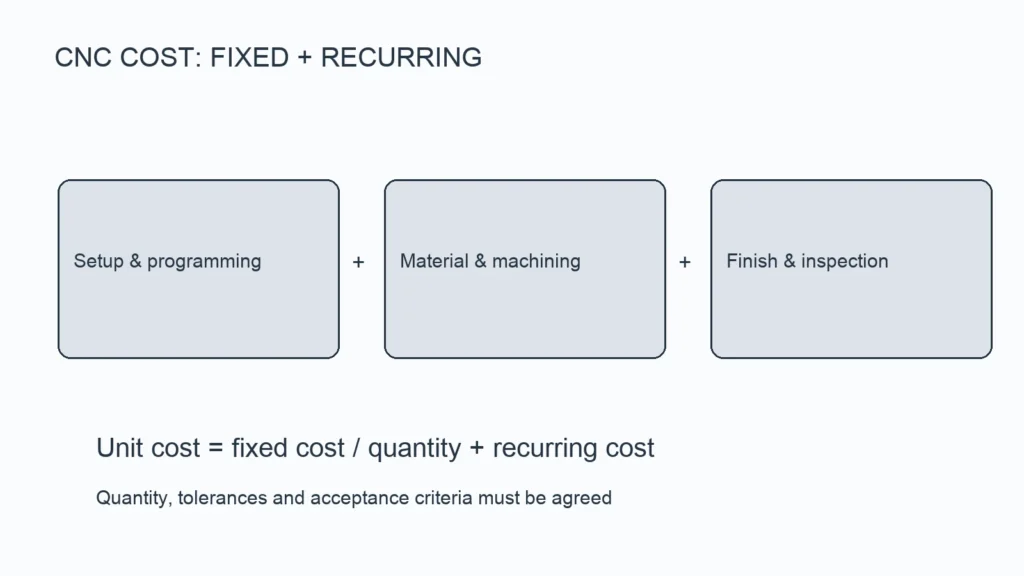
For production runs, the same program repeats cycle after cycle with minimal intervention. Setup time is front-loaded, so the per-unit cost drops sharply after the first piece. This is why Prototypage CNC transitions into batch manufacturing without redesign.
The key constraint is conception de luminaires. If the part cannot be held firmly, vibration shifts the tool path and dimensional accuracy degrades. A poor fixture strategy can negate the precision advantage of the machine itself.
Factors That Determine CNC Output Quality and Cost
Several variables interact to shape the final part and its price. The table below summarizes the decision points buyers encounter most often.
Read this table against your specific application. A cosmetic bracket and a load-bearing aerospace fitting weight these factors very differently. In many cases, material selection for CNC parts accounts for 40–60% of total unit cost, so confirm the grade with your engineer before the drawing is locked.
## Three Specification Mistakes That Raise Rework Cost
Unnecessary tight tolerances. Specifying ±0.0005 in. on a non-functional surface multiplies machining time without adding functional value.
Missing datum references. Without defined datums, the shop must interpret intent. Each re-interpretation cycle adds lead time and error risk.

No material certification call-out. For load-bearing, medical, or aerospace applications, skipping material certs means the part may fail downstream inspection and rework.
YPMFG engineering can flag all three issues within one business day of receiving your drawing, well before tooling or setup spend begins.
Common Questions About CNC in Manufacturing
Can CNC handle both small and large parts?
Yes, but the effective range depends on the machine’s travel and spindle power. A standard 800 × 500 mm 3-axis mill covers most mid-size components. Very large or very thin parts may require a 5-axis machining center or a specialized setup.
How does CNC differ from 3D printing for parts?
CNC subtracts material; printing adds it. CNC typically delivers tighter tolerances and handles metals that most printers cannot. Printing suits complex internal geometries that would need multiple clamp setups on a lathe.
Quel délai de livraison dois-je prévoir ?
A simple milled bracket may ship in 5–7 business days after approval. Multi-feature, tight-tolerance parts with material certification requirements often need two to four weeks. CNC part manufacturing lead time scales with geometric complexity, not just part count.
Do I need to specify the finish, or can the shop decide?
You should specify Ra or Rz on each critical surface. “Shop finish” is too vague for functional parts. The finish level determines whether additional grinding or polishing is required, which affects both cost and delivery.
## Choosing the Right CNC Process for Your Application
The right decision is not “CNC versus other.” It is whether your geometry, material,tolerance, and volume match the machine path your supplier will actually run. Send your drawing, BOM, and applicable standards to YPMFG. Their engineering team will confirm feasibility, suggest alternative features that hold the same function at lower cost, and return a quoted timeline with all inspection and certification steps itemized. You get a clear picture before committing to production.