French
 English
 German
 Russian
 Japanese
 Korean
 Spanish
 Italian
 Portuguese

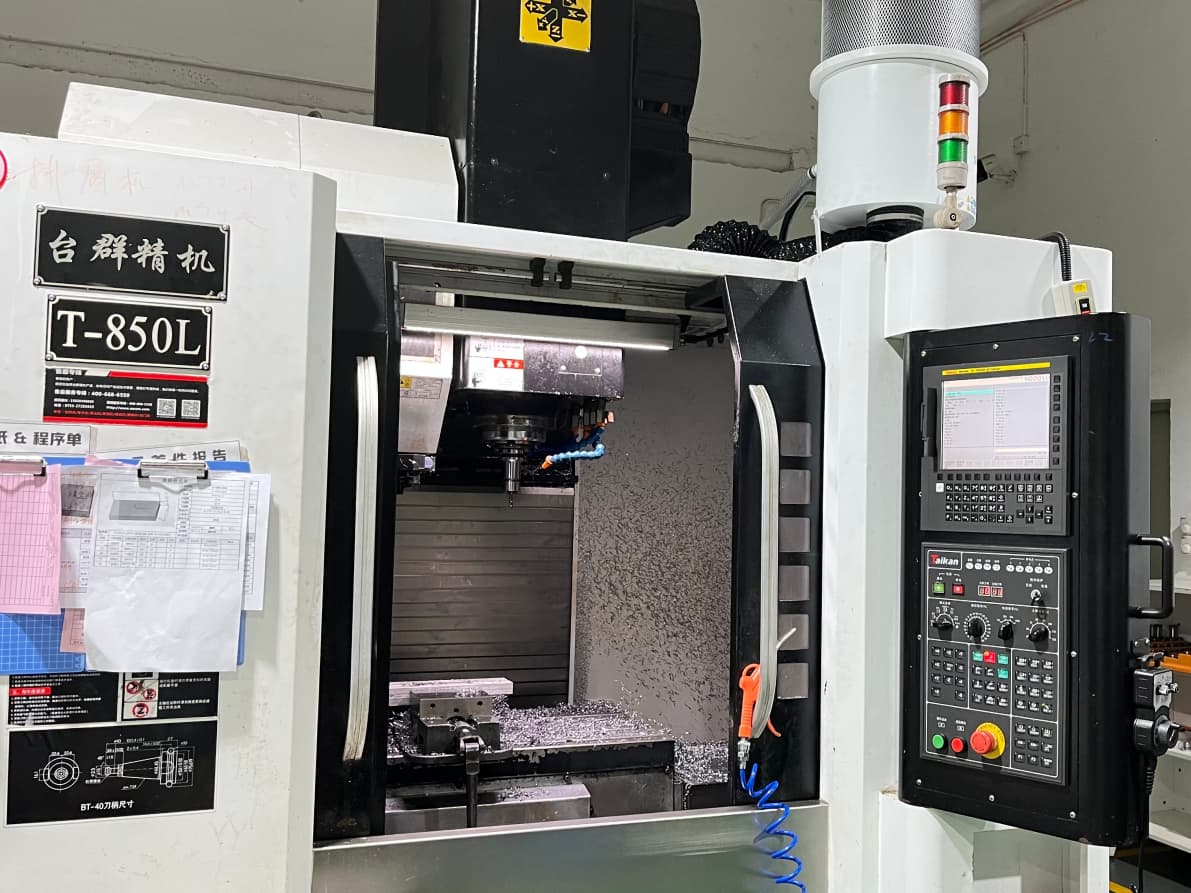
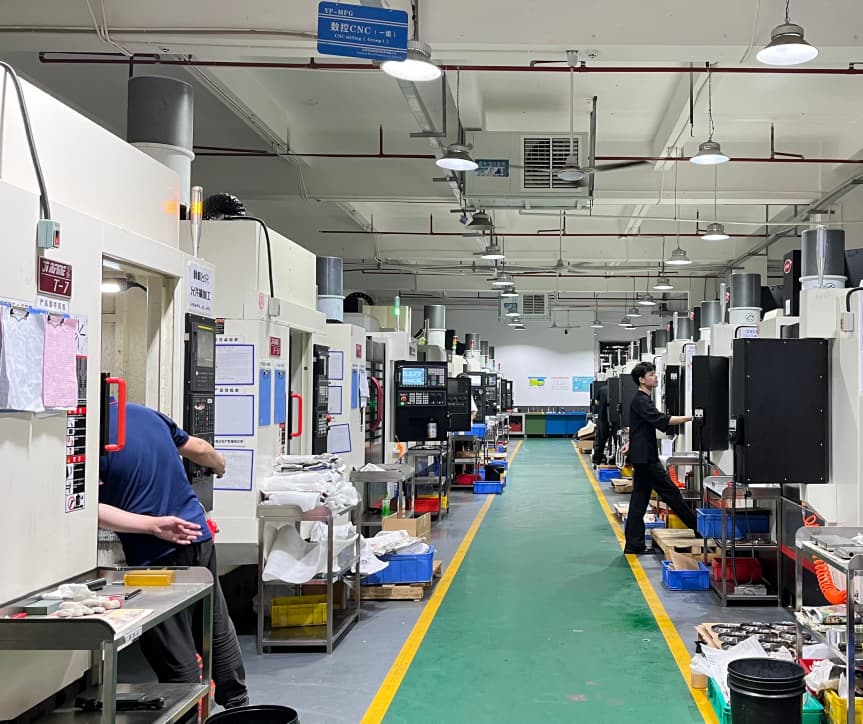
CNC plastic machining is a subtractive manufacturing process where computer-controlled cutting tools remove material from plastic stock to produce a finished part. Unlike injection molding, it requires no molds or tooling, making it well-suited for prototyping, short production runs, and components with tight tolérances dimensionnelles. The process can achieve tolerances around ±0.05 mm, depending on material grade and part geometry. Primary cost drivers include plastic material type, part complexity, batch volume, and required surface finish. Buyers should confirm material compatibility and post-processing needs before requesting a quote.
Many engineering and procurement teams need precise plastic components without the capital outlay of tooling. This creates a real planning problem: how to get machined accuracy at prototype or low-volume scale. YPMFG supports buyers who need that balance between dimensional precision and production flexibility.
Matériaux Commonly Machined on CNC Plastic Routers
La plupart CNC plastic machining operations work with thermoplastics because they cut predictably and produce clean chip formation. The material grade directly affects cycle time, tool wear, and the surface finish you can achieve without post-processing.
Choosing the wrong grade can shift your cycle time by 30–50 % and alter the plastic grade recommendation your designer initially made. Confirm temperature range, chemical exposure, and load cycles before finalizing material.
Tolérances, Surface Finish & Geometry Limits
Achievable tolerance depends on material stiffness, cutting speed, and fixture rigidity. POM and PEEK hold tighter tolerances than softer grades like ABS or PVC. Typical surface finish on machined faces lands between 32 µm Ra and 128 µm Ra, depending on tool path and spindle speed.
Key geometry considerations:
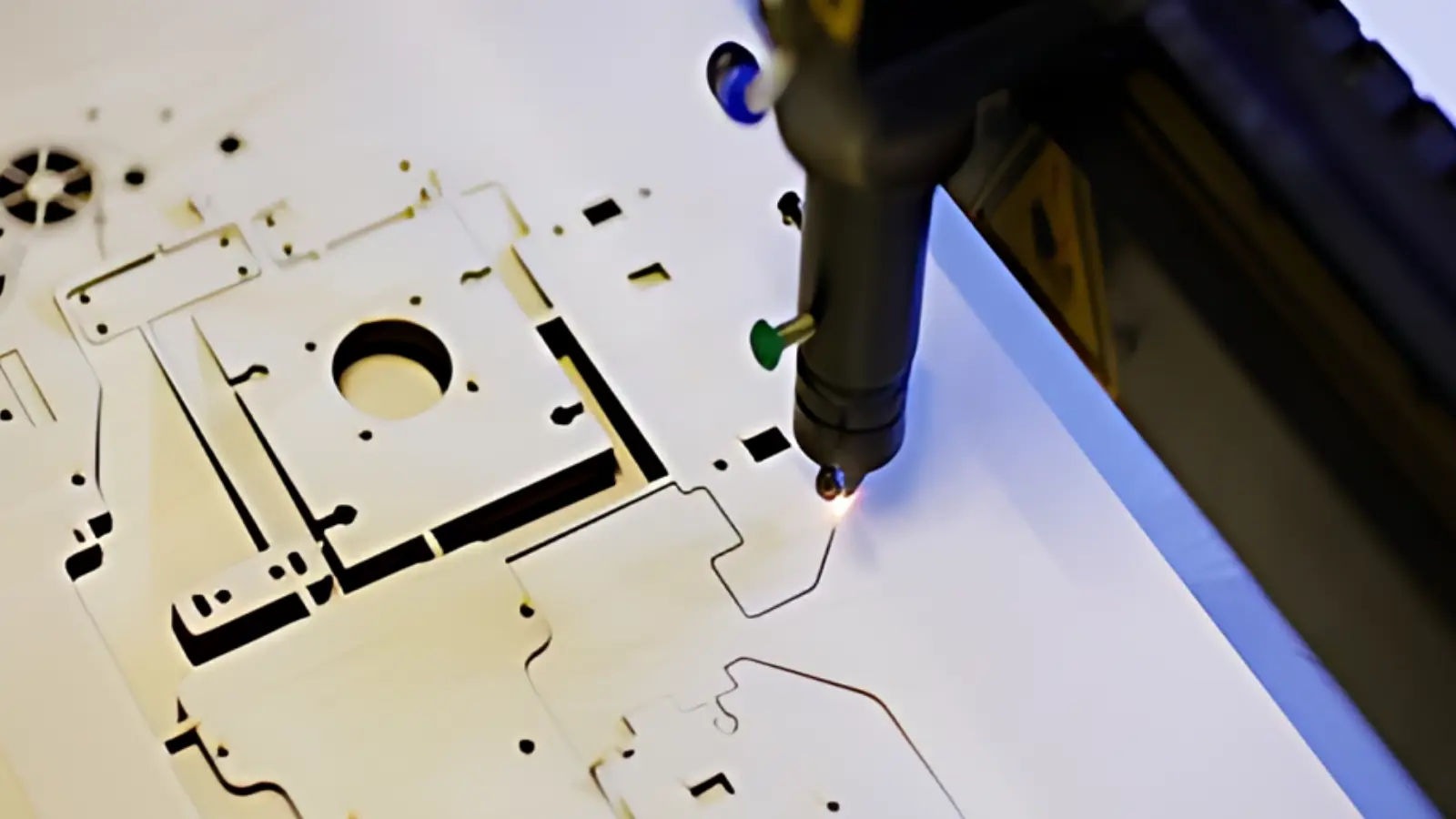
Walls under 1.5 mm risk warping during cutting and clamping.
Internal threads and blind holes often require multi-axis or secondary operations.
Exigences relatives à la finition de surface above 16 µm Ra may call for sandblasting, tumbling, or chemical polishing after machining.
Undercuts and internal features need split fixtures or vacuum holding to avoid deformation.
If your drawing calls for a finish tighter than 32 µm Ra on a large flat area, ask the supplier to confirm whether post-machining polish is in scope or a separate charge.
Cost Factors to Evaluate Before Ordering
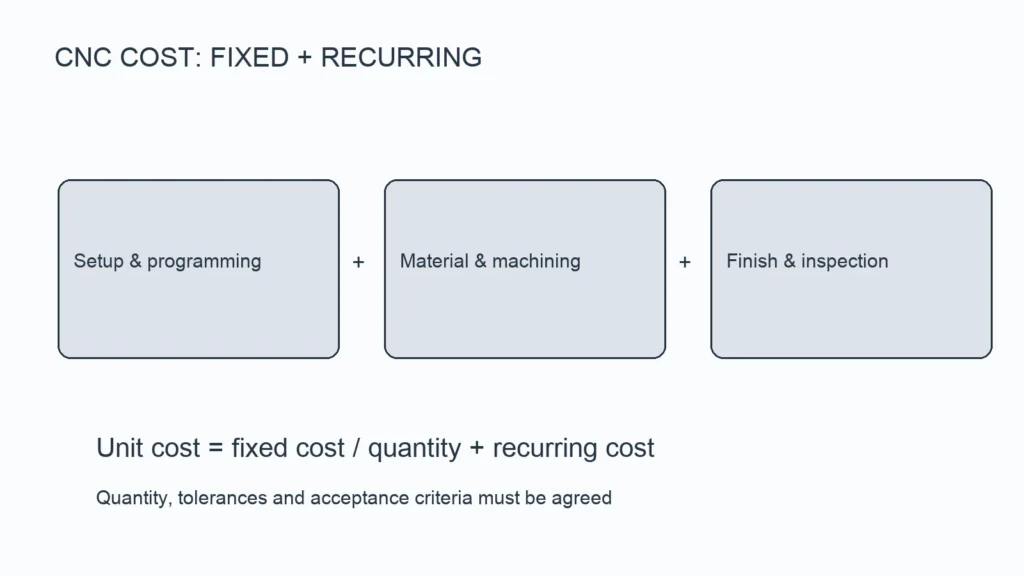
Unit cost in CNC plastic machining is not driven by material alone. Several variables shift your per-part price significantly:
Volume du lot: Prototype runs of 1–50 units carry a higher per-part cost than 500-unit batches.
Nuance de matériau: Engineering plastics such as PEEK or PEI cost more per kilogram than commodity grades like ABS.
Complexity and operations: Multi-axis routing, internal threading, or post-machining finishes add setup and cycle time.
Classe de tolérance: Holding ±0.05 mm versus ±0.25 mm increases scrap risk and inspection time.
Délai de livraison: Rush production typically adds a scheduling premium on top of standard queue time.
Review your CNC plastic parts specification against these variables before comparing supplier quotes, so you are pricing like-for-like.
CNC Plastic Machining vs. Injection Molding
For projected runs under roughly 1,000 units, machining often lands at or below the total cost of tooling plus molding. A quick cost comparison between the two routes, based on your part drawing and volume forecast, will save you from committing to the wrong method early.
## Common Questions Before Ordering CNC-Machined Plastic Parts
What file formats do you need for CNC plastic machining?
Send a 3D CAD file in STEP, IGES, or SolidWorks format with GD&T callouts on critical dimensions. YPMFG reviews the file for machinability before quoting and will flag features that may need a design adjustment to hold tolerance.
Can you produce both thermoplastic and thermoset parts?
Standard CNC plastic machining covers thermoplastics such as POM, ABS, Nylon, and PEEK. Some thermosets can be machined, but they generate more dust and accelerate tool wear. Confirm material compatibility with your supplier before locking a design.
What is a realistic lead time for a batch of 200 parts?
Lead time varies by material availability, machine scheduling, and any post-processing steps. For common thermoplastics in stock, production typically runs 2–4 weeks plus sourcing. Rush options exist but carry a cost premium on the standard rate.
Do you provide material certificates or inspection data?
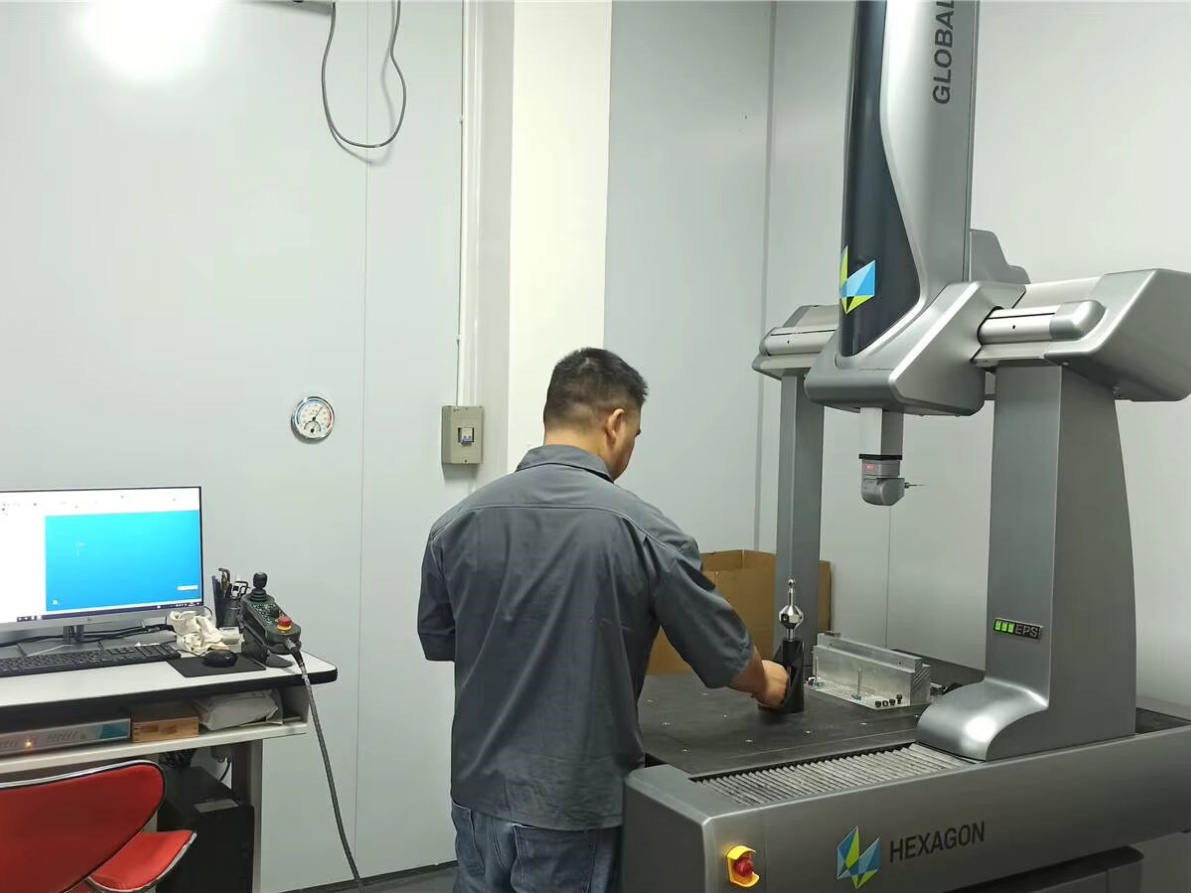
Yes. YPMFG can supply material traceability documentation and dimensional inspection reports. For regulated or quality-critical projects, specify the test standards you need and confirm availability before production starts.
Choosing the Right CNC Plastic Machining Partner
The right partner matches your plastic part specification to realistic machining parameters without over-promising on tolerance or finish. Before committing, verify that the supplier can demonstrate machine capabilities, material sourcing documentation, and a clear inspection plan for your critical features.
If you have a drawing or a part you are evaluating, send the specifications to YPMFG for an engineering review. The team can confirm machinability, recommend material alternatives where the initial grade may not hold up, and return a firm quote with a production timeline. That review takes no obligation and usually surfaces issues before they become cost overruns on the shop floor.