French
 English
 German
 Russian
 Japanese
 Korean
 Spanish
 Italian
 Portuguese

Prototype CNC services convert CAD data into physically testable parts through subtractive machining. The core value is speed: functional components arrive in days to two weeks, not months. This matters when you need to validate form, fit, or function before committing to production tooling.
The main risks involve unclear spécifications de tolérance, material mismatches, and missing post-processing requirements. Getting these details right upfront keeps your prototype budget predictable and avoids costly rework cycles.
Most teams order a CNC prototype expecting a simple file-upload process. In practice, the outcome depends on how precisely you define material grade, tolerance levels, and inspection criteria. YPMFG supports engineers and procurement teams who need structured guidance from initial file evaluation through final dimensional reporting.
What Prototype CNC Services Actually Cover
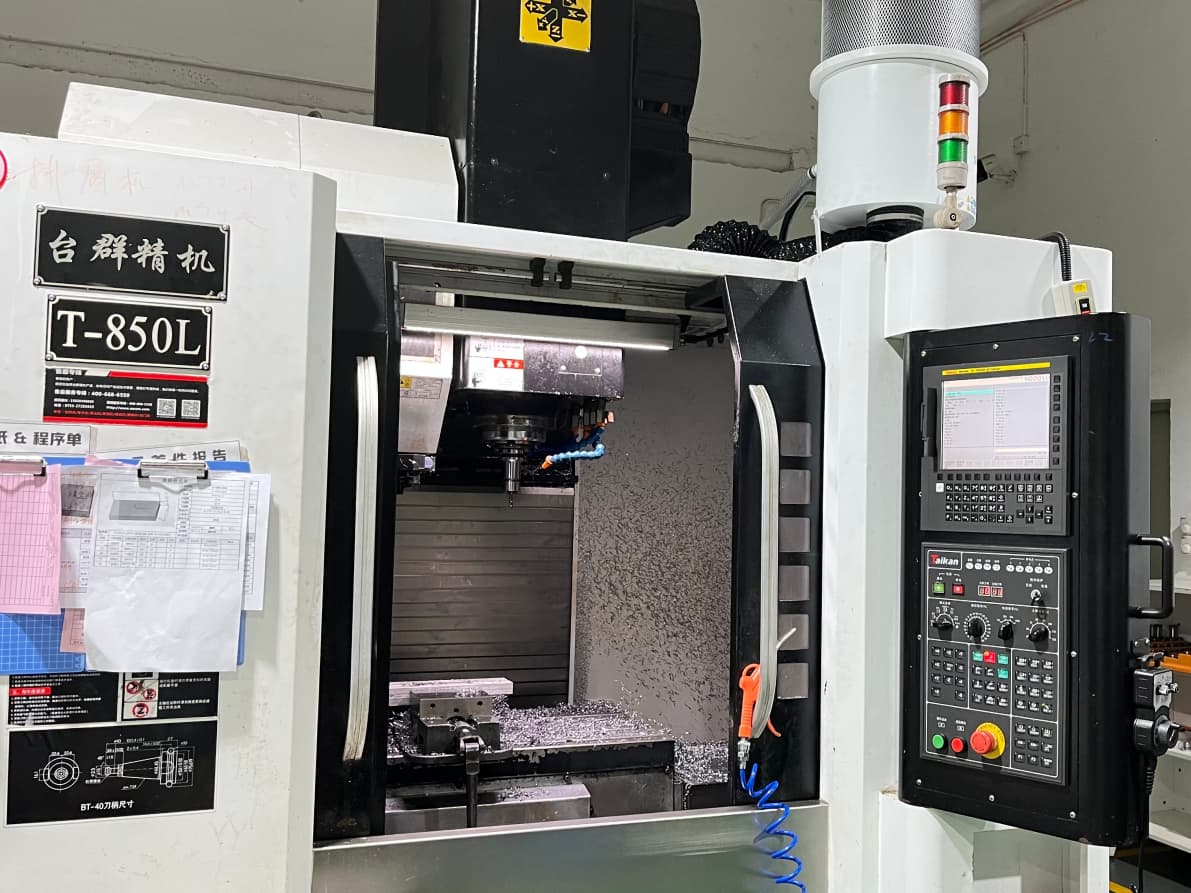
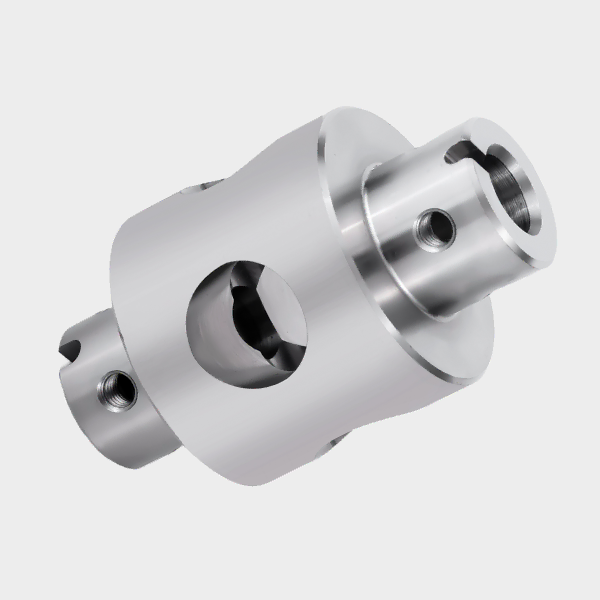
Prototypage CNC spans 3-axis, 5-axis, and multi-operation setups depending on part geometry. Most runs use aluminum alloys, stainless steel, titanium, or engineering plastics. The service scope extends well beyond raw cutting:
CAD file review and DFM feedback
Choix des matériaux and alloy-grade verification
Fixture design and machine setup
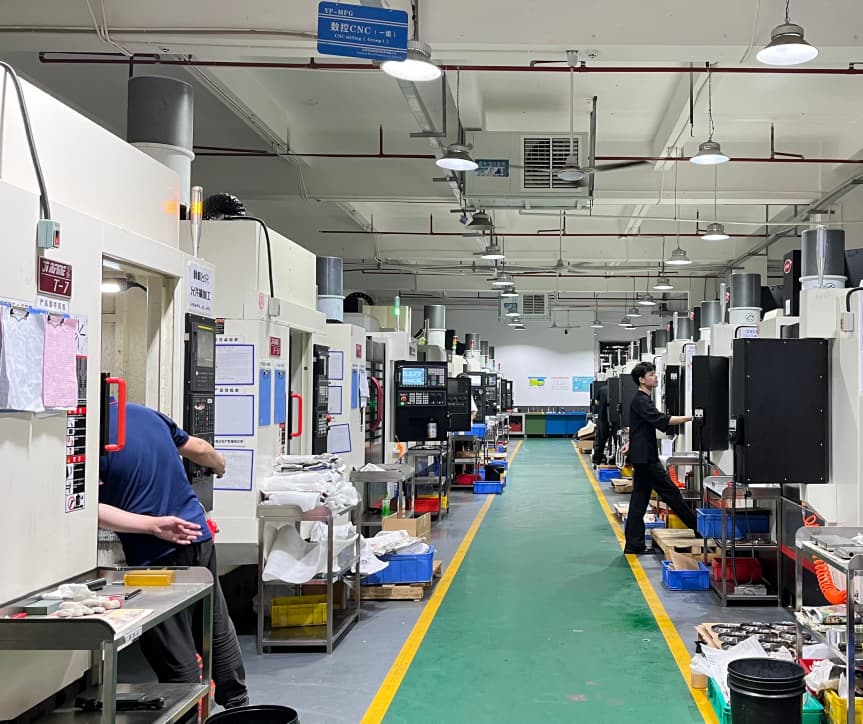
In-process and final inspection
Exigences de post-traitement such as anodizing, heat treatment, or deburring
Dimensional reporting and surface finish verification
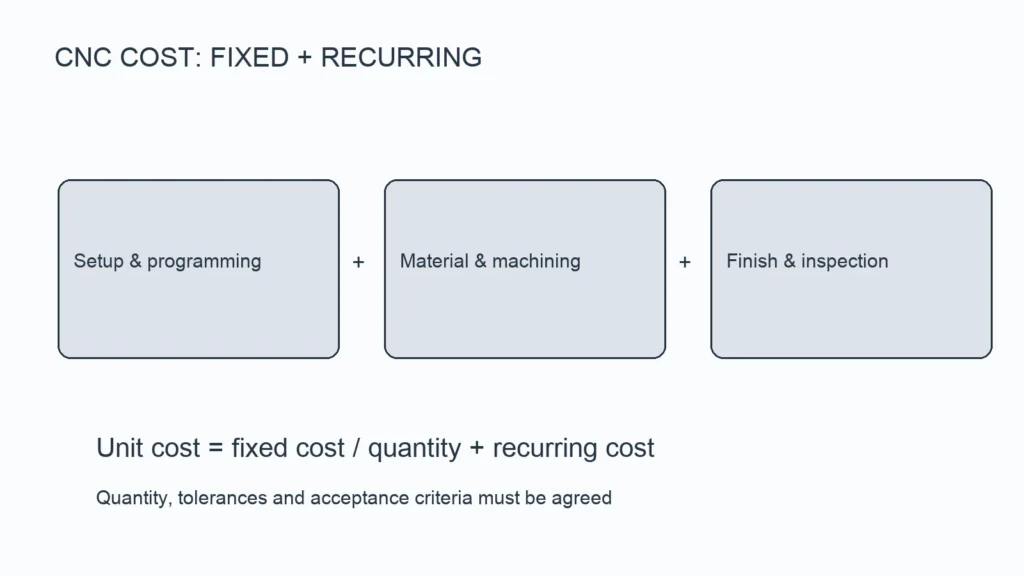
A tight tolerance on a titanium part costs several times more than the same spec on 6061 aluminum. If your application allows a looser tolerance on non-critical features, say so on the drawing. That single adjustment can cut machining time by 20–40 percent without compromising function.
## Key Factors That Determine Prototype Quality and Cost
Material grade and CNC machining capability are the two biggest cost drivers. A 5-axis titanium part at ±0.01 mm and Ra 0.8 µm carries a very different price from a 3-axis 6061 part at ±0.1 mm. Each added axis or operation introduces fixture design and verification time.
Hidden costs surface when post-processing is added late. If you specify anodizing but the part geometry traps electrolyte, the finish may fail and require rework. The same applies to surface finish standards on internal bores or threaded features. Reviewing your drawing with a machinist before the job starts catches these issues while they are still inexpensive to resolve.
How to Evaluate a CNC Prototype Provider
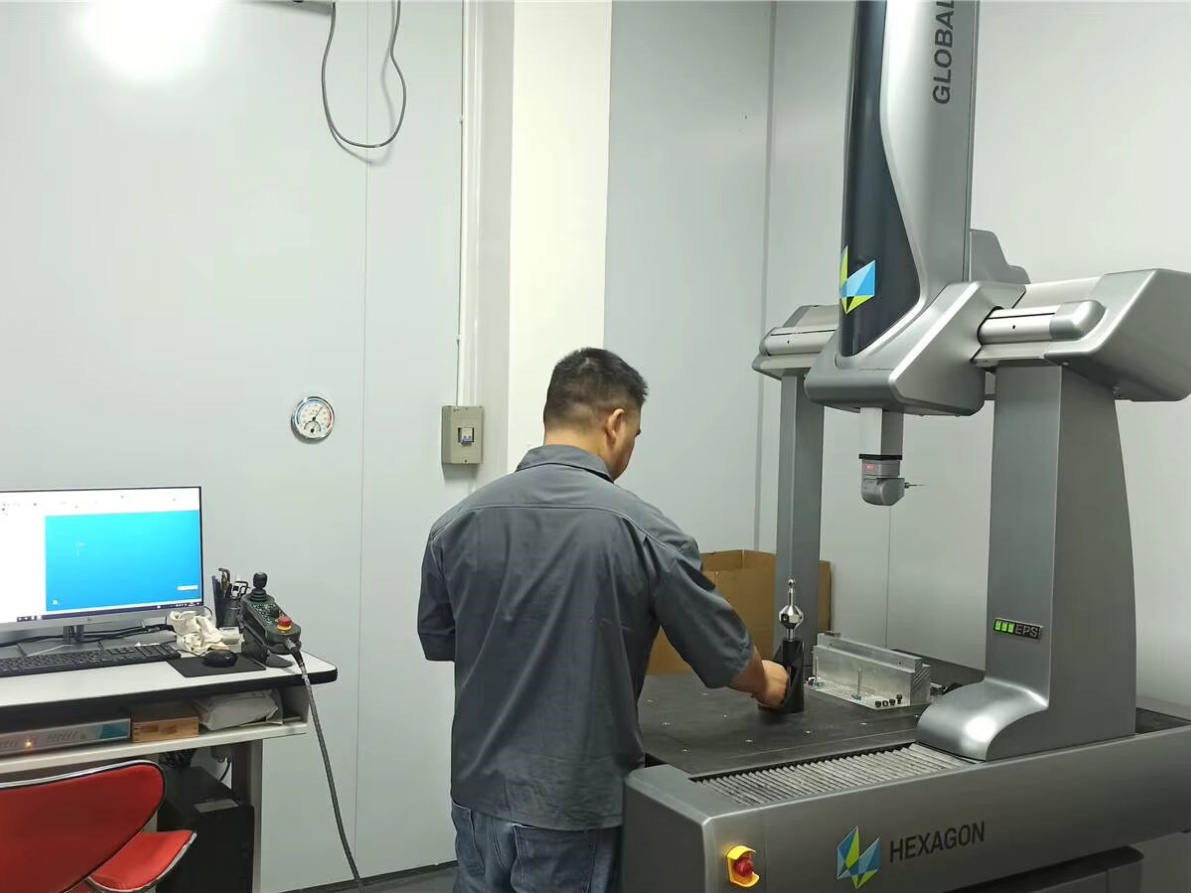
Before sending files, check five things. First, confirm whether the provider performs a formal DFM review or simply cuts what you upload. Second, ask what inspection methods they use: CMM, optical comparator, or manual micrometers. Third, verify material traceability through mill certificates. Fourth, evaluate whether they flag problems proactively or wait for you to call. Fifth, ask about prototype-to-production transition and whether the same part can scale to 500 units without fixture redesign.
YPMFG provides a structured engineering review for incoming prototype orders. The team walks through your drawing, flags manufacturability concerns, and recommends tolerance adjustments where function allows. You receive a written assessment before any metal is cut, which keeps surprises in the final part to a minimum.
Common Questions About Prototype CNC Services
Do I need to specify a material grade, or will the shop choose one for me?
Always specify the exact alloy and temper condition. “Aluminum” is too vague; 6061-T6 and 7075-T6 differ in strength, machinability, and corrosion behavior. If you are unsure, send your loading and environment details and ask the shop for a recommendation.
What tolerance should I request for a functional prototype?
Start with the tightest tolerance your assembly actually requires, typically ±0.05 mm for most mechanical fits. Do not request ±0.01 mm on every feature. Excessively tight specs increase cost and cycle time without adding functional value to a one-off part.
How does post-processing affect lead time?
Anodizing adds 2–4 business days; heat treatment adds 3–5. Build these steps into your schedule from day one. Sending the file later with the same deadline compresses machining time and raises the risk of missing your target delivery date.
Can I get my CAD files back after the prototype is complete?
Yes, and you should. Confirm in writing that all source files, finished drawings, and inspection reports are returned to you. This protects your intellectual property and simplifies future pièces CNC sur mesure revisions or production handoff.
What should I include when requesting a quote?
Send the CAD file in STEP or solid format, material specification, quantity, per-feature tolerances, surface finish, and post-processing details. Add a brief note on the application. This complete package lets the shop price the job accurately in one pass.
## Choosing the Right Prototype CNC Service for Your Project
The right provider matches your part geometry, material, and timeline—not just a generic “CNC shop” listing. Look for a partner who reviews your file before quoting, communicates issues early, and documents every step from material receipt through final inspection.
If you have a drawing package ready, send your specifications to YPMFG for an engineering evaluation. The team will assess manufacturability, recommend tolerance or material adjustments where appropriate, and return a clear quote with a defined lead time. No obligation—just a concrete answer on whether your design is ready to cut.