Italian
 English
 German
 Russian
 Japanese
 Korean
 Spanish
 French
 Portuguese

Ordering CNC parts online is straightforward when you send complete specifications and material requirements. Most digital platforms and manufacturers now accept 2D/3D files, material grades, and tolerance callouts through their websites. The key risk is incomplete documentation: missing tolerances, unclear material specs, or absent surface finish requirements can delay production by weeks. Before uploading your files, verify that your drawing package includes GD&T, material certification needs, and quantity breakpoints. This ensures the quote you receive reflects actual production costs rather than assumptions.
Many procurement teams face the same problem: a design looks fine on screen, but the CNC shop flags issues during review. YPMFG works with buyers who need to get the spec right the first time. Here is what to verify before you hit submit.
What to Verify Before Uploading Your Files
Start with your 3D model or 2D drawing. Confirm the file format matches what the service accepts—STEP and IGES are widely supported, while native CAD files like SolidWorks or CATIA may require conversion.
Check that all critical dimensions carry explicit tolerances. Untoleranced features default to general machining tolerances, which may not suit your assembly. Specify material grade (e.g., 6061-T6, 304SS, 4140) rather than just “aluminum” or “stainless steel.”
Note any post-machining steps: anodizing, heat treatment, plating, or deburring. These affect lead time and unit cost. If you need certificazioni dei materiali oppure Documentazione PPAP, flag that in your request so the quote includes the right testing scope.
Specs That Move Your Quote

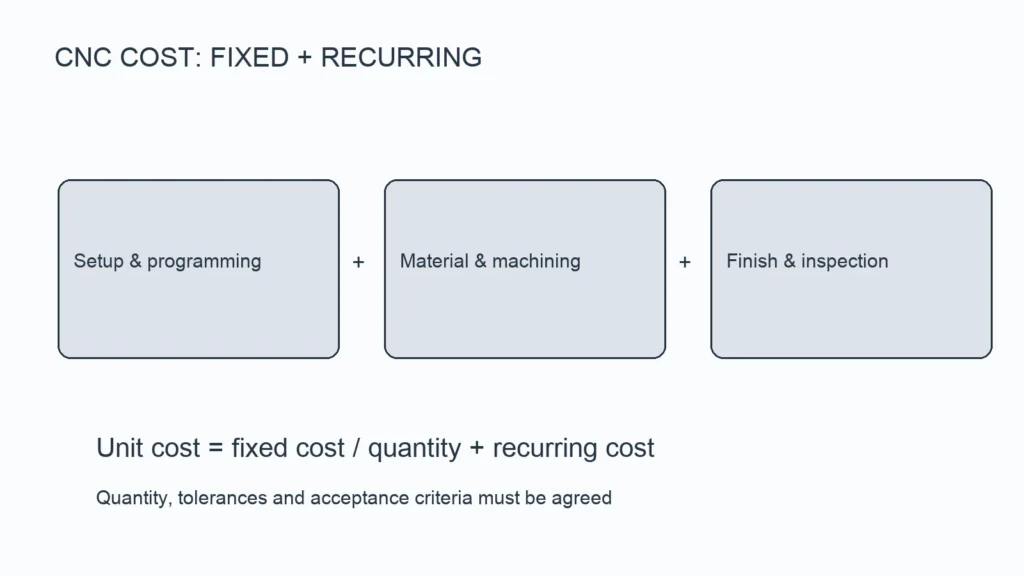
Each shift from the left column to the right can change unit cost by 30–200%, depending on shop capability and material availability. Tolleranza e scelta dei materiali are the two biggest levers. If your application allows a looser fit, say so explicitly. That single note can reduce machining time and scrap rate noticeably.
Common Cost and Schedule Mistakes
Uploading a file with no GD&T callouts, forcing the shop to guess intent and add buffer time.
Requesting a material grade that is difficult to machine (e.g., Inconel 718) without confirming tooling and heat-treatment availability.
Omitting quantity tiers. A 5-piece run and a 500-piece run use different setups, fixtures, and inspection plans.
Not specifying trattamento superficiale or passivation, then discovering the part fails a downstream corrosion test.
Skipping a design-for-manufacturability (DFM) review. A short engineering check can save significant rework cost.
YPMFG offers a no-obligation DFM review. Send your files and receive notes on tool access, wall thickness, and suggested material alternatives before you commit to a quote.
Questions Buyers Often Ask About Online Ordering
How accurate is an online CNC parts quote?
Most quotes land within ±10–15% of final cost once files are reviewed. The gap widens when tolerances, material certs, or post-processing steps are added after the initial estimate. Lock your spec sheet before requesting a firm price.
Can I order a prototype and a production run from the same provider?
Yes, in many cases. A pilot run of 3–5 pieces validates the tooling path. Transitioning to a 500-piece batch then amortizes setup costs. Confirm with your supplier whether the same fixture set will carry over.
What file formats work best for ordering?
STEP (AP214 or later) is the safest universal choice. IGES and DXF work for simpler geometry. Avoid PDF drawings as the primary source; use them only as a visual reference alongside the native CAD file.
How do I handle custom hole patterns or non-standard features?
Define pitch, count, and depth in your drawing, and state any position tolerance. If the pattern is non-repeating, add a separate feature list in the notes field so the CNC programmer does not misread it.
Prendere una decisione migliore nel lungo periodo
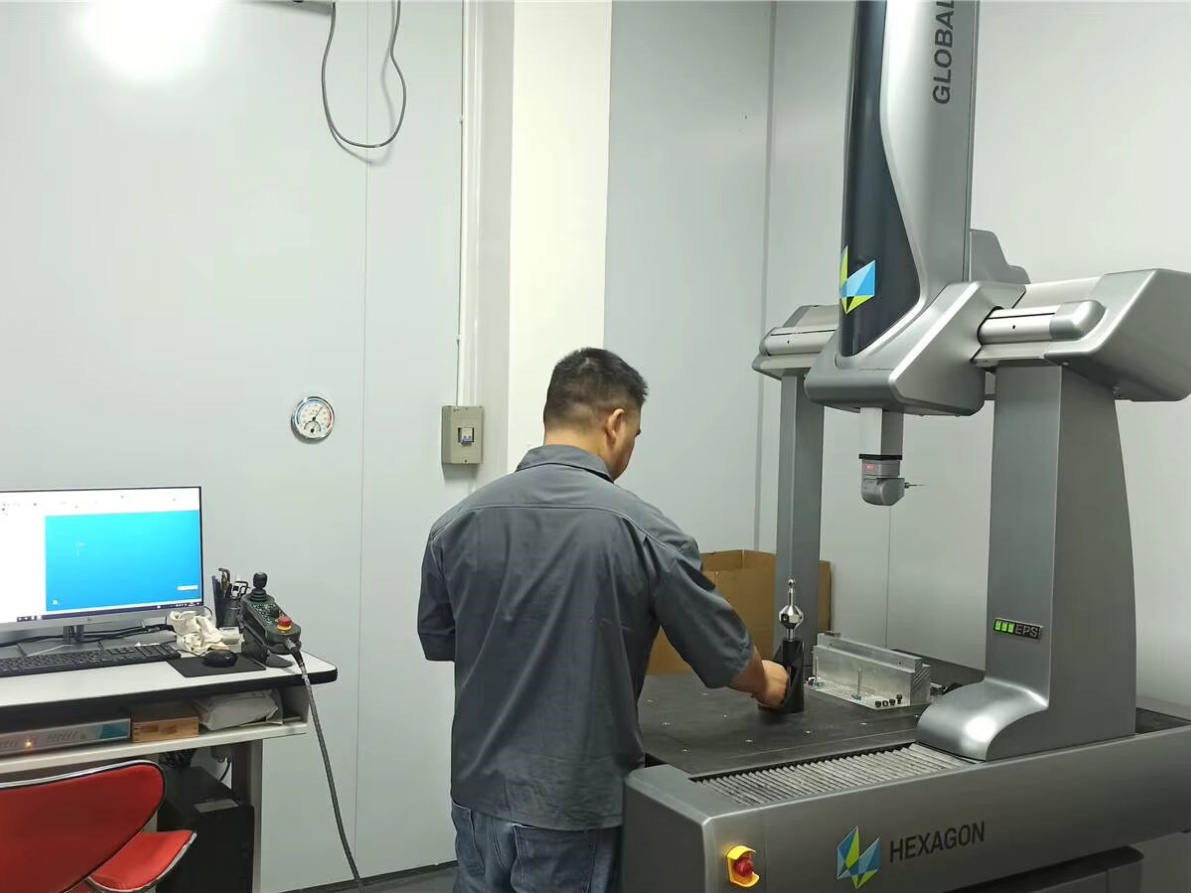
The goal is not just the lowest unit price. It is consistent fit, on-time delivery, and documentation you can audit. Before committing to a supplier, verify their machining capabilities against your material list, ask about their quality inspection process, and confirm they can provide first-article inspection reports.
YPMFG supports buyers at every stage: engineering review, quotation, prototyping, and batch production. Send your specifications or 3D model to YPMFG for a free feasibility check and a detailed quote within 48 hours. That single step removes most of the guesswork from your next order.