Italian
 English
 German
 Russian
 Japanese
 Korean
 Spanish
 French
 Portuguese

Personalizzato CNC milling parts are precision components produced by removing material from solid stock with computer-controlled cutting tools. Buyers typically order them when a design doesn’t match any standard catalog offering. The four decisions that matter most before placing an order are scelta dei materiali, tolleranze dimensionali, finitura superficiale, and any secondary processi post-lavorazione required. Getting these four parameters right at the specification stage is the single biggest factor in avoiding rework, shipping delays, and cost overruns.
Most CNC milling part problems in production don’t trace back to the cutting itself. They trace back to an incomplete or ambiguous specification at the order stage. The sections below break down what to define, verify, and confirm before you send your design to a machining shop.
Key Specifications to Define Before You Order
A complete CNC milling part specification should cover six core items. Missing even one of them is the most common cause of revision requests and delivery delays.
3D model in STEP or IGES format, plus a 2D drawing with critical dimensions and GD&T callouts
Exact tipo di materiale and whether a mill certificate is required
Tolleranze dimensionali on all functional features, separated from general-tolerance dimensions
Surface finish requirement: machined as-is, anodized, passivated, or coated
Quantity, delivery schedule, and any packaging or labeling requirements
Inspection and acceptance criteria, including whether a first-article report is needed
If your drawing lists overall dimensions without tolerance callouts on critical features, the shop will default to general tolerances. In many cases, that default won’t meet your assembly fit requirements. Always mark which dimensions are critical so the shop can allocate machining time accordingly.

Material Selection for CNC Milling
Material choice drives machinability, part weight, corrosion resistance, and per-part cost more than any other single variable. For Lavorazione CNC, the most frequently specified materials fall into four families.
Aluminum remains the most cost-effective option for medium-quantity production runs because it machines fast and generates less tool wear. Stainless and titanium handle heat and chemical exposure far better but demand slower feed rates and tougher tooling, which raises per-part machining time.
Tolleranze, Finishing, and Quality Gates
General machined tolerances typically sit at ±0.1 mm for linear dimensions and ±0.2° for angles. Tighter classes, such as ±0.025 mm or ±0.010 mm, are achievable but increase cycle time and scrap risk. Specify tighter tolerance only on features that functionally require it.
For surface finish, define whether the part needs the raw machined look or a secondary process. Common options include:
Anodizzazione (Type II or Type III) for aluminum parts
Passivation for stainless steel
Black oxide or powder coating for carbon steel
Bead blasting to reduce visible tool marks
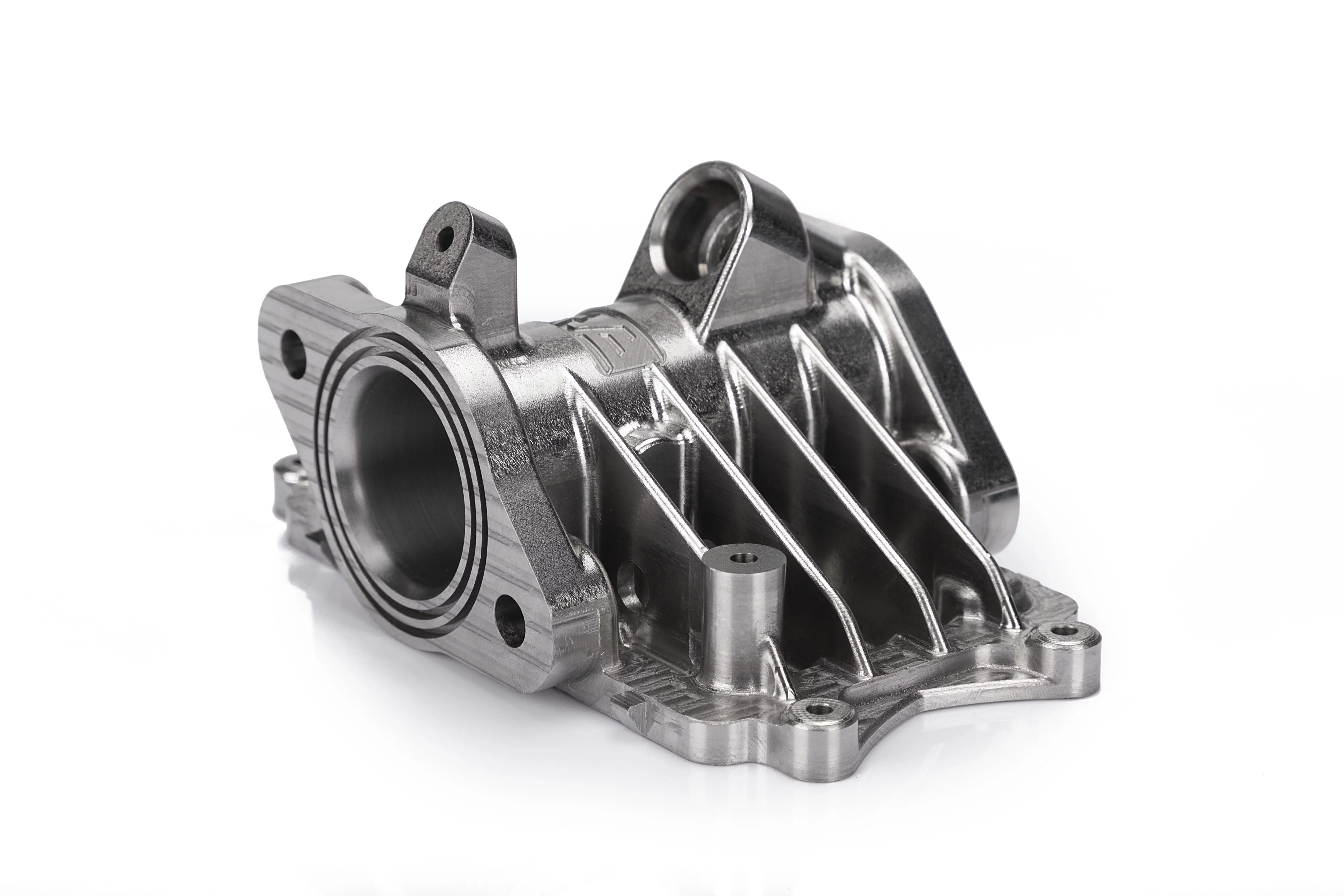
Each secondary step adds process time, lead time, and cost. YPMFG can help buyers evaluate which finish level the application actually requires versus which is a cosmetic preference that inflates the bill.
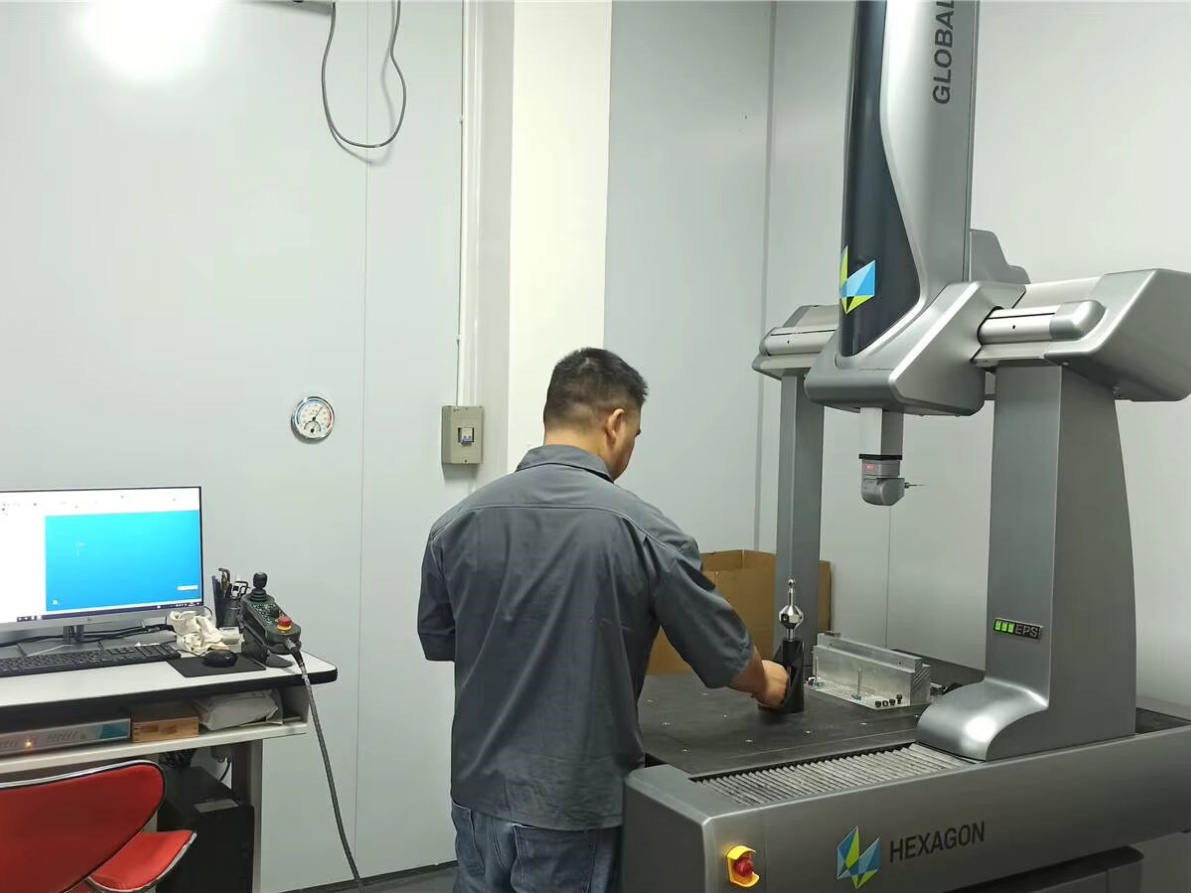
Before a part leaves the shop, verify the inspection documentation. A complete quality package should include a first-article inspection report, material mill certificate, and dimensional verification on every critical feature.
Common Cost Drivers and Mistakes
Five issues repeatedly push a CNC milling parts order over budget:
Design changes accepted after the quote, forcing new tooling
Material substitution without notifying the shop, leading to scrap and re-queueing
Vague tolerance language such as “make it tight” instead of a specific class
No post-machining process specified, causing a second order for finishing
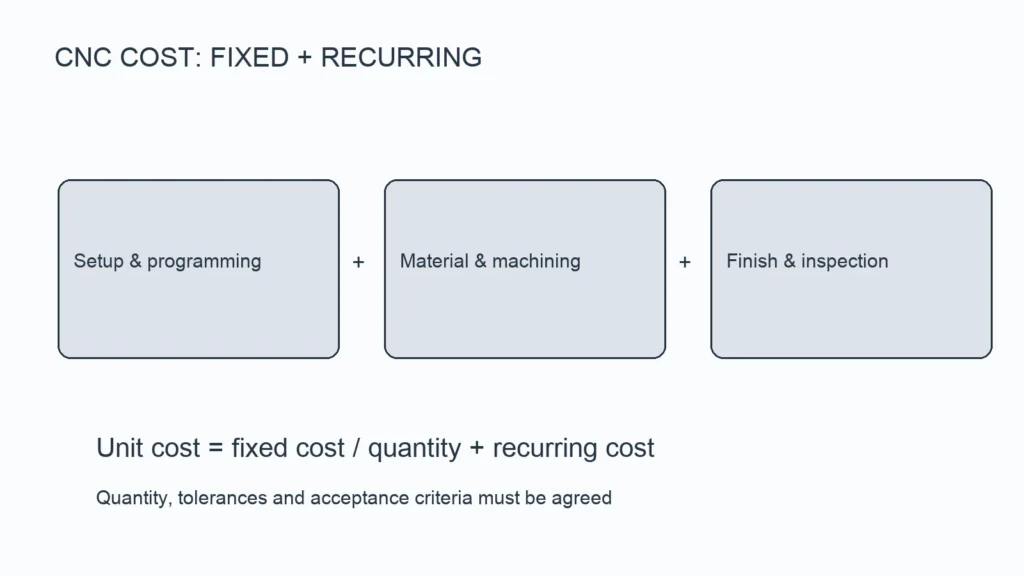
Single-unit test orders that absorb the full setup cost into one piece
Each of these is preventable with a cleaner initial specification and a short confirmation call with the supplier before production starts. A 15-minute review of your drawing against the shop’s capabilities catches most issues before they become expensive.
Common Questions About Custom CNC Milling Parts
What file format should I send with a CNC milling order?
Send a 3D model in STEP or IGES as the primary file. Include a 2D drawing with critical dimensions, tolerances,and GD&T callouts so the shop can verify the design intent without guessing.
How do I decide between aluminum and stainless steel?
Start with the operating environment. If the part sees moisture, chemicals, or sustained temperatures above 150 °C, stainless is usually the safer choice. For dry, moderate-load, weight-sensitive applications, aluminum is typically the more economical option.
What is a realistic lead time for a small batch?
Lead time depends on part complexity, material availability, and the shop’s current queue. A straightforward 50-piece aluminum batch often ships within two to three weeks. Complex titanium or stainless parts with tight tolerances can extend to six or more weeks.
Do I need to specify a material heat lot?
For standard mechanical parts, a general mill certificate is sufficient. For aerospace, medical, or high-pressure applications, specify the exact grade and temper, and request a full traceability certificate with the delivery.
## Making a Better Long-Term Decision on Your Next Order
A well-specified CNC milling part saves engineering cycles, scrap cost, and revision time on every future production run. Before placing an order, run through the specification checklist above and confirm each parameter with your supplier. You can send your drawings, BOM, and performance requirements to YPMFG for an revisione tecnica and a detailed citazione. The team will flag missing tolerances, suggest material alternatives where applicable, and confirm whether your finish specification is achievable at your target quantity.