 Japanese
  English
  German
  Russian
  Korean
  Spanish
  French
  Italian
  Portuguese
Quick answer:
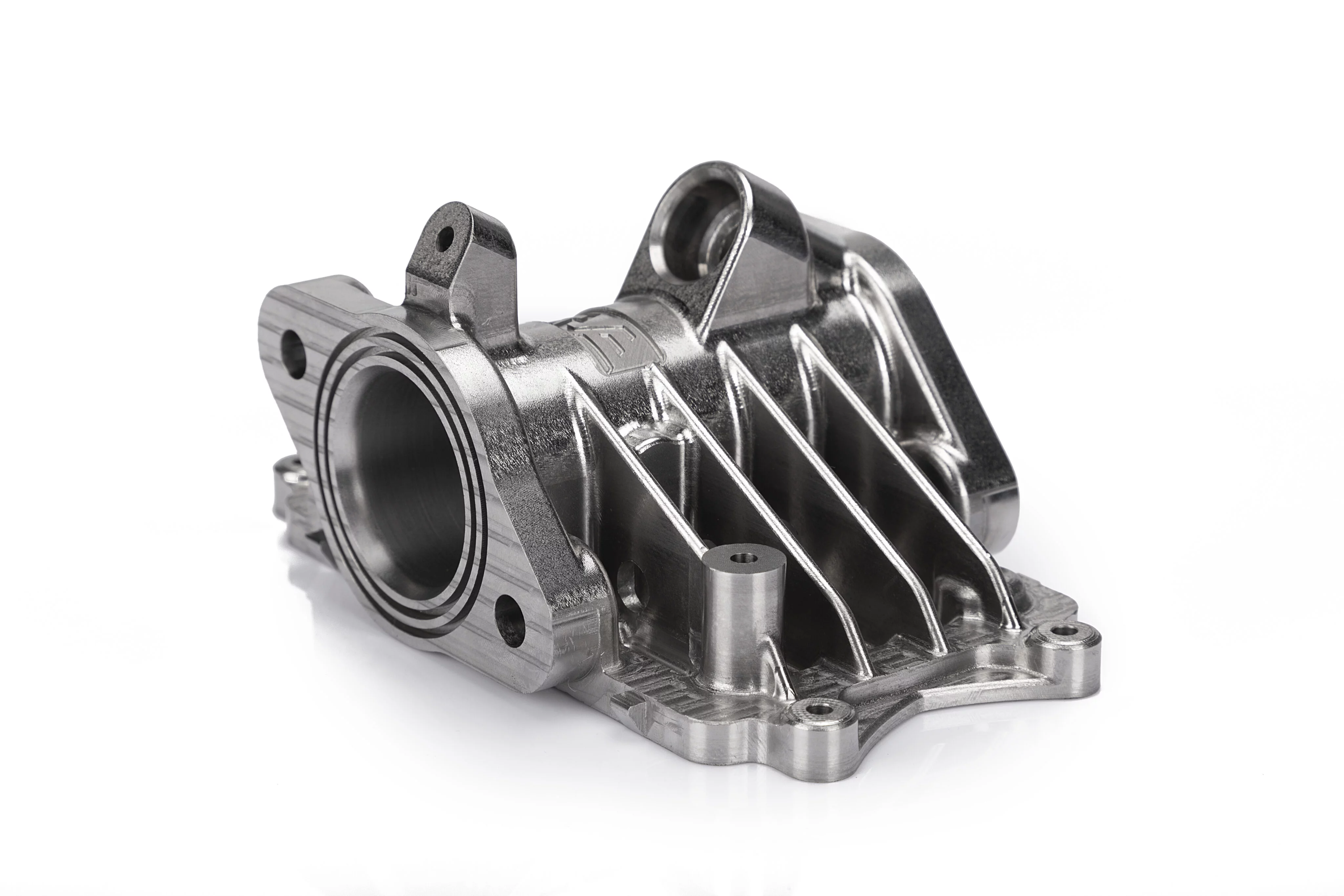
5-axis CNC machining enables the production of highly complex parts with polished surface finishes in a single setup. This method reduces errors and lead times compared to multi-step manufacturing. Polished CNC milled parts are ideal for industries requiring tight tolerances and smooth aesthetics. YPMFG offers engineering support and custom solutions to meet your specific project needs.
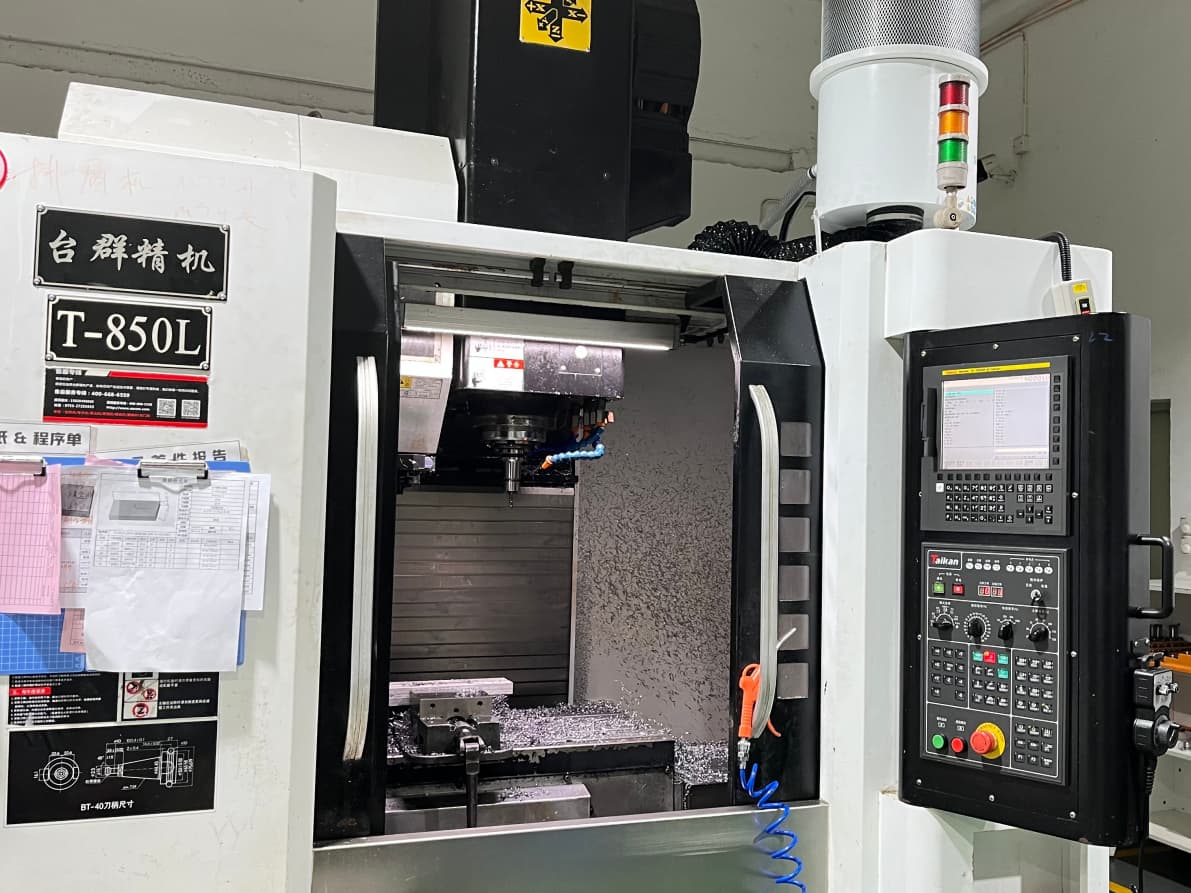
The demand for precision-machined components with superior surface quality continues to grow across sectors. Buyers often face challenges when selecting the right manufacturing approach for their application. Understanding the capabilities of 5軸 CNC加工 is critical to achieving consistent results.
Why Choose 5-Axis CNC Machining?
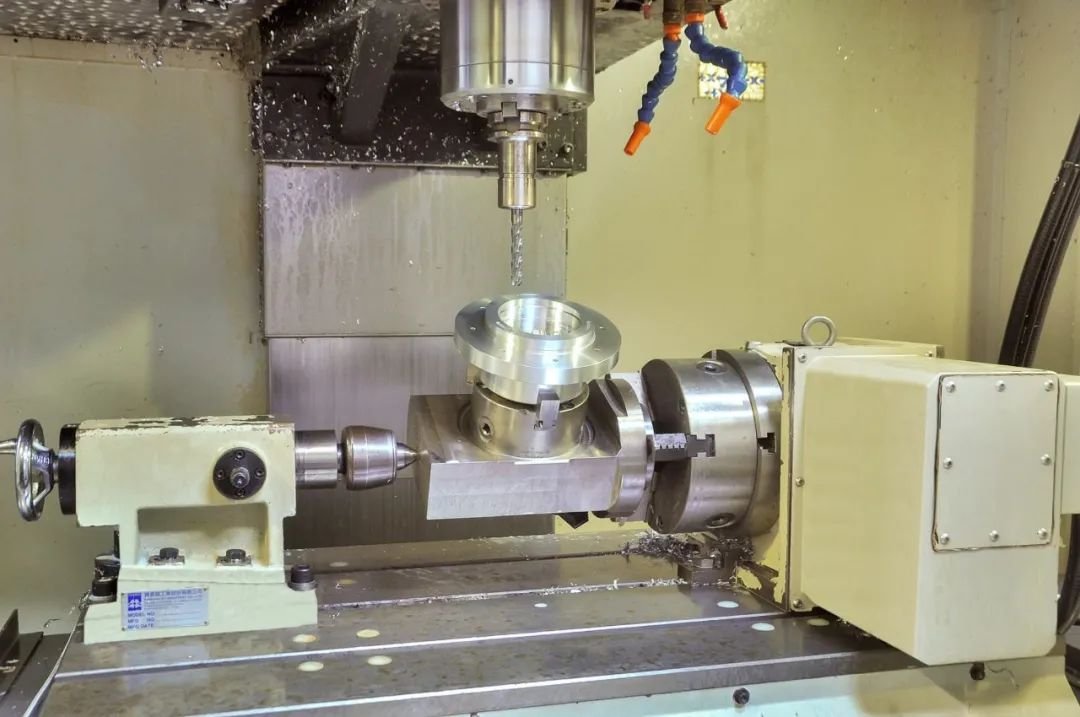
5-axis CNC technology allows tools to approach the workpiece from multiple angles simultaneously. This capability eliminates the need for repositioning the part during manufacturing. The result is higher accuracy and better surface finish consistency.
Complex geometries that would require multiple setups on a 3-axis machine can be completed in one operation. This reduces cumulative errors and improves dimensional precision. Companies like YPMFG leverage this technology to deliver reliable results for intricate designs.
The process also shortens production cycles. Faster turnaround means reduced labor costs and quicker time to market. For procurement teams, this translates to lower overall project expenses.
Surface Polish Options Explained
Surface finishing is a critical factor in determining part performance and appearance. Different industries have varying requirements for surface finish quality in machined components.
Standard CNCフライス加工 typically leaves visible tool marks. Post-machining polishing removes these marks and achieves smoother surfaces. The level of polish depends on the application and intended use.
Common finish grades include:
Bevel edge: Light deburring with minimal surface alteration.
General polish: Removes tool marks for a uniform appearance.
Mirror finish: High-gloss surface suitable for aesthetic or optical applications.
Choosing the appropriate finish requires understanding both functional and visual needs.
Material Selection and Polishing Compatibility
Not all materials respond equally to polishing processes. The choice of material significantly impacts the final surface quality.
Aluminum alloys are among the most common materials for CNC加工. They polish well and offer excellent machinability. Stainless steel provides superior corrosion resistance but requires more effort to achieve a smooth finish.
Engineering plastics like PEEK and Delrin can also be polished effectively. These materials are popular in medical and food-grade applications where cleanliness is essential.
Material selection should consider mechanical properties, environmental exposure,and cost. YPMFG’s engineering team can advise on optimal material choices based on your project specifications.
Cost Factors in Custom 5-Axis Machining
Understanding pricing drivers helps buyers make informed purchasing decisions. Several elements influence the cost of custom 5-axis CNC milling projects.
Part complexity is the primary cost factor. Intricate designs with tight tolerances require more programming time and machine setup. Larger production volumes typically reduce per-unit costs through economies of scale.
Surface finishing adds another layer of cost. Higher polish grades require additional processing time and specialized equipment. Material waste and machining time also contribute to overall pricing.
Requesting detailed quotations from multiple suppliers allows for accurate cost comparison. Reviewing technical capabilities alongside pricing ensures value for money.
Quality Assurance and Tolerance Control
Precision manufacturing demands rigorous quality control measures. Buyers should verify that suppliers maintain consistent tolerance control throughout production.
Dimensional accuracy is verified using coordinate measuring machines (CMM) and other metrology tools. Surface roughness is measured with profilometers to ensure compliance with specified standards.
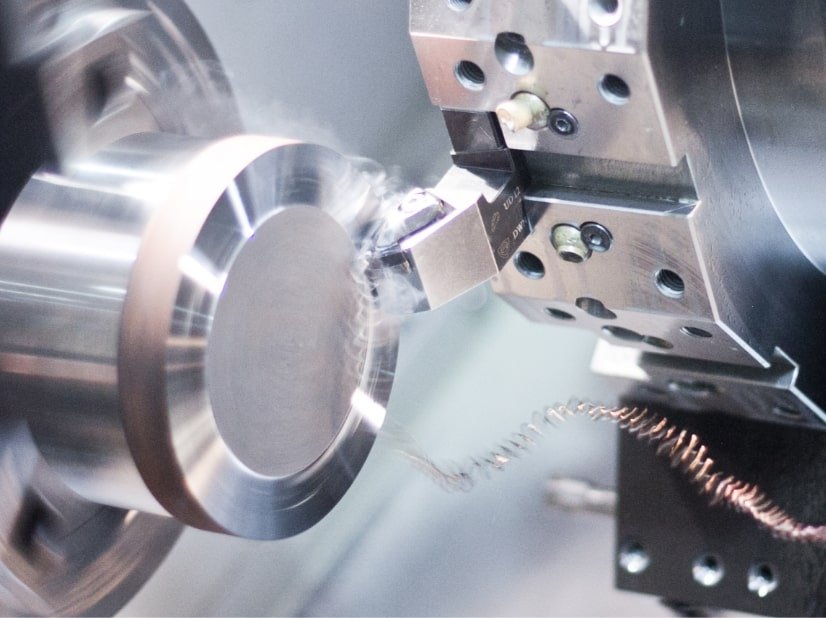
Documentation such as inspection reports and material certifications provides traceability. Reputable manufacturers like YPMFG maintain quality systems that support these requirements.
Clear communication of tolerance expectations prevents misunderstandings. Providing detailed drawings with annotated specifications ensures alignment between buyer and supplier.
Common Applications of Polished CNC Parts
Polished 5-axis machined components serve diverse industrial needs. Their versatility stems from the combination of precision and surface quality.
The medical industry relies on these parts for surgical instruments and implant components. Cleanroom-compatible materials and finishes meet strict hygiene standards.
Aerospace applications benefit from the strength-to-weight ratio of machined alloys. Parts for avionics and engine components require both durability and precision.
Consumer electronics and optical equipment also utilize polished CNC parts. Aesthetic appeal and functional performance drive demand in these sectors.
Key Considerations When Selecting a Manufacturer
Choosing the right partner for custom CNC machining requires evaluating several factors beyond price. Technical capability, communication quality, and reliability are equally important.
Review the manufacturer’s portfolio to assess experience with similar projects. A company familiar with your industry can offer valuable insights during the design phase.
Production capacity and lead times should align with your project schedule. Scalability is essential if your requirements change over time.
After-sales support, including documentation and troubleshooting assistance, adds long-term value. YPMFG provides comprehensive support from initial inquiry through project completion.
Practical Questions Before Choosing a Manufacturer
What surface finishes are available for CNC milled parts?
Common options range from as-machined to mirror polish. Specific grades depend on material and equipment capabilities.
How long does custom 5-axis machining typically take?
Lead times vary based on part complexity and order quantity. Simple parts may ship within days, while complex projects require longer.
Can prototypes be produced before full-scale manufacturing?
Most manufacturers offer prototyping services to validate design and fit. This step helps identify issues before committing to larger batches.
What documentation should I expect from my supplier?
Expect inspection reports, material certifications, and dimensional records. These documents verify compliance with your specifications.
How do I ensure consistent quality across production runs?
Establish clear quality criteria upfront and request process validation data. Regular audits and communication help maintain standards.
Making a Better Long-Term Decision
Investing in the right manufacturing partner pays dividends through improved product quality and reduced risk. The complexity of 5-axis CNC machining demands expertise that goes beyond basic production.
Suppliers who understand your application can suggest design improvements that enhance manufacturability. This collaborative approach often results in better-performing parts at lower costs.
Requesting an engineering review allows you to validate your design before production begins. YPMFG offers this service to help buyers avoid costly mistakes and optimize their projects.
Sharing your specifications with a qualified manufacturer ensures you receive accurate quotes and realistic timelines. Early engagement facilitates smoother project execution and stronger outcomes.