 Japanese
  English
  German
  Russian
  Korean
  Spanish
  French
  Italian
  Portuguese
 Quick answer:
6061 aluminum CNC machining costs vary widely based on part geometry, tolerance requirements, and order quantity. For high-precision micro machining, expect tighter tolerances of ±0.025 mm or better, which increases per-part pricing. 6061 aluminum is chosen because it machines easily, responds well to finishing, and delivers reliable mechanical properties for functional prototypes and production parts.
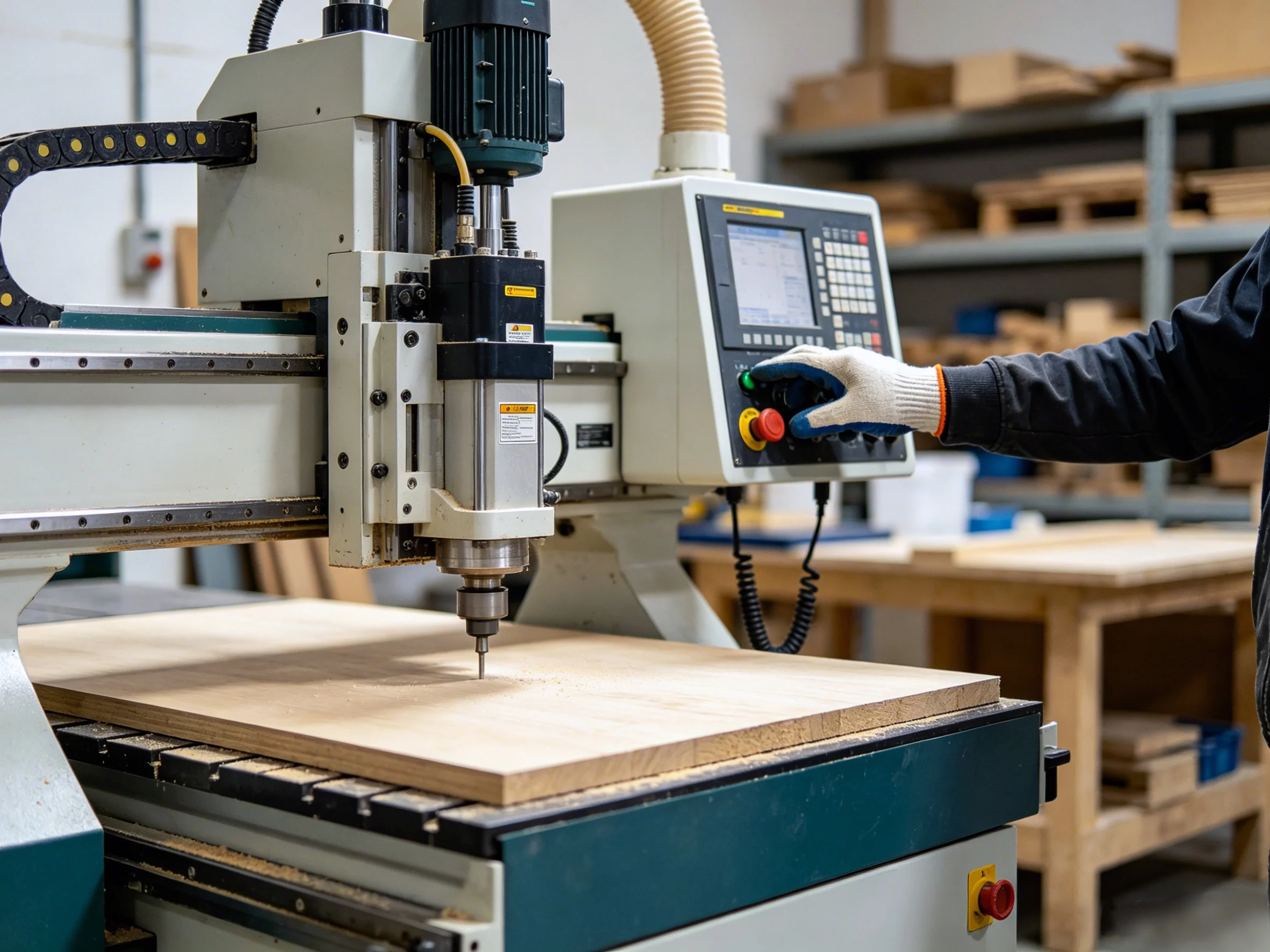
Buying precision CNC machined aluminum parts requires understanding how material choice, tolerance levels, and part complexity affect both quality and total cost. Many engineers start with 6061 aluminum CNC machining because it offers an excellent balance of machinability, strength, and cost efficiency. However, achieving true high-precision results depends on equipment capability, tooling strategy, and process control throughout the manufacturing workflow.
This guide covers what buyers should evaluate when sourcing precision machined aluminum components, from material selection to final inspection.
Why 6061 Aluminum Is the Standard Choice
6061 aluminum is the most widely used alloy for CNC machining applications. It contains magnesium and silicon, which provide good strength while maintaining excellent machinability. The material responds well to various cutting operations and produces clean chips during machining.
The alloy can be heat-treated to increase strength, making it suitable for structural components. It also offers good corrosion resistance and accepts surface treatments such as anodizing, bead blasting, and painting. These properties explain why 6061 aluminum CNC machining remains the default choice for aerospace, automotive, and electronics industries.
Engineers should verify alloy certification and material test reports before placing orders. The difference between genuine 6061-T6 and lower-grade alternatives can affect part performance and longevity.
Understanding Precision Tolerances in CNC Machining
Precision tolerance defines how closely a machined part matches its intended dimensions. Standard CNC machining typically achieves tolerances around ±0.025 mm to ±0.05 mm. High-precision operations can reach ±0.01 mm or tighter on critical features.
Micro machining involves smaller parts and finer details, often requiring additional process control. Equipment calibration, spindle runout, thermal stability, and tool wear all influence final dimensional accuracy. High precision CNC machining demands these factors be managed consistently across every production run.
When specifying tolerances, buyers should distinguish between general tolerances and critical feature tolerances. Over-specifying tolerances on non-critical surfaces increases cost without improving function. Working with experienced manufacturers like YPMFG helps identify which dimensions truly require tight control.
Key Factors That Affect Machining Costs
Several variables determine the final price of CNC machined aluminum parts:
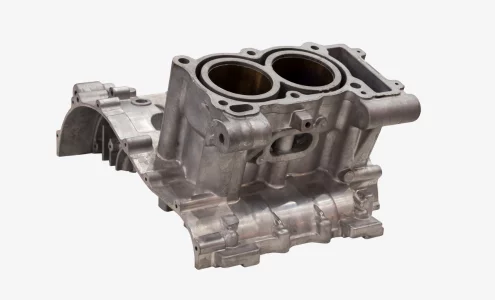
CNC machining costs are not simply about material or machine time. Setup complexity, program optimization, tool selection, and quality documentation all contribute to final pricing. Buyers should request detailed quotes that break down these elements rather than accepting single-line estimates.
Common Applications for Precision Aluminum Parts
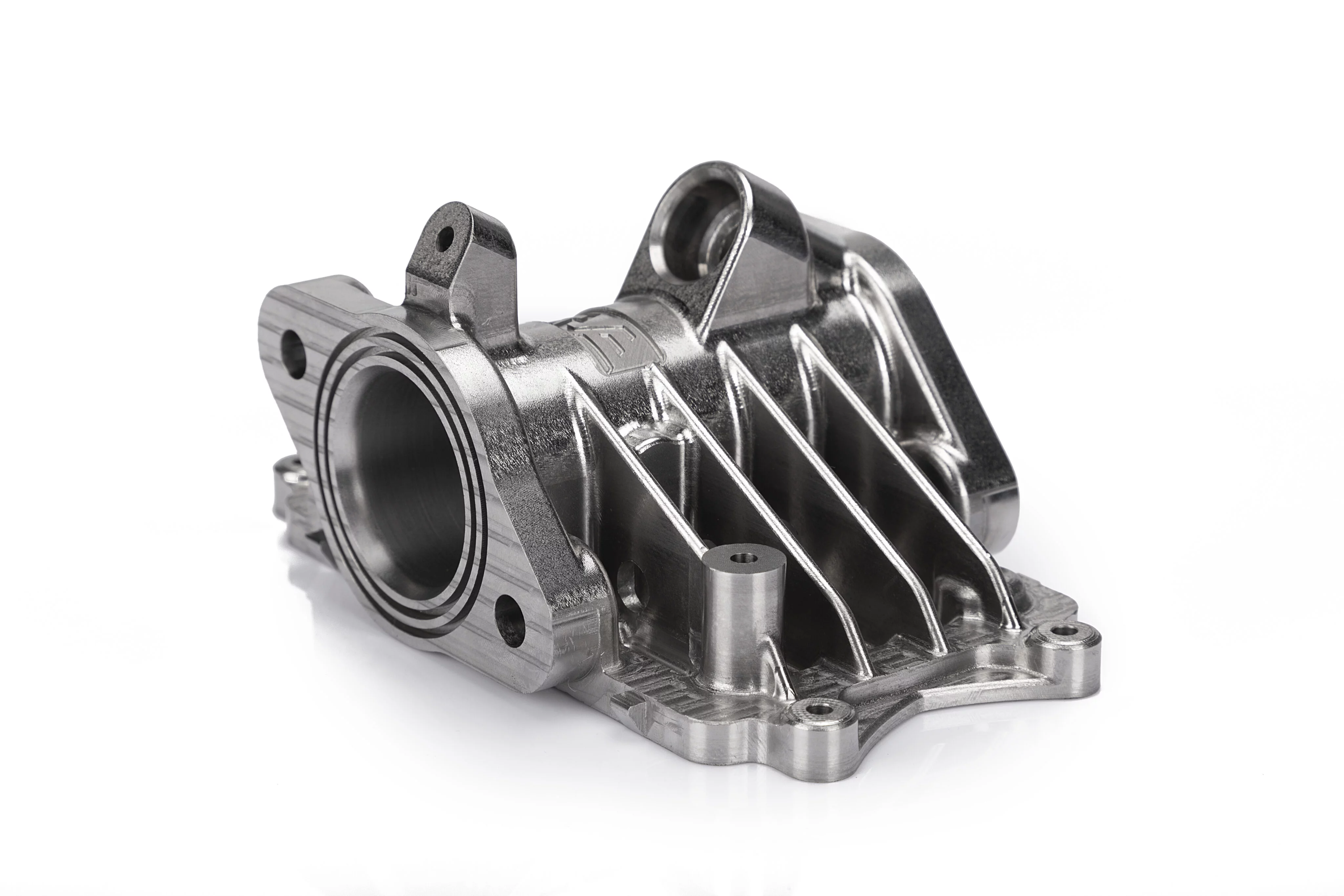
Precision-machined 6061 aluminum components appear across many industries. Typical applications include:
Electronics enclosures that require thermal management and EMI shielding
Automotive brackets and mounts for suspension and engine components
Aerospace fittings demanding high strength-to-weight ratios
Medical device housings requiring clean geometries and biocompatible finishes
Semiconductor equipment with ultra-tight dimensional stability needs
Each application has unique requirements for surface finish,mechanical properties, and inspection documentation. Understanding your end-use environment helps determine whether standard or micro machining high precision cnc 6061 aluminum processes are necessary.
YPMFG supports projects ranging from prototype evaluation to full production runs, helping buyers select appropriate specifications for their application requirements.
Material Properties and Mechanical Performance
6061 aluminum delivers consistent mechanical properties that make it reliable for engineering applications. The alloy typically achieves tensile strength around 310 MPa in the T6 condition. Yield strength reaches approximately 276 MPa, providing good structural performance.
Elongation values of 12 percent or higher indicate adequate ductility for forming operations if needed. The material maintains these properties through standard machining processes without significant degradation. Thermal conductivity of 167 W/mK makes it suitable for heat sink and thermal management applications.
When comparing to other aluminum alloys, 6061 sits between 6063 and 7075 in strength. 6063 offers better extrudability but lower strength. 7075 provides superior strength but poorer machinability and corrosion resistance. 6061 aluminum machining represents the practical middle ground for most functional applications.
Surface Finish Options and Their Impact
Surface finish affects both appearance and functional performance of machined parts. Common options include:
As-machined: Standard tool marks, suitable for internal or hidden features
Bead blasted: Uniform matte texture, improves appearance and prep for coatings
Anodized: Hard protective layer, enhances corrosion resistance and wear properties
Passivated: Chemical treatment for stainless components, removes free iron
Painted or powder coated: Color coding and additional environmental protection
Each finish adds processing time and cost. Anodizing typically requires 20-40 minutes per batch depending on thickness specification. Buyers should specify finish requirements early to avoid unexpected pricing changes during production.
Quality Control and Inspection Processes
Reliable high precision cnc parts manufacturing requires documented quality control throughout production. First-article inspection verifies dimensional compliance before full production begins. In-process monitoring catches deviations before parts are finished.
Coordinate measuring machines (CMM) provide accurate 3D measurements for complex geometries. Optical comparison systems handle small features and sharp edges that contact probes might miss. Surface roughness testers quantify finish quality against specified parameters.
Documentation standards vary by industry. Aerospace customers typically require full traceability with material certifications. Medical device manufacturers may need ISO 13485-compliant quality systems. Evaluating a supplier’s quality documentation process reveals their capability level before committing to production.
How to Choose the Right CNC Machining Partner
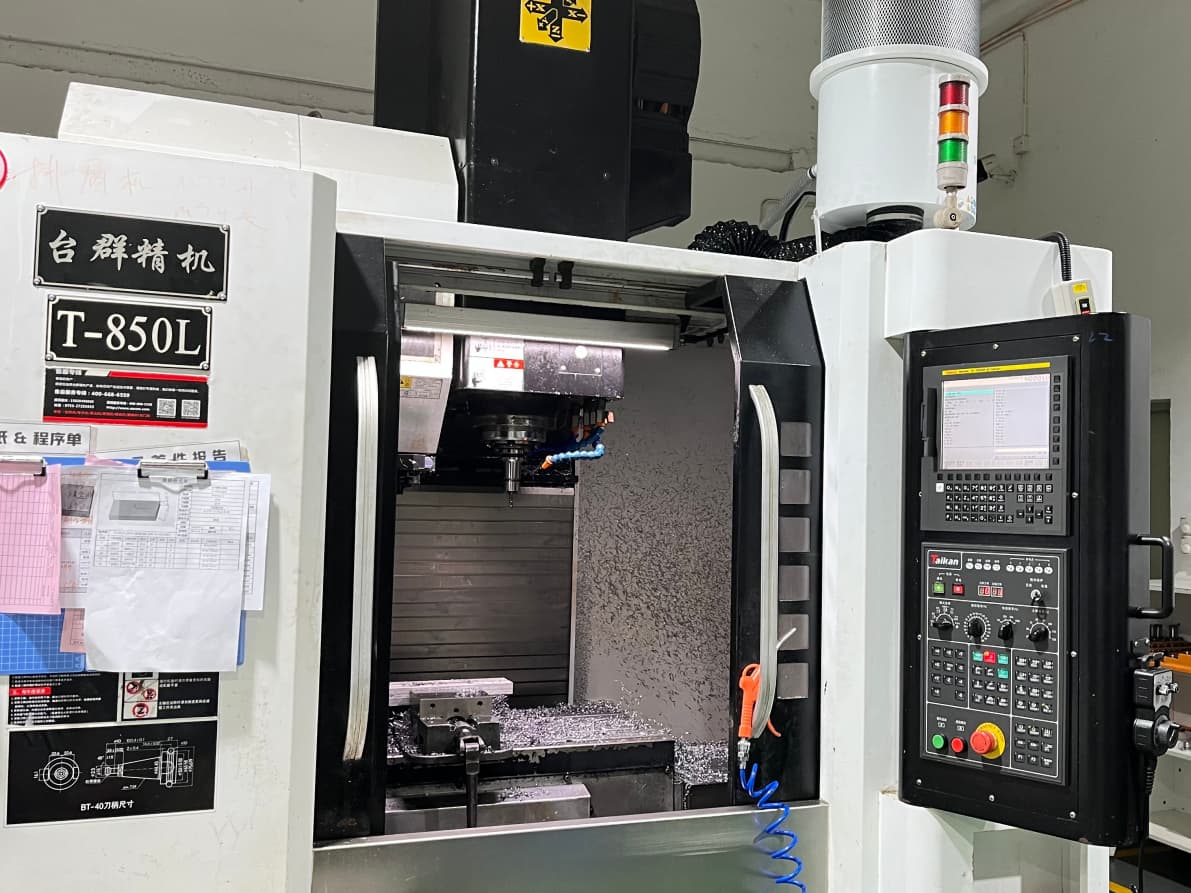
Selecting a manufacturer for precision aluminum parts involves evaluating multiple capability factors. Equipment age and maintenance records indicate current precision potential. Five-axis machines handle complex geometries in single setups, reducing cumulative error from multiple fixturing operations.
Engineering support availability distinguishes professional suppliers from job shops. Partners who review drawings proactively, suggest tolerance relaxation where possible, and flag manufacturability issues save time and money. CNC aluminum parts manufacturing benefits significantly from collaborative engineering evaluation before production begins.
Capacity and lead time consistency matter for production planning. Suppliers balancing multiple customer priorities may defer smaller orders unpredictably. Understanding a manufacturer’s typical workload helps set realistic expectations for project timelines.
Practical Questions Buyers Often Ask
What tolerance can 6061 aluminum achieve in CNC machining?
Standard precision reaches ±0.025 mm. Tighter tolerances of ±0.01 mm are possible on selected features with careful process control and appropriate part geometry.
Does 6061 aluminum work for anodized finishes?
Yes, 6061 anodizes well and produces durable protective coatings. Clear and colored anodizing are both common. The alloy’s silicon content may cause slight darkening in anodized surfaces compared to 6063.
How does part complexity affect pricing?
Complex geometries require additional setups, longer machining cycles, and more programming time. Simple prismatic shapes cost significantly less than parts with undercuts, thin walls, or intricate internal features.
What inspection documentation should I expect?
Standard orders include dimensional reports for critical features. Enhanced documentation may cover material certifications, surface roughness measurements, and first-article inspection reports depending on industry requirements.
Can prototyping transition smoothly to production?
Successful prototypes demonstrate design intent and validate function. Production manufacturing requires additional process validation, tooling optimization, and quality system controls to maintain consistency across larger volumes.
How important is thermal management during machining?
Aluminum conducts heat efficiently, but extended machining cycles can still cause thermal expansion affecting dimensional accuracy. Proper coolant selection and controlled machining strategies maintain precision during extended production runs.
Choosing the Right Approach for Your Project
Precision CNC machining of 6061 aluminum delivers reliable results when material properties, tolerance requirements, and process capabilities align correctly. The alloy’s versatility supports applications from functional prototypes to volume production.
Buyers should evaluate manufacturers based on technical capability, quality documentation, and engineering support availability rather than price alone. CNC machined aluminum parts represent long-term investments in product performance and reliability.
You can send your specifications to YPMFG for engineering review and detailed quoting. Our team evaluates drawability, suggests optimization opportunities, and provides transparent cost breakdowns to support informed purchasing decisions.