 Japanese
  English
  German
  Russian
  Korean
  Spanish
  French
  Italian
  Portuguese
 簡単な答え:
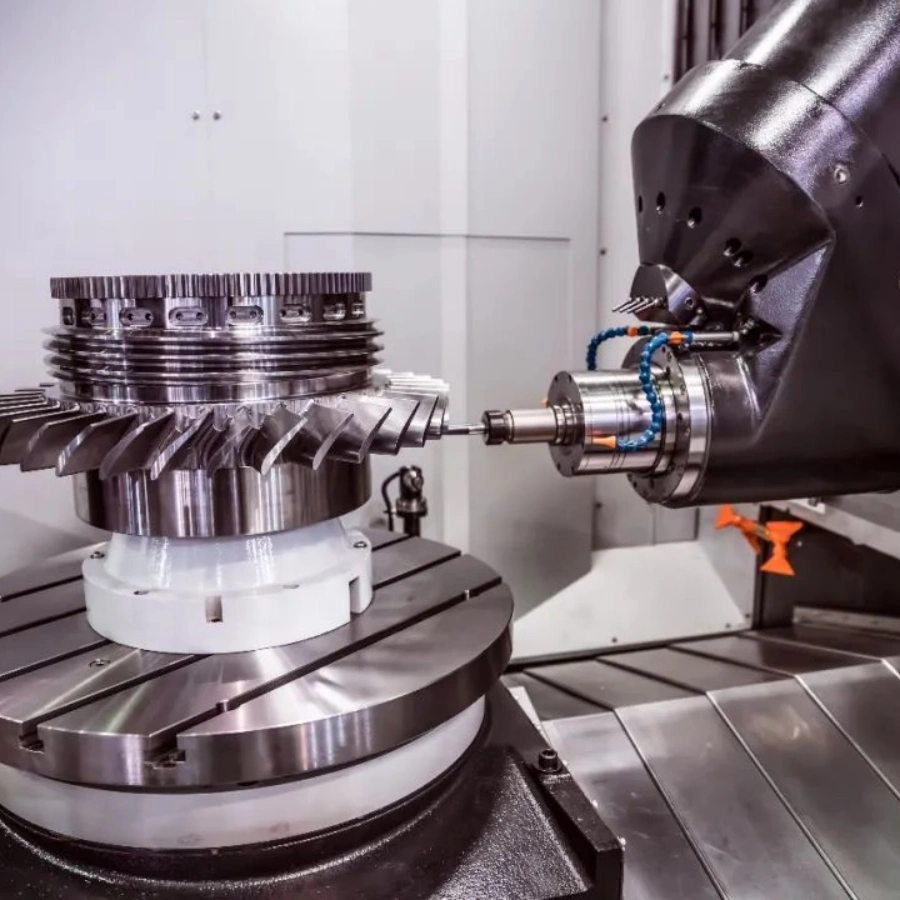
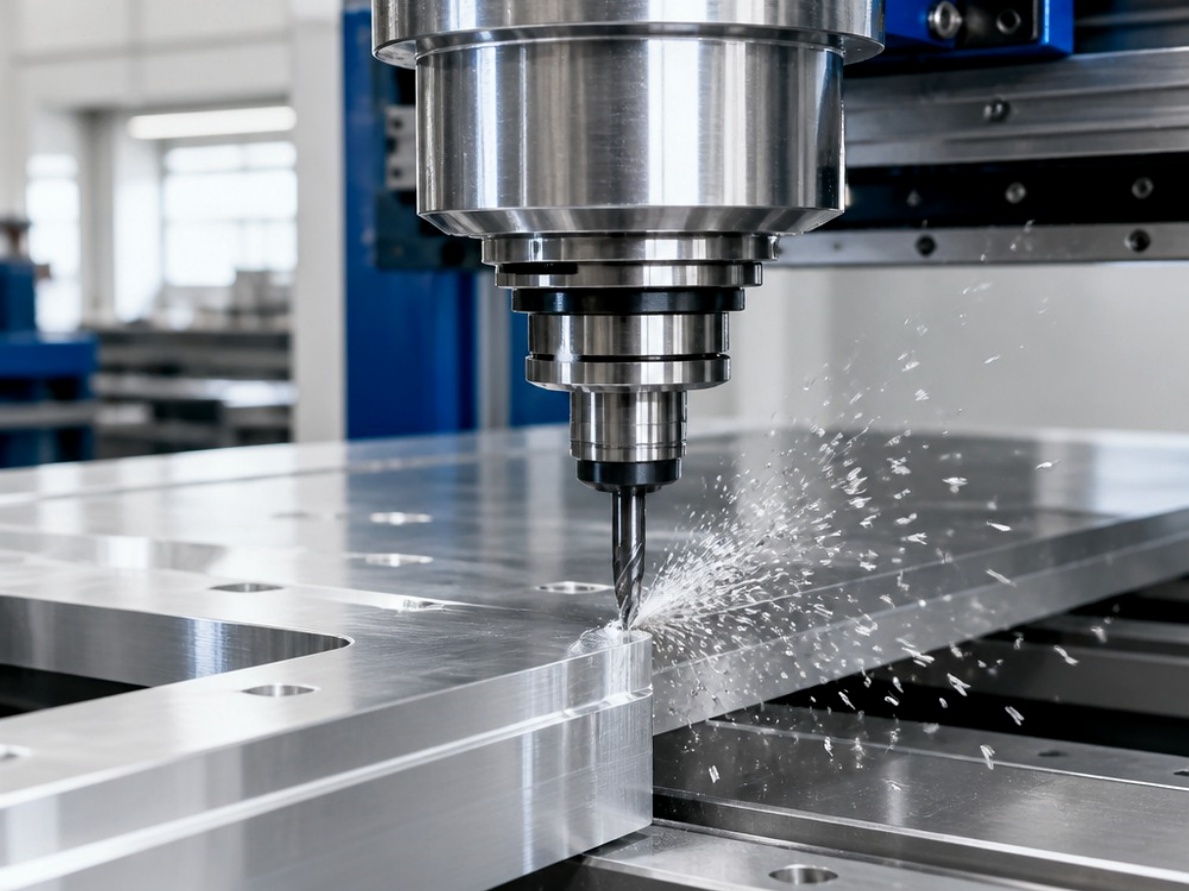
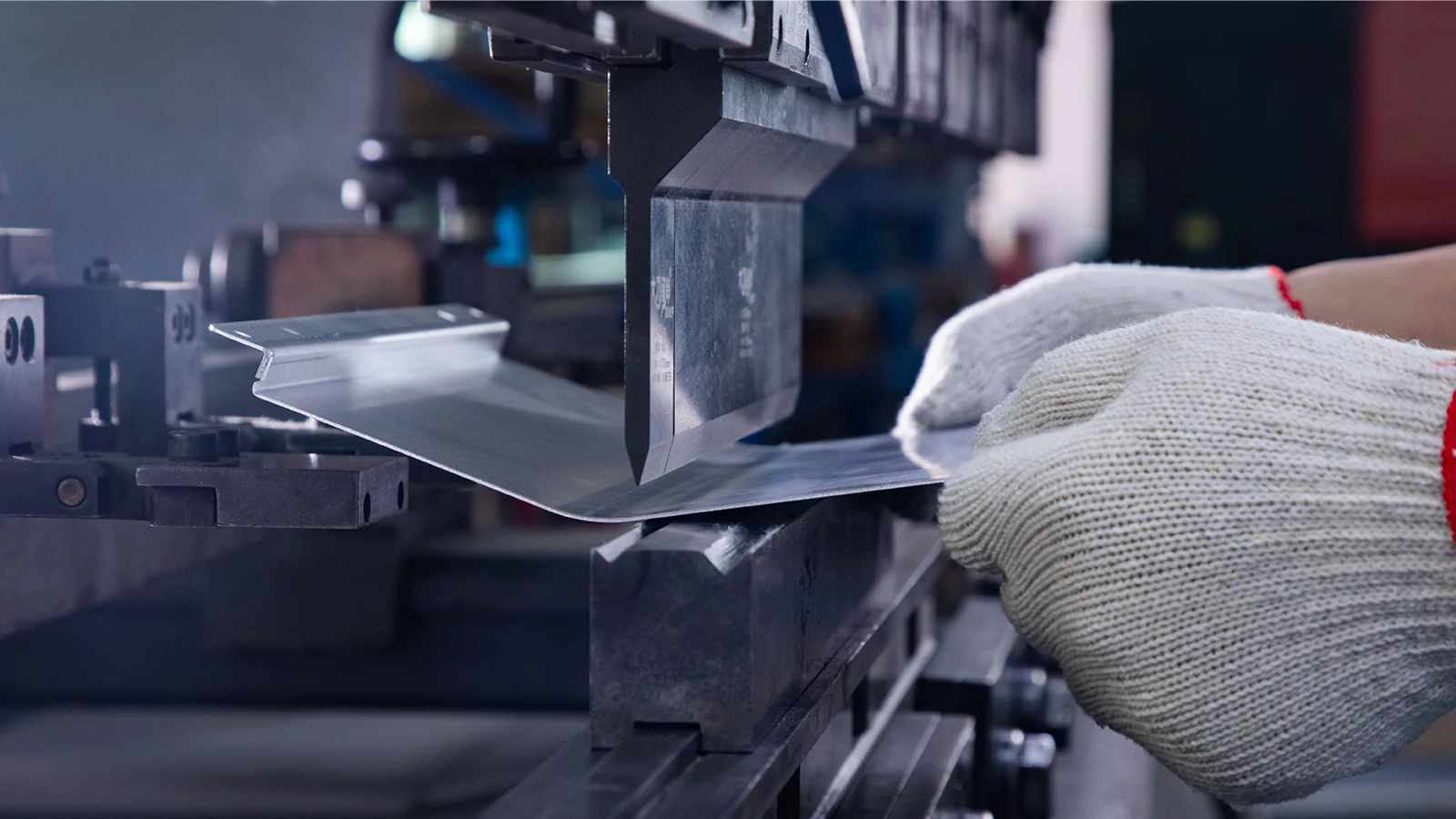
Metal fabrication furniture accessories are precision-machined hardware components—hinges, brackets, leg assemblies, drawer slides, and mounting plates—produced through CNC加工 or sheet-metal processes for residential and commercial furniture. The core decision points are material grade, 許容差仕様, surface finish, and load rating. Buyers should verify that the part’s technical drawing matches the furniture assembly’s stress points and finish requirements before placing an order. Getting these four parameters wrong is the most common cause of rework and field failures.
Many furniture manufacturers discover fit or finish problems only after a full production run. Scrapping a batch of mismatched metal fabrication furniture accessories costs far more than the time spent verifying specs upfront. This guide covers the key checkpoints so you can order the right parts the first time.
目次
What Determines Quality in Machined Furniture Hardware
Comparing Common Furniture Metal Components
Mistakes That Cost Buyers Time and Money
Questions to Ask Before You Place an Order

Getting Started with Your Next Furniture Hardware Project
## What Determines Quality in Machined Furniture Hardware
The material choice drives nearly every downstream decision. For load-bearing brackets and leg supports, stainless steel 304 または アルミニウム6061 are typical choices depending on weight and corrosion requirements. Tolerance class matters just as much: a hinge pin machined to ±0.05 mm will sit differently in a cabinet than one held to ±0.01 mm. Surface finish—powder coat, anodize, or PVD—must match the surrounding furniture panel to avoid a visible color or texture mismatch.
In many cases, the finish process also affects dimensional stability. A thick anodize layer can shift a bore diameter by several microns, which matters when the part slides into a tight housing. Always confirm whether the quoted tolerance applies to the as-machined state or the post-finish state.
YPMFG reviews material, tolerance, and finish together during the 技術評価 stage. Sending your technical drawing and application load data early helps flag conflicts before tooling or fixture work begins.
Comparing Common Furniture Metal Components
Each row represents a part where a single wrong dimension can stop an entire assembly line. Confirm the drawing revision and finish code with your supplier before releasing production files. If you are mixing components from multiple vendors, run a cross-fit test on the assembled sub-assembly.
Mistakes That Cost Buyers Time and Money

Skipping the physical fit-check stage. A part that measures within tolerance on paper may still bind in the assembled furniture if the mating component was sourced from a different vendor. Always run a prototype fit test before releasing the production run.
Ordering finish before confirming panel color. Powder coat and anodize colors vary by batch and supplier. Request a finish sample placed against your actual panel stock under production lighting before approving the lot.
Under-specifying load ratings. A drawer slide rated for 20 kg will fail within weeks in a commercial kitchen that sees 40 kg of stored goods. Match the load rating to real use, not catalogue defaults.
Using generic drawings for custom geometry. If your furniture has non-standard spacing or angles, a stock CNC加工部品 will not align with the cabinet frame. Flag this early so the machining partner can adjust the fixture and program.
Questions to Ask Before You Place an Order
What tolerance class are you machining to, and how do you verify it?
Ask for the CMM report or in-process gauge data on the first article. The stated tolerance on the drawing and the actual as-built tolerance are not always the same.
Which material certificate accompanies each batch?
For stainless or alloy parts, request a mill test report (MTR) or material certificate per batch. This confirms composition and heat number for traceability.
What is the surface finish process and curing method?
Powder coat requires oven curing at a specific temperature and time. Anodize thickness varies by dye lot. Confirm the process parameters match your furniture finish specification before approving a production batch.
How are defective units handled after delivery?
Clarify whether the supplier inspects at 100 % or AQL sampling, and what the replacement or credit process looks like if a batch fails on your incoming inspection.
Do you support small-batch or prototype runs?
If you are testing a new design, a 50–200 piece prototype lot lets you validate fit and finish before committing to a 5,000-piece production order.
## Getting Started with Your Next Furniture Hardware Project
もし指定する場合は metal fabrication furniture accessories for a new product line or replacing an existing supplier, the fastest next step is to send your part drawings, material call-outs, and quantity ranges. YPMFG’s engineering team will review fit, tolerance, finish, and load requirements, then return a feasibility assessment with a quotation. You can also request a prototype or small-batch サンプルテスト before committing to full production.