Korean
  English
  German
  Russian
  Japanese
  Spanish
  French
  Italian
  Portuguese
지금 바로 CNC 밀링 견적 받아보기

|
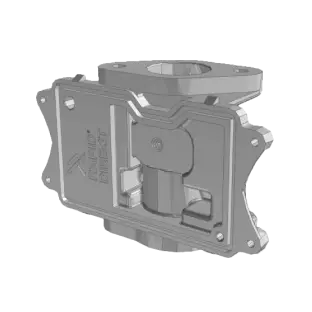
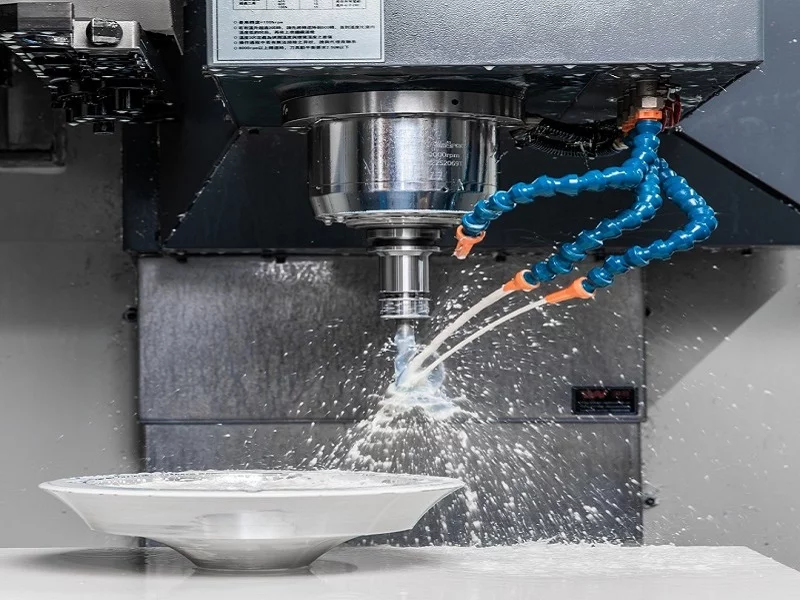
복잡한 다각도 가공이 필요하지 않은 경우, 안정적인 정밀도, 더 빠른 납기, 그리고 관리된 가공 비용으로 제작된 단순한 CNC 밀링 부품을 확보하십시오. |
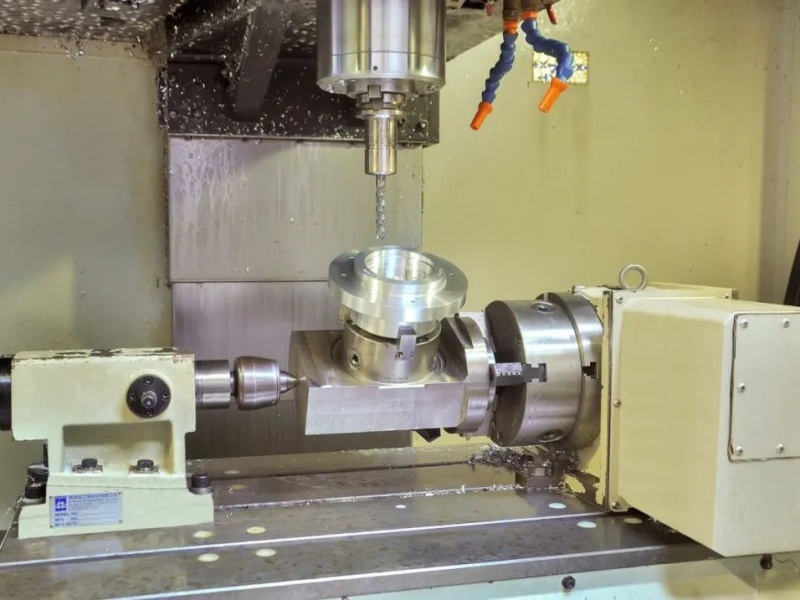
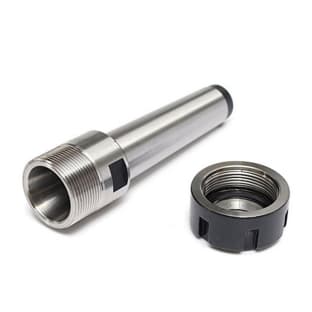
4축 CNC 밀링 가공을 통해 가공 효율과 형상 정렬 정확도를 향상시키세요. 특히, 단일 세팅에서 부품을 여러 방향으로 가공해야 하는 경우에 더욱 효과적입니다.
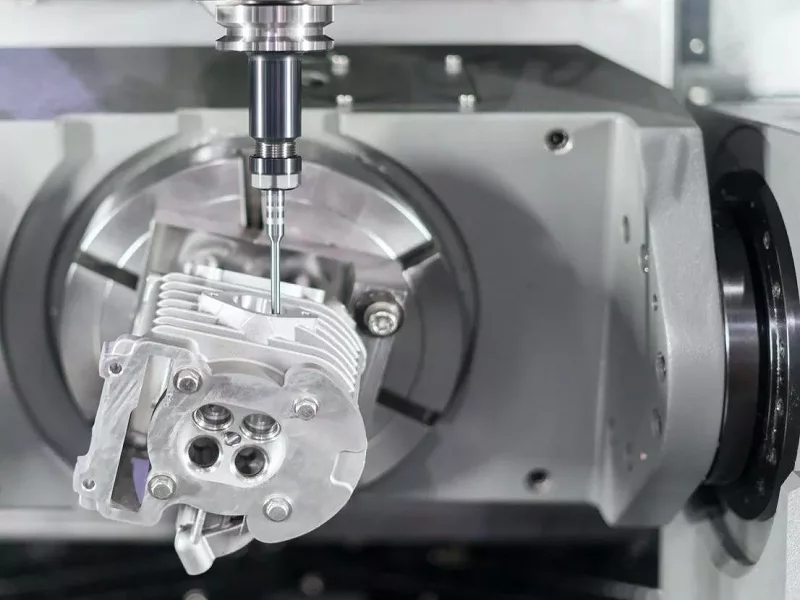
당사의 5축 CNC 밀링 서비스는 매우 복잡하고 정밀도가 매우 중요한 부품을 제작할 수 있습니다. 이 제품은 항공우주, 의료 및 고정밀 CNC 밀링 분야에 가장 적합한 솔루션입니다.
신속 프로토타이핑
당사의 신속한 개발 프로세스를 통해 제품 개발을 가속화하십시오 CNC 가공 서비스. 당사는 빠른 납기 기간을 보장하며, 고품질 시제품 및 금형 제작을 신속하게 수행하는 데 특화되어 있어 귀사의 설계 검증 과정을 지원합니다.
YP-MFG는 다양한 금속 및 플라스틱에 대한 CNC 밀링 서비스를 제공하여, 재료의 강도, 무게, 표면 마감, 내열성 및 비용 요건을 충족할 수 있도록 지원합니다. 알루미늄 시제품, 스테인리스강 부품, 또는 엔지니어링 플라스틱 부품이 필요하시든, 당사 팀은 귀사의 설계 및 생산 목표에 부합하는 적합한 소재를 선정할 수 있도록 도와드립니다.

ABS는 강도가 높고 내구성이 뛰어나며, 내열성과 내충격성이 우수합니다. 따라서 자동차 부품 및 소비재 제조에 주로 사용됩니다.
ABS 베이지(내추럴)
ABS 블랙
ABS 블랙 정전기 방지
ABS 밀키 화이트
ABS+PC 블랙
ABS+PC 화이트

폴리카보네이트는 내구성이 매우 뛰어나고 내충격성이 높을 뿐만 아니라 투명도도 뛰어나 방탄유리나 보호 장비에 사용됩니다.
PC 블랙
PC 투명
PC 화이트
PC 황백색
PC+GF30 블랙
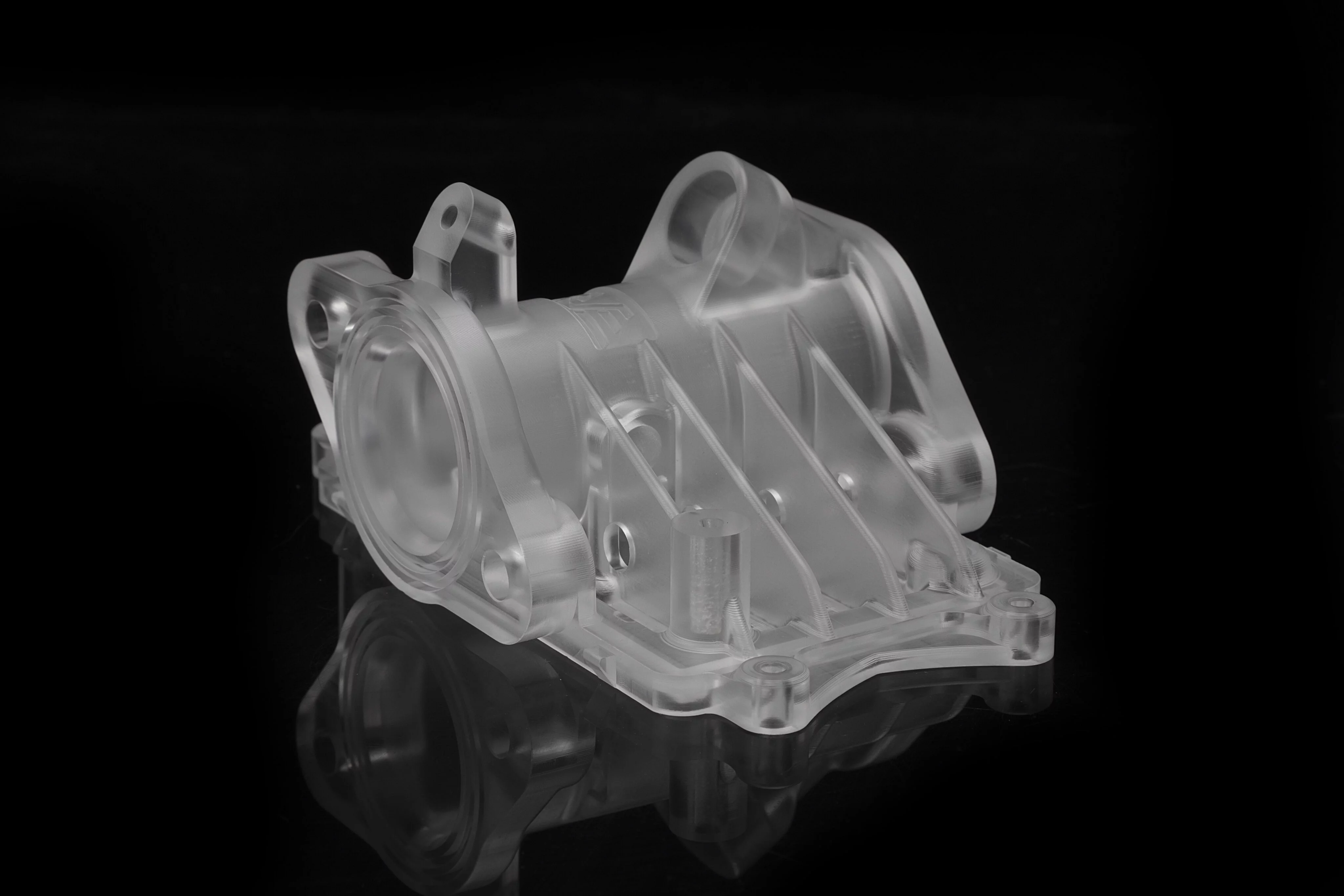
PMMA, 즉 아크릴은 수정처럼 맑은 투명도와 내후성으로 잘 알려져 있어 야외 조명 기구나 진열장에 사용하기에 이상적입니다.
PMMA 검정색
PMMA 투명
PMMA 화이트
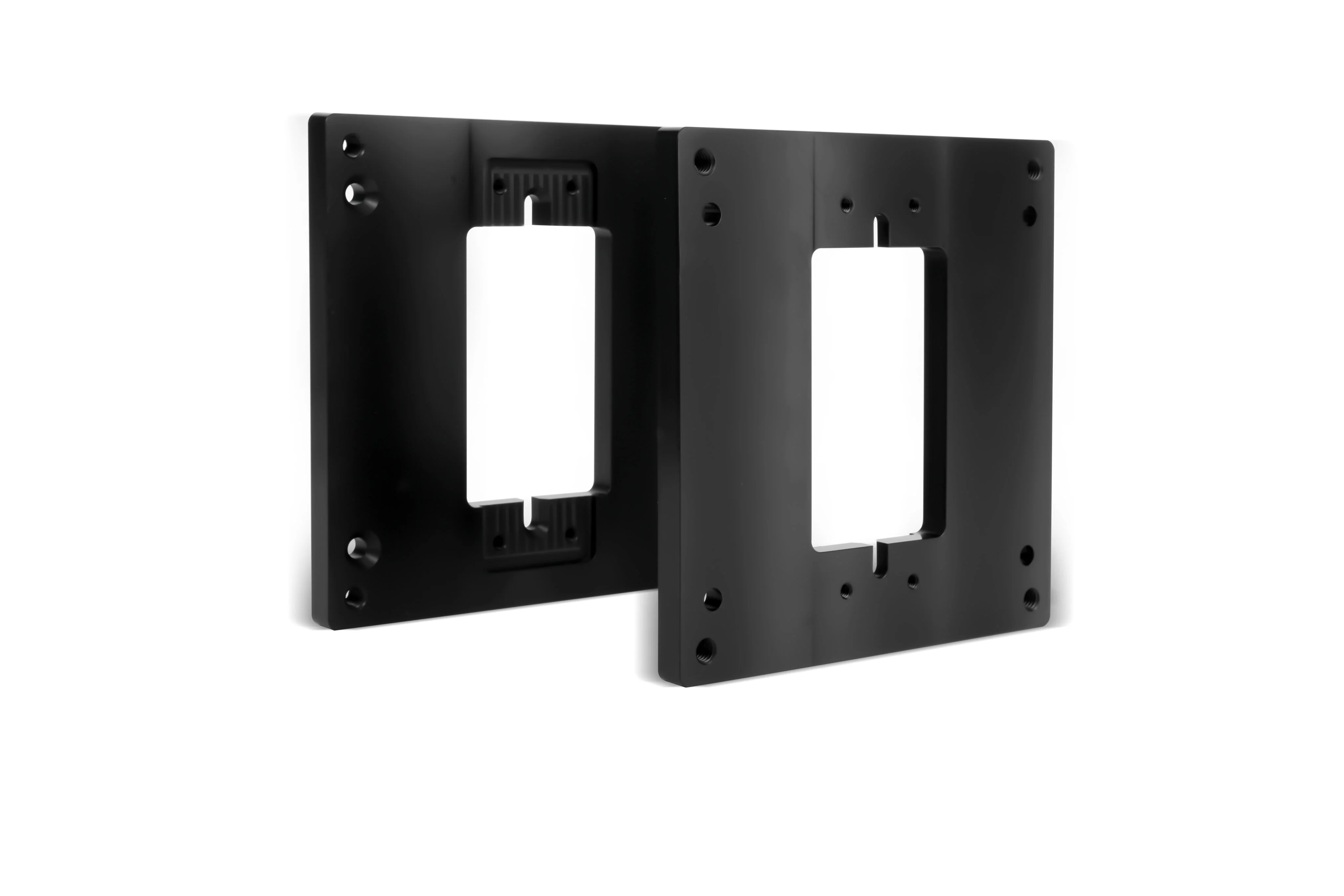
POM은 강도가 높고, 표면 마찰이 적으며 치수 안정성이 뛰어나, 기계 분야의 정밀 부품에 이상적입니다.
짙은 갈색 (커피색) POM 100AF
POM 블랙
POM 블루
POM 화이트

나일론은 다용도로 사용할 수 있고 강도가 높으며 마찰에 대한 내구성이 뛰어나, 주로 기어, 베어링 및 기타 내마모성 표면에 사용됩니다.
PA(나일론) 블루
PA6 (나일론)+GF15 검정색
PA6 (나일론)+GF30 검정색
PA66 (나일론) 베이지(내추럴)
PA66 (나일론) 검정색
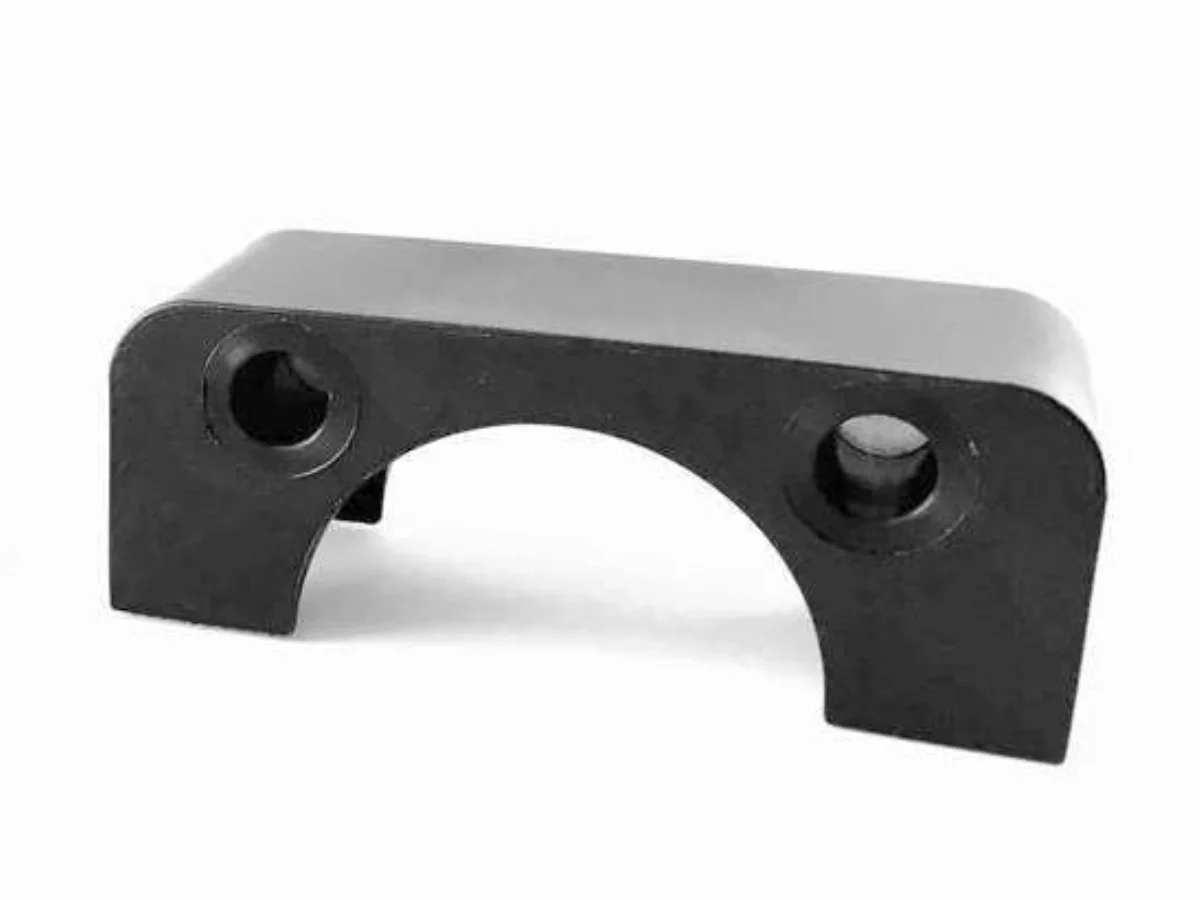
폴리에틸렌은 가볍고 내충격성이 뛰어나, 포장재 및 용기 분야에서 널리 사용됩니다.
PE 블랙
PE 화이트
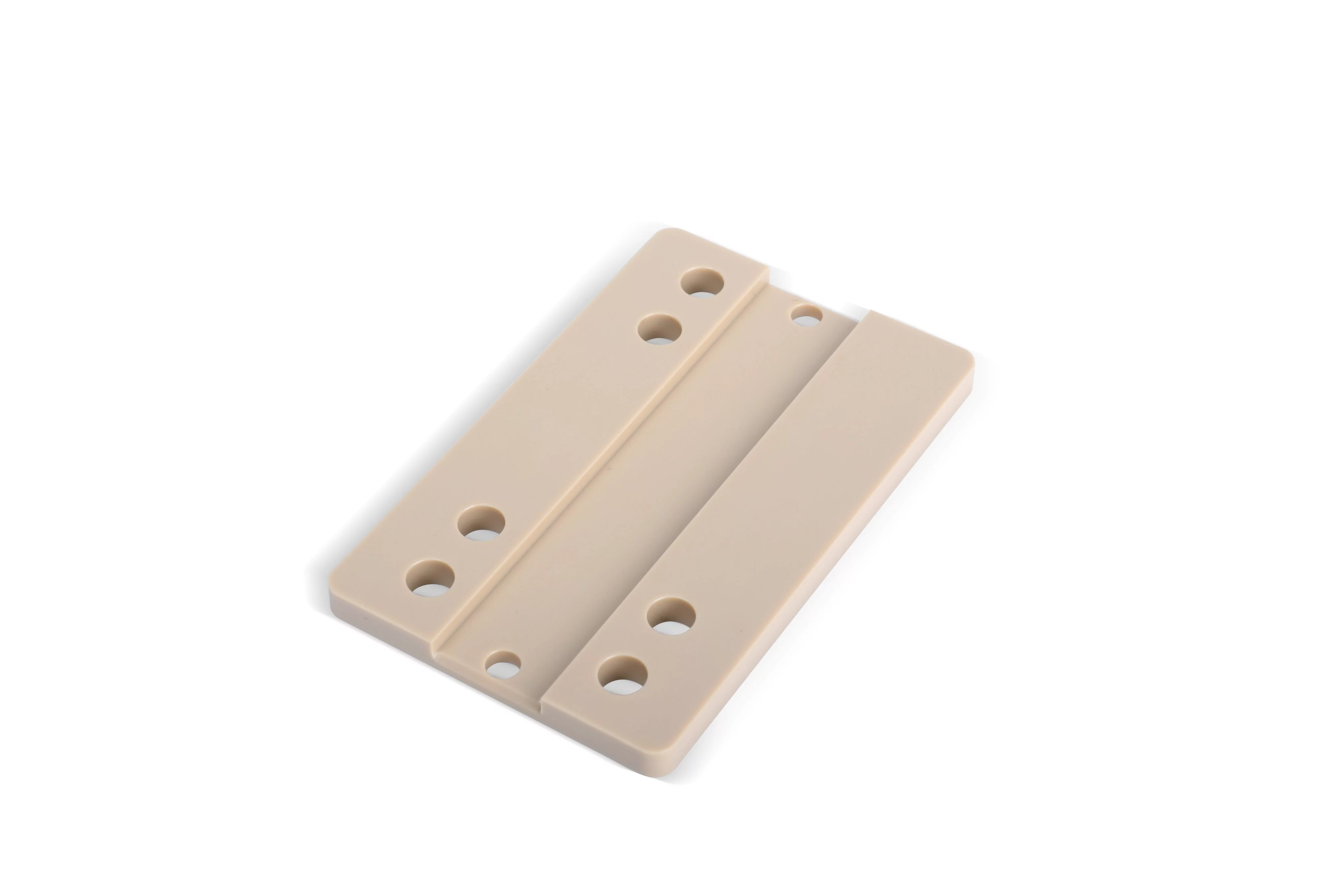
PEEK는 내열성과 강도가 뛰어난 것으로 잘 알려져 있으며, 주로 항공우주 및 의료용 임플란트 제조에 사용됩니다.
PEEK 베이지(내추럴)
PEEK 블랙

폴리프로필렌은 강도가 높고 내화학성이 뛰어나며, 자동차 부품, 용기 및 포장재 등에 사용됩니다.
PP 블랙
PP 화이트
PP+GF30 검정색

HDPE는 높은 강도-밀도 비율과 내충격성으로 잘 알려져 있으며, 병이나 부식 방지 배관 제조에 사용됩니다.
HDPE 검정색
HDPE 흰색

HIPS는 가공이 용이하며 치수 안정성과 내충격성이 뛰어나 시제품 제작 및 모델링에 적합합니다.
HIPS 보드 화이트

LDPE는 부드럽고 유연하며, 튜브나 비닐봉지 등 열 밀봉이 필요한 용도에 사용됩니다.
LDPE 흰색
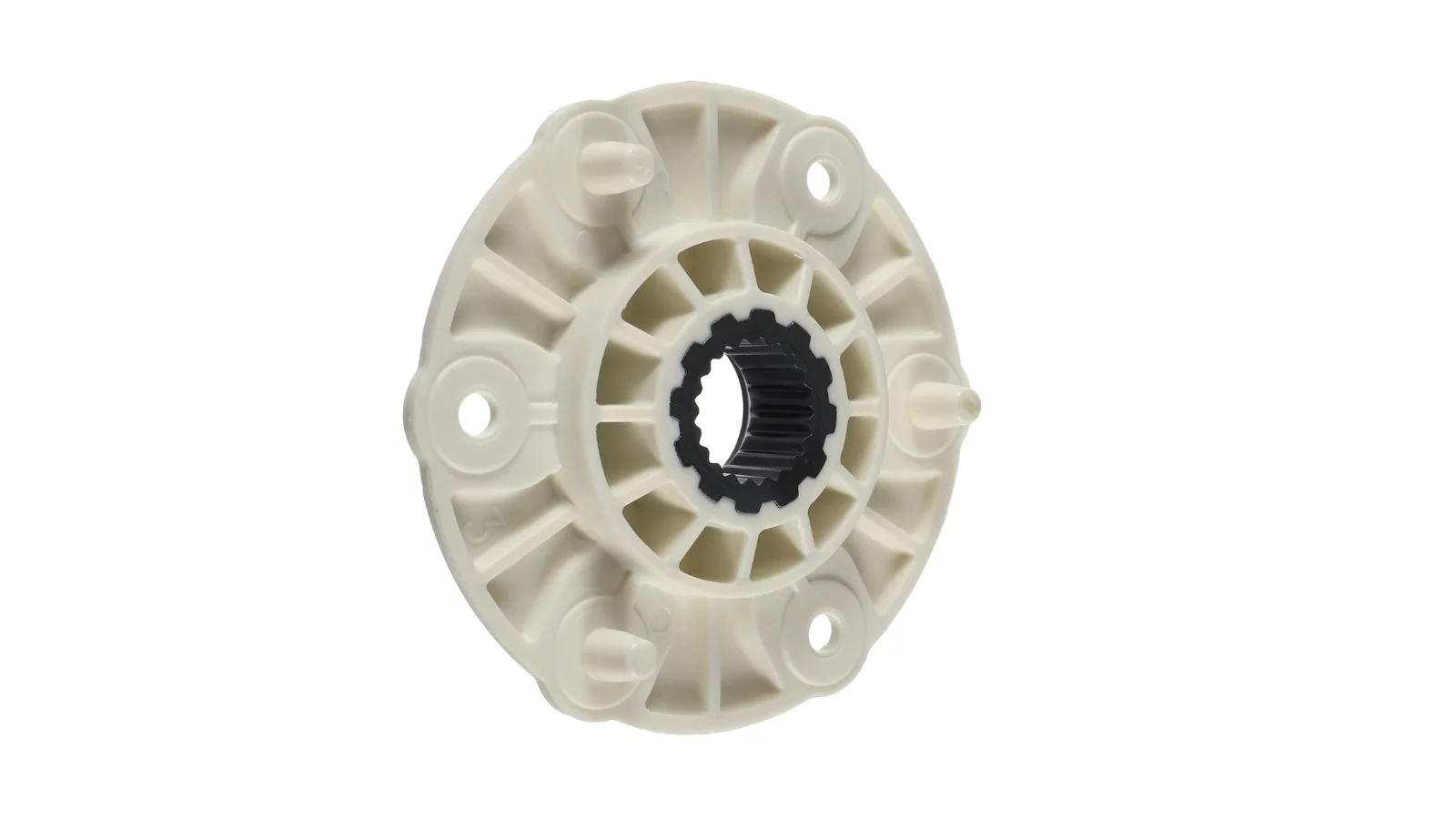
PBT는 내열성이 뛰어난 견고하고 단단한 플라스틱으로, 주로 전기 부품 및 케이스에 사용됩니다.
PBT 검정색
PBT 밀키 화이트(내추럴)
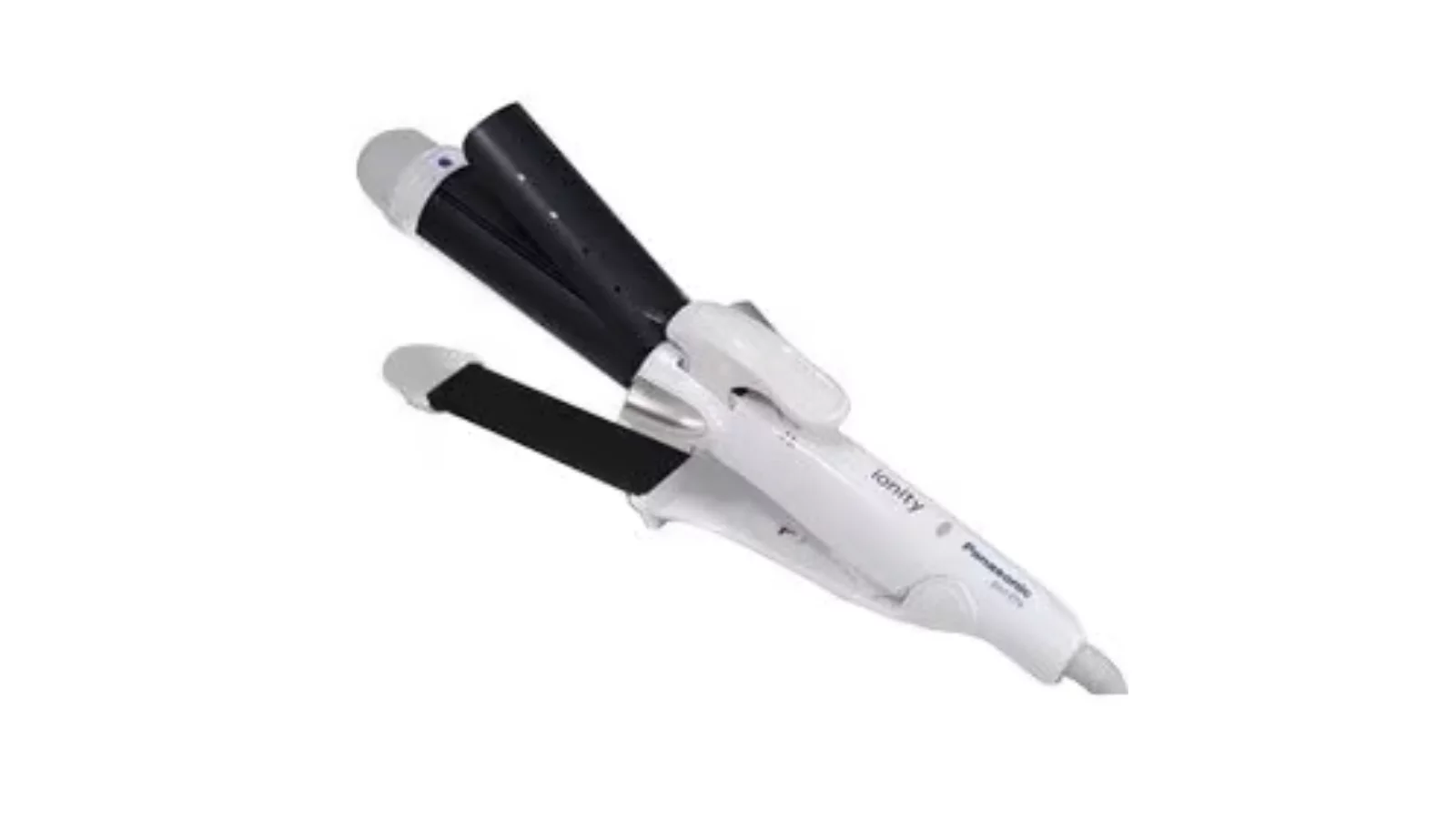
PPA는 뛰어난 내열성과 강성을 갖추고 있어, 고온 환경에서도 내구성이 요구되는 자동차 및 전기 분야에 이상적입니다.
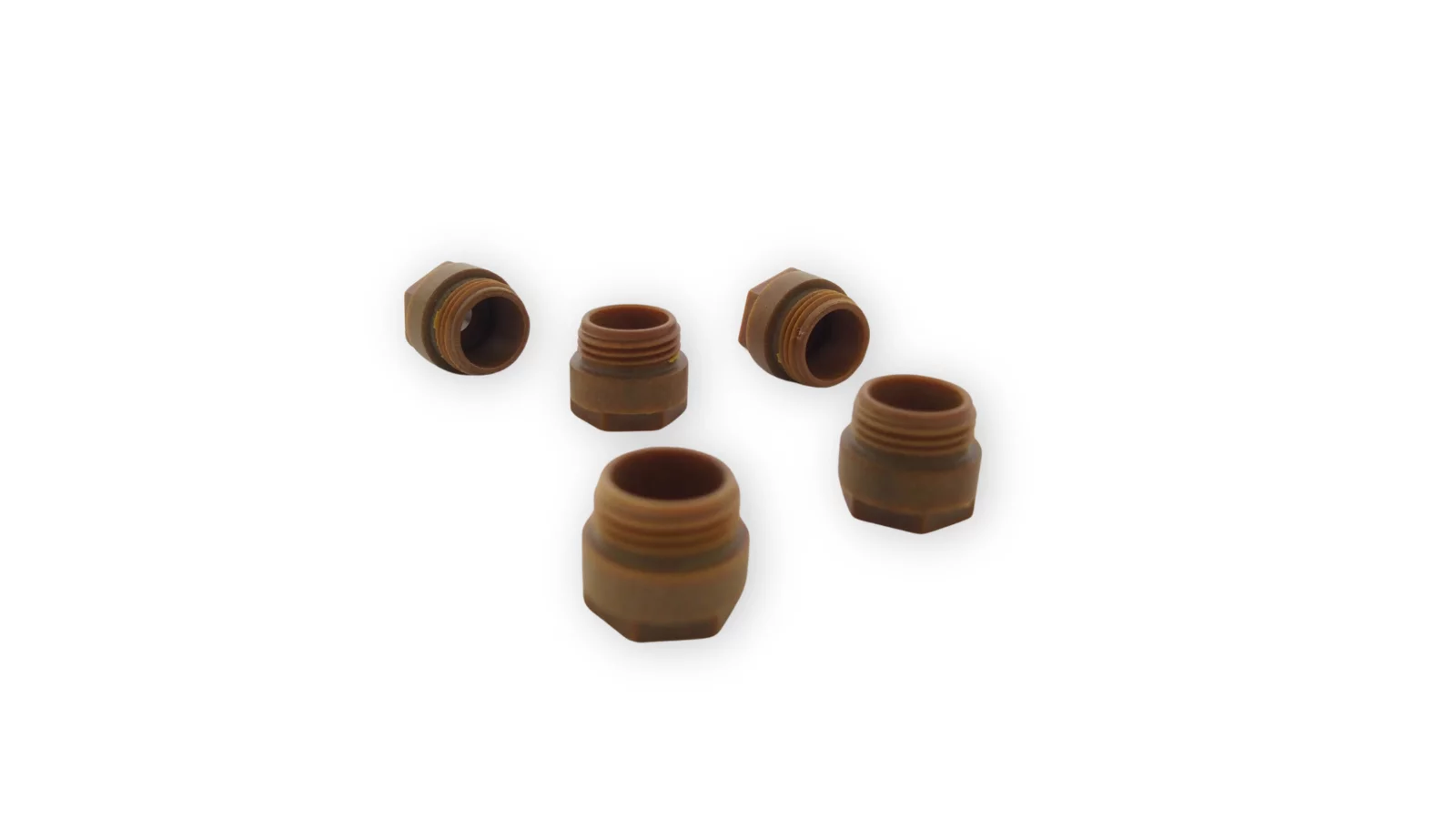
PAI는 뛰어난 열적 및 화학적 안정성을 갖추고 있어 항공우주 및 자동차 분야의 고성능 부품에 사용됩니다.
PAI 브라운
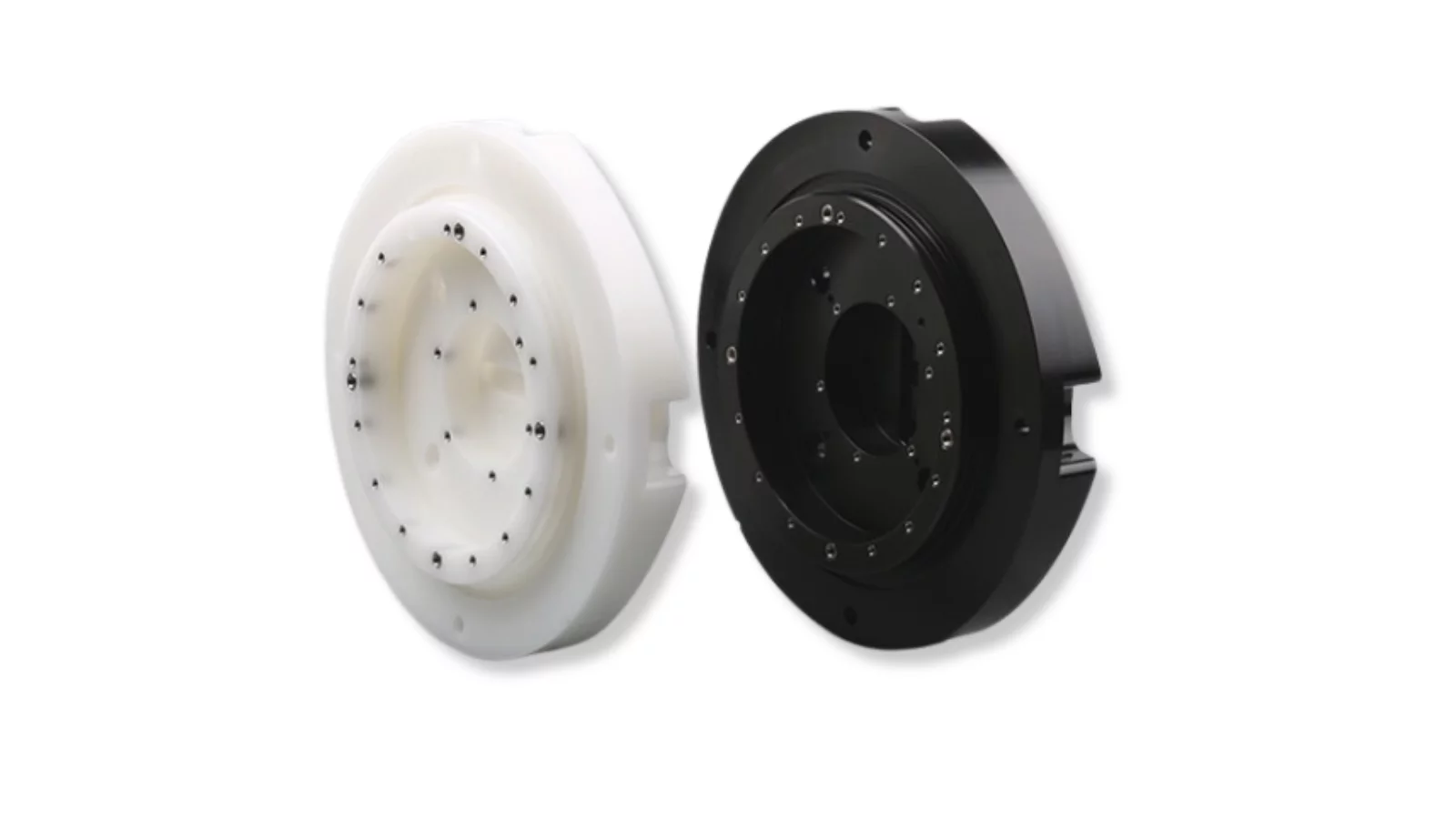
PET는 강도가 높고 습기 및 화학 물질에 대한 내성이 뛰어나며, 식품 용기 및 섬유 원사로 널리 사용됩니다.
PET 블랙
PET 화이트
PET+GF30 블랙
PET+GF30 화이트

PPS는 뛰어난 내화학성과 내열성을 갖추고 있어 자동차 및 항공우주 부품에 적합합니다.
PPS 블랙
PPS 화이트
PPS+GF30 블랙
PPS+GF30 화이트
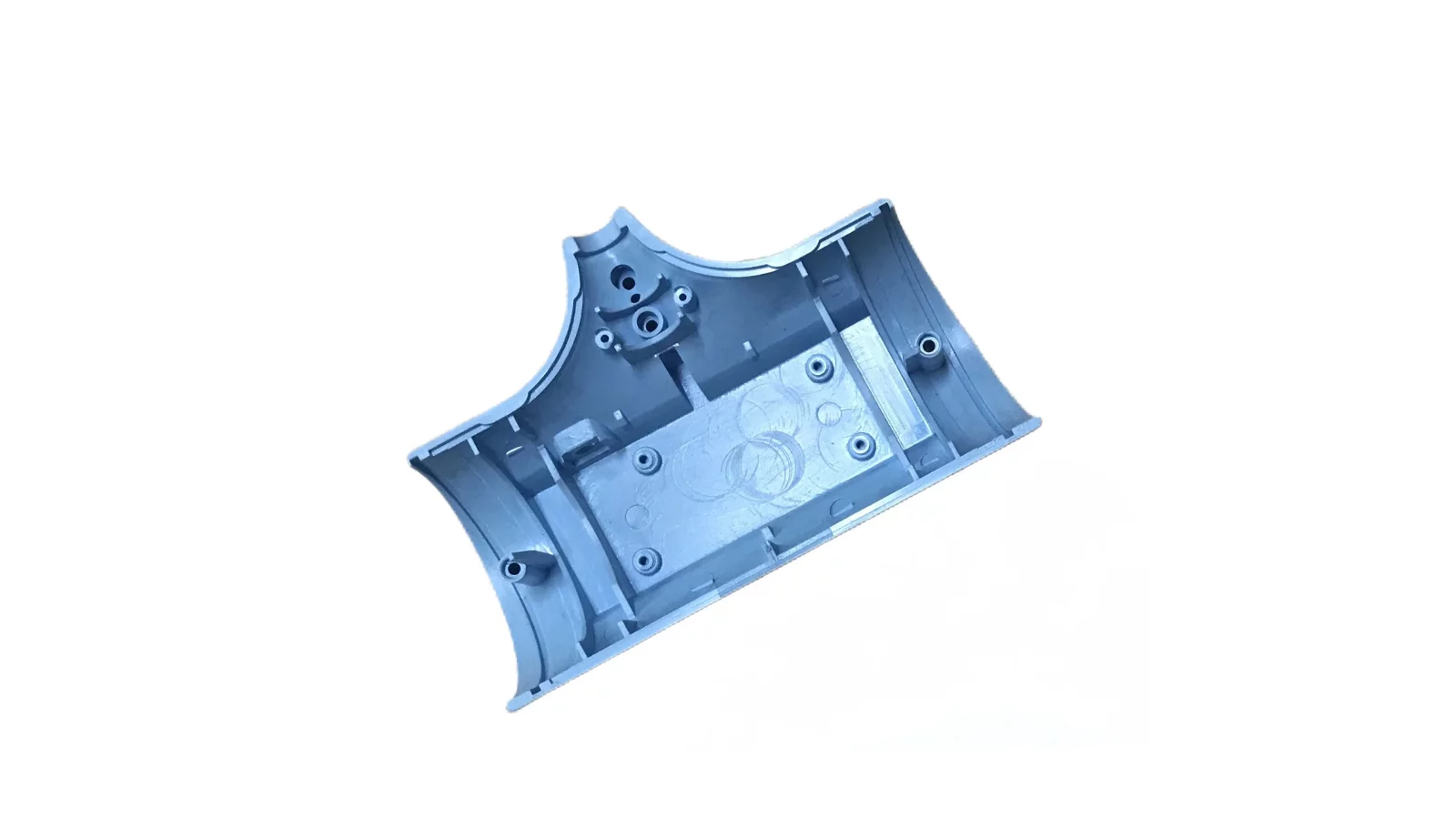
폴리스티렌은 가볍고 가공이 쉬워 모형, 시제품 및 강도가 높지 않아도 되는 용도에 사용됩니다.
PS 투명
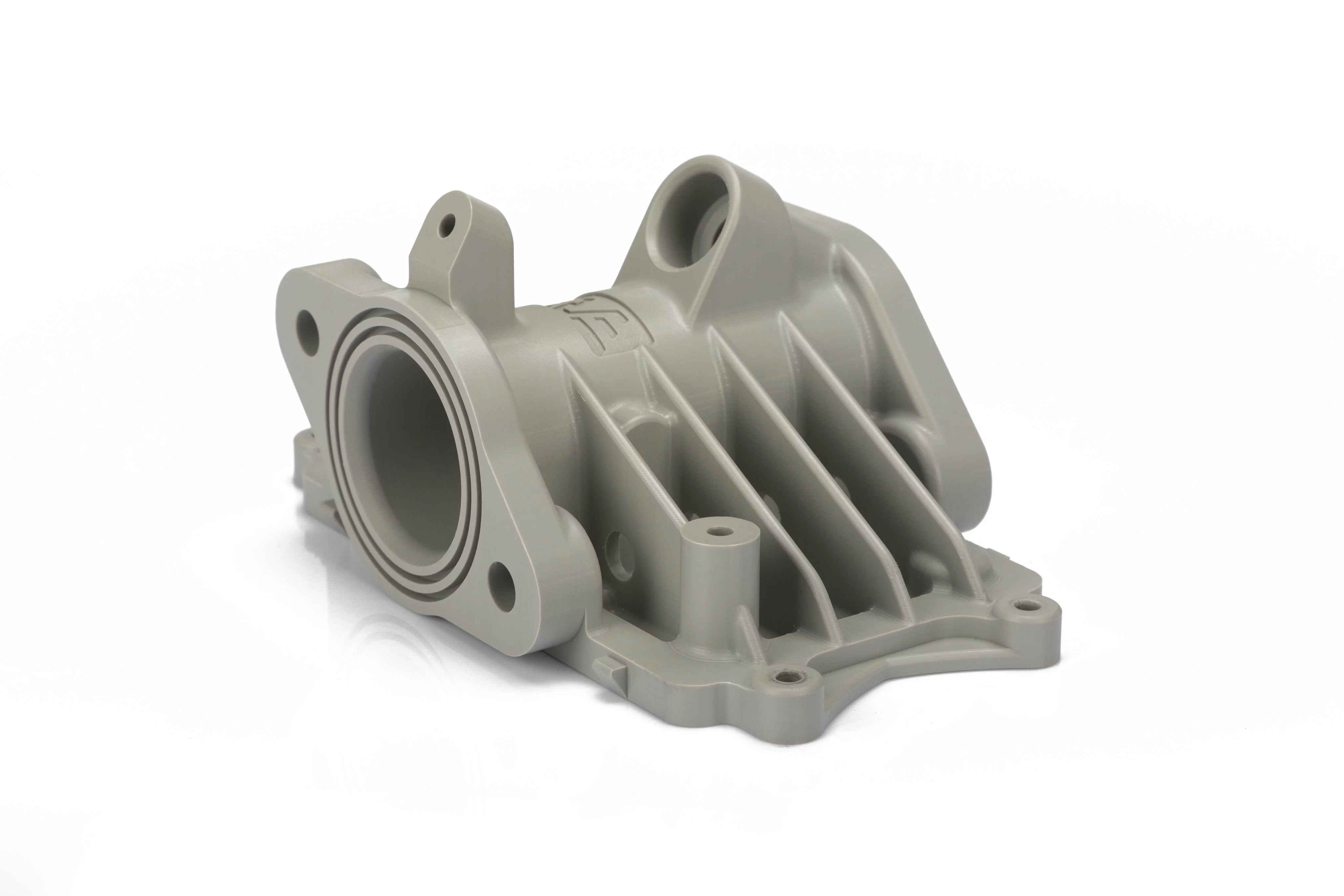
PVC는 내구성이 뛰어나고 가격이 저렴하며 내화학성이 우수하여 배관, 의료 기기 및 케이블 등에 사용됩니다.
PVC 회색

PTFE는 뛰어난 내화학성과 낮은 마찰 계수로 잘 알려져 있어, 비접착 코팅 및 개스킷에 이상적입니다.
테플론(PTFE) 검정색
테플론(PTFE) 흰색

UPE는 사슬 길이가 매우 길어 내구성이 뛰어난 소재로, 사일론 라이닝과 같이 마모가 심한 용도에 이상적입니다.
UPE 블랙
UPE 화이트

베이클라이트는 내열성이 뛰어나고 전기를 전도하지 않아 전기 절연체나 라디오 및 전화기 외장재로 사용하기에 안성맞춤입니다.
베이클라이트 블랙
베이클라이트 오렌지

FR-4는 난연성 소재로, 주로 전자 산업 분야에서 회로 기판 및 절연체로 사용됩니다.
FR-4 아쿠아 그린
FR-4 노란색
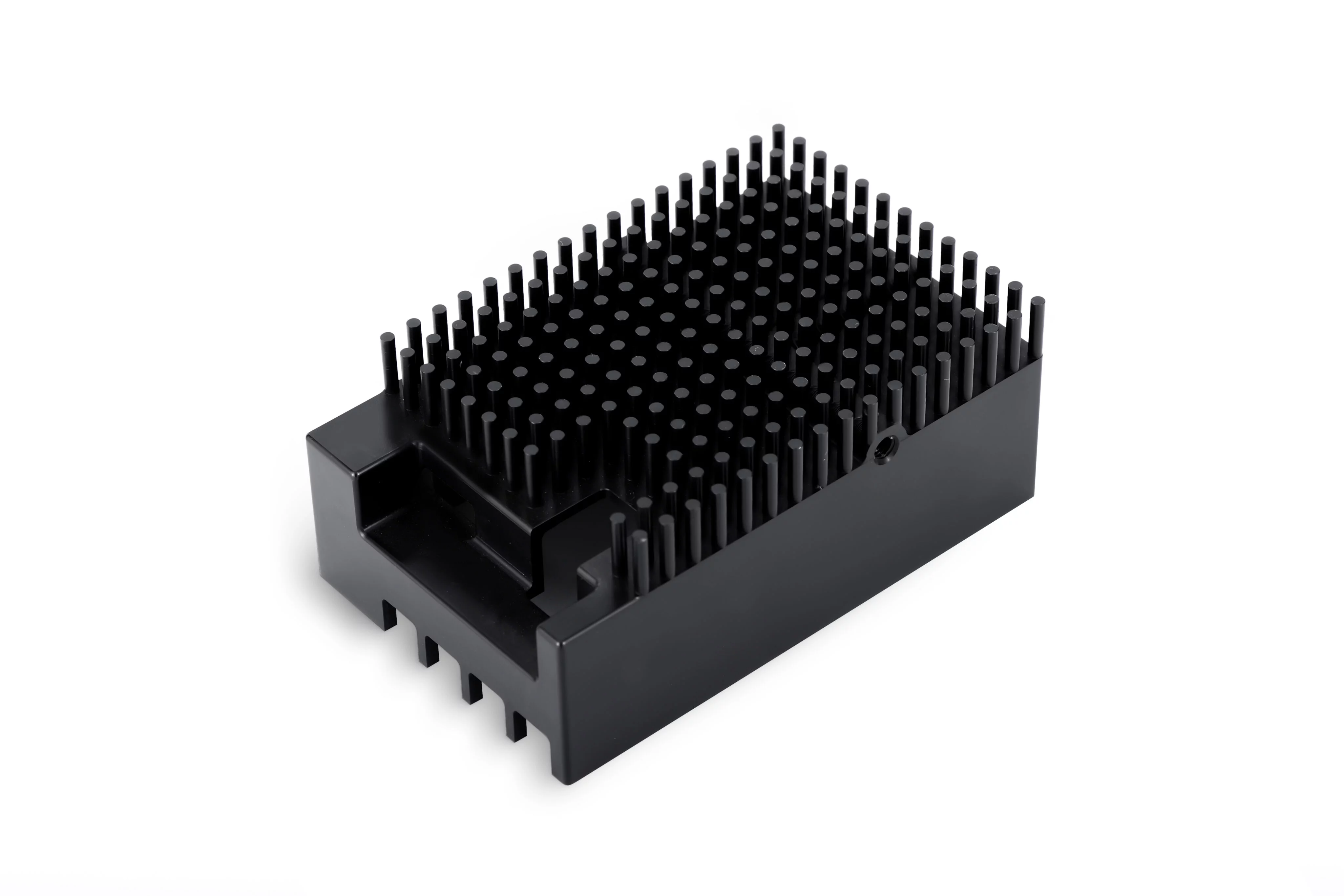
알루미늄은 가볍으면서도 강도가 높으며, 가공성이 뛰어나고 내식성이 우수합니다. 항공우주 및 자동차 부품에 이상적입니다.
합금
알루미늄 6061, 6061-T6
알루미늄 2024
알루미늄 5052
알루미늄 5083
알루미늄 6063
알루미늄 6082
알루미늄 7075, 7075-T6
알루미늄 ADC12 (A380)

구리는 뛰어난 전기 전도성과 열적 특성으로 잘 알려져 있어, 전기 부품과 열교환기에 사용하기에 안성맞춤입니다.
합금
구리 C101(T2)
구리 C103(T1)
구리 C103(TU2)
구리 C110(TU0)
베릴륨 구리

황동은 내구성이 뛰어나고 마찰 계수가 낮아, 정밀도가 요구되는 피팅, 공구 및 악기 제작에 적합합니다.
합금
황동 C27400
황동 C28000
황동 C36000

청동은 부식과 금속 피로에 대한 내성이 매우 뛰어나 베어링, 부싱 및 선박용 부품에 널리 사용됩니다.
합금
주석 청동
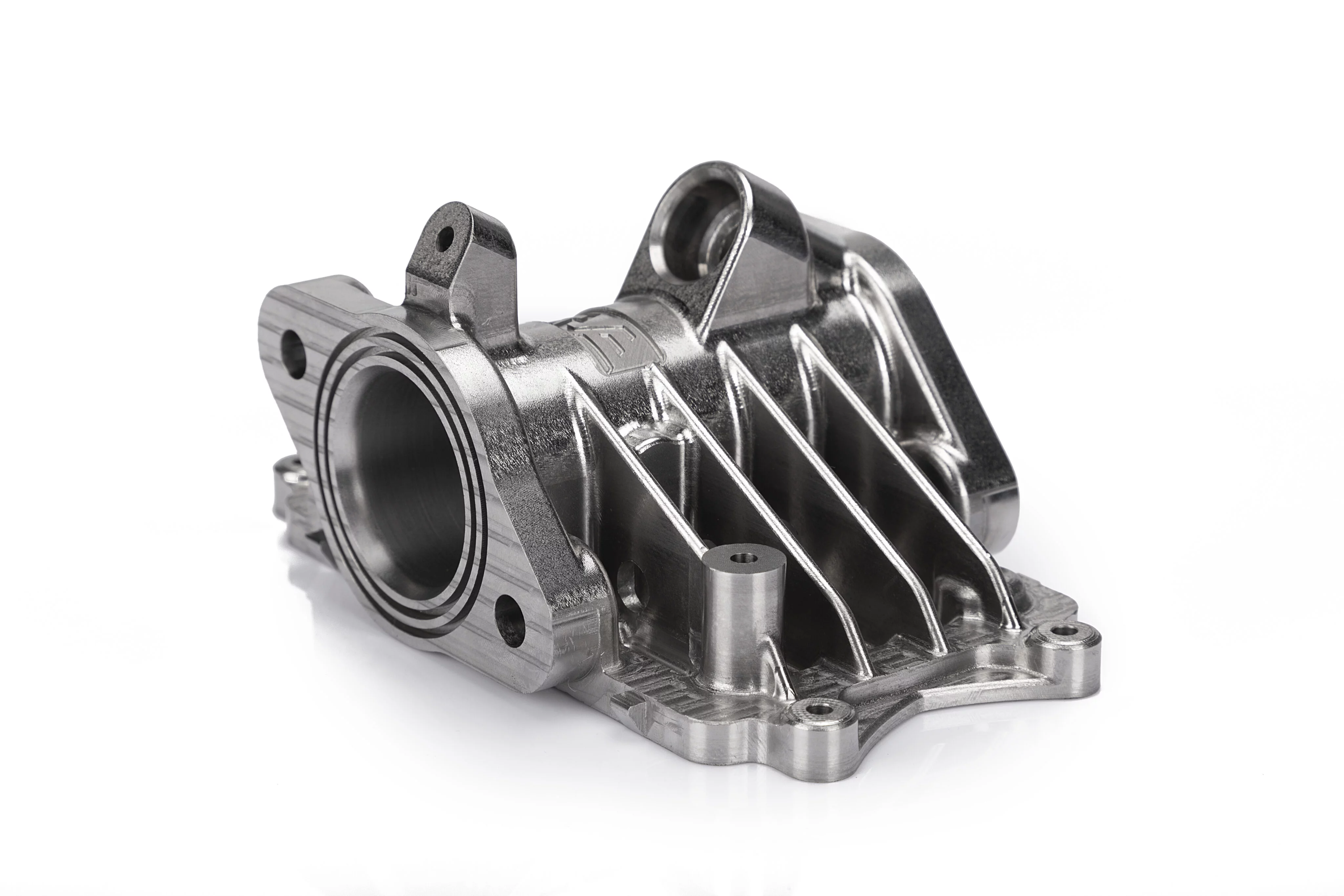
강철은 인장 강도와 내구성이 뛰어난 합금으로, 그 견고성 덕분에 건설 및 자동차 산업에서 널리 사용됩니다.
합금
강재 1018, 1020, 1025, 1045, 1215, 4130, 4140, 4340, 5140, A36
강철 다이
합금강
끌용 공구강
탄성강
고속강
냉간 압연 강판
베어링강
SPCC

스테인리스강은 내식성으로 잘 알려져 있어, 의료 기기 및 식품 가공 장비에 가장 선호되는 소재입니다.
합금
스테인리스강 SUS201
스테인리스강 SUS303
스테인리스강 SUS 304
스테인리스강 SUS316
스테인리스강 SUS316L
스테인리스강 SUS420
스테인리스강 SUS430
스테인리스강 SUS431
스테인리스강 SUS440C
스테인리스강 SUS630/17-4PH
스테인리스강 AISI 304
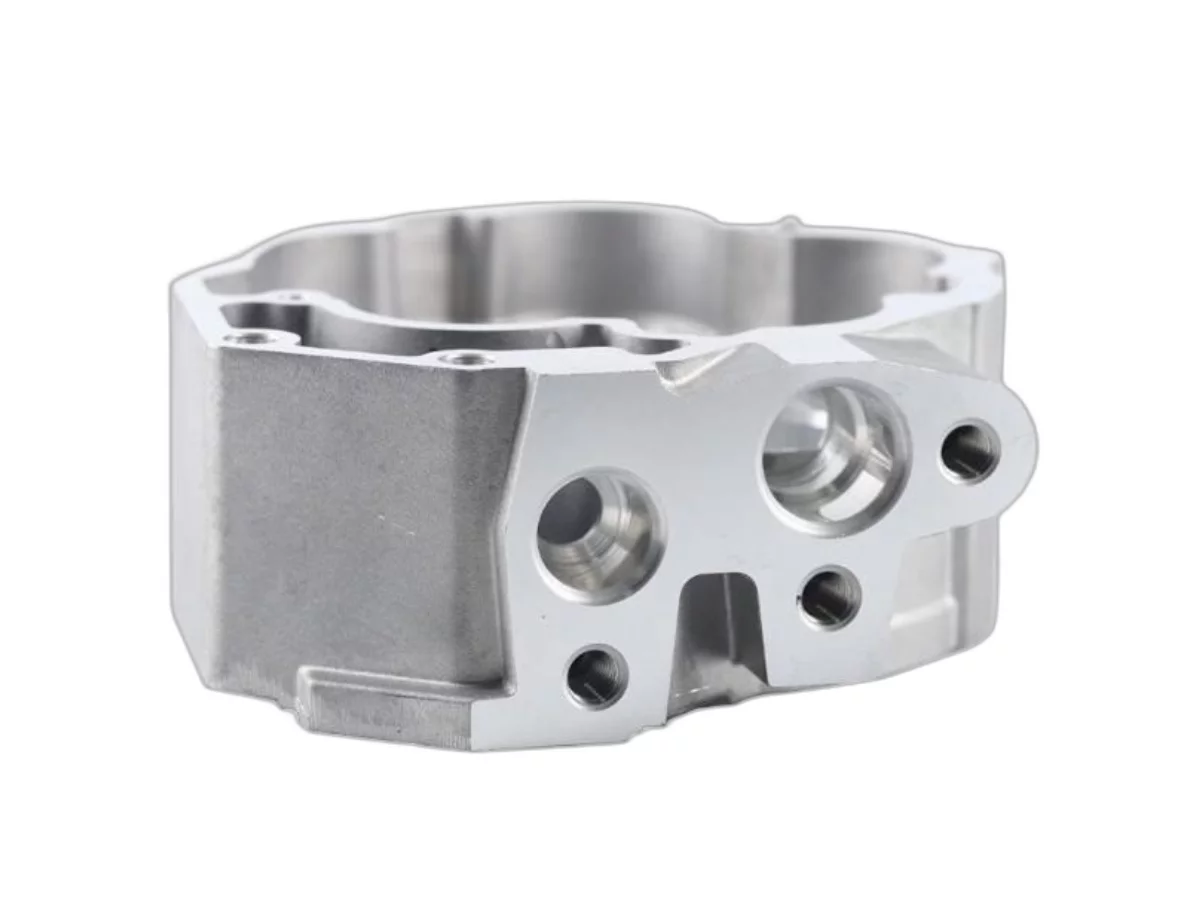
마그네슘은 가장 가벼운 구조용 금속으로, 높은 강도 대 중량 비율을 자랑하며, 중량이 중요한 자동차 및 항공우주 분야에 이상적입니다.
합금
마그네슘 합금 AZ31B
마그네슘 합금 AZ91D
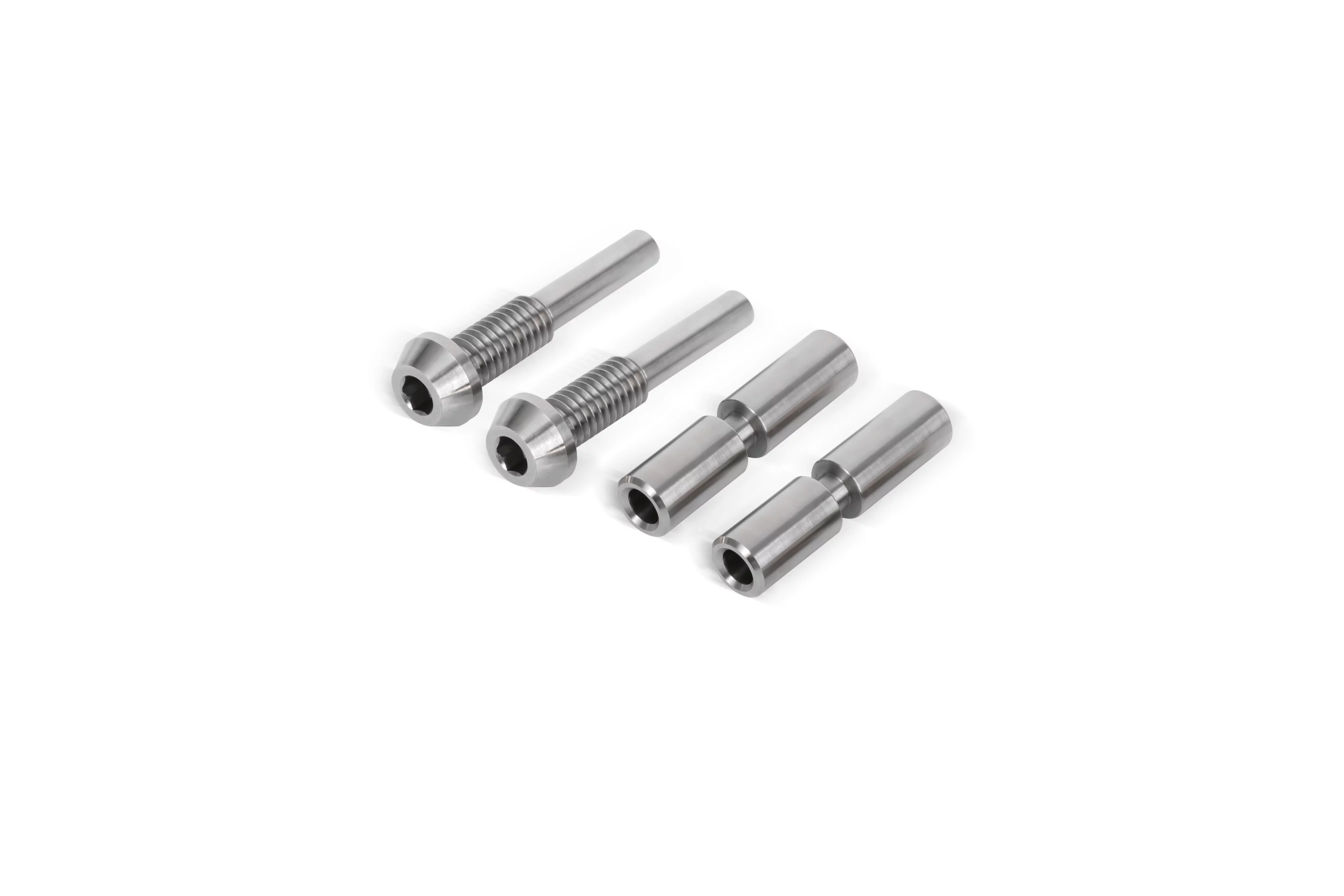
티타늄은 금속 중 가장 높은 강도-밀도 비율을 자랑하며, 부식과 피로에 대한 저항성이 매우 뛰어나 항공우주, 의료 및 해양 분야에 이상적입니다.
합금
티타늄 합금 TA1
티타늄 합금 TA2
티타늄 합금 TC4/Ti-6Al 4V
ABS는 강도가 높고 내구성이 뛰어나며, 내열성과 내충격성이 우수합니다. 따라서 자동차 부품 및 소비재 제조에 주로 사용됩니다.
ABS 베이지(내추럴)
ABS 블랙
ABS 블랙 정전기 방지
ABS 밀키 화이트
ABS+PC 블랙
ABS+PC 화이트
폴리카보네이트는 내구성이 매우 뛰어나고 내충격성이 높을 뿐만 아니라 투명도도 뛰어나 방탄유리나 보호 장비에 사용됩니다.
PC 블랙
PC 투명
PC 화이트
PC 황백색
PC+GF30 블랙

PMMA, 즉 아크릴은 수정처럼 맑은 투명도와 내후성으로 잘 알려져 있어 야외 조명 기구나 진열장에 사용하기에 이상적입니다.
PMMA 검정색
PMMA 투명
PMMA 화이트
POM은 강도가 높고, 표면 마찰이 적으며 치수 안정성이 뛰어나, 기계 분야의 정밀 부품에 이상적입니다.
짙은 갈색 (커피색) POM 100AF
POM 블랙
POM 블루
POM 화이트
나일론은 다용도로 사용할 수 있고 강도가 높으며 마찰에 대한 내구성이 뛰어나, 주로 기어, 베어링 및 기타 내마모성 표면에 사용됩니다.
PA(나일론) 블루
PA6 (나일론)+GF15 검정색
PA6 (나일론)+GF30 검정색
PA66 (나일론) 베이지(내추럴)
PA66 (나일론) 검정색
폴리에틸렌은 가볍고 내충격성이 뛰어나, 포장재 및 용기 분야에서 널리 사용됩니다.
PE 블랙
PE 화이트
PEEK는 내열성과 강도가 뛰어난 것으로 잘 알려져 있으며, 주로 항공우주 및 의료용 임플란트 제조에 사용됩니다.
PEEK 베이지(내추럴)
PEEK 블랙
폴리프로필렌은 강도가 높고 내화학성이 뛰어나며, 자동차 부품, 용기 및 포장재 등에 사용됩니다.
PP 블랙
PP 화이트
PP+GF30 검정색
HDPE는 높은 강도-밀도 비율과 내충격성으로 잘 알려져 있으며, 병이나 부식 방지 배관 제조에 사용됩니다.
HDPE 검정색
HDPE 흰색
HIPS는 가공이 용이하며 치수 안정성과 내충격성이 뛰어나 시제품 제작 및 모델링에 적합합니다.
HIPS 보드 화이트
LDPE는 부드럽고 유연하며, 튜브나 비닐봉지 등 열 밀봉이 필요한 용도에 사용됩니다.
LDPE 흰색
PBT는 내열성이 뛰어난 견고하고 단단한 플라스틱으로, 주로 전기 부품 및 케이스에 사용됩니다.
PBT 검정색
PBT 밀키 화이트(내추럴)
PPA는 뛰어난 내열성과 강성을 갖추고 있어, 고온 환경에서도 내구성이 요구되는 자동차 및 전기 분야에 이상적입니다.

PAI는 뛰어난 열적 및 화학적 안정성을 갖추고 있어 항공우주 및 자동차 분야의 고성능 부품에 사용됩니다.
PAI 브라운
PET는 강도가 높고 습기 및 화학 물질에 대한 내성이 뛰어나며, 식품 용기 및 섬유 원사로 널리 사용됩니다.
PET 블랙
PET 화이트
PET+GF30 블랙
PET+GF30 화이트
PPS는 뛰어난 내화학성과 내열성을 갖추고 있어 자동차 및 항공우주 부품에 적합합니다.
PPS 블랙
PPS 화이트
PPS+GF30 블랙
PPS+GF30 화이트
폴리스티렌은 가볍고 가공이 쉬워 모형, 시제품 및 강도가 높지 않아도 되는 용도에 사용됩니다.
PS 투명
PVC는 내구성이 뛰어나고 가격이 저렴하며 내화학성이 우수하여 배관, 의료 기기 및 케이블 등에 사용됩니다.
PVC 회색
PTFE는 뛰어난 내화학성과 낮은 마찰 계수로 잘 알려져 있어, 비접착 코팅 및 개스킷에 이상적입니다.
테플론(PTFE) 검정색
테플론(PTFE) 흰색
UPE는 사슬 길이가 매우 길어 내구성이 뛰어난 소재로, 사일론 라이닝과 같이 마모가 심한 용도에 이상적입니다.
UPE 블랙
UPE 화이트
베이클라이트는 내열성이 뛰어나고 전기를 전도하지 않아 전기 절연체나 라디오 및 전화기 외장재로 사용하기에 안성맞춤입니다.
베이클라이트 블랙
베이클라이트 오렌지
FR-4는 난연성 소재로, 주로 전자 산업 분야에서 회로 기판 및 절연체로 사용됩니다.
FR-4 아쿠아 그린
FR-4 노란색
알루미늄은 가볍으면서도 강도가 높으며, 가공성이 뛰어나고 내식성이 우수합니다. 항공우주 및 자동차 부품에 이상적입니다.
합금
알루미늄 6061, 6061-T6
알루미늄 2024
알루미늄 5052
알루미늄 5083
알루미늄 6063
알루미늄 6082
알루미늄 7075, 7075-T6
알루미늄 ADC12 (A380)
구리는 뛰어난 전기 전도성과 열적 특성으로 잘 알려져 있어, 전기 부품과 열교환기에 사용하기에 안성맞춤입니다.
합금
구리 C101(T2)
구리 C103(T1)
구리 C103(TU2)
구리 C110(TU0)
베릴륨 구리
황동은 내구성이 뛰어나고 마찰 계수가 낮아, 정밀도가 요구되는 피팅, 공구 및 악기 제작에 적합합니다.
합금
황동 C27400
황동 C28000
황동 C36000
청동은 부식과 금속 피로에 대한 내성이 매우 뛰어나 베어링, 부싱 및 선박용 부품에 널리 사용됩니다.
합금
주석 청동
강철은 인장 강도와 내구성이 뛰어난 합금으로, 그 견고성 덕분에 건설 및 자동차 산업에서 널리 사용됩니다.
합금
강재 1018, 1020, 1025, 1045, 1215, 4130, 4140, 4340, 5140, A36
강철 다이
합금강
끌용 공구강
탄성강
고속강
냉간 압연 강판
베어링강
SPCC
스테인리스강은 내식성으로 잘 알려져 있어, 의료 기기 및 식품 가공 장비에 가장 선호되는 소재입니다.
합금
스테인리스강 SUS201
스테인리스강 SUS303
스테인리스강 SUS 304
스테인리스강 SUS316
스테인리스강 SUS316L
스테인리스강 SUS420
스테인리스강 SUS430
스테인리스강 SUS431
스테인리스강 SUS440C
스테인리스강 SUS630/17-4PH
스테인리스강 AISI 304
마그네슘은 가장 가벼운 구조용 금속으로, 높은 강도 대 중량 비율을 자랑하며, 중량이 중요한 자동차 및 항공우주 분야에 이상적입니다.
합금
마그네슘 합금 AZ31B
마그네슘 합금 AZ91D
티타늄은 금속 중 가장 높은 강도-밀도 비율을 자랑하며, 부식과 피로에 대한 저항성이 매우 뛰어나 항공우주, 의료 및 해양 분야에 이상적입니다.
합금
티타늄 합금 TA1
티타늄 합금 TA2
티타늄 합금 TC4/Ti-6Al 4V
고품질의 혜택을 누리세요 표면 마감 미관상의 결함을 제거하고 제품의 외관을 개선하기 위한 맞춤형 CNC 밀링 가공 부품을 제공합니다. 또한 우수한 표면 마감 처리를 통해 부품에 견고한 보호 기능과 추가적인 내구성 및 강도를 부여합니다.
CNC milling tolerances define how precisely part dimensions are
controlled during machining.
Our precision CNC milling
services follow ISO 2768-m for metals and ISO 2768-c for plastics, delivering stable, repeatable
dimensional accuracy across 3-axis, 4-axis, and 5-axis CNC milling.
| 3-Axis | 4-Axis | 5-Axis | |
|---|---|---|---|
| 최대 부품 크기 | 3-Axis 1000 x 500 x 500 mm | 4-Axis 1000 x 500 x 500 mm | 5-Axis 4000×1500×600 mm |
| 최소 부품 크기 | 3-Axis 5 x 5 x 5 mm | 4-Axis 5 x 5 x 5 mm | 5-Axis 5 x 5 x 5 mm |
| 일반 공차 | 3-Axis ±0.1 mm | 4-Axis ±0.1 mm | 5-Axis ±0.05 mm |
| 리드 타임 | 3-Axis Delivery of simple parts can be as fast as 1 day. | 4-Axis 5 bussiness days for most projects. | 5-Axis 5 bussiness days for most projects. |
| 권장 사이즈 | |
|---|---|
| 반지름 | Recommended Size Internal radii should be at least 1/3 of the cavity depth. Use larger radii whenever possible. |
| 나사산 및 나사 구멍 | Recommended
Size Diameter Φ 1.5-5 mm,
depth: 3 times the diameter. Diameter Φ 5 mm or larger, depth: 4-6 times the diameter. YP-MFG can produce threads of any specification and size as required by the customer. |
| Minumum Wall Thickness | Recommended Size For metals: 0.8 mm; For plastics: 1.5 mm. Thicker walls ensure better structural integrity. |
| 텍스트 | Recommended
Size CNC Milling: Minimum
width of 0.5 mm and depth of 0.1 mm. YP-MFG can create standard text via CNC engraving or laser engraving as per customer requirements. |
| 구멍 | Recommended Size Minimum diameter of 1 mm. Hole depth should not exceed 4 times the diameter for best results. |
Upload your CAD files and receive an instant CNC milling quote, lead time estimate, and free manufacturability feedback from our engineering team. We’ll identify potential machining issues before production to help you reduce costs and improve part quality.
Our precision CNC milling services with tolerances as tight as
±0.01 mm.
Our
advanced CNC milling machines ensure consistent accuracy for custom metal and plastic
parts.
As a factory-direct CNC milling service supplier, we reduce lead
times without compromising quality.
Simple CNC milled parts can be delivered in as fast as 1 day.
As an experienced CNC milling company, our engineers provide DFM feedback and machining guidance to optimize designs for cuostom CNC milling services, helping reduce cost and improve manufacturability.
CNC milling uses computer-controlled rotating cutting tools to remove material from a stationary workpiece. By moving the cutting tool or workpiece along multiple axes, CNC milling produces flat surfaces, pockets, slots, holes, contours, and complex 3D geometries with high precision. It is widely used for prototypes, functional components, molds, fixtures, and production parts across various industries.
| 단계 | 무슨 일이 일어나는지 |
|---|---|
| 1 |
CAD Review |
| 2 | Machine
Setup The workpiece is securely clamped onto the machine table, cutting tools are installed, and the CNC program is loaded and verified. |
| 3 | Milling
& Inspection Rotating cutting tools remove material according to the programmed toolpaths. Finished parts are inspected to verify dimensions, tolerances, and surface quality before delivery. |
CNC milling offers numerous advantages for manufacturing:
CNC milling is widely used to produce a variety of precision parts and components:
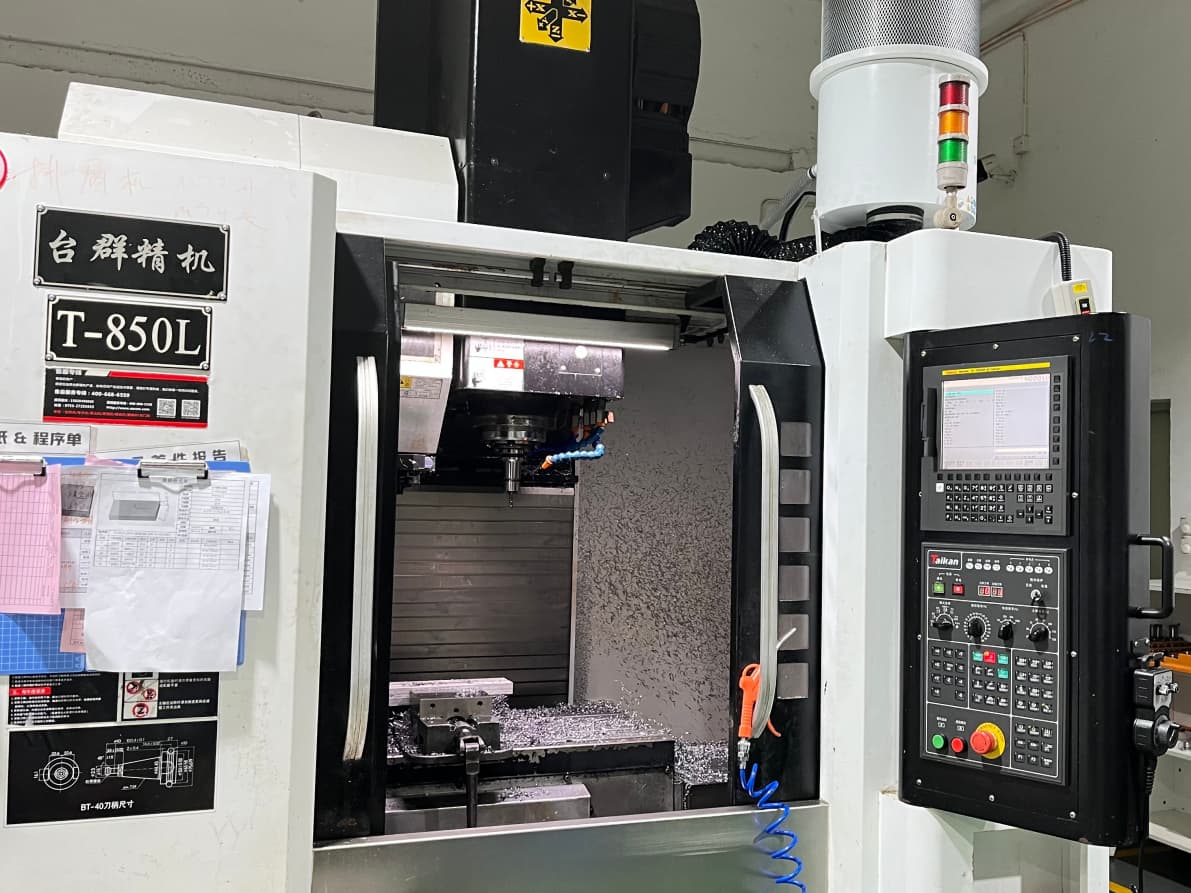
At YP-MFG, we have a variety of CNC milling machines to meet diverse manufacturing needs. Our inventory includes 3-axis, 4-axis, and 5-axis CNC milling machines.
The 3-axis machines are perfect for simple operations, handling basic cutting tasks along the X, Y, and Z axes.
Our 4-axis machines add an extra rotational axis, allowing for more complex geometries and more efficient production of parts with features that require continuous machining around a fourth axis.
Finally, our advanced 5-axis CNC milling machines offer the highest level of precision and versatility, enabling the creation of intricate parts with complex shapes and angles.
These machines are capable of machining in five different axes simultaneously, reducing the need for multiple setups and ensuring exceptional accuracy and quality in every component we produce.
Our CNC milling tolerances depend on machine type, material, and part geometry.
Standard tolerances follow ISO 2768-m (metals) 그리고 ISO 2768-c (plastics)
Typical general tolerances: ±0.1 mm
High-precision 5-axis milling can achieve tolerances as tight as ±0.01 mm for critical features
For tighter tolerances, we recommend specifying requirements directly on the drawing so our engineers can optimize tooling, inspection, and cost.
3-axis milling is ideal for simple geometries and flat features
4-axis milling enables machining around multiple sides with fewer setups
5-axis milling is best for complex geometries, tight tolerances, and parts requiring multi-angle machining
Choosing the right axis configuration can significantly reduce lead time and improve accuracy.
Lead times depend on part complexity and machining axis:
Simple 3-axis parts can be delivered in as fast as 1 day
Most CNC milling projects are completed within 5 business days
Expedited options are available for urgent production needs.
CNC milling is ideal for complex geometries, slots, pockets, and contours, while CNC turning is best suited for cylindrical parts such as shafts and bushings.
If your part includes both rotational and prismatic features, combining milling and turning may be the most efficient solution.
CNC 밀링 is a subtractive manufacturing process where material is removed from a solid block using rotating cutting tools controlled by computer programs.
CNC milling is widely used to produce precision parts with complex geometries, tight tolerances, and consistent quality. It supports multi-axis machining (3-axis, 4-axis, and 5-axis), allowing features such as pockets, slots, holes, and complex contours to be machined efficiently.
At YP-MFG, CNC milling is commonly used for functional prototypes, low-volume production, and end-use parts across industries such as automotive, aerospace, and industrial equipment.
A CNC milling machine consists of several key components that work together to achieve precise machining results. The machine base provides structural stability, while the spindle rotates cutting tools at high speed to remove material. The worktable securely holds the workpiece and moves along the X, Y, and Z axes. Other essential components include the CNC controller, which interprets machining programs, the tool holder, automatic tool changer (ATC), coolant system, and workholding fixtures. Each component plays an important role in maintaining machining accuracy, surface quality, and production efficiency.
Design for Manufacturability (DFM) focuses on creating parts that are easier and more economical to machine. Simple design changes—such as increasing internal corner radii, avoiding deep pockets, maintaining adequate wall thickness, and specifying standard hole sizes—can significantly reduce machining time and tooling requirements. Applying realistic tolerances only where necessary also lowers inspection costs. Optimizing a design before production not only reduces manufacturing costs but also improves part quality and shortens lead times.