Korean
  English
  German
  Russian
  Japanese
  Spanish
  French
  Italian
  Portuguese
 CNC machine codes are the numeric and alphabetic instructions that tell a computer-controlled machine tool exactly what to do. The two core families are G-코드 (geometry, feed rates, tool changes) and M-code (auxiliary functions like coolant, spindle stop, program end). Every CNC 가공 operation on the shop floor is driven by these codes. If you are a buyer reviewing a program or specifying a part, understanding the basic structure helps you catch errors early and communicate more precisely with your machinist. The codes follow an ISO standard, but syntax varies between controllers, so always confirm dialect compatibility.
Most buyers never read a line of G-code. Yet when a 맞춤형 CNC 부품 drawing goes to production, the entire process hinges on how well those codes are written and verified. A single missing M-code can stop the spindle mid-cut. A wrong G-code sequence can shift a dimension past your 허용 오차 사양 by microns. The risk is real, and it sits on the supplier’s programming side.
What Are CNC Machine Codes?
G-code controls the motion of the cutting tool. It defines linear movement (G00, G01), circular interpolation (G02, G03), feed rates, and tool offsets. Each block in the program is a self-contained instruction the controller reads and executes.
M-code handles everything the G-codes do not. This includes starting or stopping the spindle, turning coolant on or off, selecting tools, and signaling the end of a program. Without M-codes, the machine would position but never cut.
Together, CNC 프로그래밍 combines both families into a complete instruction set. The result is a file—often .nc, .tap, or .gcode—that the controller reads line by line during each cycle.
How These Codes Drive the Production Floor
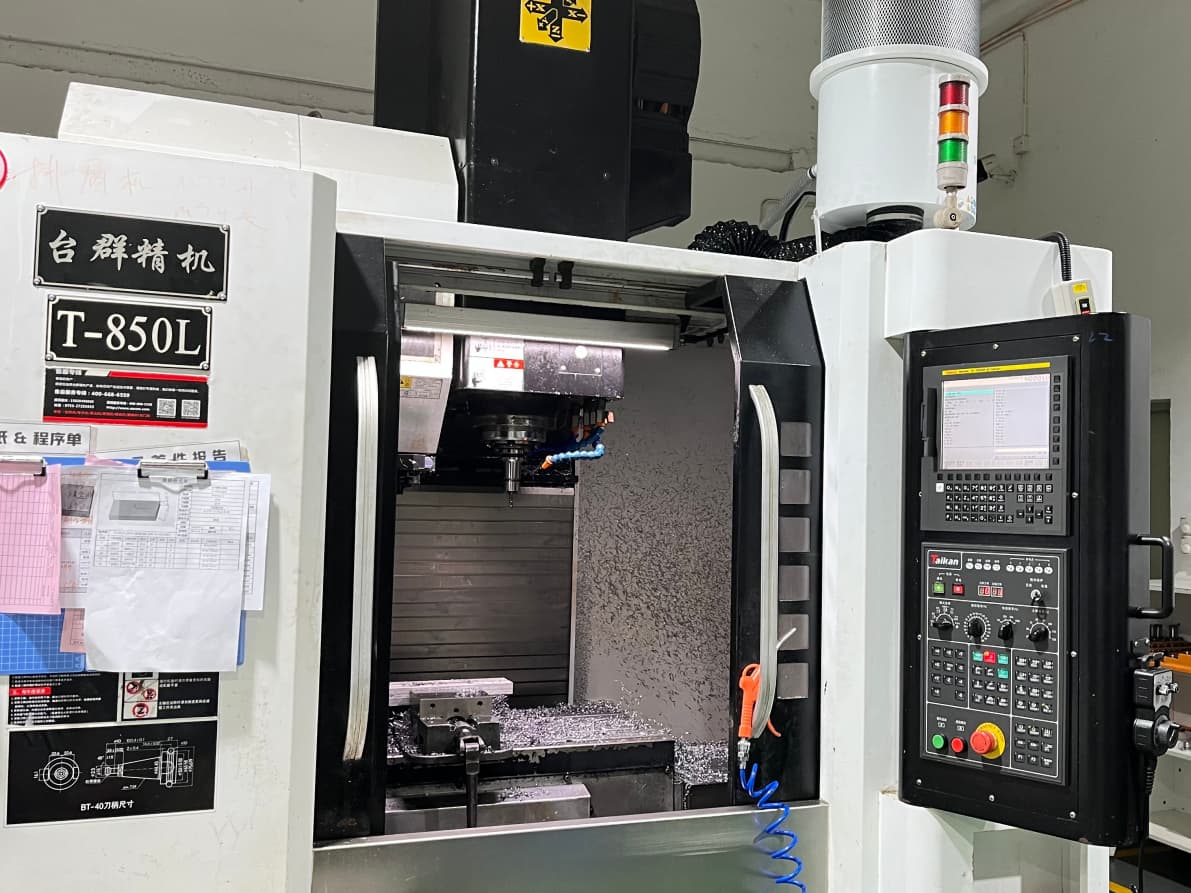
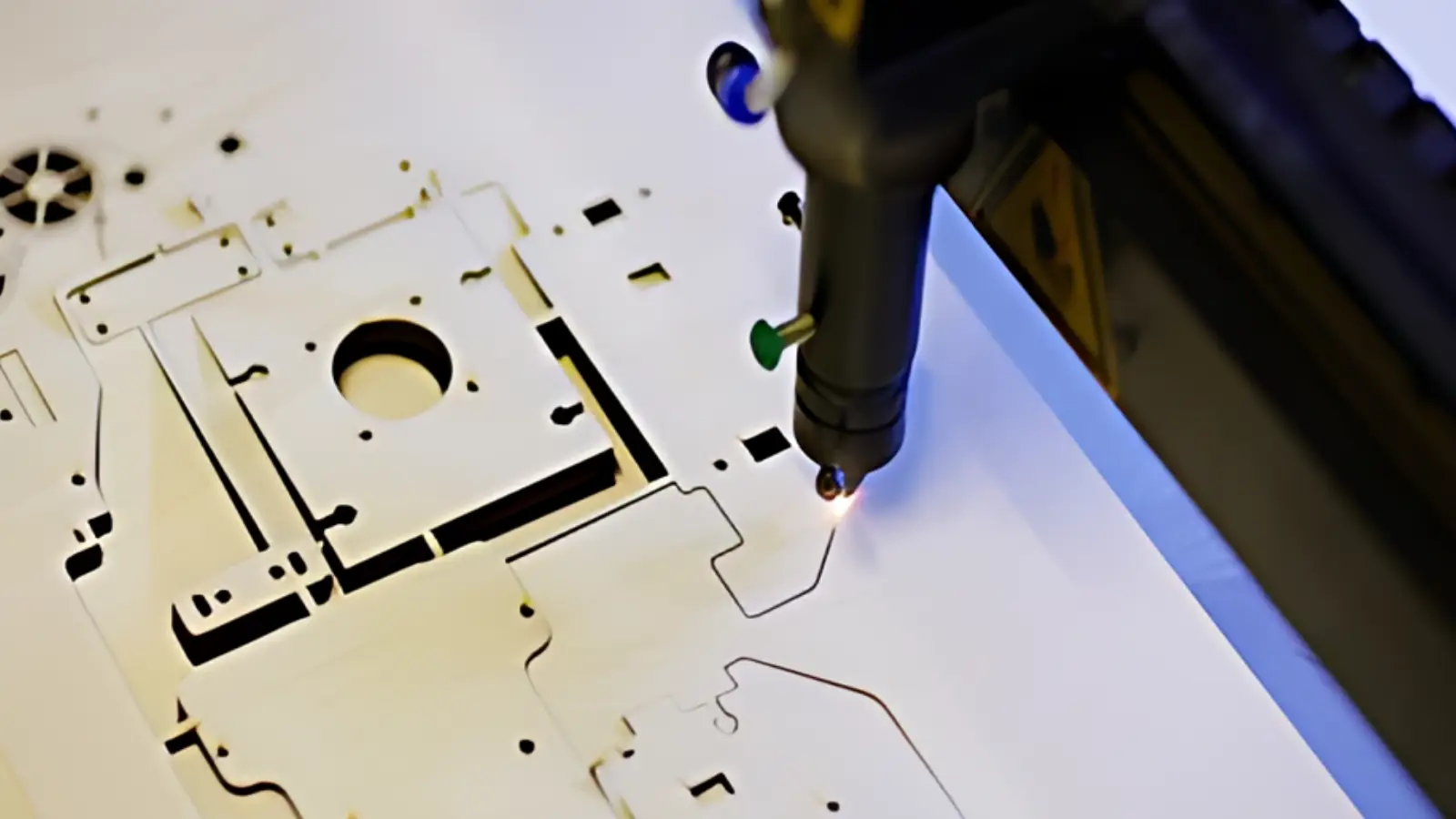
A machinist loads the code file into the controller. The machine then executes each block in sequence, moving the tool along the programmed toolpath planning path. Feed rate, spindle speed, and coolant pressure are all encoded in the program.
If you want to understand what a supplier is doing, the key is the code structure itself. A well-organized program uses consistent blocks, clear comments, and logical tool-call sequences. A disorganized one invites crashes, chatter marks, or dimensional drift that only shows up at inspection.
일반적인 G코드 and M-Code Reference
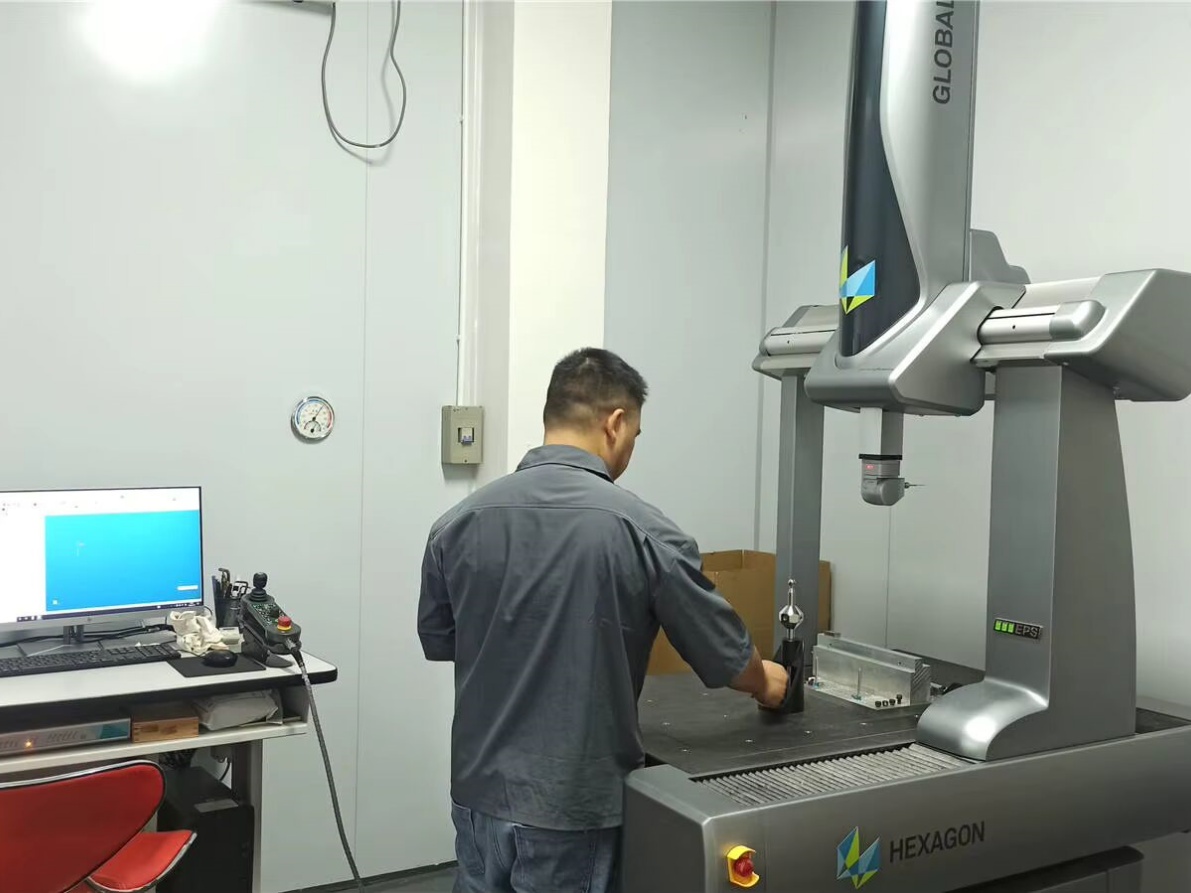
YPMFG reviews all manufacturing documentation before release, including G-code dry runs and M-code logic checks, to reduce first-article risk on CNC 가공 orders.
Why Machine Codes Matter to a Buyer
You will not read the code line by line on every order. But knowing the basics changes how you specify, review, and troubleshoot. A buyer who understands that G54 is a work offset can catch a wrong zero-point call that would shift every dimension on the part.
The practical impact shows up in three areas:
Consistent tolerance across repeat batches
Less scrap from programming errors

Shorter lead time because fewer fix-and-rerun cycles are needed
For tight-tolerance 맞춤형 CNC 부품, even a one-line code error can cost a full day of rework and delay the downstream assembly.
Common Questions About CNC Machine Codes
Are G-code and M-code the same thing?
No. G-code drives motion and geometry; M-code drives auxiliary functions. They work together but serve different roles inside the program.
Do all CNC machines use the same codes?
The ISO 6983 standard covers most G and M functions, but each controller (FANUC, Siemens, Haas) adds its own extensions. Always confirm the specific dialect before uploading a file.
Can I request the G-code file from my supplier?
Yes, and you should. Reviewing the file verifies tool selection, offsets,and feed rates. A machinist review on your in-house controller is the fastest way to catch errors before a cut.
What happens if a code is missing?
The machine will either halt at that block or execute a default, depending on the controller. A missing M09, for instance, may leave coolant running into the next setup and cause a minor flood.
How does YPMFG handle code verification?
YPMFG runs a full simulation and a dry pass before cutting material. Any flagged block is corrected and re-verified. You receive the final program as part of your documentation package.
## Choosing the Right Support for Your Code-Related Needs
Your program is only as good as the people who write and verify it. If you are specifying CNC 가공 work and want confidence at the code layer, send your drawing, tolerance callouts, and material spec to YPMFG for an engineering review. You will get back a feasibility check, a recommended toolpath strategy, and a clear statement of which G/M dialect your controller expects.
The next step is simple: upload your file, flag your critical dimensions, and ask for a toolpath planning summary. That single conversation usually surfaces the risks before they become scrap.