Korean
  English
  German
  Russian
  Japanese
  Spanish
  French
  Italian
  Portuguese
 간단한 답변:
조달 시 CNC 가공 부품 in Shenzhen, the core question is not just price. It is whether the supplier can hold your specified tolerances, material grade, and finishing requirements across a full production run. Shenzhen hosts a dense cluster of CNC job shops and component manufacturers. Quality consistency between prototype and volume production can vary significantly. Verify material certifications, confirm tolerance capabilities in writing, and request a first-article inspection before committing volume. Cost, lead time, and documentation all hinge on how precisely you define your part requirements upfront.
Many buyers discover that the gap between a working prototype and reliable mass-production parts is where most issues surface. This guide covers the practical checkpoints that reduce that risk. YPMFG supports buyers through 엔지니어링 평가 and pre-production documentation review.
What to Look for in CNC Parts from Shenzhen
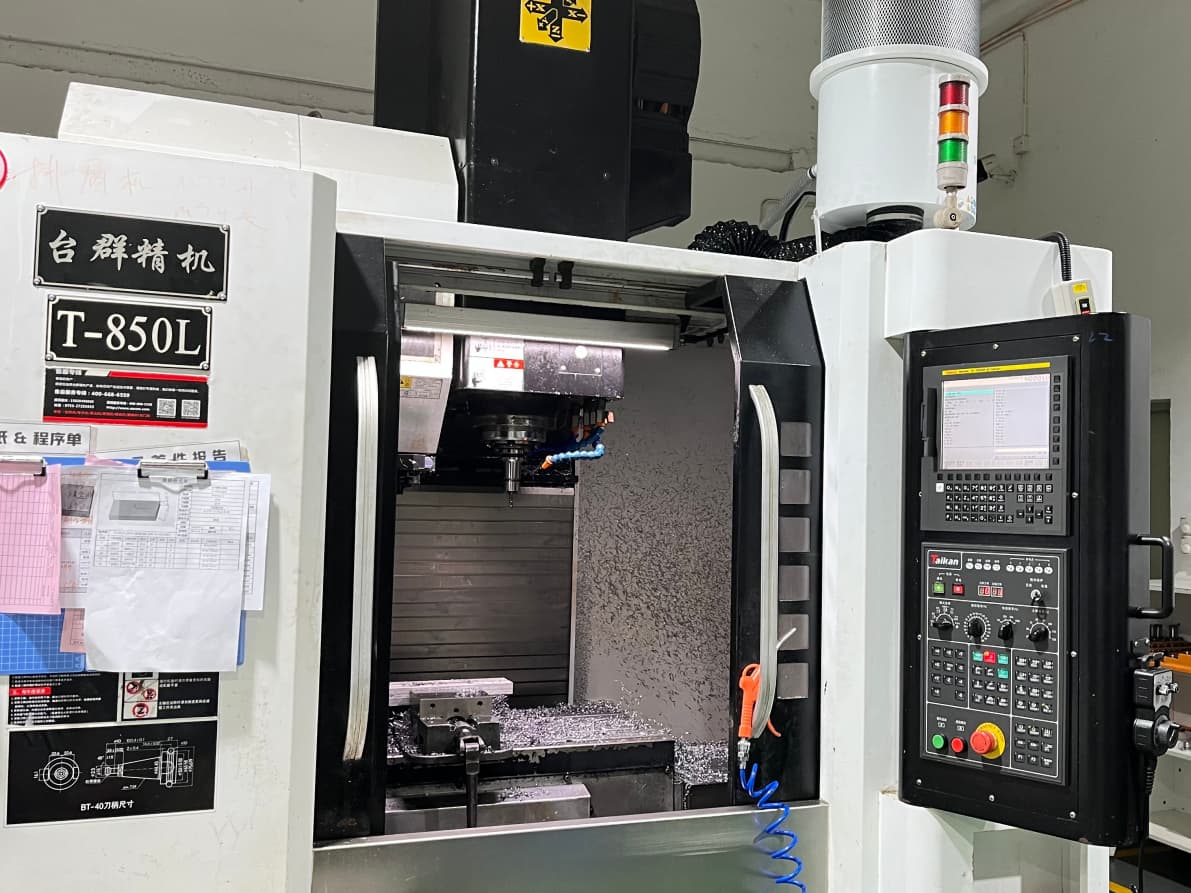
Shenzhen’s machining ecosystem ranges from small five-axis job shops to large contract manufacturers. The supply density is an advantage, but it means you must filter carefully. Not every shop can reliably hold ±0.01 mm on tight-geometry parts or manage mixed-material assemblies in a single build.
Before placing an order, confirm three items in writing:
CNC 공차 achievable for your critical dimensions and material
Material lot traceability or mill-certificate requirement
Finishing acceptance criteria (surface finish Ra, coating standard, deburring method)
Skipping these checks is the most common cause of rework and extended lead times. A part that passes visual inspection but fails a functional fit test will still stall your assembly line.
Request that your supplier document which tolerance grades they guarantee per feature, not just a single blanket tolerance. This avoids a situation where the part is machined to an unachievable spec and flagged late in the production cycle.
주문 전에 정의해야 할 핵심 사양
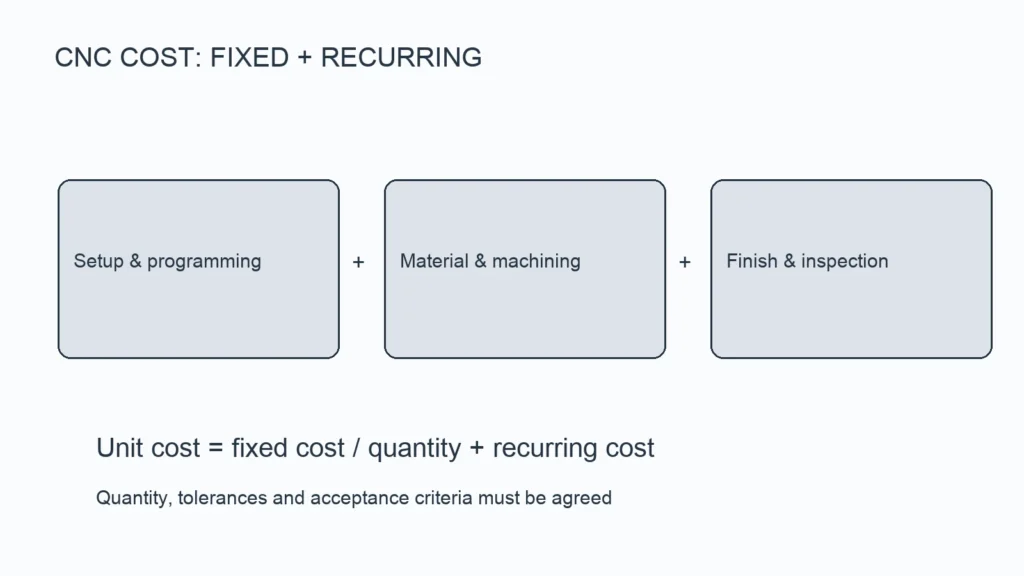
The single biggest cost driver in CNC 가공 부품 is not machine time. It is ambiguity in the drawing package. Vague notes, missing GD&T callouts, or unspecified material grades force the manufacturer to interpret, and interpretation errors show up as rejected parts.
Use this quick reference to align your drawing package before requesting a quote:
Send your complete drawing package, including GD&T 표기 and material-grade notes, before requesting a firm quote. YPMFG’s engineering team can flag missing specifications in a pre-quote review so gaps do not surface after the first cut.
Materials, Finishing, and Hidden Cost Factors
Aluminum 6061-T6 and stainless 304/316L account for the largest share of CNC 가공 부품 in Shenzhen. However, material choice interacts with geometry, batch size, and post-processing.

A few cost-relevant points to keep in mind:
Small-batch complex parts in Inconel or titanium may carry a 50–200 % premium over equivalent aluminum parts.
Anodizing, passivation, or PVD coating adds a fixed setup cost that is amortized over quantity.
If your part requires multiple material types in one assembly, factor in separate machining queues and joinery steps.
Always confirm whether the quoted price includes deburring, final dimensional inspection, and packaging. Some quotes exclude these steps, which surprises buyers at delivery.
## Common Questions About CNC Machining Parts in Shenzhen
How many samples should I request before a production run?
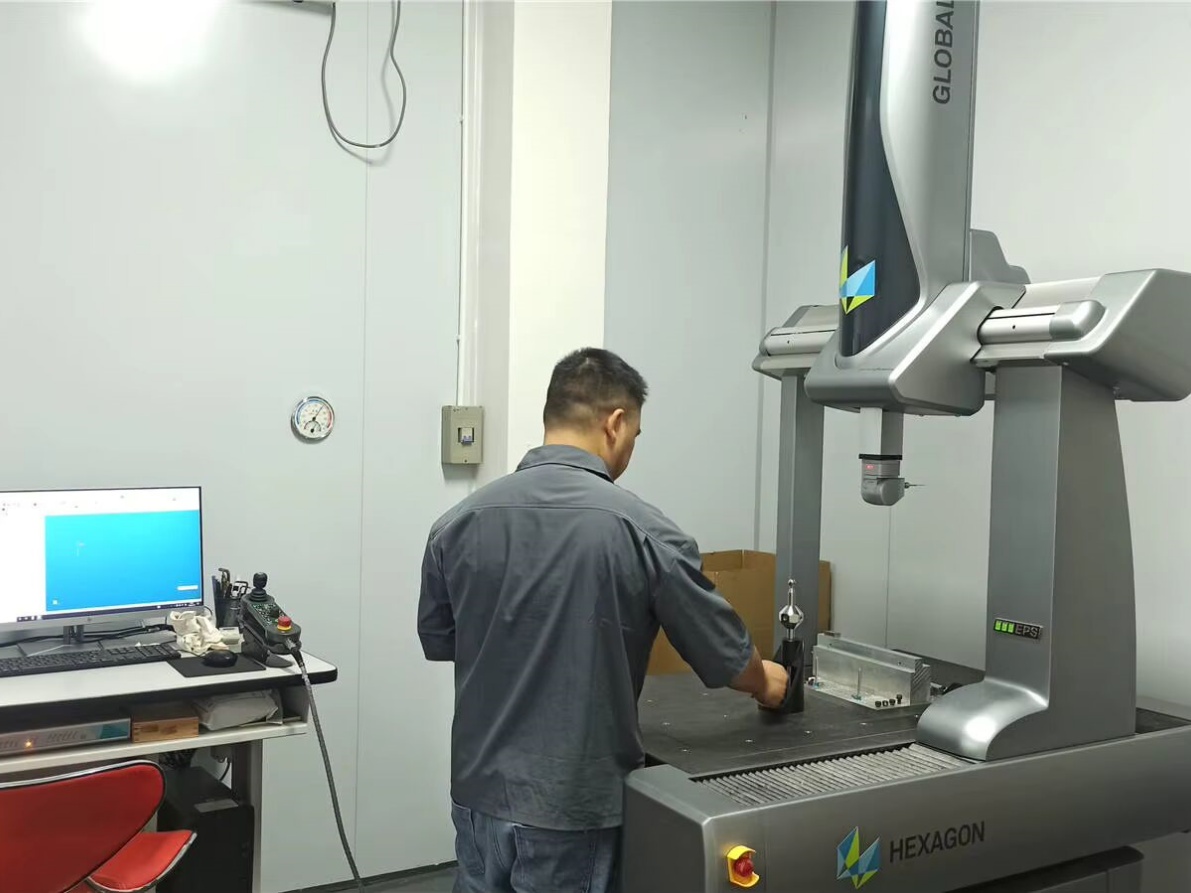
Typically one or two first-article samples are sufficient. Request a 초도품 검사 report with measured values against your critical-to-quality features. Compare the results against your acceptance limits before releasing the batch.
What lead time should I expect for 500 parts?
Depending on complexity and material, a standard batch of 500 simple parts often runs 2–4 weeks from approved drawing to delivery. Multi-material or tight-tolerance assemblies may add one to two weeks.
Do I need to be in Shenzhen for inspection?
For most buyers, no. A detailed inspection checklist plus photo or video documentation from the shop is adequate. You can also arrange a third-party inspection at the factory before shipment.
How do I handle a part that fails on the second batch?
Document the failure mode and send it back with the batch number. A reputable supplier will trace the root cause to a specific machine, tool, or material lot and provide a corrective-action summary.
더 나은 장기적 결정을 내리기
오른쪽 CNC 가공 부품 supplier is the one whose process matches your quality gates, not the one with the lowest headline price. Before committing, confirm document control, material traceability, and how the shop handles non-conforming parts.
If you are still comparing options, send your specifications to YPMFG for a pre-quote engineering review. The team will flag tolerance or material issues, suggest alternatives if your design is over-specified, and outline a realistic production schedule. You get a clearer cost and schedule picture before any commitment.