Korean
  English
  German
  Russian
  Japanese
  Spanish
  French
  Italian
  Portuguese
Precision micro machining is the manufacturing of components smaller than 10 mm, typically held to tolerances between 1 and 5 microns. It combines advanced CNC milling, turning, and electrical discharge machining with high-rigidity tooling in thermally controlled environments. The result is parts that meet tight tolerance requirements while maintaining specified surface finish standards. This process sits at the intersection of standard CNC 가공 and specialized micro-scale production, and it changes how buyers evaluate material, tooling, and inspection.
Most procurement teams who know standard CNC parts face a specific problem once specifications shrink below 5 mm. Standard tooling may no longer hold tolerance. Thermal drift becomes measurable in microns. Inspection methods have to change. Precision micro machining addresses these gaps, but only when the buyer understands what to request and how to verify it before the first cut.
## What Separates Precision Micro Machining from Standard CNC
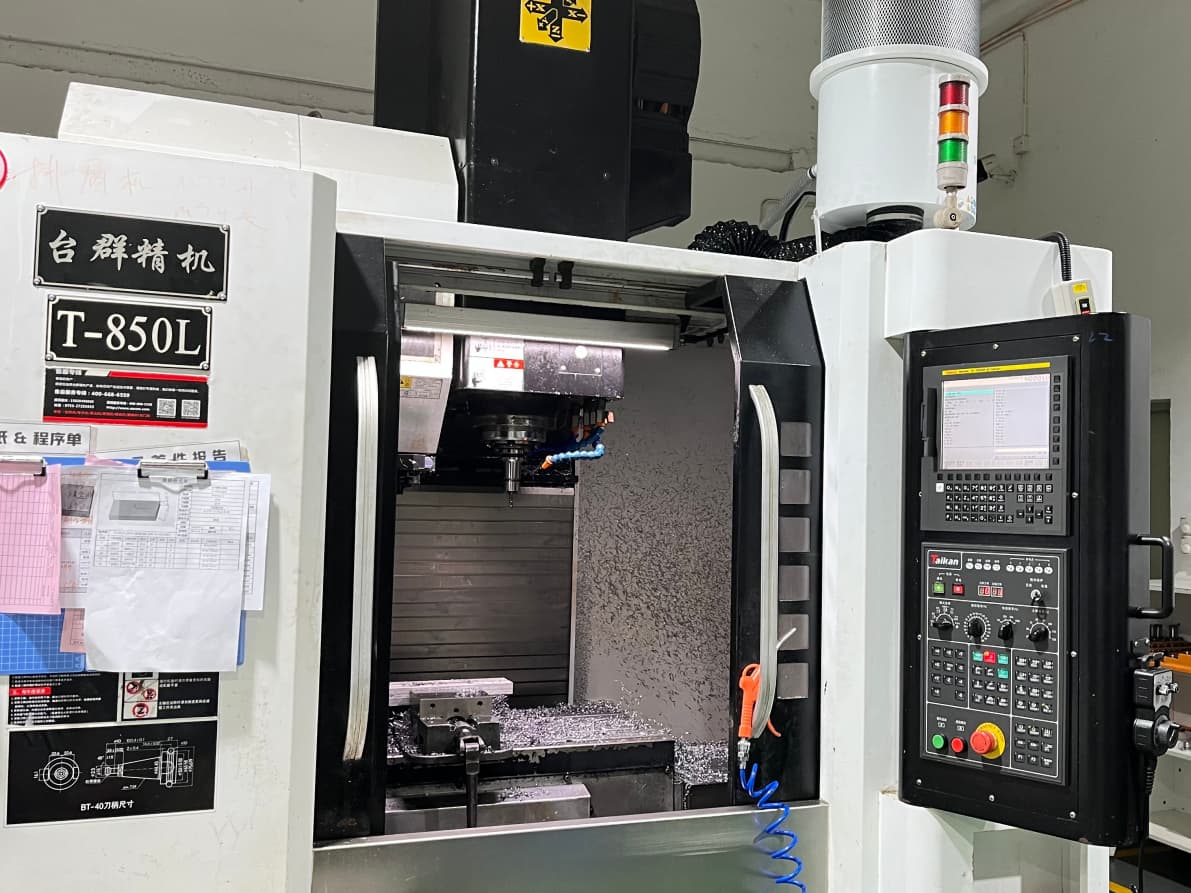
The defining factor is scale. Components under 10 mm with tolerances tighter than 5 microns require dedicated micro tooling and slower feed rates. A standard setup may not deliver the 표면 마감 품질 needed at this scale.
Thermal control matters more at micro scale. A 1 °C shift in shop temperature can move dimensional accuracy by several microns. Many facilities run parts inside temperature-stable rooms and allow the machine spindle to stabilize for 30 to 60 minutes before cutting.
Material behavior also changes. Micro parts in titanium, Inconel, or hardened steel respond very differently to a 0.3 mm end mill than they do to a 6 mm cutter. Chip evacuation becomes a real challenge, often requiring high-pressure flood coolant or in-tool flushing to prevent recutting.
Specifications to Verify Before Placing an Order
Before requesting a quote for micro parts, confirm the following parameters in writing with your supplier:

List these on your drawing or in a separate spec sheet. This reduces back-and-forth emails and shortens the engineering review cycle. YPMFG supports buyers who need a 맞춤형 솔루션 validated against a specific application before committing to volume production.
Where Precision Micro Machining Applies
일반적인 application scenarios 다음이 포함됩니다:
의료기기 – surgical instrument tips, implant fixtures, micro valve seats
Electronics and connectors – micro screws, contact pins, micro-channel heat sinks
항공우주 – fuel-nozzle orifices, sensor housings, actuator alignment pins
Semiconductor tooling – wafer-handling fixtures, micro alignment pins
Optics and defense – gimbal screws, lens-barrel micro-adjustment collars
Each use case may demand a different material grade and a different inspection protocol. Confirm whether your part requires a 초도품 검사 report, material test certificates, or batch-traceability documentation before selecting a supplier.
Cost Factors That Drive the Price of Micro Parts
Unit price is only one layer. The total cost of a micro part depends on several interacting variables:
Tooling wear and replacement frequency at small diameters
Machine idle time for thermal stabilization
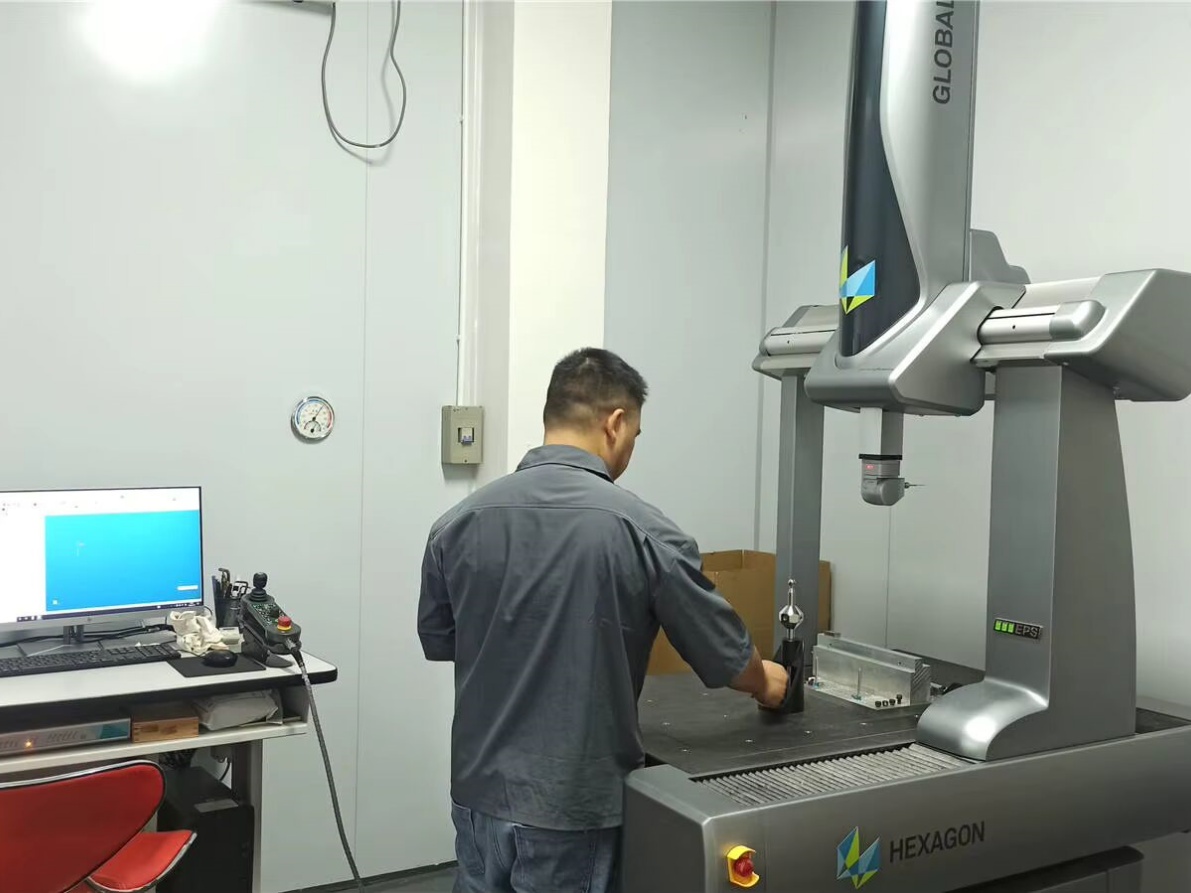
Inspection labor (CMM or optical comparator vs. manual check)
Yield loss from chip adhesion or burr cleanup
Secondary operations such as passivation, anodizing, or PVD coating
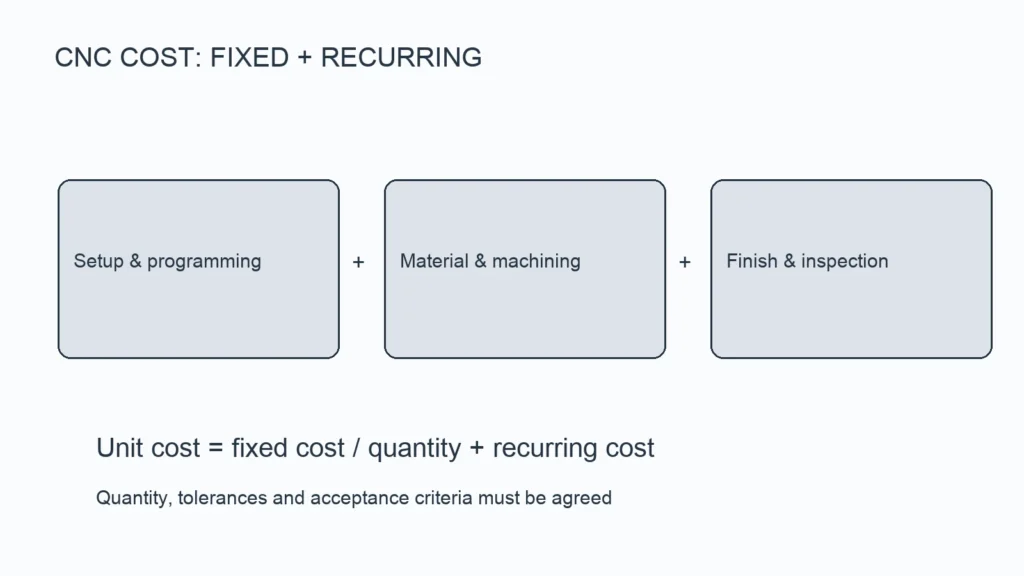
For batches under 100 units, micro part tooling setup fees can represent a large share of the total cost. Ask for a per-unit cost breakdown that separates machining, inspection, and post-processing. This makes it easier to compare offers across suppliers.
Common Questions About Precision Micro Machining
What is the smallest feature size a CNC shop can reliably produce?
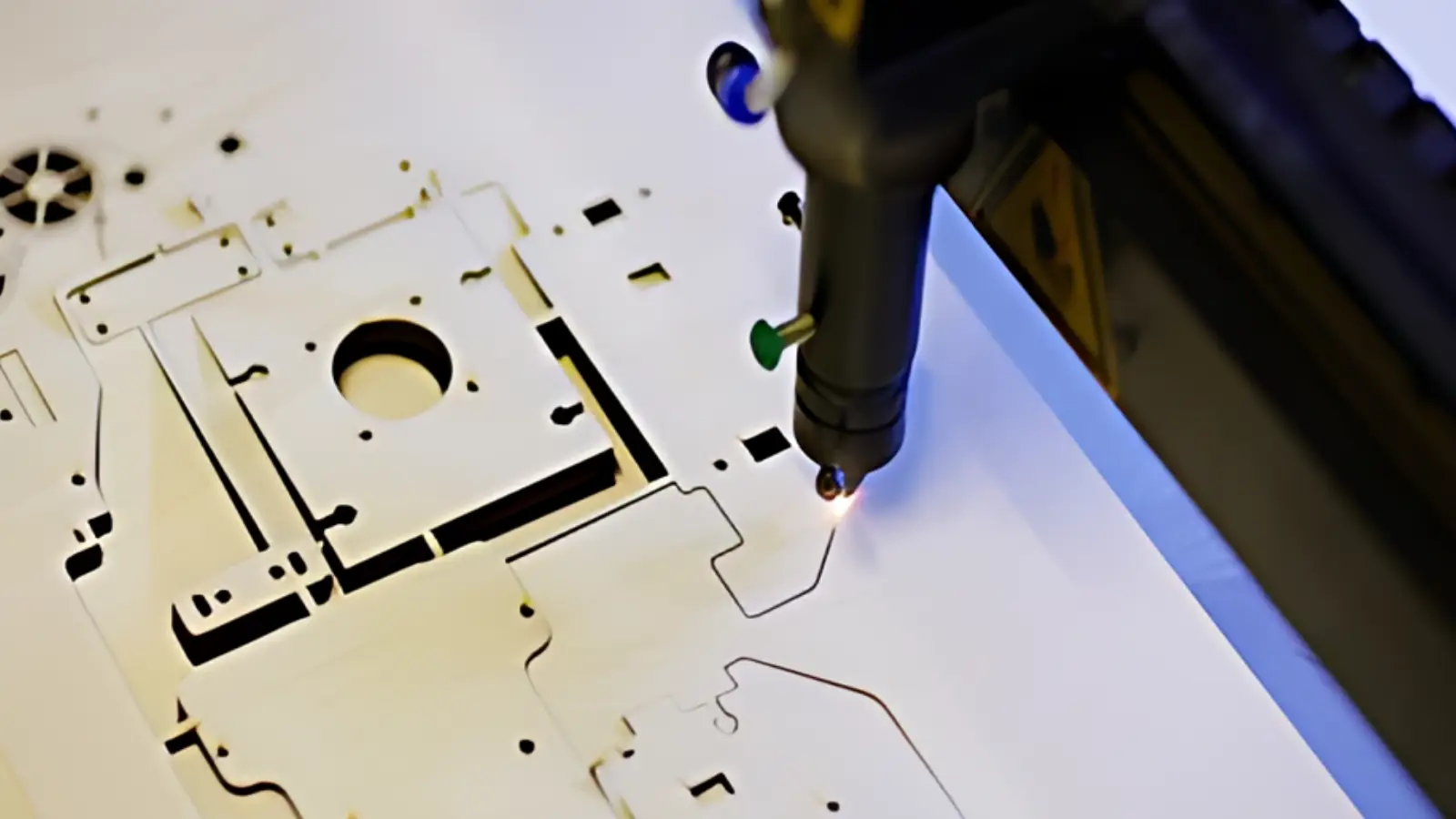
Most facilities can hold 0.1 mm features with specialized micro tooling. Below that range, electrical discharge machining or laser cutting is often more practical. The achievable minimum depends on material hardness, required surface finish, and batch size.
How does cost scale as part dimensions shrink?
Cost per part typically rises. Smaller tooling wears faster, cycle times increase, and inspection demands more attention. For small batches, setup and tooling amortization can exceed the cutting cost itself. Always request a per-unit breakdown before comparing quotes.
Can micro parts receive post-processing without shifting tolerance?
Depending on geometry, yes. Options include passivation,anodizing, PVD coating, or micro-welding. However, thermal processes can shift dimensions by a few microns. Verify the allowable shift with your coating or heat-treatment vendor before integrating it into the workflow.
What inspection method is used for micron-level tolerances?
Optical comparators, digital micrometers, and CMMs with sub-micron probes are standard. For features under 50 microns, optical metrology or laser scanning is often the only viable option. Ask the supplier to state the measurement instrument, resolution, and calibration interval.
더 나은 장기적 결정을 내리기
Precision micro machining rewards preparation. The buyers who get the best results send clean drawings, define material and finish up front, and request a short engineering review before full production. YPMFG can help you evaluate whether your current 허용 오차 기준 are achievable at your target volume, flag tooling or thermal concerns early, and provide documentation that supports your incoming inspection process. Send your specifications for a review and get a clear feasibility assessment before you commit to a batch.